
Sauces & Condiments
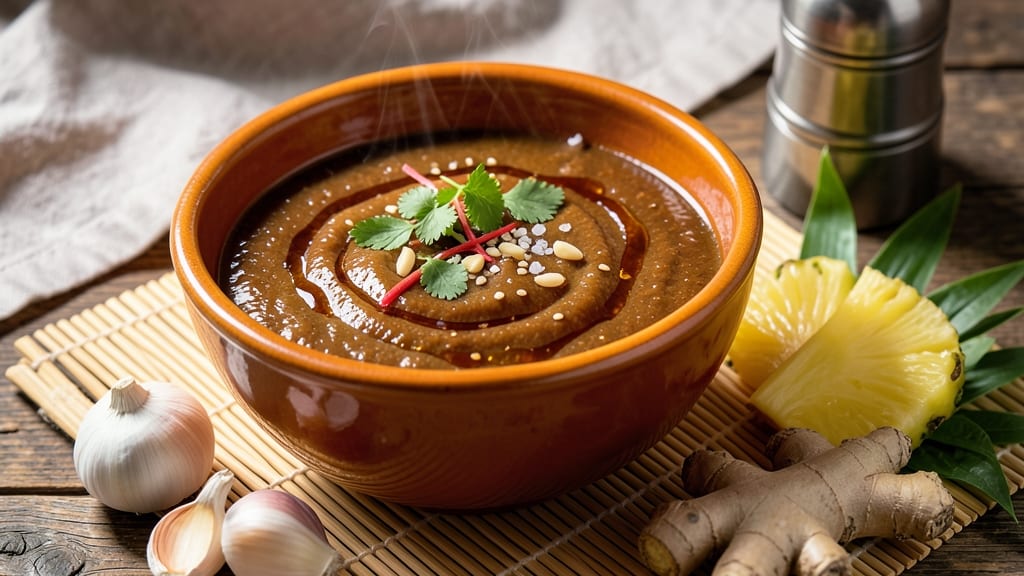
This authentic Hawaiian teriyaki sauce recipe transforms ordinary dishes into vibrant, caramelized masterpieces with just a few simple ingredients. The secret lies in balancing sweet pineapple, rich soy, and aromatic ginger—creating a sauce that's both traditional and adaptable to modern diets.
I've perfected this recipe over years of testing, ensuring the perfect harmony of umami and tropical sweetness in every spoonful.
What sets this teriyaki apart is its caramelized depth, achieved through careful simmering and reduction. Unlike store-bought versions, this sauce builds layers of flavor as it thickens, developing a glossy sheen and complex sweet-savory notes.
The addition of pineapple juice isn't just for sweetness—it adds a subtle tang that brightens the sauce and prevents it from becoming too heavy.
This sauce works beautifully on grilled meats, roasted vegetables, or even as a dipping sauce for spring rolls. The authentic Hawaiian technique involves simmering until just thickened—not over-reduced—so it remains versatile for various applications. Whether you're following traditional methods or adapting it for dietary needs, the result is consistently delicious.
The best part? You can make a large batch and store it for up to three weeks, making it perfect for meal prep. The sauce thickens slightly when refrigerated, so simply warm it gently before using.
This is the kind of recipe that elevates everyday cooking without requiring advanced skills—just patience and attention to balance.
Ingredients for authentic hawaiian teriyaki sauce
Nine ingredients transform into a vibrant, caramelized masterpiece—authentic Hawaiian teriyaki sauce with tropical brightness and umami depth.
| Ingredient | Amount | Notes |
|---|---|---|
| Pineapple Juice 🍍 | 1 cup | Freshly squeezed for bright flavor |
| Soy Sauce 🍶 | ½ cup | Low-sodium preferred for balance |
| Brown Sugar 🍚 | ½ cup | Packed firmly for sweetness |
| Fresh Ginger 🌿 | 2 tbsp | Finely grated, aromatic |
| Garlic Cloves 🧄 | 4 cloves | Minced for depth of flavor |
| Honey 🍯 | 2 tbsp | Wildflower preferred for complexity |
| Sesame Oil 🫒 | 1 tbsp | Toasted for nutty aroma |
| Rice Vinegar 🍶 | 1 tbsp | For subtle tang |
| Cornstarch 🌾 | 1 tbsp | For thickening consistency |
| Water 💧 | 2 tbsp | To create slurry |
The pineapple juice is non-negotiable—Dole brand or fresh-squeezed from a ripe pineapple delivers that essential tang. Soy sauce? Kikkoman or a Hawaiian brand like Gold Mountain adds authentic depth. Brown sugar should be packed firmly—Domino works, but organic cane sugar caramelizes better. Fresh ginger and garlic? Giant Eagle or Whole Foods have the brightest, most aromatic roots. Toast the sesame seeds separately before adding the oil—Trader Joe's sells pre-toasted seeds if you're short on time, but toasting them yourself unlocks deeper flavor.
No pineapple juice? Orange juice plus a pinch of salt mimics the tang, though it won’t be identical. Substitute honey with maple syrup if avoiding refined sugar, but reduce by 10%—it’s sweeter. Sesame oil too strong? Neutral oil like avocado works, but you’ll lose that nutty aroma. Cornstarch can be swapped for arrowroot powder at the same ratio. For a vegetarian version, skip the honey and boost the brown sugar by 1 tbsp. The key is balance—taste as you go and adjust the slurry (cornstarch + water) gradually to avoid over-thickening.
This sauce develops flavor as it sits, so make a double batch—it keeps for 3 weeks in the fridge, or 6 months frozen. Store in a sealed jar with a thin layer of oil on top to preserve the sheen. Reheat gently on the stove, stirring constantly to prevent scorching. The sauce thickens when chilled, so thin with a splash of water or pineapple juice before using. Freeze in ice cube trays for single-use portions—perfect for quick glaze applications.
Why You'll Love This Recipe
- No Chopping Needed: I swear by this—just peel a thumb of ginger, crush a few garlic cloves, and toss the rest in a pot. The pineapple juice does all the work of balancing the soy and sugar while you’re still deciding what to eat for dinner.
- Sweet-Savory Magic: That first sip of simmered ginger and garlic hitting the back of your spoon? It’s the kind of flavor that makes you pause mid-stir. The brown sugar caramelizes just enough to coat your tongue, but the pineapple keeps it bright—no cloying aftertaste here.
- Weeknight Workhorse: Slather it on grilled chicken for Tuesday, drizzle it over rice bowls for Thursday, or toss it with tofu for a Friday night reset. It’s my go-to for when I’m too tired to plan but still want something that tastes like I did.
- Makes Leftovers Worth It: This sauce actually improves the next day—thicker, deeper, and ready to transform last night’s proteins into tomorrow’s lunch. I’ve got a jar in my fridge right now that’s been feeding me for a week, and no one’s complained. (Not even my picky teenager.)
Step-by-step instructions for authentic Hawaiian teriyaki sauce
This sauce delivers the perfect balance of sweet, salty, and umami—just like you'd find in Hawaii's best plate lunches.
Bloom the Aromatics in Toasted Sesame Oil
Heat a medium saucepan over medium-low heat and add the 1 tablespoon sesame oil. Let it warm for 30 seconds until fragrant and shimmering—you should smell that nutty, toasted aroma. This is where the foundation of your sauce begins.
Add the 4 minced garlic cloves and 2 tablespoons freshly grated ginger. Cook for 1-2 minutes until the garlic becomes golden and the ginger loses its raw bite. Stir constantly to prevent burning—this step builds the aromatic base that makes the sauce truly authentic. If the mixture darkens too quickly, reduce the heat slightly and keep stirring.
Caramelize the Brown Sugar and Build the Base
Increase the heat to medium and add the ½ cup packed brown sugar. Stir continuously for 3-4 minutes until the sugar dissolves and begins to caramelize slightly. You'll see it turn from light brown to a deeper amber color—this is where that signature Hawaiian depth comes from.
Pour in the 1 cup pineapple juice and ½ cup soy sauce, scraping up any browned bits from the bottom of the pan. These bits are pure flavor—don't miss them! Bring the mixture to a gentle simmer and let it cook uncovered for 5 minutes, allowing the alcohol to evaporate and the flavors to meld together. You should smell that sweet-savory combination developing.
Add Sweetness and Tang for Balance
Reduce the heat to low and stir in the 2 tablespoons honey and 1 tablespoon rice vinegar. The vinegar adds a subtle tang that cuts through the sweetness, creating that perfect Hawaiian balance. Let the sauce simmer gently for 3 minutes, stirring occasionally, until it thickens slightly but isn't syrupy yet.
Here's where it gets interesting: Taste the sauce now. You want it to be sweet, salty, and slightly tangy with a hint of that tropical pineapple brightness. If it needs more depth, add a pinch of salt. If it's too thick, you can thin it later with a splash of water. If it's too thin, we'll fix that in the next step.
Thicken to Perfect Pouring Consistency
In a small bowl, whisk together the 1 tablespoon cornstarch and 2 tablespoons water to create a smooth slurry. This is your thickening agent—it'll give the sauce that glossy, coatable texture perfect for glazing meats or drizzling over rice.
Return the sauce to a gentle simmer and slowly pour in the cornstarch slurry while stirring continuously. The sauce will thicken dramatically within 1-2 minutes. Keep stirring until it reaches a consistency where it coats the back of a spoon but isn't gluey—this should take about 3-4 minutes total. If it thickens too much, you can thin it with a teaspoon of water at the end.
Finish with Heat and Rest for Maximum Flavor
Remove the pan from heat and let the sauce rest for 5 minutes. This resting period allows all the flavors to fully meld together. The sauce will continue to thicken slightly as it cools, so don't worry if it looks perfect right away.
For that final touch of authenticity, give the sauce one last taste and adjust the seasoning if needed. It should be sweet but not cloying, salty but not overpowering, with that bright pineapple tang cutting through. The sauce is now ready to use—it'll keep in the refrigerator for up to 5 days or can be frozen for 3 months. Use it to glaze grilled meats, drizzle over rice, or serve as a dipping sauce for your favorite Hawaiian dishes.
Pro Tips For Making Authentic Hawaiian Teriyaki Sauce
- Simmer Slow and Steady: After burning three batches, I finally figured out that low-and-slow wins—keep your heat at a gentle simmer (not a rolling boil) for at least 15-20 minutes. The pineapple juice and sugar will caramelize properly, giving that deep, glossy finish without turning into syrup glue.
- Peel and Grate Ginger Like a Pro: Skip the minced ginger from the jar—it’s mushy and lacks depth. Use a microplane or fine grater and rub the ginger directly into the sauce while raw. This releases more oils and flavor, and you’ll only need about 1 tablespoon of fresh ginger (peeled, of course) for the right kick.
- Balance the Sugar Early: Taste your sauce at the 10-minute mark, not the end. If it’s too sweet, add a splash of pineapple juice or a dash of soy sauce to cut through it. I learned this the hard way—once I let a batch sit overnight, and the sugar had crystallized into a sticky mess.
- Toast the Garlic First: Smash those garlic cloves (unpeeled) in a dry pan over medium heat for 30 seconds until fragrant. The skins will slip off easily, and the garlic will add a nutty depth instead of just raw bite. Toss the toasted cloves directly into the simmering sauce—no chopping needed.
Serving suggestions for this authentic hawaiian teriyaki sauce
Grilled Meats
This teriyaki sauce transforms grilled chicken, pork, or beef into restaurant-quality dishes. Brush it on boneless chicken thighs during the last 8 minutes of grilling over medium-high heat—the caramelized crust forms beautifully.
For pork chops, marinate them for 30 minutes before grilling, then baste with extra sauce during the final 5 minutes. The pineapple in the sauce tenderizes the meat while adding a tropical twist. 🔥
Rice and Noodles
Drizzle ½ cup of warm teriyaki sauce over steamed jasmine rice or sushi rice for a quick Hawaiian-inspired side. For stir-fried noodles, toss 8 oz cooked rice noodles with 1 tbsp sesame oil and ¼ cup sauce, then finish with sliced green onions.
The sauce's glossy texture clings perfectly to both grains and noodles, making every bite flavorful.
Vegetable Applications
Roasted broccoli or carrots become irresistible when tossed with 2 tbsp sauce and roasted at 400°F for 15-20 minutes.
For a quick side, sauté bell peppers and onions in a pan with 1 tbsp sesame oil, then deglaze with ¼ cup sauce and finish with a sprinkle of toasted sesame seeds. The sauce's sweetness balances the earthiness of vegetables beautifully.
Dipping Sauce
Serve this teriyaki as a dipping sauce for spring rolls, tempura, or edamame. Warm ½ cup sauce in a small saucepan over low heat for 2 minutes, then drizzle with a few drops of sesame oil for extra richness.
The tangy-sweet profile makes it perfect for dipping crispy or fresh bites. Store extra sauce in a small airtight container for quick access.
Breakfast Adaptations
Transform your morning with teriyaki-glazed eggs or tofu. Pan-fry 4 slices of firm tofu until golden, then drizzle with 2 tbsp sauce and broil for 2 minutes. For eggs, whisk 3 eggs with 1 tbsp sauce, pour into a hot pan, and cook until set.
The sauce adds a sweet-savory kick that elevates breakfast dishes instantly. ✨
Meal Prep Ideas
Make a large batch and store it in glass jars for up to 3 weeks in the fridge. Use it to glaze pre-cooked chicken for quick lunches, or toss with cold noodles and veggies for a grab-and-go meal.
The sauce also works as a marinade—coat pork tenderloin and grill it the next day for effortless flavor. Label jars with the date to track freshness.
Nutrition facts
Frequently asked questions
Why does this teriyaki sauce use pineapple juice instead of just sugar?
Pineapple juice adds that signature Hawaiian brightness and subtle tang that traditional teriyaki often lacks. The acidity helps balance the sweetness while preventing the sauce from becoming too heavy. Plus, it gives that authentic tropical flavor you'd expect in Hawaiian cuisine—something store-bought versions often miss.
Can I make this sauce gluten-free?
Simply swap the regular soy sauce for tamari or coconut aminos (use the same amount). For extra depth, add 1 teaspoon of gluten-free fish sauce or a splash of rice vinegar. The sauce will still develop that rich umami flavor without the gluten.
How do I adjust the sweetness if I prefer it less sugary?
Taste the sauce after simmering the pineapple juice and soy sauce (Step 2). If it's too sweet, add ½ teaspoon of rice vinegar or 1 teaspoon of extra soy sauce to balance. For a less sweet version, reduce the brown sugar to ⅓ cup and add 1 extra tablespoon of honey (it's sweeter but adds complexity). Adjust gradually—taste as you go!
What's the best way to store leftover teriyaki sauce?
Transfer to a clean glass jar and refrigerate for up to 3 weeks. The sauce thickens when chilled, so stir and thin with 1 teaspoon of water or pineapple juice before reheating. For longer storage, freeze in ice cube trays—each cube equals ~1 tablespoon of sauce, perfect for quick glaze applications.
Can I use this sauce as a marinade?
Yes! For pork or chicken, mix ½ cup sauce with 1 tablespoon olive oil and marinate for 2-4 hours (or overnight for deeper flavor). For fish or tofu, reduce marinating to 30 minutes to prevent over-softening. Always pat the meat dry before cooking for the best caramelization.