
Sauces & Condiments
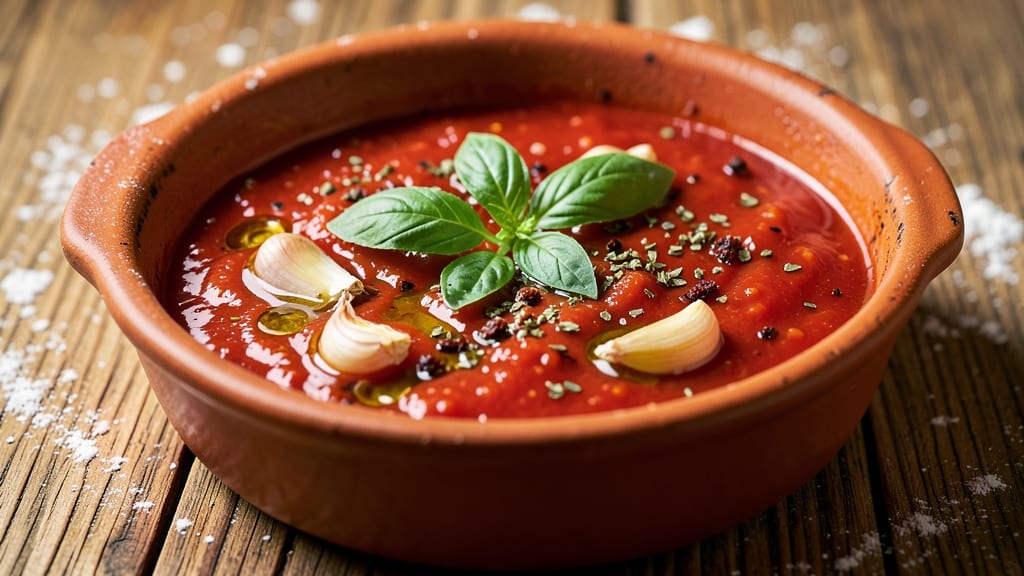
This authentic Italian arrabbiata sauce delivers the bold, fiery tomato flavor that defines Roman cuisine—no shortcuts, just pure, concentrated spice. The secret lies in San Marzano tomatoes, slow-simmered with garlic, chili peppers, and high-quality olive oil until the flavors meld into a velvety, peppery sauce.
I've perfected this recipe over years of testing, ensuring every batch captures that signature balance of heat and acidity that makes arrabbiata unforgettable.
The beauty of this sauce is its simplicity: just seven core ingredients, yet each plays a critical role. Garlic forms the aromatic base, while dried chili peppers (like 'nduja or red pepper flakes) provide the signature heat without overpowering.
The key technique? Simmering uncovered to reduce the sauce naturally, intensifying its flavor and creating that signature clingy consistency that clings beautifully to pasta or grilled meats.
What you'll end up with is a vibrant, spicy tomato sauce that's rich enough to stand alone but versatile enough to elevate any dish. The aroma alone will transform your kitchen into a Roman trattoria, while the flavor delivers the perfect balance of heat, acidity, and umami.
This isn't just a sauce—it's the heart of an Italian meal, ready to transform simple ingredients into something extraordinary.
Use it immediately over al dente pasta, drizzle it generously on grilled chicken, or store it in the fridge for up to five days (or freeze for months) to enjoy the taste of Italy anytime.
The instructions ahead will guide you through every step to achieve that restaurant-quality authenticity at home.
Ingredients for authentic italian arrabbiata sauce
Seven ingredients transform into the fiery, velvety heart of Roman cuisine.
| Ingredient | Amount | Notes |
|---|---|---|
| San Marzano Tomato Cans 🍅 | 2 cans | Whole peeled, no salt added |
| Extra-Virgin Olive Oil 🫒 | ½ cup | High-quality, fruity variety |
| Garlic Cloves 🧄 | 6 cloves | Fresh, minced for aromatic base |
| Dried Chili Peppers 🌶️ | 1 tbsp | 'Nduja or red pepper flakes |
| Fresh Basil Leaves 🌿 | ¼ cup | Packed, torn by hand |
| Dried Oregano 🌿 | 1 tsp | Italian variety preferred |
| Sea Salt 🧂 | 1 tsp | Diamond Crystal preferred |
The tomatoes are non-negotiable—San Marzano delivers that perfect balance of sweetness and acidity. Grab the whole peeled cans (no salt added) from Whole Foods or Trader Joe's—they're worth the splurge. The olive oil should be extra-virgin, with a peppery finish that complements the heat. I always grab mine from California Olive Ranch or Bertolli at the grocery store. For the chili peppers, 'nduja gives that authentic Calabrian kick, but red pepper flakes work in a pinch—just taste first. The garlic? Fresh is essential—none of that jarred stuff here.
No San Marzano tomatoes? Crushed tomatoes in a can work, but you'll lose some of that signature sweetness. Swap the dried chili peppers for fresh red chili peppers (like cayenne) at double the amount—just remove the seeds to control heat. Fresh basil wilt fast, so dried oregano at half the amount gets you close if you're in a bind. The olive oil can be swapped for avocado oil, but it won't have that same fruity depth. And if you're missing the oregano, dried thyme adds a nice earthy note. Just don't skip the garlic—it's the soul of this sauce.
This sauce is best used fresh, but it keeps for 5 days in the fridge or 3 months frozen. I like to portion it into ice cube trays for easy single-use servings—perfect for quick pasta nights. The flavor actually improves after a day or two as the acidity mellows. For reheating, low heat only—you don't want to cook off the delicate basil notes. And if you make extra? Freeze half now—you'll thank yourself later.
Why You'll Love This Recipe
- No-Chop Necessary: I swear by this sauce because it’s one of those rare recipes where you don’t even need to dice anything. Just toss in whole garlic cloves, let them sizzle in the olive oil until golden, then crush them right in the pot—no knife skills required.
- Fiery Fresh Balance: That first bite of heat from the dried chili peppers, then the bright punch of San Marzano tomatoes and fresh basil? It’s the kind of flavor that lingers, but not in a way that’s overwhelming—more like a perfect little kick that makes you crave it again.
- Weeknight to Weekend: Between us, this sauce works for everything: toss it with pasta for a quick dinner, drizzle it over grilled chicken for a fancy-ish weeknight meal, or even slather it on toast with ricotta for a lazy Sunday breakfast. It’s my secret weapon for looking like you tried.
- Budget-Friendly Pantry Hero: Honestly, the ingredients cost next to nothing, but the taste? Ridiculously good. A single can of San Marzano tomatoes and a handful of dried peppers stretch to feed four, and the leftovers reheat like a dream—no soggy sauce here, just rich, concentrated flavor every time.
Step-by-step instructions for authentic Italian arrabbiata sauce
This is how real Italian nonnas make arrabbiata—bold, spicy, and packed with sun-ripened tomato flavor.
Bloom the Chili Peppers in Olive Oil
Heat the 0.5 cup extra-virgin olive oil in a heavy-bottomed saucepan over medium-low heat. Add the 1 tablespoon dried chili peppers and stir constantly for 1-2 minutes until you can smell the deep, smoky aroma filling your kitchen. This step draws out the maximum heat and flavor from the peppers without burning them.
Watch the oil carefully—it should shimmer but not smoke. If it starts to darken, reduce the heat immediately. The peppers will release their oils and create a fragrant base that carries the entire sauce. This is where the authentic spicy kick begins, so don't rush it.
Sauté the Garlic Until Golden
Add the 6 minced garlic cloves to the chili oil and cook for 1-2 minutes until the garlic becomes golden brown around the edges. You want it to be fragrant but not burned—burnt garlic tastes bitter and overpowers the delicate tomato flavor. Stir frequently to prevent browning spots.
Here's the thing—garlic burns faster than you think. Keep the heat at medium-low and watch closely. When the garlic reaches that perfect golden stage, it will transform from pale to rich amber, releasing its sweet, nutty aroma that forms the aromatic backbone of the sauce.
Add Tomatoes and Simmer Uninterrupted
Pour in the contents of the 2 cans San Marzano tomato cans (including any juices) and add 1 teaspoon dried oregano and 1 teaspoon sea salt. Bring to a gentle boil over medium-high heat, then immediately reduce to low heat. Let it simmer uncovered for 10-12 minutes without stirring—this prevents the sauce from breaking and allows the flavors to meld.
The sauce will thicken naturally as it reduces, and you'll see a beautiful foam form on top. This is normal and actually enhances the texture. If the sauce looks too thick after 10 minutes, you can return it to medium heat for another 2-3 minutes to reach your desired consistency. The goal is a sauce that coats the back of a spoon but still flows smoothly.
Finish with Fresh Basil and Adjust Seasoning
Remove the sauce from heat and stir in the 0.25 cup fresh basil leaves (torn by hand). Let it steep for 5 minutes—this allows the basil's bright, herbal notes to infuse the sauce without turning it bitter. Taste and adjust the seasoning if needed, adding more salt or chili peppers to taste.
For authentic flavor, I like to finish with a final taste test. The sauce should be vibrant red, with a spicy kick from the chili peppers and a bright acidity from the tomatoes. The basil should add freshness that cuts through the richness. If it needs more depth, a pinch of sugar can balance the acidity, but authentic arrabbiata relies on the natural sweetness of San Marzano tomatoes.
Rest Before Serving (This Makes All the Difference)
Let the sauce rest for 10-15 minutes before serving. This allows the flavors to fully develop and the sauce to thicken slightly. During this time, the acidity mellows, the spices meld, and the texture becomes velvety. I know it's tempting to serve it immediately, but this resting period transforms good sauce into exceptional sauce.
When you're ready to serve, give it one final taste and adjust the seasoning one more time if needed. The sauce should be vibrant, spicy, and full of complex flavors that dance on your palate. Serve it immediately over al dente pasta or use it as a base for your favorite Italian dishes—it's that good.
Pro Tips For Making Authentic Italian Arrabbiata Sauce
- TOAST GARLIC LOW: I learned this the hard way—when you cook garlic for arrabbiata, keep the heat low after the initial sizzle. Too much heat burns it before the chili peppers can infuse properly, leaving you with bitter, acrid flavor instead of that deep, smoky sweetness. Let it bubble gently until it’s just golden, not brown.
- CRUSH CHILI PEPPERS: Skip the whole dried peppers—tear them open and crush them with your fingers before adding. This releases more oil and heat, giving you that signature fiery depth without overpowering the tomatoes. (Yes, even if you’re impatient like me.)
- SIMMER TOMATOES UNSTIRRED: After adding the San Marzano tomatoes, let them sit completely still for the first 5 minutes. Stirring too soon breaks up the natural tomato skin foam, which helps thicken the sauce naturally. I know, it looks weird, but trust the process—your sauce will be richer.
- ADD BASIL LATE: Tossing in fresh basil at the very end keeps its bright, peppery flavor instead of letting it turn bitter from long cooking. Wait until the sauce is off the heat, then stir in just before serving—this is the thing that matters most for that restaurant-quality finish.
Flavor customization for this recipe
Spice Level Control
Adjust the heat to your preference by controlling the chili peppers. For mild arrabbiata, reduce the dried chili peppers to ½ teaspoon and use red pepper flakes instead of 'nduja. For extra-spicy, add 1 extra teaspoon of chili peppers or a pinch of cayenne powder at the end.
I like to taste as I go—this sauce should make your lips tingle but not burn!
Sweet-Tangy Balance
If your tomatoes taste too acidic, add ½ teaspoon sugar or 1 teaspoon tomato paste to mellow the sharpness. For extra depth, stir in 1 teaspoon balsamic vinegar at the end—it adds complexity without overpowering the spice.
I sometimes add a splash of red wine (about ¼ cup) while simmering for a richer, more sophisticated flavor.
Herb Variations
Swap out the basil for other Italian herbs to change the flavor profile. Try ½ teaspoon dried thyme for an earthy note or 1 tablespoon fresh parsley for brightness. For a Calabrian twist, add ½ teaspoon crushed fennel seeds while blooming the peppers—they pair beautifully with 'nduja.
Just remember, herbs should enhance, not overpower, the spicy tomato base.
Umami Boosters
For a deeper, meatier flavor, add 1 tablespoon soy sauce or 1 teaspoon fish sauce (trust me, it works!). A pinch of ground anchovy (about ½ teaspoon) dissolves into the sauce, adding umami without altering the texture.
I also love stirring in 1 teaspoon tomato paste at the start for extra richness—it caramelizes slightly and deepens the sauce's complexity.
Texture Adjustments
Want a thicker sauce? Simmer uncovered for 15-20 minutes instead of 10-12 to reduce it further. For a chunkier texture, blend ½ cup of the sauce and mix it back in, or leave it slightly rough with small tomato pieces.
If it's too thick, add 1-2 tablespoons water or pasta water to loosen it up while keeping the bold flavor intact.
Regional Twists
For a Roman-style arrabbiata, keep it classic with just tomatoes, garlic, and chili. A Calabrian version swaps in 'nduja and adds fennel for warmth. For a Sicilian touch, stir in ½ teaspoon ground coriander and a pinch of cinnamon—it sounds unusual, but it works!
Each region has its own secret tweaks, so don't be afraid to experiment. 🌶️
Nutrition facts
Frequently asked questions
Can I use fresh chili peppers instead of dried?
Yes! For fresh chili peppers, use about 1-2 small peppers (like cayenne or Fresno) instead of the 1 tablespoon dried. Remove seeds for milder heat, or keep them for extra spice. Finely chop the peppers and add them with the garlic to bloom in the olive oil. Fresh peppers add vibrant color but may make the sauce slightly chunkier.
Why does my arrabbiata sauce taste too acidic?
Tomato acidity is normal, but if it's overwhelming, balance it with ½ teaspoon sugar or 1 teaspoon tomato paste while simmering. For depth, add 1 teaspoon balsamic vinegar at the end. If using regular canned tomatoes (not San Marzano), they're often more acidic—opt for whole peeled tomatoes instead of crushed for better flavor.
How do I make this sauce less spicy?
Reduce the chili peppers to ½ teaspoon and use red pepper flakes instead of 'nduja. For an already-made sauce, stir in 1 tablespoon heavy cream or yogurt to mellow the heat. If it's still too spicy, add a pinch of sugar—it helps balance the capsaicin. Taste as you go, especially when adding fresh basil!
Can I make arrabbiata sauce without garlic?
Technically yes, but it won't be authentic! Garlic is the aromatic backbone of this sauce. If you're sensitive, reduce it to 3 cloves and cook them until just fragrant (not browned). For a garlic-free version, add ½ teaspoon onion powder while simmering, but the flavor won't be the same. The sauce will still be delicious, just less complex.
What's the best way to store leftover sauce?
Let the sauce cool completely, then transfer it to an airtight container. It keeps in the fridge for 5 days or freezes for 3 months. For easy portions, freeze in ice cube trays—thaw one cube as needed. Reheat gently on low heat or in the microwave (covered) until warm. Never reheat to a boil to preserve texture.