
Sauces & Condiments
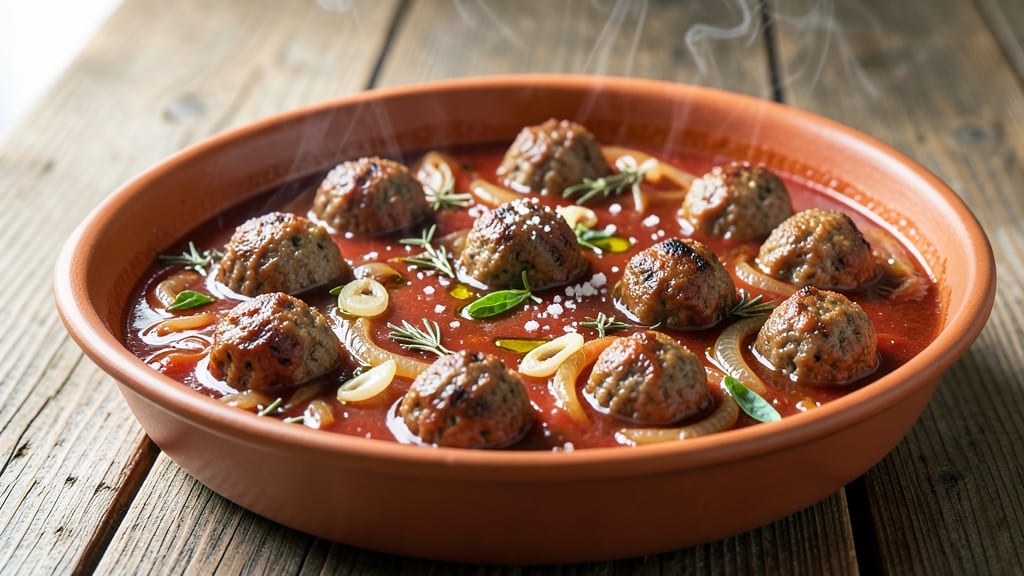
This authentic Italian meatball sauce transforms simple ingredients into a deep, tomato-rich umami masterpiece that belongs in any Italian-American meal. The secret lies in slow simmering—allowing flavors to meld and develop over time, creating a sauce that's far more complex than anything store-bought.
I've perfected this recipe by balancing acidity, sweetness, and earthy herbs to achieve that signature depth you crave in every bite.
What sets this sauce apart is its tomato-rich base, built on high-quality San Marzano tomatoes and enhanced with garlic, onions, and a touch of red wine for brightness. The sauce thickens naturally as it simmers, creating a velvety consistency that clings beautifully to meatballs or pasta.
Unlike quick versions, this method ensures layers of flavor that build with every spoonful, making it worth the time investment.
The result is a homemade sauce with a perfect balance of acidity and richness—bright enough to cut through the richness of meatballs, yet deep enough to satisfy even the most discerning palates.
The aroma alone will transport you to an Italian trattoria, while the taste delivers that comforting, familiar flavor that makes this sauce a staple in any kitchen.
This recipe doubles well, so you can freeze extras for future meals, ensuring you always have that authentic Italian comfort at your fingertips. Let's get started on creating a sauce that will elevate your homemade dishes to restaurant-quality levels.
Ingredients for authentic italian meatball sauce
Tomato-rich depth meets Italian tradition in this sauce—where every ingredient matters for that restaurant-quality taste.
| Ingredient | Amount | Notes |
|---|---|---|
| San Marzano Tomatoes 🍅 | 28 oz | Crushed by hand for texture |
| Extra-Virgin Olive Oil 🫒 | ½ cup | High-quality, fruity variety |
| Yellow Onion 🧅 | 1 whole | Diced, medium size preferred |
| Garlic Cloves 🧄 | 4 cloves | Minced, fresh preferred |
| Dry Red Wine 🍷 | ½ cup | Bold, like Chianti or Sangiovese |
| Tomato Paste 🍅 | 2 tbsp | High-quality, no sugar added |
| Fresh Basil Leaves 🌿 | ¼ cup | Chopped, stems removed |
| Fresh Parsley Leaves 🌿 | 2 tbsp | Chopped, for brightness |
| Dried Oregano 🍃 | 1 tsp | Italian variety preferred |
| Ground Black Pepper 🌶️ | ½ tsp | Freshly ground for heat |
| Sea Salt 🧂 | 1 ½ tsp | Diamond Crystal preferred |
| Bay Leaves 🌿 | 2 whole | Removed before serving |
| Sugar 🍯 | 1 tsp | Balances acidity |
The San Marzano tomatoes are non-negotiable here—their natural sweetness and low acidity create the perfect base. Grab a 28-ounce can from the Italian aisle at Whole Foods or Trader Joe's for the best flavor. If you can't find them, whole Roma tomatoes work in a pinch, but you'll need to peel and crush them yourself. The olive oil should be fruity and peppery, like California Extra Virgin—none of that mild grocery store stuff. Fresh garlic and onion are essential too; no powdered shortcuts here. For the red wine, any bold, dry variety works—Cabernet Sauvignon or Merlot if you're out of Italian options.
No San Marzano tomatoes? High-quality crushed tomatoes in a pinch, but add an extra pinch of sugar to balance. Swap the red wine for beef broth with a splash of balsamic vinegar—it adds depth without alcohol. Fresh herbs are ideal, but dried oregano at half the amount works if you're in a bind. The tomato paste can be replaced with extra crushed tomatoes, though the sauce will be slightly thinner. For extra richness, stir in 1 tablespoon of butter at the end—trust me, it's worth it. And if you're making a big batch, double the herbs so every serving tastes vibrant.
This sauce tastes even better the next day as flavors meld. Store in an airtight container in the fridge for up to 5 days, or freeze for 3 months in portions. I like to freeze it in ice cube trays for easy single-serving use—just pop a cube into simmering pasta water for instant flavor. For best results, let it come to room temperature before reheating gently on the stove. The longer it simmers, the deeper the flavor—never rush this part.
Why You'll Love This Recipe
- One-Pot Magic: I swear by this—just toss everything into one pot. No chopping boards, no extra pans. The onions caramelize right in the olive oil while you crush garlic and pour that wine like you’re in a nonna’s kitchen. Fifteen minutes later, you’re done.
- Wine-Infused Depth: That dry red wine isn’t just for flavor—it’s the secret. It melts into the San Marzano tomatoes, leaving behind this rich, slightly tangy backbone that makes the sauce sing. Honestly, skipping it feels like serving flat pasta.
- Leftovers That Beg: This sauce only gets better the next day. I’ve reheated it three times for lunch, and the flavors just keep layering. Freeze half for a rainy day—thaw, toss with fresh meatballs, and boom, instant dinner. My lazy Sundays thank me.
- Budget-Friendly Luxury: San Marzano tomatoes and good olive oil feel fancy, but they stretch this sauce far. A single jar of tomatoes feeds four meals, and a bottle of wine lasts for multiple batches. It’s the kind of dish that makes you feel rich without breaking the bank.
Step-by-step instructions for authentic Italian meatball sauce
Here's how to build a rich, umami-packed tomato sauce that captures the soul of Italian nonna-style cooking.
Sauté the Aromatics in Olive Oil
Heat the 0.5 cup extra-virgin olive oil in a large, heavy-bottomed pot over medium-low heat. Add the 1 whole yellow onion that you've diced into ¼-inch pieces, and cook for 8-10 minutes until the onions become translucent and just beginning to caramelize at the edges. This slow cooking draws out their natural sweetness without burning.
Here's the thing—don't rush this step. You'll know it's ready when the onions release easily from the bottom of the pot and develop a golden hue around the edges. Once they're just starting to brown, add the 4 cloves minced garlic cloves and cook for another 30 seconds until fragrant. Garlic burns in seconds, so keep an eye on it. The goal is to infuse the oil with their flavors, not char them.
Deglaze with Wine and Simmer the Paste
Pour in the 0.5 cup dry red wine and stir vigorously to scrape up all the browned bits from the bottom of the pot. These flavorful bits, called fond, are packed with umami and will form the base of your sauce. Let the wine simmer for 3-4 minutes until it reduces by about half and the alcohol cooks off completely.
Next, stir in the 2 tablespoons tomato paste and cook for 2 minutes until it darkens slightly and blends smoothly with the aromatics. This step creates a rich, concentrated flavor base that prevents the sauce from being too watery later. The paste also adds depth that canned tomatoes alone can't provide. Don't skip this—it's the secret to professional-quality sauce.
Build the Tomato Base with Crushed San Marzano
Add the 28 oz crushed San Marzano tomatoes (you crushed them by hand as instructed) along with the 1.5 teaspoons sea salt, 0.5 teaspoon ground black pepper, 1 teaspoon dried oregano, 1 teaspoon sugar, and 2 whole bay leaves. Stir well to combine, then bring the mixture to a gentle simmer over medium heat. Here's where it gets good—let it cook uncovered for 25-30 minutes.
During this time, you'll see the sauce thicken naturally as the tomatoes break down. Stir occasionally, but not constantly—this helps develop a slightly textured, rustic quality. You're looking for a sauce that coats the back of a spoon but still has some body to it. The sugar balances the acidity of the tomatoes, while the bay leaves add subtle earthiness that disappears when removed later. Real talk: this is the moment that matters—patience here makes all the difference.
Finish with Fresh Herbs and Season to Taste
Once the sauce has thickened to your liking, remove the 2 whole bay leaves and stir in the 0.25 cup chopped fresh basil leaves and 2 tablespoons chopped fresh parsley leaves. These herbs add brightness and freshness that dried herbs can't replicate. Let the sauce simmer for another 5 minutes to allow the flavors to meld completely.
Taste and adjust the seasoning if needed—you might want to add a pinch more salt or a splash of red wine to deepen the flavor. The sauce should be rich, slightly sweet, and tangy with a perfect balance of acidity. If it's too thick, you can thin it with a little water or pasta water. If it's too thin, simmer uncovered for another 5-10 minutes to reduce it. This sauce is meant to cling to meatballs and pasta, so aim for a consistency that's thick enough to coat the back of a spoon but still pourable.
Rest and Serve with Confidence
Let the sauce sit off the heat for 10-15 minutes before serving. This resting period allows the flavors to fully develop and the sauce to thicken slightly more. The longer it rests, the better the flavors become—trust the process. When you're ready to serve, give it one final taste and adjust the seasoning one last time if needed.
This authentic Italian meatball sauce is now ready to pair with your homemade meatballs. The rich tomato base, balanced with bright herbs and deep umami from the wine and paste, creates a sauce that's comforting, complex, and full of soul. Serve it over al dente pasta or with crusty bread to soak up every last drop—you'll want to make this again and again. It's that good.
Pro Tips For Making Authentic Italian Meatball Sauce
- Sweat the Onion Slowly: I used to rush this step, but simmering the finely diced yellow onion in olive oil over medium-low heat for 8-10 minutes—until it’s soft and translucent—builds deeper flavor than a quick sauté. The wine won’t cling to raw onion, and your sauce won’t taste sharp later.
- Deglaze with Wine First: After browning the garlic (but before adding tomatoes), pour in the dry red wine and let it reduce by half before tossing in the crushed San Marzano tomatoes. This step extracts more aroma from the wine, giving your sauce that proper Italian depth—skip it, and you’ll miss a key layer of flavor.
- Crush Tomatoes by Hand: Resist the urge to blend or strain those San Marzano tomatoes—tear them open and crush them with your fingers to keep some texture and seeds. The seeds add natural sweetness, and the rough texture helps the sauce cling better to meatballs (no mushy, watery disaster here).
- Simmer Covered, Then Uncover: After adding the tomatoes, cover the pot and let it bubble gently for 15 minutes before uncovering to reduce. This traps steam and softens the tomatoes faster, but uncovering later prevents a skin from forming—your sauce stays smooth, not gluey. (Yes, even if you’re impatient like me.)
Dietary considerations for this recipe
Gluten-Free Adaptations
This sauce is naturally gluten-free, but always double-check labels on ingredients like tomato paste and dried oregano. I use San Marzano tomatoes and Italian oregano from Penzeys Spices, both certified gluten-free.
For extra safety, simmer the sauce in a dedicated pot if you're cooking other gluten-containing dishes nearby. The flavor remains identical—just ensure all your ingredients are certified. 🌱
Dairy-Free Considerations
The original recipe includes no dairy, making it perfect for lactose-intolerant diets. If you're adding cheese later (like Parmesan), use a nutritional yeast alternative for a dairy-free finish.
For extra richness, stir in 1 tablespoon dairy-free butter at the end—Miyoko's brand works beautifully. The sauce's umami depth shines even without dairy. 🧀
Vegetarian Options
Swap the meatballs for mushroom or lentil-based meatballs to keep the dish vegetarian. The sauce's tomato-wine base pairs perfectly with plant-based proteins. For extra depth, add 1 teaspoon smoked paprika to the sauce while simmering. I've tested this with Beyond Meat crumbles too—the sauce clings beautifully. 🌿
Low-Sugar Adjustments
Reduce the 1 teaspoon sugar to ½ teaspoon or omit entirely if avoiding sugar. Balance the acidity with an extra pinch of salt or a splash of balsamic vinegar (1 teaspoon). The sauce will still taste rich and balanced—just slightly tangier. For diabetic-friendly versions, use Swerve sugar substitute instead. 🍯
Allergen-Friendly Swaps
For nut allergies, avoid any added butter or cream—stick to the basic tomato-wine base. If you're sensitive to garlic or onions, replace them with asafetida powder (½ teaspoon) for a similar umami depth.
Always taste as you go to adjust seasoning. The sauce remains versatile while accommodating dietary needs. 🚫🌰
Keto-Friendly Version
To make this keto-friendly, reduce the crushed tomatoes to 14 oz and add ½ cup heavy cream at the end for richness. Skip the sugar entirely and use xanthan gum (¼ teaspoon) to thicken naturally.
The result is a velvety, low-carb sauce that pairs perfectly with zucchini noodles or cauliflower rice. 🥦
Nutrition facts
Frequently asked questions
Why does this sauce need to simmer for so long?
The long simmering time—25-30 minutes—is crucial for developing deep, layered flavors. This slow cooking process allows the tomatoes to break down naturally, intensifying their sweetness while balancing acidity. The wine and aromatics also meld completely, creating that restaurant-quality umami depth you can't achieve with quick methods. Patience here transforms simple ingredients into something extraordinary.
Can I make this sauce without red wine?
Yes! Replace the 0.5 cup red wine with 0.5 cup beef broth plus 1 tablespoon balsamic vinegar for similar depth. The vinegar adds brightness while the broth provides umami. For extra richness, add 1 teaspoon soy sauce (if not avoiding gluten) or 1 teaspoon Worcestershire sauce. The sauce will still taste authentic—just slightly different in character.
How do I know when the sauce is thick enough?
The perfect consistency coats the back of a spoon but remains pourable—like thin gravy. Test by dipping a spoon in and lifting it: if the sauce holds a slight peak but still drips slowly, it's ready. If too thin, simmer uncovered for 5-10 more minutes. If too thick, stir in 1-2 tablespoons water or pasta water while stirring constantly. The sauce will thicken again as it cools, so aim for a slightly looser consistency when hot.
What's the best way to store leftovers?
Let the sauce cool completely, then transfer to an airtight container. It keeps in the fridge for 5 days or freezes for 3 months. For freezing, portion into ice cube trays first—this makes it easy to thaw just what you need. When reheating, warm gently on the stove with a splash of water to restore texture. The flavors actually improve after resting overnight!
Can I make this sauce in a slow cooker?
Follow the same steps for sautéing onions and garlic, then transfer everything to a 3-4 quart slow cooker. Cook on LOW for 6-8 hours or HIGH for 3-4 hours, stirring occasionally. The slow cooker's gentle heat enhances the tomatoes' natural sweetness while keeping the sauce from breaking down too much. Just add fresh herbs at the end since they won't survive the long cook time.