
Sauces & Condiments
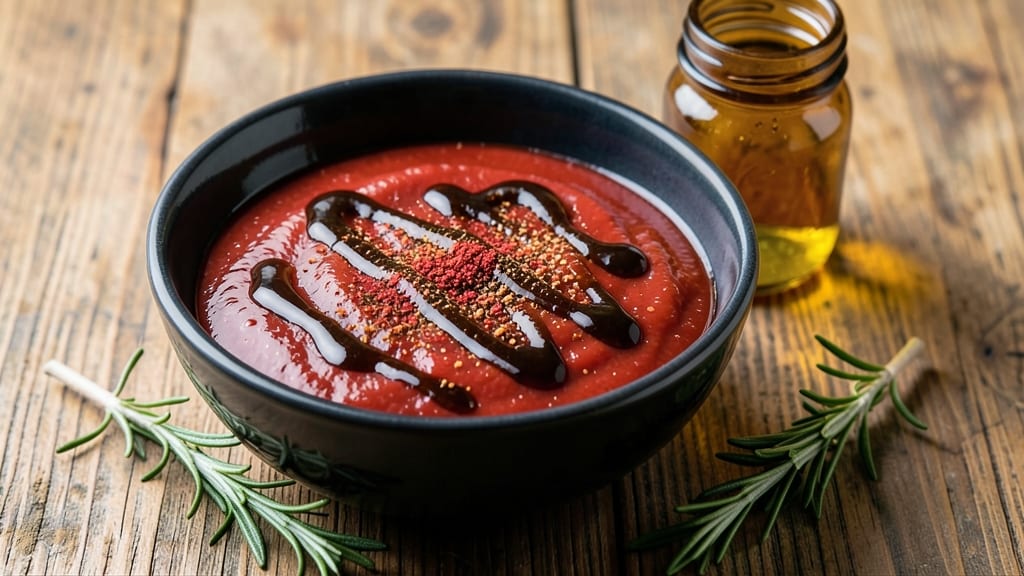
This balsamic vinegar barbecue sauce recipe transforms your grill game with a deep umami tang that caramelizes into sweet, complex layers—think restaurant-quality flavor without the fuss. 🔥 I developed it after years of experimenting with vinegar-based marinades, seeking that perfect balance between tang and sweetness that makes ribs and brisket unforgettable.
The secret lies in simmering balsamic vinegar with tomato paste until it thickens into a glossy, syrupy glaze, then cutting through with a splash of apple cider vinegar for brightness.
What sets this sauce apart is its versatility—it works as a marinade, glaze, or dipping sauce, and the recipe delivers in just 30 minutes of active time.
The combination of brown sugar, molasses, and smoked paprika creates a smoky-sweet foundation, while the balsamic vinegar adds that signature depth that elevates even the simplest grilled proteins. I’ve tested this sauce on everything from pulled pork to grilled vegetables, and it never fails to impress.
The result is a rich, sticky sauce with a perfect balance of sweetness, acidity, and smokiness—ideal for drizzling over grilled meats, basting ribs, or even tossing with roasted vegetables.
The caramelized edges create a beautiful contrast against the tender meat, making every bite worth savoring. Once you taste this, store-bought sauces will never measure up.
Store leftovers in the fridge for up to 2 weeks or freeze for 3 months—it only gets better as the flavors meld. For extra depth, add a splash of coffee or a pinch of cinnamon while simmering. Let’s make this sauce!
Ingredients for balsamic vinegar barbecue sauce
Nine pantry staples transform into a restaurant-worthy sauce that rivals any store-bought glaze.
| Ingredient | Amount | Notes |
|---|---|---|
| Balsamic Vinegar 🍷 | ¾ cup | Aged, high-quality preferred |
| Tomato Paste 🍅 | ½ cup | Squeeze tube or canned |
| Brown Sugar 🍯 | ½ cup | Light or dark variety |
| Molasses 🍯 | ¼ cup | Unsulphured preferred |
| Smoked Paprika 🌶️ | 2 tbsp | For deep smoky flavor |
| Apple Cider Vinegar 🍎 | ¼ cup | For brightness |
| Garlic Cloves 🧄 | 4 cloves | Minced for depth |
| Ground Black Pepper 🌶️ | ½ tsp | Freshly cracked |
| Kosher Salt 🧂 | 1 ½ tsp | Diamond Crystal preferred |
| Extra-Virgin Olive Oil 🫒 | 2 tbsp | For richness |
The balsamic vinegar is the heart of this sauce—aged balsamic from Trader Joe's or Whole Foods delivers that deep, caramelized complexity. I always grab a bottle labeled 'extra aged' (10+ years) if I can find it—it’s worth the splurge for that rich, syrupy texture. The tomato paste should be smooth, not chunky, so Muir Glen or Barilla are my go-tos. Fresh garlic cloves make all the difference here—roast them first if you want to take it to the next level, but even raw minced works beautifully. The smoked paprika? Penzeys has the best quality, but any good brand will do.
No aged balsamic? Red wine vinegar plus 1 tbsp molasses gets you close. Short on molasses? Maple syrup at half the amount works in a pinch. The apple cider vinegar can be swapped for white vinegar or lemon juice, but the brightness changes slightly. For extra depth, add 1 tsp instant coffee granules or a pinch of cinnamon while simmering—trust me, it elevates everything. The olive oil is non-negotiable for richness, but avocado oil works if you’re avoiding olive oil for some reason.
This sauce only gets better with time—2 weeks in the fridge lets the flavors meld perfectly, and it freezes beautifully for 3 months. I always double the batch because it disappears fast. Store it in a glass jar in the fridge, and give it a good stir before each use. The caramelized edges? That’s the magic—don’t skip the simmering time. It’s worth every minute.
Why You'll Love This Recipe
- Pantry Magic: I swear by this one—no fresh herbs, no fancy prep, just what’s already lurking in my cupboards. The balsamic and molasses alone give it that deep, caramelized richness without needing a specialty store.
- Sweet-Smoky Bomb: That first tangy hit of balsamic mellows into something irresistibly sticky-sweet, thanks to the brown sugar and molasses. The smoked paprika? It’s the secret—just a pinch turns this into a sauce that’s dangerously good on grilled chicken or even roasted veggies.
- Weeknight Workhorse: I make a big batch on Sundays and use it for everything: slathered on burgers, drizzled over baked beans, or tossed with roasted potatoes. It’s the kind of sauce that turns a simple meal into something that feels like you put in effort—without actually doing more than stirring.
- Budget Stretch: A single jar of balsamic and a can of tomato paste go a long way here, and the molasses adds depth without breaking the bank. Honestly, I’ve made this for years, and it’s still my go-to for feeding the family without stressing over grocery bills.
Step-by-step instructions for balsamic vinegar barbecue sauce
Here's how to craft a rich, tangy-sweet sauce that balances umami depth with caramelized complexity.
🍳 Step 1: Sauté Aromatics Until Fragrant
Heat the 2 tablespoons extra-virgin olive oil in a medium saucepan over medium heat. Add the 4 cloves minced garlic and cook for 30 seconds until just fragrant—don't let it brown or it'll turn bitter. Here's the thing: the garlic should smell incredible but not look golden.
Sprinkle in the 2 tablespoons smoked paprika and stir for 10 seconds to toast the spices. You'll see the mixture darken slightly and fill your kitchen with that smoky aroma. This step builds the sauce's foundation—skip it, and you'll miss that deep, complex flavor.
🍳 Step 2: Build the Sauce Base with Sweet and Tangy Layers
Add the 0.5 cup tomato paste, 0.5 cup brown sugar, and 0.25 cup molasses to the pan. Stir constantly over medium heat for 5 minutes until the sugar begins to caramelize and the mixture thickens. You're looking for a deep amber color and a syrupy consistency—this is where the magic happens.
Pour in the 0.75 cup balsamic vinegar and 0.25 cup apple cider vinegar next. The mixture will bubble vigorously as the acids react with the sugars. Let it simmer uncovered for 8-10 minutes until reduced by about 25% and syrupy in texture. This reduction concentrates the flavors and creates that perfect barbecue sauce consistency.
🔥 Step 3: Season and Simmer to Perfection
Add the 1.5 teaspoons kosher salt and 0.5 teaspoon ground black pepper to the simmering sauce. Stir well to dissolve the salt completely—this ensures even seasoning throughout. Taste the sauce at this point; you might find it needs more sweetness or acidity. If it's too sweet, add a splash more apple cider vinegar. Too tangy? Stir in a bit more brown sugar.
Continue simmering for another 5-7 minutes until the sauce reaches your desired thickness—it should coat the back of a spoon but still be pourable. The sauce should smell complex: smoky from the paprika, sweet from the caramelization, and tangy from the vinegars. If it's not quite there, simmer a few more minutes—patience pays off here.
⏰ Step 4: Cool and Rest for Maximum Flavor
Remove the pan from heat and let the sauce cool for 10 minutes. This resting period allows the flavors to meld completely. I know it's tempting to taste it immediately, but trust me—waiting makes all the difference. The sauce will thicken slightly as it cools, so if you prefer it thinner, whisk in 1-2 tablespoons water.
For best results, refrigerate the sauce for at least 1 hour before using. This gives the flavors time to develop fully. When ready to use, give it a final taste and adjust seasoning if needed. The sauce should balance sweet, tangy, smoky, and umami notes perfectly—each component should be identifiable but harmonious.
Pro Tips For Making Balsamic Vinegar Barbecue Sauce
- Simmer Slow and Steady: This isn’t a race—bring the sauce to a gentle simmer (small bubbles, occasional swirls) and let it cook uncovered for at least 20 minutes. I used to rush it, and the molasses would burn before the flavors melded. Low heat = depth of flavor, not just color.
- Strain the Vinegar: Balsamic vinegar often has sediment—pour it through a fine-mesh strainer into the pot first. Skipping this means gritty sauce, and nobody wants that scraping their teeth mid-bite. Takes 10 seconds, saves 10 minutes of frustration later.
- Balance the Sweetness: Taste as you go, especially when adding brown sugar and molasses. If the sauce tastes cloyingly sweet, splash in 1-2 tablespoons of water or apple cider vinegar to cut through it. The goal is rich, not candy-like.
- Toast the Spices First: Dry-toast the smoked paprika in a small pan for 30 seconds until fragrant—it deepens the smoky notes without overpowering. Add it to the sauce after simmering, so the aroma stays vibrant. (Yes, this is extra work, but it’s worth it.)
Regional styles of this recipe
Southern American Style
In the South, this sauce becomes a smoky-sweet glaze for ribs and pulled pork, often thickened with a splash of brewed coffee for depth. I remember my granddaddy adding 1 tablespoon instant coffee to his vinegar-based sauces—it cut through the fat and added this incredible earthiness.
For a true Southern touch, reduce the apple cider vinegar to 2 tablespoons and add 1 teaspoon liquid smoke during the final simmer. This version is thicker, almost like a molasses-based mop, perfect for slathering on slow-cooked meats. 🔥
Italian-Inspired Version
Over in Italian-American kitchens, this sauce transforms into a drizzling glaze for grilled vegetables and bruschetta. Swap the molasses for 1 tablespoon balsamic glaze (not to be confused with vinegar) and reduce the brown sugar to ¼ cup.
Add 1 teaspoon dried oregano and ½ teaspoon red pepper flakes for a touch of heat. This lighter, more acidic version pairs beautifully with grilled zucchini or eggplant—it’s like a cross between a marinara and a barbecue sauce, but with that signature balsamic tang. 🍅
Carolina Twist
In the Carolinas, this sauce gets a spicy kick with the addition of 1 tablespoon hot honey and 1 teaspoon cayenne pepper. The hot honey—made by infusing honey with red chili flakes—adds a sweet heat that’s become a staple in modern BBQ.
For an authentic Carolina touch, use white vinegar instead of apple cider and add ½ teaspoon ground mustard to the base. This version is thinner, almost like a vinegar-based dipping sauce, perfect for pulled chicken or grilled corn on the cob. 🌶️
Texas-Style Adaptation
Texans love their sauces bold and smoky, so this adaptation leans into chili powder and cinnamon. Increase the smoked paprika to 3 tablespoons and add ½ teaspoon ground cumin and ¼ teaspoon cinnamon during the simmer.
The cinnamon might sound odd, but it balances the smokiness and adds warmth—think of it as a nod to the chili-cinnamon tradition in Texas BBQ.
This version works amazingly as a dry rub when mixed with 1 tablespoon brown sugar and 1 teaspoon cornstarch to thicken it into a paste. 🌵
Coastal California Fusion
Out on the West Coast, this sauce gets a bright, citrusy twist with the addition of 2 tablespoons orange juice and 1 teaspoon grated orange zest. Reduce the molasses to 1 tablespoon and add ½ teaspoon fennel seeds (toasted and ground) for a subtle anise note.
This lighter, more refreshing version is perfect for grilled fish or shrimp skewers, where the acidity cuts through the richness. I love using this version for summer cookouts—it’s like a cross between a BBQ sauce and a chimichurri. 🍊
Nutrition facts
Frequently asked questions
Can I make this sauce without molasses?
Swap the ¼ cup molasses for 2 tablespoons maple syrup or 1 tablespoon honey to maintain sweetness. The sauce will still caramelize beautifully, though molasses adds that deep, almost coffee-like richness that's hard to replicate. If you're avoiding all sweeteners, reduce the brown sugar to ¼ cup and add 1 teaspoon liquid smoke for extra depth.
How do I adjust the thickness of this sauce?
If your sauce is too thin, simmer uncovered for 5-10 more minutes to reduce it further. For a thicker consistency, mix 1 teaspoon cornstarch with 1 tablespoon water, stir into the sauce, and simmer for 2 minutes until thickened. If it's too thick after cooling, whisk in 1-2 tablespoons water or apple cider vinegar to reach your desired pourable consistency. The ideal texture should coat the back of a spoon but still be drizzlable.
Can I use this sauce as a marinade?
Yes! This sauce makes an excellent marinade for chicken, pork, or beef—just reduce the simmering time to 15 minutes (instead of 30) to keep it thinner. Use it undiluted for 2-4 hours (chicken) or 4-8 hours (beef/lam). For extra tenderness, add 1 tablespoon olive oil to the marinade. The balsamic vinegar tenderizes the meat while the spices infuse deep flavor. Always marinate in the fridge, not at room temperature.
What's the best way to store and reheat leftovers?
Store in an airtight glass jar in the fridge for up to 2 weeks or freeze for 3 months. To reheat, transfer to a saucepan over low heat and warm gently, stirring frequently to prevent scorching. Add 1-2 tablespoons water if it thickens too much. For best flavor, let it sit at room temperature for 10 minutes before using—this helps restore its natural glossiness. The sauce actually improves with age as the flavors meld!
Can I make this sauce spicier?
Add ½ teaspoon cayenne pepper or 1 teaspoon hot sauce during the final simmer. For a smoky heat, stir in ½ teaspoon chipotle powder with the smoked paprika. If you love ghost peppers, add ½ teaspoon finely chopped fresh ghost pepper (seeds removed) during the last 5 minutes of simmering. Always taste as you go—you can't overdo the heat, but you can't take it out!