
Sauces & Condiments
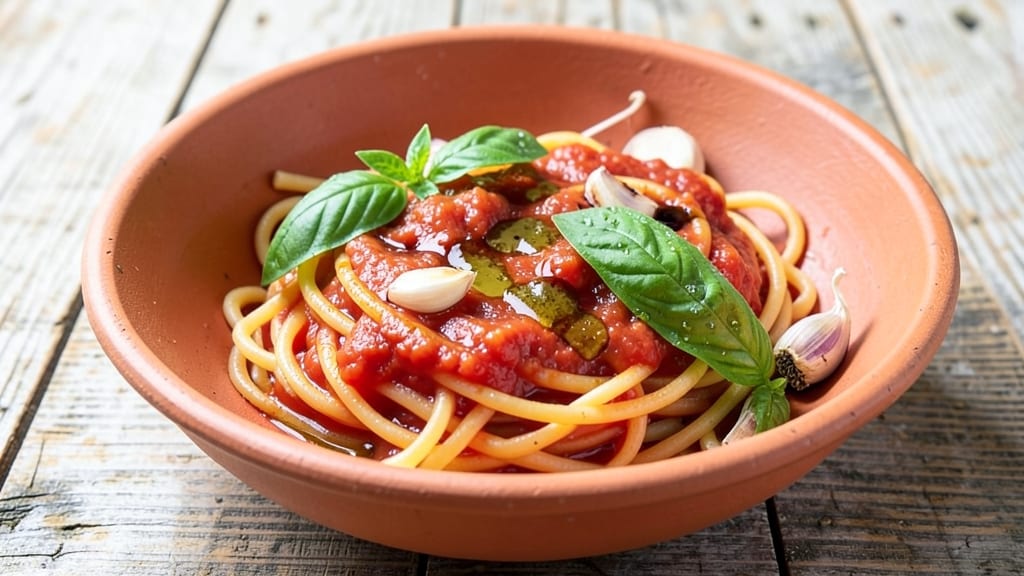
This authentic Italian red pasta sauce transforms simple ingredients into a velvety, deeply flavorful marinara that clings to every strand of pasta. 🌟 The secret lies in slow-simmering San Marzano tomatoes with garlic, olive oil, and fresh basil—no shortcuts, just time-honored technique that delivers restaurant-quality depth at home.
What sets this sauce apart is the balance of acidity and sweetness, achieved through careful reduction and the right ratio of aromatics. Unlike many quick versions, this recipe builds flavor gradually, allowing the tomatoes to break down into a rich, glossy consistency while preserving their natural sweetness.
The result? A sauce that's vibrant, aromatic, and complex enough to stand up to even the heartiest pasta.
By the time you twirl that first forkful, you'll taste the difference—no metallic aftertaste, no artificial brightness. Instead, you get a sauce that's authentic in every sense: rich from the tomatoes, bright from the basil, and perfectly balanced with just a touch of heat.
The best part? It tastes even better the next day, making it ideal for meal prep.
Whether you're serving it with spaghetti, tossing it into a baked ziti, or using it as a base for meatballs, this sauce delivers the kind of flavor that makes homemade cooking feel like a trip to Italy. Let's get started—your pasta is waiting.
Ingredients for authentic italian red pasta sauce
Nine simple ingredients, Italian tradition—this sauce delivers restaurant-quality depth at home.
| Ingredient | Amount | Notes |
|---|---|---|
| San Marzano Tomato Crushed Cans 🍅 | 28 oz | Whole peeled tomatoes, hand-crushed |
| Extra-Virgin Olive Oil 🫒 | ½ cup | Fruity, peppery variety preferred |
| Garlic Cloves 🧄 | 6 cloves | Fresh, thinly sliced |
| Fresh Basil Leaves 🌿 | 1 ½ cups | Packed, stems removed |
| Red Wine Vinegar 🍷 | 1 tbsp | For acidity balance |
| Granulated Sugar 🍚 | 1 tsp | To enhance tomato sweetness |
| Kosher Salt 🧂 | 1 ½ tsp | Diamond Crystal preferred |
| Freshly Ground Black Pepper 🌶️ | ½ tsp | Cracked peppercorns preferred |
| Dried Oregano 🍃 | ½ tsp | Italian or Mediterranean blend |
| Bay Leaves 🌿 | 2 whole | Fresh preferred, removed after cooking |
San Marzano tomatoes are non-negotiable here. Look for the canned variety at Italian markets or well-stocked grocery stores like Whole Foods—their natural sweetness and low acidity make all the difference. The garlic should be fresh and plump, not shriveled. For basil, farmers markets often have the freshest leaves, but the grocery store works if the stems are firm. The olive oil matters too—California avocado or Ligurian varieties add that fruity depth. If you're using dried oregano, Italian or Mediterranean blends (like Penzeys) capture that authentic flavor better than generic Mexican oregano.
No San Marzano tomatoes? High-quality crushed tomatoes like Muir Glen work in a pinch, but avoid brands with added salt or preservatives. Short on fresh basil? Dried basil at one-third the amount gets you close, though it lacks that bright freshness. Want more acidity? Swap red wine vinegar for white wine vinegar or even a splash of lemon juice. The sugar can be omitted if your tomatoes are particularly sweet, but brown sugar or honey (if not vegan) work too. For the garlic, garlic powder at half the amount is better than skipping it entirely—just toast it first in the oil to deepen the flavor.
This sauce tastes even better the next day as the flavors meld. Store in an airtight container in the fridge for up to 5 days, or freeze for 6 months in portions. For freezing, use glass jars or silicone molds—they handle the sauce's acidity better than plastic. Portion into 1-cup servings so you can grab exactly what you need for a meal. If you make a big batch, freeze half immediately—it's perfect for lazy weeknights or holiday gatherings.
Why You'll Love This Recipe
- No-Fuss Simplicity: I swear by this sauce because it’s the kind of recipe that doesn’t demand perfection—just crushed San Marzano tomatoes, a glug of olive oil, and garlic that sizzles in seconds. Honestly, I’ve made it while chatting on the phone, and it still tastes like I spent hours simmering.
- Sunshine in a Jar: That first bite of bright, tangy tomatoes balanced with a whisper of red wine vinegar? It’s the kind of flavor that makes you pause mid-chew. The basil, tossed in at the end, adds a freshness that feels like summer in a bowl—no fancy tricks, just real ingredients doing their thing.
- Weeknight to Weekend: This sauce works just as hard on a Tuesday as it does at a Sunday dinner. Toss it with spaghetti for a quick weeknight meal, or let it sit overnight for deeper flavor—it’s my go-to for potlucks, too, because it travels well and always gets raves.
- Budget Hero: Between us, San Marzano tomatoes and olive oil stretch farther than you’d think. A single can of tomatoes and a few cloves of garlic make enough sauce to feed four, and the vinegar adds that restaurant-quality tang without breaking the bank. Leftovers? They’re my secret weapon for lazy mornings.
Step-by-step instructions for authentic Italian red pasta sauce
Here's how to build a sauce that tastes like Nonna's kitchen—simple ingredients, slow technique, and that perfect balance of bright and deep flavors.
🍳 Step 1: Bloom the Aromatics in Olive Oil
Heat the 0.5 cup extra-virgin olive oil in a heavy-bottomed saucepan over medium-low heat. Add the 6 cloves sliced garlic and the 2 whole bay leaves, then cook for 3-4 minutes until the garlic turns a pale golden color but doesn't brown. This gentle cooking prevents bitterness and releases their natural sweetness.
Here's the thing—if you see the garlic darken, you've gone too far. Remove the pan from heat immediately and start over. The goal is to perfume the oil with garlic's aroma, not its harshness. This step is the foundation of your sauce's complexity.
🍳 Step 2: Add Tomatoes and Simmer Uninterrupted
Pour in the 28 oz San Marzano tomato crushed cans, stirring to combine with the garlic-infused oil. Add the 1 tbsp red wine vinegar, 1 tsp granulated sugar, 1.5 tsp kosher salt, and 0.5 tsp dried oregano. Bring to a gentle simmer over medium-low heat, then reduce heat to low and let it cook uncovered for 25-30 minutes.
This is where the magic happens. The sauce should reduce slowly, with small bubbles breaking the surface but no vigorous boiling. Stir occasionally to prevent sticking, but don't obsess—this sauce needs time to develop depth. You're looking for a thick, syrupy consistency that coats the back of a spoon.
🥘 Step 3: Finish with Fresh Basil and Pepper
Remove the 2 bay leaves and stir in the 1.5 cups fresh basil leaves (packed) and 0.5 tsp freshly ground black pepper. Simmer for another 5 minutes—just enough to wilt the basil and infuse its bright flavor. The basil should be completely incorporated, not floating on top.
Taste and adjust seasoning if needed. I usually add a pinch more salt or a splash of water if the sauce is too thick. The basil will make the sauce vibrant—this is the moment that matters. For the best texture, the sauce should be thick enough to cling to pasta but still coat a spoon smoothly.
⏰ Step 4: Rest Before Serving
Turn off the heat and let the sauce sit at room temperature for 10-15 minutes. This resting period allows the flavors to meld completely and the sauce to thicken further. I know it's tempting to toss it with pasta immediately, but patience here makes all the difference.
When you're ready to serve, gently reheat the sauce over low heat for 2-3 minutes—just enough to warm through without breaking down the texture. The sauce should be glossy, aromatic, and perfectly balanced between the sweetness of the tomatoes, the brightness of the basil, and the subtle acidity of the vinegar.
Pro Tips For Making Authentic Italian Red Pasta Sauce
- CRUSH GARLIC FIRST: Mince the garlic before heating the oil—it cooks faster and won’t burn into bitter bits. I learned this the hard way after my sauce tasted like a chemistry experiment. Just 3–4 cloves, crushed with the flat side of your knife, blend right in.
- SIMMER LOW AND LONG: Don’t rush the sauce—keep it at a gentle bubble for at least 20 minutes. The crushed San Marzano tomatoes need time to break down, and the acidity mellows out. If it’s too thick, add a splash of water, not wine (save that for deglazing).
- SALT THE TOMATOES: Toss the crushed tomatoes with ½ teaspoon of salt before cooking. It draws out moisture and balances the acidity, making the sauce richer. Skip this, and you’ll end up chasing flavor with extra salt later.
- FINISH WITH VINEGAR LAST: Stir in the red wine vinegar only at the very end—it brightens the sauce but can turn bitter if added too early. A teaspoon is enough; taste first. (Yes, even if you’re impatient like me.)
Common mistakes when making your authentic italian red pasta sauce
Overcooking the Tomatoes
One of the biggest mistakes is letting the sauce boil vigorously, which turns the tomatoes mushy and dull. I’ve ruined more sauces than I’d like to admit by cranking the heat too high—keep it at a gentle simmer (small bubbles, no splashing) the entire time.
If your sauce starts boiling hard, immediately reduce the heat to low and let it recover. The goal is to concentrate the flavors, not cook the life out of them. 🌡️
Skipping the Resting Time
I get it—you’re hungry, and that pasta looks delicious. But never skip the 10-15 minute rest after cooking. This step lets the sauce thicken naturally and the flavors meld. If you toss it with pasta too soon, the sauce will be watery and flavorless.
Think of it like letting a fine wine breathe—patience pays off. Trust me, your taste buds will thank you.
Using Low-Quality Tomatoes
Not all tomatoes are created equal. San Marzano tomatoes are non-negotiable for this sauce—their natural sweetness and low acidity are key. I’ve tried cheaper brands, and the results are noticeably flatter.
If you’re stuck without them, Muir Glen crushed tomatoes are a decent backup, but avoid anything with added salt or preservatives. Your sauce deserves the best ingredients.
Burning the Garlic
Garlic is delicate—once it browns, it turns bitter and ruins the sauce. I’ve learned this the hard way! Cook the garlic over medium-low heat for just 3-4 minutes until it’s golden but not dark.
If it starts to darken, remove the pan from heat immediately. The goal is to perfume the oil, not char the garlic. A little patience here goes a long way.
Adding Basil Too Early
Fresh basil is the star of this sauce, but adding it too soon can turn it bitter. Wait until the very end—just 5 minutes before serving—to stir in the basil. This ensures it stays bright and aromatic, not wilted and sad.
If you add it too early, you’ll end up with a sauce that tastes like you’re eating a basil smoothie. 🌿
Ignoring the Vinegar
The 1 tablespoon of red wine vinegar might seem like a small detail, but it’s crucial for balancing the sauce’s sweetness and acidity. Without it, the sauce can taste flat or one-dimensional.
I’ve made this mistake, and the difference is night and day. If you’re avoiding vinegar, a splash of lemon juice works in a pinch, but vinegar is the authentic choice.
Nutrition facts
Frequently asked questions
Can I make this sauce without fresh basil?
Yes, but the flavor will be different. Use 1/3 cup dried basil instead, added during the final 5 minutes of simmering. For extra brightness, add a pinch of red pepper flakes or a splash of white wine when you'd normally add the fresh basil. The sauce will still be delicious, just with a more earthy profile.
How do I adjust the thickness for different pasta dishes?
For spaghetti or linguine, keep the sauce slightly thinner—simmer uncovered for 25 minutes instead of 30. For lasagna or baked ziti, reduce it longer (35-40 minutes) or add 1 tablespoon tomato paste at the end. Always taste before serving—it should coat the back of a spoon but still flow freely.
What's the best way to reheat leftover sauce?
Gently reheat over low heat with a splash of water or pasta water—never high heat. For best results, simmer for 3-5 minutes while stirring occasionally. If the sauce thickens too much, thin it with a little water or broth. The key is to warm it through without breaking down the tomatoes or burning the basil.
Can I add meat to this sauce?
For a meat-based version, brown 1/2 lb ground beef or Italian sausage in olive oil before adding the tomatoes. Drain excess fat, then proceed with the recipe. For extra richness, add 1/4 cup red wine when browning the meat. This transforms it into a classic ragù style sauce perfect for lasagna or meatballs.
Why does my sauce taste bitter?
Bitterness usually comes from overcooked garlic or tomatoes. Check if your garlic browned too much—it should be golden, not dark. Also, avoid boiling the sauce vigorously—keep it at a gentle simmer. If it's still bitter, balance it with 1/2 teaspoon sugar or a splash of lemon juice at the end. Fresh basil can also mask bitterness when added properly.