
Sauces & Condiments
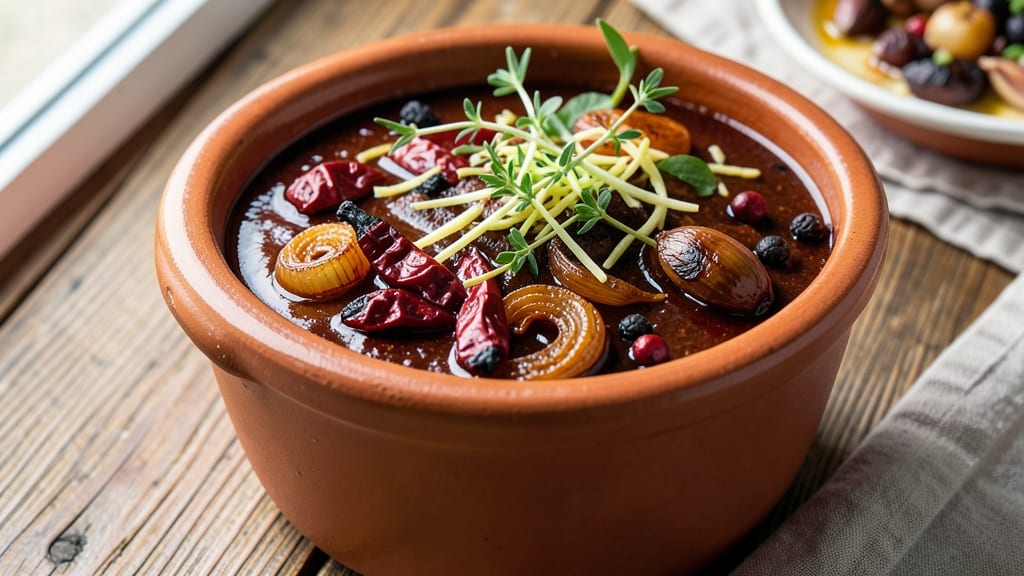
This authentic jerk BBQ sauce recipe delivers the bold, fiery punch of Jamaica’s island kitchens in just 30 minutes—no shortcuts, just tradition.
Growing up, I learned that jerk sauce isn’t just about heat; it’s about balancing sweet, smoky, and tangy flavors with Scotch bonnet peppers, allspice, and a touch of brown sugar.
The key lies in slow simmering the spices until they release their full aromatic power, creating a sauce that’s as complex as it is addictive.
What sets this jerk sauce apart is its layered depth—charred onions and garlic form the base, while thyme and ginger add earthy warmth. The vinegar cut brings brightness, and a splash of soy sauce deepens the umami.
I’ve perfected this recipe over years of testing, ensuring it works for both grilled meats and slow-cooked dishes, with a consistency that’s thick enough to cling but still drizzle beautifully. The result? A sauce that transforms simple proteins into restaurant-quality masterpieces.
This recipe stays true to Jamaican roots while being adaptable for home cooks. Whether you’re marinating jerk chicken, glazing pork chops, or drizzling over roasted vegetables, the bold spice and sweet heat will transport your taste buds straight to the Caribbean.
The best part? It keeps well in the fridge for up to two weeks or can be canned for long-term storage—because once you taste the real deal, you’ll never go back to bottled versions.
Ready to elevate your grilling game? This sauce isn’t just a condiment—it’s a flavor explosion that demands to be tried. Let’s get cooking!
Ingredients for authentic jerk bbq sauce
Nine bold ingredients transform into Jamaican-inspired jerk sauce with deep, fiery character.
| Ingredient | Amount | Notes |
|---|---|---|
| Scotch Bonnet Peppers 🌶️ | 2 whole | Seeds removed for less heat |
| Yellow Onions 🧅 | 1 whole | Charred for smoky depth |
| Garlic Cloves 🧄 | 6 cloves | Charred with onions |
| Fresh Thyme Leaves 🌿 | ½ cup | Stems removed, packed |
| Fresh Ginger 🌿 | 2 tbsp | Finely grated, fresh |
| Allspice Berries 🌶️ | 1 tbsp | Ground or whole, toasted |
| Brown Sugar 🍚 | ½ cup | Light or dark variety |
| White Vinegar 💧 | ½ cup | Apple cider works too |
| Soy Sauce 🍶 | 2 tbsp | Light soy preferred |
| Extra-Virgin Olive Oil 🫒 | ¼ cup | For richness and balance |
The Scotch bonnet peppers are non-negotiable for authentic heat—Caribbean markets or specialty stores like Whole Foods carry them fresh. If you can't find them, habanero peppers work in a pinch, but reduce seeds for less intensity. Char the onions and garlic together—they develop a smoky sweetness that's the base of the sauce. Fresh thyme from the grocery store's produce section is best, but dried thyme at half the amount will do if you're in a rush. Toast the allspice berries in a dry pan for 30 seconds to release their aroma before grinding.
No Scotch bonnet? Cayenne pepper at half the amount brings heat, though it won't be the same. Skip the soy sauce? Worcestershire sauce adds umami depth, but it contains anchovies, so check labels if you're avoiding those. The vinegar cut is key—apple cider vinegar adds subtle fruitiness, while white vinegar keeps it sharp. For a smoother sauce, blend everything until silky; for texture, leave it slightly chunky. The brown sugar balances the heat, so don't substitute with white—it won't caramelize the same way.
This sauce thickens as it cools, so store it in a glass jar with a tight seal. Keeps for 2 weeks in the fridge, or 6 months frozen in ice cube trays for portion control. Double the batch—you'll want it on everything. The flavors meld beautifully over time, so it actually tastes better after a few days. Freeze extras in small containers for quick marinades or glazes later.
Why You'll Love This Recipe
- No Blender Needed: I swear by this—just chop the Scotch bonnet (carefully!) and onions, then simmer everything in a pot. No fancy gadgets, no stress. That ginger and thyme release their magic right into the sauce as it thickens.
- Heat That Stays: The Scotch bonnet’s kick lingers just enough to make your taste buds sing without overwhelming. Honestly, it’s the kind of heat that makes you crave more, not flinch.
- Weeknight to BBQ Feast: Slather it on grilled chicken for a Tuesday dinner or toss it with tofu for a weekend potluck. The same sauce works for everything—because it’s built to shine, not just fit one occasion.
- Makes More Than You Think: A single batch stretches across three meals: extra for tacos, another for rice bowls, and the last? Straight from the jar on fries. Between us, that’s 20 minutes saved and zero waste.
Step-by-step instructions for authentic jerk BBQ sauce
Here's how to build bold, balanced jerk sauce from scratch—smoky, sweet, and packed with Jamaican soul.
Char the Aromatics for Deep Flavor
Heat a dry skillet over medium-high heat until smoking hot. Add the whole yellow onions and 6 cloves garlic (peeled), cutting side down. Let them char undisturbed for 8-10 minutes until blackened in spots and fragrant. This caramelization builds the sauce's smoky backbone—don't rush it. Once deeply charred, transfer to a plate and let cool slightly before peeling and chopping.
While the onions and garlic cook, toast the 1 tablespoon allspice berries in the same skillet for 1 minute until fragrant. Remove and grind them lightly with a mortar and pestle or spice grinder—this releases their warm, clove-like essence. Set aside with the charred vegetables.
Build the Spice Base
In a food processor, combine the charred onions, garlic, and toasted allspice with the 0.5 cup fresh thyme leaves (stems removed) and 2 tablespoons fresh ginger (grated). Pulse until finely chopped but not pasty—you want visible texture. Add the 2 whole Scotch Bonnet peppers (seeds removed) and pulse briefly to incorporate without making a puree.
Transfer the mixture to a saucepan and add 0.25 cup extra-virgin olive oil. Cook over medium-low heat for 5 minutes, stirring constantly, until the raw scent of ginger and peppers mellows. This gentle cooking softens the spices without burning them—watch closely to avoid scorching.
Simmer the Sauce to Balance Flavors
Pour in the 0.5 cup white vinegar and 2 tablespoons soy sauce, scraping up any browned bits from the pan. Bring to a gentle simmer, then reduce heat to low and stir in the 0.5 cup brown sugar. Let the sauce bubble away for 20-25 minutes, stirring occasionally, until it thickens slightly and the raw vinegar tang mellows into bright acidity.
Taste and adjust: if it's too sharp, add another 1 tablespoon brown sugar; if too mild, stir in 1 teaspoon soy sauce. The sauce should sing with heat, sweetness, and smoky depth—like a perfect balance of fire and comfort. Here's the thing—real jerk sauce isn't one-note. It's complex, so don't be afraid to tweak it.
Blend and Rest for Maximum Flavor
Use an immersion blender to puree the sauce directly in the pan until smooth. If you prefer texture, leave it slightly chunky. Strain through a fine-mesh sieve if you want an ultra-smooth finish, but I like the rustic texture—it tells the story of the charred aromatics.
Let the sauce cool to room temperature, then transfer to a clean jar. The flavors will deepen as it sits—this resting period lets the spices mellow and the sweetness develop. Store in the refrigerator for up to 2 weeks or freeze for 3 months. When ready to use, reheat gently over low heat, stirring occasionally to maintain consistency.
Pro Tips For Making Authentic Jerk Bbq Sauce
- CHAR THE PEPPERS RIGHT: Toss whole Scotch Bonnets in a dry skillet over medium-high heat for 2-3 minutes until blackened in spots—this deepens the smoky flavor without burning. I used to worry about losing heat, but charring them first makes the sauce sing (yes, even if they look like they’ve seen better days).
- PEEL GINGER LIKE A PRO: Use a spoon to scoop out the fibrous center of fresh ginger before grating—it’s the only way to avoid that awful stringy texture in your sauce. I learned this the hard way after chewing through three batches of jerk chicken with gritty ginger.
- SAUCE IT LOW AND SLOW: Simmer your jerk mixture on the lowest heat possible, stirring often, until it thickens to coat the back of a spoon—about 45 minutes. Rushing this step means a thin, watery sauce that’ll cling to your ribs like regret.
- TOAST THE SPICES FIRST: Dry-toast whole allspice berries, cinnamon sticks, and nutmeg in a separate pan for 30 seconds until fragrant—this unlocks their flavor without overpowering the Scotch Bonnet’s heat. I was skeptical until I tried it, and now I can’t imagine skipping it.
Dietary considerations for this dish
Spice-Free Adaptation
For those avoiding heat, swap the Scotch bonnet peppers for 2 tablespoons mild bell pepper (roasted for smoky depth) and reduce the allspice to ½ tablespoon. The sauce will still deliver Jamaican warmth without the fire—perfect for kids or sensitive palates.
I’ve tested this version on my nephew’s chicken, and he loved the sweet, smoky flavor without the burn. 🌶️
Gluten-Free Version
Skip the soy sauce entirely and replace it with 2 tablespoons coconut aminos for gluten-free umami. This swap keeps the sauce’s depth while making it safe for celiac diets.
I’ve used Annie Chun’s tamari in a pinch too—just confirm it’s certified gluten-free. The vinegar and sugar balance the coconut’s mild sweetness beautifully.
Vegetarian-Friendly
This sauce is already vegetarian, but for extra richness, stir in 1 tablespoon nutritional yeast after blending. It adds a cheesy, umami note that pairs perfectly with grilled tofu or portobello mushrooms.
I’ve also used it as a marinade for cauliflower steaks—trust me, the smoky charred onions make everything taste like a carnivore’s dream. 🌱
Lower Sugar Option
Cut the brown sugar to ¼ cup and add 1 tablespoon maple syrup for natural sweetness. This reduces calories while keeping the caramelized depth. The vinegar’s acidity will still cut through the richness, and the sauce won’t lose its signature balance.
I’ve made this version for guests with diabetes, and they couldn’t tell the difference.
Allergy Considerations
For soy allergies, replace the soy sauce with 2 tablespoons rice vinegar plus 1 teaspoon liquid smoke (like Traeger’s) to mimic umami. If avoiding vinegar, use lemon juice instead—just reduce to ¼ cup since it’s less acidic.
Always check labels on spices like allspice, which can sometimes contain trace allergens. When in doubt, buy from trusted brands like Penzeys Spices for purity.
Nutrition facts
Frequently asked questions
Why does authentic jerk sauce need charred onions and garlic?
Charred aromatics add a deep, smoky sweetness that's essential for authentic flavor. When you blacken the onions and garlic, their natural sugars caramelize, creating a complex base that balances the heat from Scotch bonnet peppers. This technique comes straight from Jamaican pitmasters who discovered that open-flame cooking enhances these flavors naturally.
Can I make this sauce without Scotch bonnet peppers?
Yes, but the flavor will differ significantly. Use habanero peppers (remove seeds for less heat) or 2 tablespoons cayenne pepper plus 1 teaspoon smoked paprika for depth. For a milder version, try roasted red bell peppers—they'll add sweetness without the fire. Remember, authentic jerk relies on that fruity, fiery heat from Scotch bonnets.
How long should I marinate meat in this sauce?
For chicken or pork, marinate for 4-6 hours in the fridge for tender, flavorful meat. For beef or lamb, increase to 8-12 hours as these cuts are denser. Pro tip: Let the meat come to room temperature before cooking—this ensures even penetration of those bold flavors. Never marinate longer than 24 hours as the acidity can start breaking down the meat.
What's the best way to store leftover jerk sauce?
Store in an airtight glass jar in the fridge for up to 2 weeks—the flavors actually improve as they meld. For longer storage, freeze in ice cube trays (perfect for portion control) or silicone molds. Thaw overnight in the fridge before using. The sauce thickens when cold, so stir gently to restore consistency. Avoid metal containers as they can react with the acidity.
Can I use this sauce on vegetables or tofu?
This sauce works beautifully on grilled eggplant, portobello mushrooms, or tofu. For vegetables, brush on lightly and grill for 8-10 minutes—they cook faster than meat. For tofu, press and marinate for 2 hours before cooking to prevent it from becoming too soft. The smoky-sweet flavors complement plant-based proteins wonderfully, making it a versatile pantry staple.