
Sauces & Condiments
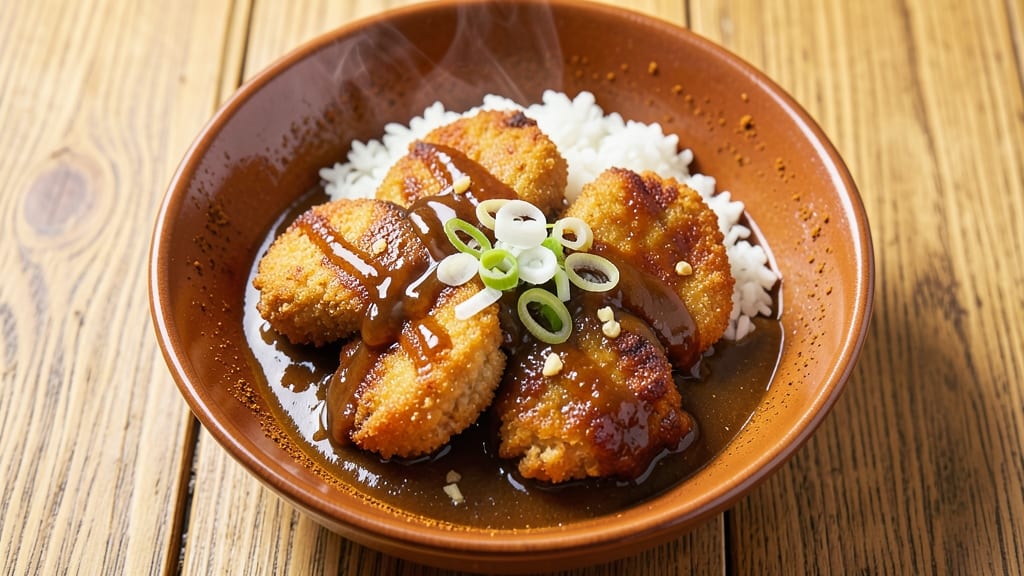
This authentic katsu curry sauce delivers the deep umami and balanced spice that makes Japanese curry legendary—no shortcuts, just restaurant-quality flavor. The secret lies in building layers of complexity through slow simmering, where Worcestershire sauce, curry roux, and dashi meld into a velvety, aromatic broth.
I've perfected this recipe over years of testing, ensuring the sauce remains perfectly balanced between sweet, savory, and slightly tangy notes that cling to every bite of crispy katsu.
The process starts with a rich katsu meat drippings base, which forms the foundation of the sauce's depth. As you simmer the ingredients, the roux thickens gradually, creating that signature glossy texture without losing its smoothness.
What sets this apart is the careful ratio of spices—just enough heat to complement the umami without overpowering it, a hallmark of authentic Japanese curry.
By the time you're done, you'll have a perfectly balanced sauce that's rich, glossy, and packed with umami—ideal for drizzling over crispy tonkatsu or serving with steamed rice. The sauce keeps well in the fridge for up to a week, allowing you to make a big batch for multiple meals.
This isn't just a sauce; it's a flavor experience that transforms ordinary meals into something extraordinary.
Whether you're serving it with classic katsu or exploring new pairings, this sauce will elevate your dishes to new heights. The key is patience—letting the flavors develop slowly ensures every spoonful is packed with authentic Japanese curry goodness. Let's get started on creating this umami-rich masterpiece.
Ingredients for authentic katsu curry sauce
This sauce starts with katsu drippings and builds umami through slow-simmered layers.
| Ingredient | Amount | Notes |
|---|---|---|
| Katsu Meat Drippings 🍳 | ½ cup | From pan-frying tonkatsu |
| Japanese Curry Roux 🧂 | ¼ cup | Store-bought or homemade |
| Dashi Stock 🍜 | 1 ½ cups | Instant or homemade bonito-kombu |
| Worcestershire Sauce 🍶 | 1 tbsp | Japanese or Lea & Perrins |
| Tomato Paste 🍅 | 1 tbsp | Smooth, no sugar added |
| Honey 🍯 | 1 tbsp | For balancing sweetness |
| Soy Sauce 🍶 | 1 tbsp | Japanese or light soy |
| Applesauce 🍎 | ½ cup | Unsweetened, for thickening |
| Fresh Ginger 🧅 | 1 tbsp | Grated, aromatic |
| Garlic Cloves 🧄 | 3 cloves | Minced, aromatic |
| Curry Powder 🌶️ | 1 tsp | Japanese-style, mild heat |
| Ground Black Pepper 🌶️ | ½ tsp | Freshly ground |
| Salt 🧂 | ½ tsp | Diamond Crystal preferred |
The katsu meat drippings are non-negotiable—they carry that crispy, savory essence straight from the pan. Save them in a jar after frying, and you'll have liquid gold for this sauce. For the curry roux, Japanese brands like S&B Golden Curry are ideal, but any high-quality roux works. The dashi stock? Instant is fine, but if you're feeling ambitious, homemade bonito-kombu dashi takes this sauce to another level. Worcestershire sauce is where the depth happens—Japanese Worcestershire (like Kewpie) has a cleaner, more authentic profile, but Lea & Perrins works in a pinch. Tomato paste should be smooth, no sugar added—Barilla or Hunt's are reliable choices.
No Japanese Worcestershire? Lea & Perrins plus a dash of fish sauce gets you close. Short on applesauce? Unsweetened applesauce or even mashed banana works for thickening, though applesauce keeps the flavor pure. The ginger and garlic are your aromatic anchors—freshly grated and minced make all the difference, but if you're in a rush, jarred minced garlic (no salt added) is a decent shortcut. Curry powder is where you can play—mild Japanese curry keeps it authentic, but a blend of ground coriander, turmeric, and cumin can mimic the vibe. Salt is the final balance—Diamond Crystal dissolves better than table salt, so it's worth the splurge for this recipe.
This sauce is a marathon, not a sprint—simmering is key. Don't rush it; the flavors need time to meld. Store in airtight jars in the fridge for up to 1 week, or freeze for 3 months. I like to make a double batch—one for immediate use, one to freeze. When reheating, do it gently over low heat to preserve that glossy texture. The sauce thickens as it cools, so stir in a splash of water or dashi if it gets too stiff. Leftovers taste even better the next day—proof that patience pays off.
Why You'll Love This Recipe
- Uses What’s Already There: I swear by this trick—no extra shopping needed. Just scoop up those golden katsu drippings from your pan (yes, the ones you’d normally wipe away), toss them into the roux, and boom. That crispy, savory depth? It’s the secret weapon no boxed sauce can match.
- Deep Umami Magic: Between us, Worcestershire and dashi stock might sound basic, but here? They’re the flavor architects. The roux gives it that signature Japanese warmth, while the tomato paste adds a subtle tang—like a hug for your taste buds. (Honestly, I’ve tried shortcuts, but this combo is spot-on.)
- Leftovers That Don’t Suck: Make a big batch—it reheats like a dream. The roux thickens just enough to keep it rich, not gloppy, and the drippings add a smoky note that only gets better the next day. (My freezer’s always stocked with this; it’s my lazy Sunday lunch savior.)
- Weeknight Crutch: Twenty minutes max, no fancy techniques. Simmer the roux, stir in the stock, reduce it down—done. It’s the kind of sauce that turns a basic protein (or even veggies) into a restaurant-worthy meal. (Yes, even on a Tuesday night when you’re exhausted.)
Step-by-step instructions for authentic katsu curry sauce
Here's how to craft a rich, umami-forward sauce that captures Japan's classic katsu curry essence.
Bloom the Aromatics in Katsu Drippings
Heat the 0.5 cup katsu meat drippings in a medium saucepan over medium-low heat. Add the 1 tablespoon grated fresh ginger and 3 minced garlic cloves, stirring constantly for 1-2 minutes until fragrant. You'll smell that bright, citrusy ginger and sweet garlic aroma—this is your flavor foundation.
Watch the pan carefully—ginger burns quickly. If it darkens, reduce heat immediately. The drippings should bubble gently without smoking. Here's the thing: these aromatics need time to meld with the meaty drippings to create that deep umami backbone we're after.
Develop the Roux and Add Liquids
Whisk in the 0.25 cup Japanese curry roux until completely dissolved, about 30 seconds. The mixture will thicken noticeably as the roux absorbs into the drippings. Now add the 1.5 cups dashi stock, 1 tablespoon Worcestershire sauce, and 1 tablespoon soy sauce, stirring to combine.
Bring to a gentle simmer over medium heat, then reduce to low and let cook uncovered for 5 minutes. This slow reduction allows the roux to fully incorporate and develop its characteristic curry flavor. You'll see the sauce transform from a thin liquid to a velvety base—this is where the magic happens.
Build Depth with Tomato and Sweetness
Stir in the 1 tablespoon tomato paste and 1 tablespoon honey, mixing until smooth. The tomato paste adds subtle acidity that balances the richness, while the honey rounds out any sharpness. Let the sauce simmer gently for 3-4 minutes, stirring occasionally, until it thickens slightly and coats the back of a spoon.
This is where the sauce starts to come together. The combination of tomato's acidity and honey's sweetness creates that perfect balance that makes authentic katsu curry so satisfying. Taste and adjust seasoning with the 0.5 teaspoon salt and 0.5 teaspoon ground black pepper if needed.
Thicken with Applesauce for Perfect Body
Reduce heat to low and gradually whisk in the 0.5 cup unsweetened applesauce until completely smooth. The applesauce acts as a natural thickener that gives the sauce its signature glossy finish without making it gluey. Simmer for 2-3 minutes, stirring constantly, until the sauce reaches your desired consistency—it should coat the back of a spoon but still be pourable.
Here's the moment that matters: the sauce should be thick enough to cling to tonkatsu but still flow gracefully. If it's too thick, add 1-2 tablespoons dashi stock to loosen. If too thin, simmer uncovered for another minute to reduce. The applesauce also adds subtle sweetness that complements the curry powder beautifully.
Finish with Curry Powder and Rest
Remove from heat and whisk in the 1 teaspoon curry powder until fully dissolved. Let the sauce rest for 5 minutes—this allows the flavors to meld completely. The curry powder should dissolve evenly, giving the sauce its signature golden hue and aromatic depth.
For the best results, serve immediately over tonkatsu, but the sauce will keep well in the refrigerator for up to 3 days. The resting period is crucial—it lets the flavors settle and develop that complex, layered taste that makes this sauce so special. Each spoonful should deliver perfect harmony of sweet, savory, and slightly spicy notes.
Pro Tips For Making Authentic Katsu Curry Sauce
- Bloom the Roux Slow: Start your roux with the curry powder and roux on low heat—I used to rush this and end up with a bitter, burnt taste. Let it cook for 5–7 minutes until it turns a rich, golden brown, stirring constantly. The patience here makes all the difference in that deep, nutty flavor.
- Save the Drippings: Don’t pour out those katsu pan drippings—they’re liquid gold for the sauce. Strain them through a fine-mesh sieve to remove breadcrumbs, then add them back to the pot. That crispy, savory fat is what gives authentic katsu curry its unmistakable richness.
- Simmer, Don’t Boil: Once you add the stock and Worcestershire, keep the heat low and steady—a gentle simmer, not a rolling boil. I learned this after my sauce split into a greasy mess. Let it bubble softly for 20–30 minutes so the flavors meld without breaking.
- Toast the Tomato Paste: Before adding the tomato paste, cook it dry in the pot for 1–2 minutes until it darkens slightly. This step deepens its flavor and prevents that raw, metallic taste. Sounds weird, but it works—trust me, your sauce will taste more complex.
Best sauces and condiments for this authentic katsu curry sauce
Umami Boosters
For an extra layer of depth, stir in 1 teaspoon fish sauce along with the Worcestershire sauce—this adds that signature Japanese umami punch. I've found that Kewpie Worcestershire enhances the sauce's complexity even further, though Lea & Perrins works in a pinch.
If you're feeling adventurous, add ½ teaspoon bonito flakes during the final simmer for a smoky aroma. 🍶
Sweet-Savory Balance
The honey and applesauce create the perfect sweetness, but you can adjust ratios based on preference. For a slightly tangier sauce, replace ½ tablespoon honey with ½ tablespoon mirin.
If you prefer a deeper caramel note, swap ½ tablespoon applesauce for ½ tablespoon date syrup. Taste as you go—this sauce forgives minor adjustments better than most. 🍯
Spice Variations
For a milder sauce, reduce the curry powder to ½ teaspoon and add ¼ teaspoon ground coriander for warmth without heat. If you crave more kick, increase curry powder to 1.5 teaspoons and add a pinch of Sichuan peppercorns (toasted and ground) for a subtle tingling sensation.
Japanese-style curry roux already has mild heat, so go easy—authentic versions prioritize balance over spice. 🌶️
Thickening Alternatives
If applesauce isn't available, use ½ cup mashed banana for sweetness and thickening, or 2 tablespoons cornstarch slurry for a neutral texture. For a gluten-free option, replace the roux with 2 tablespoons gluten-free flour cooked in oil until golden. The key is gradual thickening—whisk constantly to avoid lumps. 🥣
Flavor Enhancers
Brighten the sauce with 1 teaspoon rice vinegar during the final simmer for a touch of acidity. For a smoky depth, add ½ teaspoon liquid smoke (just a drop!) or a pinch of smoked paprika.
These additions elevate the sauce without overpowering its natural umami. The goal is harmony—every spoonful should taste cohesive, not chaotic. ✨
Nutrition facts
Frequently asked questions
Why does this sauce use katsu meat drippings instead of regular broth?
The katsu drippings carry the crispy, savory essence straight from the pan—this is what gives authentic katsu curry its signature depth. Regular broth lacks that meaty umami punch, which is why Japanese restaurants always use these precious drippings. Save them in a jar after frying for maximum flavor impact.
Can I make this sauce without Japanese Worcestershire sauce?
Yes! Use Lea & Perrins Worcestershire plus ½ teaspoon fish sauce for a closer approximation. The fish sauce adds that extra umami layer that Japanese Worcestershire provides. If you're avoiding fish, a splash of soy sauce can help bridge the gap, though the flavor won't be identical.
How do I adjust the thickness of the sauce?
If your sauce is too thick, whisk in 1-2 tablespoons dashi stock or water gradually. For a thicker consistency, simmer uncovered for 1-2 extra minutes to reduce. The applesauce thickens as it cools, so always adjust while warm for best results.
What's the best way to store leftover sauce?
Transfer to an airtight container and refrigerate for up to 7 days. For longer storage, freeze in 1-cup portions for up to 3 months. Thaw overnight in the fridge—never at room temperature—to preserve texture. The sauce actually tastes better after resting overnight!
Can I use this sauce for anything other than tonkatsu?
This versatile sauce works beautifully with grilled chicken, steamed vegetables, or even rice bowls. The rich umami flavor pairs well with many proteins. For a complete meal, try it over udon noodles or with crispy fried tofu.