
Sauces & Condiments
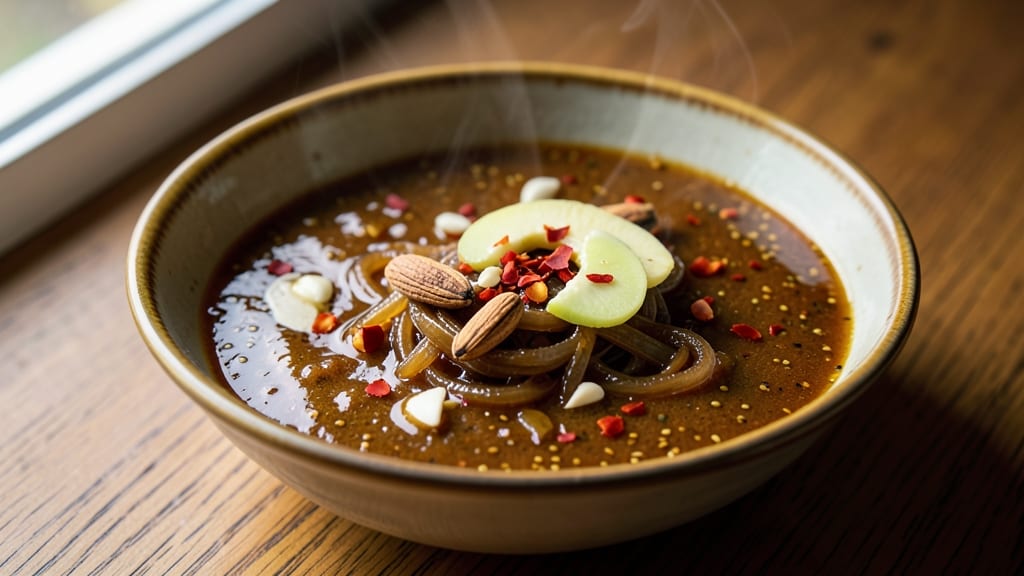
This authentic masala sauce recipe transforms simple ingredients into a fragrant, spiced tomato base that forms the heart of countless Indian dishes. The secret lies in slow-cooked spices—cumin, cardamom, and cinnamon—that infuse the sauce with deep, aromatic warmth without overpowering the natural sweetness of tomatoes.
I developed this version after years of testing, ensuring it delivers the rich, balanced flavor of restaurant-quality curries at home.
The sauce begins with whole spices toasted in ghee until fragrant, then simmered with onions, garlic, and ginger to build layers of flavor. Tomatoes are added next, breaking down into a velvety consistency that coats proteins beautifully.
A splash of yogurt at the end adds tangy brightness, balancing the richness while keeping the sauce versatile for everything from biryani to grilled meats.
What sets this apart is its authentic depth—no shortcuts, just time and technique. The spices aren’t ground into powder; they’re toasted whole to release their oils gradually, creating a complex, layered taste that store-bought versions can’t match.
The result is a sauce that’s equally at home as a marinade, a curry base, or even a dip for naan.
Store it in the fridge for up to a week or freeze for months, making it the perfect pantry staple for weeknight cooking. Let’s get started—your taste buds will thank you.
Ingredients for authentic masala sauce
Eleven ingredients, each playing a precise role in building restaurant-quality masala depth.
| Ingredient | Amount | Notes |
|---|---|---|
| Ghee 🧈 | ½ cup | Clarified butter for authentic flavor |
| Yellow Onions 🧅 | 2 whole | Finely chopped for even cooking |
| Garlic Cloves 🧄 | 6 cloves | Minced for aromatic depth |
| Fresh Ginger 🌿 | 1 inch | Peeled, finely grated |
| Cumin Seeds 🌶️ | 1 tbsp | Whole seeds for toasting |
| Cardamom Pods 🌿 | 6 whole | Lightly crushed for aroma |
| Cinnamon Sticks 🌿 | 2 whole | Broken into small pieces |
| Black Peppercorns 🌶️ | ½ tsp | Crushed for subtle heat |
| Ripe Tomatoes 🍅 | 2 lb | Peeled and chopped (or 4 cans crushed) |
| Plain Yogurt 🥛 | ¼ cup | Whisked smooth for tang |
| Salt 🧂 | 1 ½ tsp | Diamond Crystal preferred |
The spices are non-negotiable here—whole cumin, cardamom, and cinnamon toasted in ghee until fragrant create the authentic aromatic base that powdered blends can't replicate. Penzeys Spices or the bulk bins at Whole Foods are ideal for quality, but even the grocery store's organic section works if you're careful to check the 'best by' dates. The tomatoes should be ripe but firm; San Marzano canned tomatoes are perfect for convenience, but fresh is worth the effort if you're making a big batch. For the ginger, look for fresh, plump rhizomes with smooth skin—no wrinkles or soft spots.
No cardamom pods? Ground cardamom at half the weight works in a pinch, though it lacks the layered complexity. Running short on ghee? Butter or neutral oil will do, but the flavor won't be quite as authentic. The yogurt adds crucial tang—Greek yogurt works best for thickness, but regular plain yogurt thinned with water can substitute. For the tomatoes, sun-dried tomatoes rehydrated in warm water add concentrated sweetness if you want to experiment. The onions should be finely chopped; a food processor gives even results, but a sharp knife takes just as long and gives better texture control.
This sauce develops better with time—24 hours in the fridge lets the flavors meld completely. Store in an airtight container with a thin layer of oil on top to preserve freshness for up to 1 week. For longer storage, freeze in ice cube trays; thaw overnight in the fridge and stir before using. The sauce thickens as it cools, so add a splash of water or yogurt if it becomes too stiff after reheating. Portion into jars for easy use in curries, marinades, or as a dip—one batch will disappear faster than you think
Why You'll Love This Recipe
- Ghee Magic Simmer: I swear by that first sizzle of ghee—it transforms onions into sweet, caramelized gold in minutes. No fancy techniques, just patience and a low flame. Honestly, the aroma alone makes me pause mid-chop.
- Layered Depth: The cumin seeds pop first, then the garlic and ginger melt into the onions until they’re almost indistinguishable—just pure, warm flavor. That’s when you know you’ve got it right: rich, complex, and way more satisfying than store-bought.
- Weeknight Workhorse: Drizzle it over roti, toss with dal, or slather it on grilled chicken—it’s my go-to for lazy nights. (Yes, even on a Tuesday when takeout feels impossible.) The best part? It keeps its magic for days in the fridge.
- Budget-Friendly Luxury: A handful of spices and a stick of ghee stretch to feed four. I’ll be real: my grocery bill thanks me every time. Plus, the leftovers taste just as good reheated as they do fresh.
Step-by-step instructions for authentic masala sauce
This method delivers restaurant-quality depth with proper spice blooming and slow reduction.
Bloom the Whole Spices in Ghee
Heat the 0.5 cup ghee in a heavy-bottomed pot over medium-low heat until it shimmers but doesn't smoke. Add the 1 tablespoon cumin seeds and let them sizzle for 30 seconds until they turn golden brown and release their aroma.
Add the 6 whole cardamom pods and 2 whole cinnamon sticks, stirring constantly for 1 minute until the spices begin to darken slightly. This blooming process unlocks their essential oils, creating the aromatic foundation of your sauce. Watch carefully—the spices should smell rich and toasty, not burnt.
Sauté Aromatics Until Fragrant
Add the 2 whole yellow onions, chopped, and cook for 8-10 minutes until softened and golden brown at the edges. Stir occasionally to prevent burning. The onions should caramelize slightly, deepening the sauce's flavor profile.
Add the 6 cloves garlic cloves, minced, and the 1 inch fresh ginger, grated, stirring for 1-2 minutes until the raw garlic smell disappears. The ginger should become translucent and the garlic should turn golden. This step builds the sauce's complex aromatic base that defines authentic masala.
Toast the Black Peppercorns
Add the 0.5 teaspoon black peppercorns and cook for 30 seconds until they darken slightly and release their pungent aroma. This brief toasting enhances their flavor without making them bitter. Remove the pot from heat for 1 minute to allow the spices to infuse the ghee.
Return the pot to medium heat and add the 2 pounds ripe tomatoes, chopped. Cook for 10-12 minutes until the tomatoes break down into a thick, chunky consistency. The sauce should reduce significantly, concentrating the flavors while maintaining a vibrant tomato base.
Season and Simmer
Add the 1.5 teaspoons salt and stir well to dissolve. The sauce should taste properly seasoned at this stage—adjust if needed. Simmer uncovered for 15-20 minutes until the sauce thickens to your desired consistency, stirring occasionally to prevent sticking.
For a smoother texture, press the sauce through a fine-mesh sieve. If you prefer a slightly textured sauce, simply blend it briefly with an immersion blender. The sauce should coat the back of a spoon and have a rich, spiced tomato depth with visible flecks of spices.
Finish with Yogurt
Remove the pot from heat and stir in the 0.25 cup plain yogurt until fully incorporated. The yogurt adds a cooling contrast to the warm spices and creates a velvety texture. Let the sauce sit for 5 minutes to allow the flavors to meld completely.
Taste and adjust seasoning if needed. This authentic masala sauce should have balanced heat, sweetness from the tomatoes, and aromatic complexity from the carefully bloomed spices. Serve immediately over rice, with grilled meats, or as a base for curries.
Pro Tips For Making Authentic Masala Sauce
- Bloom Your Onions Slow: I learned this the hard way—rushing the onions in ghee turns them bitter instead of sweet. Cook them on medium-low until they’re deep golden, almost caramelized (10-12 minutes), stirring occasionally. The longer they sit, the deeper the flavor, and that’s the foundation of your sauce.
- Toast Cumin Until It Pops: Crank the heat to medium-high and watch those cumin seeds dance—they should sizzle and release their aroma before you add onions. If you skip this, the sauce will taste flat. Let them darken slightly (about 30 seconds), then immediately toss in the onions to lock in that nutty punch.
- Grate Ginger Like a Pro: Skip the blender—fresh ginger needs to be finely grated (not minced) to dissolve properly into the sauce. Use the small holes of a box grater or a microplane, then let it sit in the ghee for 1-2 minutes before stirring. This extracts the spice without bitterness, and it’s the thing that matters most for that authentic kick.
- Save the Ghee, Save the Flavor: Don’t drain the ghee after blooming onions and spices—it’s liquid gold. The residual oil carries the toasted flavors into your sauce, making it richer. If you’re worried about excess oil, skim it off at the end, but leave at least 1 tablespoon in the pot. (Yes, even if you’re impatient like me.)
Creative variations of authentic masala sauce
Regional Variations
In Hyderabadi cuisine, this masala sauce gets a smoky twist with charred onions and a touch of kashmiri chili powder for vibrant color. I like adding 1 tsp of ajwain (carom seeds) while blooming the spices for a distinct earthy note.
The yogurt is often replaced with hanging curd for a thicker, tangier finish. 🌶️
For a Punjabi-style version, swap cardamom for 1 tsp ground fennel seeds and add 1 tsp garam masala at the end. The sauce becomes richer and slightly sweeter, perfect for tandoori chicken or dal makhani. Fresh cream instead of yogurt creates a luxurious texture.
Spice-Forward Adaptations
Craving heat? Add 1 tbsp of gochugaru (Korean chili flakes) or 1 tsp of cayenne when simmering the tomatoes. For smoky depth, include 2 dried Kashmiri chilies while toasting the spices.
I’ve found that 1 tsp of smoked paprika blended into the yogurt adds a subtle, complex dimension without overpowering the masala. 🔥
For a mild but aromatic version, reduce the black peppercorns to ¼ tsp and add 1 tsp of ground coriander for a citrusy brightness. This works beautifully with fish curries or vegetable biryanis, where delicate flavors shine.
Global Fusion Twists
Want a Mexican-Indian fusion? Swap tomatoes for 1 can of fire-roasted tomatoes and add 1 tsp of cumin powder along with ½ tsp of smoked salt. A splash of lime juice at the end brightens the sauce, making it perfect for tacos or quesadillas. 🌎
For a Thai-inspired take, stir in 1 tbsp of fish sauce and 1 tsp of palm sugar while simmering. Fresh lemongrass and kaffir lime leaves (finely chopped) add layers of citrusy aroma. This sauce pairs wonderfully with grilled tofu or rice noodles.
Vegetarian & Vegan Options
To make this vegan, replace ghee with coconut oil and use coconut yogurt instead of plain yogurt. For extra richness, blend in ½ cup of cashew cream at the end. The sauce retains its depth while becoming dairy-free and nutty. 🌱
For a protein-packed vegetarian version, stir in 1 cup of cooked lentils or chickpeas during the final simmer. This transforms the sauce into a one-pot dal or chana masala base. A sprinkle of toasted cumin powder on top adds a restaurant-quality finish.
Nutrition facts
Frequently asked questions
Can I use canned tomatoes instead of fresh? For convenience, use 4 cans (28 oz each) of crushed tomatoes instead of fresh. Drain most of the liquid first to prevent a watery sauce. San Marzano tomatoes work best—they're sweeter and less acidic, preserving the authentic masala balance. Just
How do I adjust the spice level?
For milder heat, reduce black peppercorns to ¼ tsp and omit cayenne or chili flakes. For extra heat, add 1 tsp of Kashmiri chili powder while simmering or ½ tsp of cayenne at the end. Always taste before finishing—you can adjust with more yogurt (to cool) or a pinch of salt (to balance).
What's the best way to store leftovers?
Store in an airtight container with a thin layer of oil on top to preserve freshness. In the fridge, it keeps for 1 week, while freezing extends its shelf life to 3 months. For freezing, portion into ice cube trays—thaw overnight in the fridge and stir before using. The sauce thickens when chilled, so add a splash of water or yogurt when reheating.
Can I make this sauce without yogurt?
Yes! Replace the yogurt with 2 tbsp of lemon juice for tang or 1 tbsp of tamarind paste for a deeper, fruitier note. For richness, add 1 tbsp of coconut cream or 1 tsp of honey at the end. The yogurt adds creaminess and balances heat—without it, the sauce will be slightly lighter but still aromatic.
How do I use this sauce beyond curries?
This versatile sauce works as a marinade for grilled chicken or lamb, a dipping sauce for naan or pakoras, or even a pasta sauce when thinned with a little broth. Try it in biryani (layer it with rice), tacos (with spiced ground beef), or as a glaze for roasted vegetables. The possibilities are endless!