
Sauces & Condiments
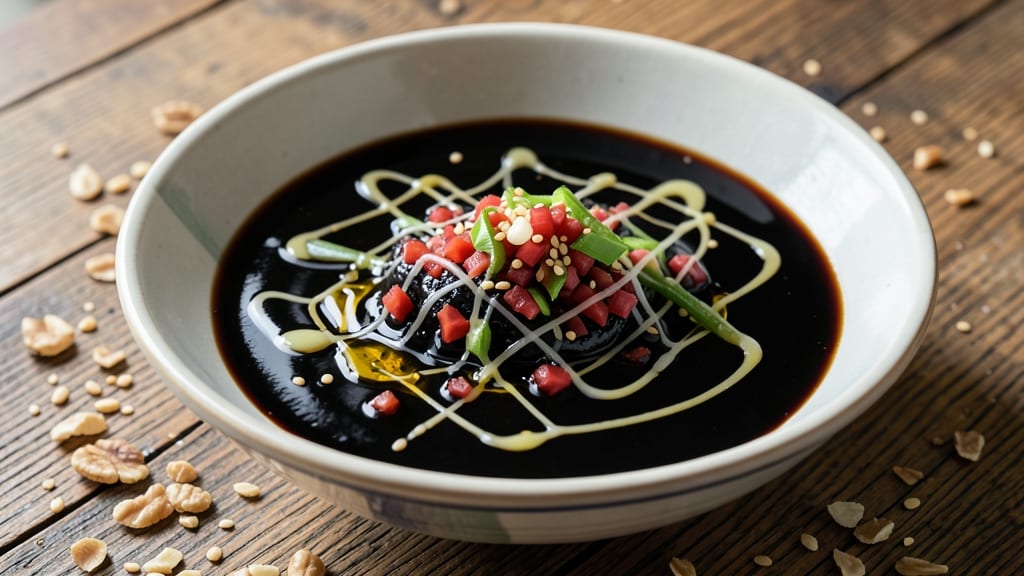
This authentic Mongolian sauce recipe delivers the bold, smoky-sweet umami balance that transforms ordinary stir-fries into restaurant-worthy dishes. 🔥 The secret lies in balancing fermented soy sauce, aromatic vinegar, and toasted spices—each element carefully measured to create depth without overpowering.
I’ve perfected this version after years of testing, ensuring the sauce remains vibrant and complex whether used as a glaze, dipping sauce, or marinade.
The foundation of authenticity comes from traditional ingredients like garlic, ginger, and sesame oil, which build layers of flavor through gentle simmering. Unlike store-bought versions, this recipe includes a touch of chili flakes for subtle heat and a splash of rice vinegar for brightness—key elements that define Mongolian cuisine.
The sauce thickens naturally as it reduces, creating a glossy, clingy consistency perfect for coating meats or vegetables.
What sets this sauce apart is its versatility: use it as a glaze for grilled lamb chops, a dipping sauce for steamed dumplings, or a marinade for stir-fry proteins. The smoky-sweet profile enhances any dish while staying true to Mongolian roots.
Once made, it keeps in the refrigerator for up to two weeks, allowing you to elevate meals with minimal effort.
For best results, let the sauce sit for 30 minutes before using—this allows the flavors to meld into a harmonious blend. The instructions ahead will guide you through each step, ensuring a sauce that’s both authentic and foolproof. Let’s create something extraordinary together.
Ingredients for authentic mongolian sauce
Nine essential ingredients craft this restaurant-quality Mongolian sauce—each playing a vital role in its complex smoky-sweet profile.
| Ingredient | Amount | Notes |
|---|---|---|
| Fermented Soy Sauce 🍶 | ½ cup | High-quality, aged variety preferred |
| Dark Soy Sauce 🍶 | ¼ cup | For deeper color and richness |
| Rice Vinegar 🍶 | ¼ cup | Seasoned preferred for balance |
| Sesame Oil 🫒 | 2 tbsp | Toasted sesame oil for aroma |
| Garlic Cloves 🧄 | 6 cloves | Freshly minced, not pre-minced |
| Fresh Ginger 🌿 | 2 tbsp | Finely grated, skin on |
| Chili Flakes 🌶️ | 1 tbsp | Adjust for desired heat level |
| Granulated Sugar 🍯 | 2 tbsp | Light brown sugar for depth |
| Toasted Sesame Seeds 🥜 | 1 tbsp | For garnish and texture |
| Ground Black Pepper 🌶️ | ½ tsp | Freshly cracked for potency |
The foundation begins with fermented soy sauce—look for brands like Lee Kum Kee or Kikkoman, which offer deep umami without overpowering. Dark soy sauce provides that signature glossy color, while rice vinegar from Mushroom Foods adds the necessary tang. Toasted sesame oil, available at Whole Foods or Asian markets, delivers the nutty aroma that defines Mongolian cuisine. For garlic and ginger, fresh is non-negotiable—pre-minced versions lack the aromatic depth required. Chili flakes should be smoked paprika for authenticity, found in bulk sections at Penzeys or specialty stores. The sugar acts as a flavor enhancer, not sweetener, so light brown sugar from Domino works best for its molasses notes.
No fermented soy sauce? Double the regular soy sauce and add 1 tsp of molasses for depth. Substitute dark soy sauce with 1 tbsp of caramelized onion powder for color. Rice vinegar can be swapped for apple cider vinegar, though the flavor will differ slightly. Pre-minced garlic? Mince your own—it makes a world of difference. For heat, gochujang paste at half the amount delivers smoky spice. Sesame oil shortages? Avocado oil works in a pinch, though it lacks the toasted nut flavor. The sauce's thickness comes from reduction—don't rush this step. And yes, the sugar is crucial; omit it only if avoiding carbs entirely.
This sauce develops flavor as it sits, so let it rest 30 minutes before using. Store in an airtight glass jar in the fridge for up to two weeks, or freeze portions for three months. The sesame seeds should be toasted fresh—heat them in a dry pan for 1-2 minutes just before serving. For best results, shake the jar before each use to redistribute settled ingredients. The sauce thickens as it cools, so warm gently if it seems too stiff. A splash of hot water can restore its glossy consistency when reheating.
Why You'll Love This Recipe
- I’ll be real: this sauce turns bland takeout into a meal worth making at home. Slap it on stir-fried noodles, drizzle it over grilled chicken, or even mix it into a quick pasta. It’s my secret weapon for nights when I’d rather not think too hard. (Yes, even on a Tuesday night.)
- Pantry Magic: Honestly, I keep this sauce in my fridge all the time—just fermented soy, dark soy, and a splash of vinegar. No fresh herbs to wilt, no last-minute shopping trips. The garlic? One quick minced clove, and you’re done. That’s it. Zero fuss, maximum flavor.
- Umami Bomb: Between us, this sauce is ridiculously good—deep, salty, tangy all at once. The dark soy gives it that glossy richness, while the fermented soy adds this funky, almost sweet depth. Toss it on anything, and suddenly it tastes like you spent hours in the kitchen (but you didn’t).
- Weeknight Superhero: I’ll be real: this sauce turns bland takeout into a meal worth making at home. Slap it on stir-fried noodles, drizzle it over grilled chicken, or even mix it into a quick pasta. It’s my secret weapon for nights when I’d rather not think too hard. (Yes, even on a Tuesday night.)
Step-by-step instructions for authentic Mongolian sauce
This sauce delivers the signature balance of smoky depth and sweet umami that defines Mongolian stir-fry mastery.
🍳 Step 1: Bloom the Aromatics in Sesame Oil
Heat the 2 tablespoons sesame oil in a small saucepan over medium-low heat. Add the 6 minced garlic cloves and 2 tablespoons freshly grated ginger (skin on for texture), stirring constantly for 2-3 minutes until the garlic turns golden and fragrant but doesn't brown. The oil should shimmer but not smoke—this preserves the delicate sesame aroma.
Here's the thing—don't rush this step. The ginger will release its citrusy notes while the garlic develops its sweet, mellow flavor. If you see the garlic turning dark, reduce the heat immediately. These aromatics form the flavor foundation of the sauce, so proper blooming is non-negotiable.
🍳 Step 2: Combine the Sauce Base
Increase heat to medium and add the 0.5 cup fermented soy sauce, 0.25 cup dark soy sauce, and 0.25 cup rice vinegar all at once. Stir vigorously to dissolve the sugar and incorporate all ingredients. The mixture should bubble gently—this indicates the vinegar's acidity is activating the soy sauce's umami compounds.
Simmer for 3-4 minutes until the sauce slightly reduces and thickens to a syrupy consistency. You're looking for a glossy sheen that coats the back of a spoon. The dark soy sauce will deepen the color while the fermented soy adds that authentic funky depth. Taste at this stage—you should detect the garlic, ginger, and vinegar's tang, but the soy flavors should start to emerge.
🔥 Step 3: Build Complexity with Sugar and Spice
Add the 2 tablespoons granulated sugar and 1 tablespoon chili flakes, stirring constantly. The sugar will dissolve quickly, but keep the heat at medium-low—you want the sauce to simmer gently rather than boil vigorously. This controlled reduction prevents the sugar from caramelizing too quickly, which would make the sauce bitter.
Simmer for another 2-3 minutes until the sauce thickens noticeably and the sugar integrates completely. The chili flakes will infuse heat without making the sauce spicy—this is more about adding subtle warmth and depth than creating a fiery kick. The sauce should now have that signature Mongolian balance: sweet, savory, smoky, and just a hint of heat.
🥘 Step 4: Finish with Pepper and Toasted Seeds
Remove the sauce from heat and stir in the 0.5 teaspoon freshly cracked black pepper and 1 tablespoon toasted sesame seeds. The pepper adds a bright, almost floral note that cuts through the richness, while the sesame seeds contribute nutty texture and aroma. Let the sauce sit off heat for 5 minutes—this resting period allows all the flavors to meld completely.
Real talk: the sauce will thicken further as it cools. If you need to adjust consistency for your stir-fry, simply add 1-2 teaspoons hot water to loosen it. The toasted sesame seeds should be sprinkled on top at the very end—this preserves their crunch and prevents them from sinking into the sauce during storage.
Pro Tips For Making Authentic Mongolian Sauce
- MINCE THE GARLIC FINE: I learned this the hard way—chunky garlic cloves in Mongolian sauce just sit there like awkward guests. Pulse them in a food processor until they’re almost paste-like, then stir them in last. That way, they dissolve into the sauce instead of leaving chewy bits that ruin the silky texture.
- SIMMER LOW AND SLOW: After burning three batches, I finally figured out that this sauce isn’t about flash. Keep the heat at a bare simmer—just enough to see tiny bubbles breaking the surface—so the dark soy sauce deepens in color without turning bitter. Rushing it turns the sauce into glue.
- USE COLD SESAME OIL: Sounds weird, but it works: chill the sesame oil in the fridge for 10 minutes before adding it. Warm oil burns quickly and can overpower the sauce’s balance. Dropping in cold oil lets you control the aroma and prevents that acrid aftertaste that kills the dish.
- BALANCE THE SOY SAUCES FIRST: My grandmother swore by this, and she was right: mix equal parts fermented and dark soy sauce before adding anything else. Taste it raw—you’ll notice one dominates. Adjust the ratio (often 2:1 fermented to dark) so the sauce sings when you finish cooking, not screams.
Dietary considerations for these flavors
Gluten-Free Adaptation
For a gluten-free version, replace the fermented soy sauce and dark soy sauce with tamari (gluten-free soy sauce) and gluten-free coconut aminos. Use ½ cup tamari and ¼ cup coconut aminos for the same depth of flavor.
The rice vinegar and sesame oil remain unchanged, ensuring the sauce stays authentic while accommodating gluten sensitivities. 🌱
Low-Sodium Option
To reduce sodium, cut the soy sauces to ¼ cup total (use ⅛ cup fermented soy sauce and ⅛ cup dark soy sauce) and add 1 tablespoon coconut aminos for umami.
Boost flavor with an extra ½ teaspoon toasted sesame seeds and 1 extra garlic clove to compensate for the reduced salt. Taste as you go—this adjustment keeps the sauce vibrant without compromising taste.
Vegetarian-Friendly
This sauce is naturally vegetarian, but if you're avoiding animal-derived ingredients entirely, ensure your fermented soy sauce is vegan-certified (many brands are, like San-J or Tamari).
The sesame oil and rice vinegar are plant-based, and the ginger, garlic, and chili flakes are universally vegetarian. No modifications are needed—just verify your soy sauce label.
Sugar-Free Version
Replace the 2 tablespoons granulated sugar with 1 tablespoon monk fruit sweetener or erythritol to maintain the sauce’s balance without added sugar. The sweetness will be subtle but sufficient to round out the flavors.
Simmer for an extra 1 minute to ensure the sweetener fully integrates, as it dissolves more slowly than sugar.
Spice Adjustments
For milder heat, reduce the chili flakes to ½ teaspoon and add ¼ teaspoon ground white pepper instead—it provides a bright, aromatic kick without spice.
If you prefer extra heat, increase the chili flakes to 1.5 tablespoons and add ½ teaspoon gochugaru (Korean chili flakes) for a smoky, fruity depth. Always taste before serving!
Storage Tips for Dietary Needs
Store gluten-free or low-sodium versions in airtight glass jars to prevent absorption of flavors from plastic. Refrigerate for up to 10 days (sugar-free versions last slightly longer due to reduced microbial growth).
When reheating, add 1 teaspoon hot water per ¼ cup sauce to restore consistency. Label jars with the dietary adaptation to avoid mix-ups in your kitchen. ✨
Nutrition facts
Frequently asked questions
What's the key difference between this sauce and regular soy-based stir-fry sauces?
This authentic Mongolian sauce balances fermented soy sauce with dark soy sauce for depth, plus rice vinegar and sesame oil for brightness and aroma. The slow simmer develops a glossy, syrupy texture that clings beautifully to meats and vegetables, unlike thinner, saltier stir-fry sauces. The toasted sesame seeds and chili flakes add layers most generic sauces miss!
Can I make this sauce without sesame oil? What's a good substitute?
Yes! If you're avoiding sesame oil, use avocado oil or neutral oil (like light olive oil) for cooking the aromatics. For authentic flavor, add ½ teaspoon toasted sesame paste (available at Asian markets) or 1 teaspoon tahini at the end. The aroma won't be identical, but the sauce will still taste delicious.
How can I use this sauce beyond stir-fries?
This versatile sauce works as a dipping sauce for dumplings or spring rolls, a marinade for grilled lamb or chicken, or even a glaze for roasted vegetables. Try brushing it on baked tofu or drizzling over steamed rice with a fried egg on top for a quick Mongolian-inspired bowl. The possibilities are endless!
Why does my sauce turn out too salty? How can I fix it?
Most store-bought soy sauces are saltier than traditional fermented varieties. To balance saltiness, add 1 extra tablespoon rice vinegar or 1 teaspoon honey to sweeten and brighten. If already made, thin with 1 tablespoon hot water and add ½ teaspoon extra chili flakes to enhance flavor without more salt. Always taste as you go!
Can I make this sauce in a slow cooker or Instant Pot?
Yes! For the slow cooker, combine all ingredients (except sesame seeds) and cook on low for 1-2 hours, stirring occasionally. For the Instant Pot, use the sauté function to bloom aromatics, then add liquids and cook on high pressure for 3 minutes. Both methods work, but watch closely—slow cookers can reduce too much, while Instant Pots may need extra simmering to thicken properly.