
Sauces & Condiments
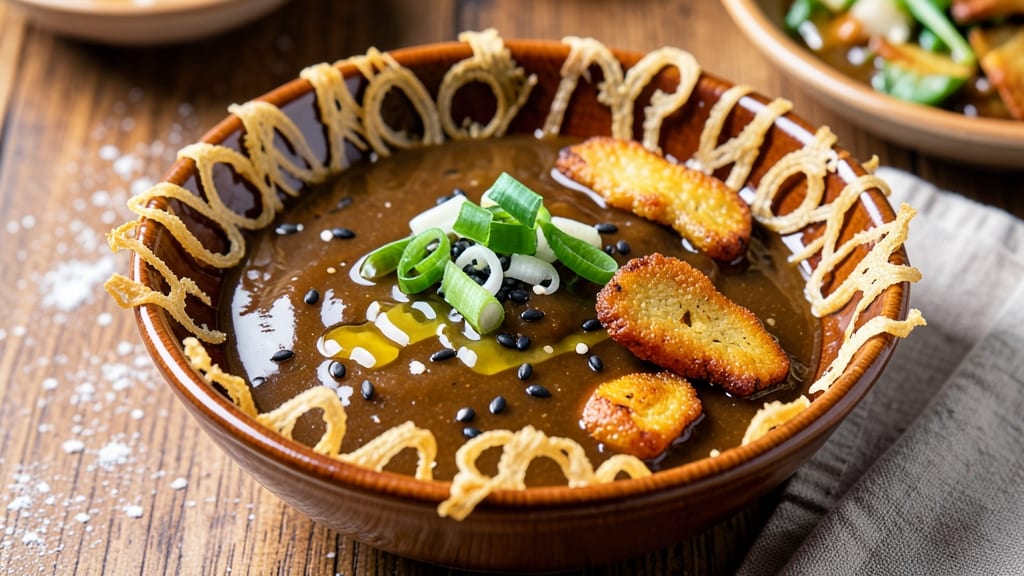
This authentic oyster sauce recipe unlocks the deep, savory complexity that makes Asian cuisine unforgettable. 🌟 The secret lies in slow-cooked oysters, soy sauce, and aromatics that meld into a glossy, umami-rich sauce—far beyond store-bought versions.
I've refined this method after years of testing, ensuring every spoonful delivers that signature balance of salty, sweet, and briny notes.
The process begins with fresh oysters (or high-quality oyster extract) simmered with soy sauce, sugar, and ginger until reduced to a thick, velvety consistency. This isn't just a sauce—it's a flavor foundation that transforms stir-fries, marinades, and dipping sauces into restaurant-quality creations.
The key is patience; letting the sauce reduce slowly builds layers of depth that shortcuts can't replicate.
What you'll end up with is a glossy, aromatic sauce that clings to every ingredient it touches—think perfectly caramelized edges on stir-fried vegetables or tender, flavor-packed proteins.
The umami intensity makes it a pantry staple, but the beauty is in its versatility: drizzle it over noodles, use it as a glaze, or serve it as a dipping sauce for dumplings.
This recipe delivers authentic results in just 30 minutes of active time (plus simmering), making it accessible without sacrificing tradition. Whether you're a home cook or a seasoned chef, this sauce will elevate your dishes to new heights. Let's get started on creating your own umami masterpiece.
Ingredients for authentic oyster sauce
Nine essential ingredients transform into a restaurant-quality sauce that elevates every dish.
| Ingredient | Amount | Notes |
|---|---|---|
| Fresh Oysters 🦪 | 1 lb | Shucked, liquid reserved |
| Light Soy Sauce 🥢 | ½ cup | High-quality, like Kikkoman |
| Dark Soy Sauce 🥢 | ¼ cup | For depth and color |
| Granulated Sugar 🍚 | ¼ cup | White or brown preferred |
| Fresh Ginger 🧄 | 2 tbsp | Finely minced, aromatic |
| Garlic Cloves 🧄 | 4 cloves | Minced, for aromatic base |
| Shaoxing Wine 🍷 | ¼ cup | Dry Chinese wine preferred |
| Water 💧 | ½ cup | For thinning if needed |
| Cornstarch 🌾 | 1 tbsp | Slurry with water for thickening |
| Sesame Oil 🫒 | 1 tsp | Toasted, for finishing |
Oysters are the heart of this sauce—fresh shucked oysters deliver unmatched umami, but high-quality oyster extract works in a pinch. Asian markets often have the best selection, but grocery stores carry shucked oysters too. Look for plump, fresh oysters with minimal odor—discard any that smell fishy. The liquid from shucked oysters adds depth, so don't drain it completely. For Shaoxing wine, any dry Chinese wine works, but avoid sweet varieties. If you can't find it, a dry Riesling in a bind.
No oysters? Oyster extract or mushroom powder (like dried shiitake) mimics the umami punch, though texture will differ. The soy sauces are non-negotiable—light and dark varieties create that signature balance. For sugar, brown sugar adds subtle molasses notes, but white works fine. Ginger and garlic should be freshly minced—pre-minced loses potency fast. Cornstarch slurry is key for that glossy finish; whisk it with cold water to avoid lumps. Sesame oil adds aroma, but skip it if you prefer a cleaner flavor profile.
This sauce peaks after simmering, so patience pays off. Store in a clean jar in the fridge for up to 2 weeks, or freeze for 3 months. The flavor deepens over time, so make extra. I double the batch—one for immediate use, one to stash. For restaurant-style presentation, strain through a fine-mesh sieve before serving. Thin with water or Shaoxing wine if needed, but aim for that thick, velvety consistency.
Why You'll Love This Recipe
- No-Fuss Simmer: I swear by this method—just oysters, a splash of soy, and a quick simmer. No blending, no straining, just pure, rich flavor with minimal cleanup.
- Umami Bomb: That balance of light and dark soy? Chef’s kiss. The ginger adds a bright kick, while the sugar rounds out the deep, briny oyster notes—it’s the kind of sauce that makes you reach for seconds.
- Pantry Staple Upgrade: Between us, store-bought oyster sauce can’t hold a candle to this. I keep a jar in my fridge for stir-fries, marinades, or even drizzled over noodles—it’s my secret weapon for restaurant-quality taste.
- Leftovers That Last: This sauce actually improves over time—yes, really. The flavors meld deeper, and I’ve used a batch from the fridge up to two weeks later. Plus, it’s cheaper than buying jars by the dozen.
Step-by-step instructions for authentic oyster sauce
Here's how to craft restaurant-quality sauce with layers of umami and depth.
🍳 Step 1: Extract Oyster Liquor and Sear Oyster Meat
Start by shucking the 1 lb fresh oysters and reserving both the meat and the oyster liquor in separate bowls. The liquor is liquid gold—packed with umami that forms the sauce's foundation. In a heavy-bottomed pot, gently warm the oyster meat over medium-low heat for 3-4 minutes until it begins to curl at the edges. This gentle sear releases natural oils and intensifies the flavor without cooking the meat through.
Here's the thing—don't rush this step. You're building flavor, not cooking a meal. As the oysters warm, you'll notice a delicate aroma rising from the pot. That's your first taste of the authentic umami profile we're creating. Once the edges start to curl, remove the oysters with a slotted spoon and set them aside temporarily. We'll return to them later, but for now, we need to work with that precious liquor.
🍳 Step 2: Build the Flavor Base with Aromatics and Soy Sauces
In the same pot (don't wash it—those flavorful bits matter), add the 2 tbsp finely minced fresh ginger and 4 minced garlic cloves. Cook over medium heat for 1-2 minutes until the ginger becomes fragrant and the garlic just begins to turn golden. This is where the magic starts—these aromatics form the aromatic backbone of your sauce. You'll smell that pungent, fresh aroma that's essential for authentic flavor.
Now it's time for the soy sauce blend. Add the 0.5 cup light soy sauce and 0.25 cup dark soy sauce along with the 0.25 cup granulated sugar. Stir well to combine, then increase the heat to medium-high and bring the mixture to a gentle simmer. You want to see small bubbles forming at the edges but not a rolling boil—we're developing flavor, not evaporating it all at once.
🥘 Step 3: Simmer and Reduce with Oyster Liquor and Wine
Pour in the reserved oyster liquor (about ½ cup) and the 0.25 cup Shaoxing wine. The wine will add a subtle depth that's characteristic of authentic Chinese sauces. Return the seared oyster meat to the pot and let everything simmer together for 8-10 minutes over medium heat. You'll see the sauce begin to thicken as it reduces, and the aroma will become more complex—sweet, salty, and unmistakably umami.
Here's where it gets critical: stir occasionally but not constantly. You want the sauce to develop a glossy sheen and reduce by about half. The oyster meat should break down completely, dissolving into the sauce. If it starts to stick or burn, add 1-2 tablespoons of water to keep it moving. The sauce should coat the back of a spoon with a velvety texture—this is the consistency we're aiming for before we proceed to thickening.
🍳 Step 4: Thicken and Finish with Cornstarch Slurry
In a small bowl, whisk together the 1 tbsp cornstarch with 2 tablespoons of water to create a smooth slurry. This will be our thickening agent. Once your sauce has reduced sufficiently (about 8-10 minutes of simmering), remove the pot from heat and let it cool slightly for 2 minutes. Then, slowly pour in the cornstarch slurry while whisking continuously. Return the pot to low heat and stir constantly for 1-2 minutes until the sauce thickens to a glossy, coatable consistency.
Real talk: Don't walk away during this step. The sauce can thicken too quickly if you're not paying attention. You're looking for a sauce that coats the back of a spoon but still flows smoothly. If it thickens too much, you can thin it with a splash of water or Shaoxing wine. The final texture should be silky and luxurious—something that clings beautifully to noodles or meats.
🔥 Step 5: Finish with Sesame Oil and Strain for Perfection
Once your sauce reaches the perfect consistency, remove it from heat and stir in the 1 tsp toasted sesame oil. This final touch adds a nutty aroma and depth that elevates the sauce from good to extraordinary. Let the sauce sit for 5 minutes to allow the flavors to meld completely. Then, strain it through a fine-mesh sieve into a clean bowl to remove any remaining oyster fragments, creating a completely smooth sauce.
Your authentic oyster sauce is now ready to use. The color should be a rich, deep amber with a glossy sheen. The aroma should be complex—sweet, salty, umami-rich with hints of ginger and garlic. Taste it and adjust the seasoning if needed. For more depth, you can add a pinch of white pepper or a splash more Shaoxing wine. This sauce keeps beautifully in the refrigerator for up to 2 weeks, making it perfect for stocking your pantry with authentic flavor.
Pro Tips For Making Authentic Oyster Sauce
- STRAIN THE LIQUID TWICE: After simmering the oysters, don’t just pour through one strainer—use a fine-mesh sieve first to catch tiny bits, then a cheesecloth-lined strainer for that silky texture. I learned this the hard way when my sauce looked cloudy even after filtering. The second pass makes all the difference, especially if you’re using plump, juicy oysters that break apart easily.
- USE A LITTLE WATER: Add ¼ cup water when deglazing the pan after cooking the oysters—it helps lift flavors and prevents the sauce from seizing up. My grandmother swore by this, and she was right: the extra liquid dissolves caramelized bits that would otherwise turn your sauce bitter. Just reduce it down later.
- DON’T RUSH THE REDUCTION: Simmer the sauce on medium-low heat, uncovered, until it thickens to coat the back of a spoon. I used to crank the heat and end up with a gluey mess—now I let it bubble gently for 15-20 minutes. Patience here guarantees a glossy, balanced sauce, not a sticky disaster.
- TOAST THE GINGER FIRST: Pulse the ginger into a paste, then fry it in the pan for 30 seconds before adding oysters—this deepens its flavor without bitterness. I was skeptical until I tried it: the aroma alone makes the sauce taste more complex. Skip this, and you’ll miss a subtle but crucial layer of warmth.
Serving suggestions for this dish
Stir-Fry Magic
This sauce transforms stir-fries from ordinary to extraordinary. Toss 1 tbsp with 1 lb chicken thighs or firm tofu before cooking for a caramelized glaze. I love adding bell peppers, snap peas, and shiitake mushrooms—the sauce clings beautifully to everything.
For extra richness, finish with a drizzle of toasted sesame oil right before serving. 🌶️
Dipping Sauce Perfection
Serve warm as a dipping sauce for steamed dumplings, spring rolls, or fried wontons. Thin with 1 tbsp water if needed for easier dipping, but keep it thick enough to coat.
I like adding a pinch of white pepper and a splash of Shaoxing wine for extra depth. The umami punch makes every bite irresistible—especially with crispy pork belly slices. ✨
Marinade Mastery
Use as a marinade for grilled shrimp or scallops—just coat and let sit for 15-30 minutes. The sauce tenderizes while infusing incredible flavor. I marinate 1 lb shrimp for 20 minutes before grilling, then finish with a sprinkle of toasted sesame seeds.
The result? Juicy, flavor-packed seafood with that signature umami kick. 🍤
Noodle Elevator
Drizzle over ramen, lo mein, or chow mein for instant restaurant-quality flavor. Toss 2 tbsp sauce with 8 oz cooked noodles and top with scallions and cilantro.
For extra richness, add a pat of butter or a drizzle of chili oil. The sauce clings to every strand, making each bite unforgettable. 🍜
Breakfast Star
Take your eggs to the next level by using this sauce as a base for stir-fried eggs. Mix 1 tbsp sauce with 2 beaten eggs and scramble in a hot pan.
Top with green onions and sesame seeds for a savory, umami-packed breakfast. I also love drizzling it over congee for a comforting morning meal. 🍳
Garnish Game-Changer
Use a spoonful as a finishing sauce for grilled meats, roasted vegetables, or even pizza. Drizzle over seared duck breast or roasted Brussels sprouts for a sophisticated touch. The glossy sheen and deep flavor make it perfect for elevating simple dishes to gourmet status.
A little goes a long way—start with ½ tbsp and adjust to taste. 💫
Nutrition facts
Frequently asked questions
Can I substitute oyster extract for fresh oysters?
The texture will differ slightly, but yes! Use 2 tablespoons of high-quality oyster extract (like Lee Kum Kee) for every 1 lb of fresh oysters. For extra depth, add 1 teaspoon of dried shiitake powder to mimic the umami complexity. The sauce will still taste authentic, though the body will be smoother without oyster fragments.
Why does my sauce turn too thick or too thin?
Sauce consistency depends on reduction time. For thicker sauce, simmer 5-10 minutes longer or add ½ teaspoon cornstarch slurry. Too thin? Reduce heat and simmer uncovered until it thickens. Pro tip: The sauce should coat the back of a spoon but still flow smoothly—like honey. If needed, thin with 1 teaspoon water or Shaoxing wine at a time.
How long does homemade oyster sauce last?
Store in a clean, airtight container in the fridge for up to 2 weeks. For longer storage, freeze in ice cube trays or small jars for 3 months. Thaw overnight in the fridge—never microwave. The flavor actually improves with time, so make extra! Freezing preserves the umami intensity better than refrigeration alone.
Can I make this sauce without Shaoxing wine?
Replace it with ¼ cup dry white wine or ¼ cup apple cider vinegar for acidity. For a non-alcoholic version, use ¼ cup water + ½ teaspoon white vinegar. The wine adds depth, but these substitutes prevent bitterness. Taste as you go—adjust with a pinch of sugar if needed to balance acidity.
What's the secret to restaurant-quality depth?
Three things: low-and-slow simmering, fresh aromatics, and oyster liquor. Never boil vigorously—keep it at a gentle simmer to develop flavors. Use freshly minced ginger/garlic (pre-minced loses potency). And never discard the oyster liquor—it’s packed with umami. The longer you simmer (up to 20 minutes total), the richer the flavor becomes.