
Sauces & Condiments
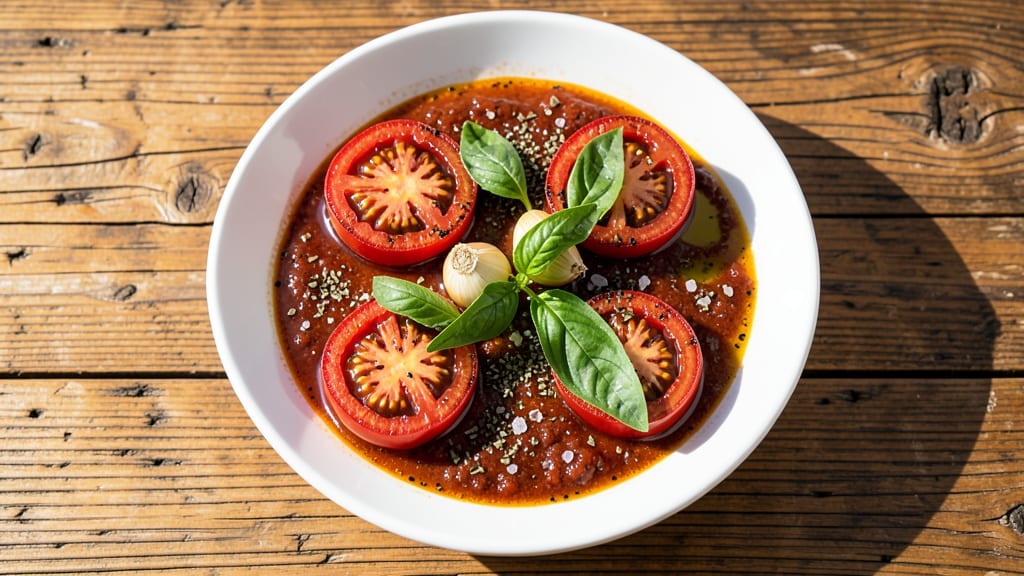
This authentic pizza sauce recipe with fresh tomatoes transforms your homemade pizza into something that rivals Neapolitan-style authenticity.
The secret lies in using sun-ripped tomatoes, slow-cooked to develop deep, complex flavors without canned aftertastes. Garlic, olive oil, and fresh basil work together to create a sauce that's vibrant, aromatic, and perfectly balanced—no artificial ingredients needed.
What sets this sauce apart is the cooking method: tomatoes are simmered until their natural sweetness intensifies and their acidity mellows, creating a rich, velvety consistency. No blender required—just a fork and patience.
The sauce thickens naturally as it cooks, developing a glossy sheen that clings beautifully to dough while staying true to traditional Italian technique.
By the time you're done, you'll have a sauce that's bright yet deep, with layers of tomato flavor that build with every bite. The garlic infuses just enough warmth without overpowering, while fresh basil adds that signature freshness that canned sauces can't replicate.
This is the kind of sauce that transforms ordinary pizza night into a taste of Italy.
The best part? This sauce keeps well in the refrigerator for up to a week, so you can make a big batch and use it for multiple pizzas. Perfect for meal prep or when you want to elevate your homemade pizza game. Let's get cooking!
Ingredients for authentic pizza sauce recipe with fresh tomatoes
Eight ingredients, sun-ripened tomatoes, and a slow simmer—this is your ticket to restaurant-quality pizza sauce.
| Ingredient | Amount | Notes |
|---|---|---|
| Fresh Sun-Ripened Tomatoes 🍅 | 4 whole | Roma or vine-ripened, cored and chopped |
| Extra-Virgin Olive Oil 🫒 | ½ cup | High-quality, fruity variety |
| Garlic Cloves 🧄 | 4 cloves | Fresh, peeled and minced |
| Fresh Basil Leaves 🌿 | ½ cup | Packed, stems removed |
| Dried Oregano 🍃 | 1 tsp | Italian or Mediterranean blend |
| Sea Salt 🧂 | 1 tsp | Diamond Crystal preferred |
| Freshly Ground Black Pepper 🌶️ | ½ tsp | Freshly cracked preferred |
| Red Wine Vinegar 🍷 | 1 tbsp | For brightness and acidity |
| Granulated Sugar 🍚 | 1 tsp | Balances acidity naturally |
The tomatoes are everything here. Farmers markets have the best sun-ripened varieties—look for deep red color and minimal seeds. Roma tomatoes work perfectly, but any vine-ripened tomato (even from your garden) will give you that authentic Italian flavor. I always grab Trader Joe's organic Roma tomatoes when I'm in a pinch—they're consistent and affordable. The key is to use tomatoes that are fully ripe; their natural sweetness develops during the slow cooking process, creating that rich, velvety texture. Skip the canned tomatoes—they just can't compare.
No fresh basil? Dried basil at one-third the amount works in a bind, but it won't have that signature freshness. The red wine vinegar is non-negotiable for that bright acidity—Bartles & Jaymes is a solid budget option, but any good-quality vinegar will do. Want to skip the sugar? Roast the tomatoes first to concentrate their natural sweetness. The garlic should be minced finely—no pre-minced jars, trust me on this. For extra depth, toast the dried oregano in a dry pan for 30 seconds before adding it to the sauce.
This sauce tastes even better the next day as the flavors meld. Store it in an airtight container in the fridge for up to 1 week, or freeze it in ice cube trays for 6 months. I always make a big batch—it's perfect for meal prep. The sauce thickens as it cools, so if it seems too thick right after cooking, just add a splash of water or olive oil. The glossy sheen you're aiming for develops overnight, making it irresistible for your next pizza night.
Why You'll Love This Recipe
- No Blender Needed: I swear by this method—just a knife, a pot, and my patience. Those sun-ripened tomatoes break down into a silky sauce with zero effort, and the garlic-infused olive oil ties it all together like magic.
- Taste Like Summer in a Jar: The basil hits different when it’s fresh, and that first bite of pizza with this sauce? It’s like a vacation in your mouth—bright, herby, and just sweet enough from the tomatoes. Honestly, store-bought sauce can’t compete.
- Freezer-Friendly Magic: Make a big batch on Sunday, freeze it in portions, and thank me later. It’s my go-to for lazy nights or when I’m feeding a crowd—just thaw and toss. (Yes, even on a Tuesday night.)
- Pantry Staple, Restaurant Quality: Five ingredients, zero fuss, and it costs next to nothing. But somehow, it always tastes like the sauce from that one Italian spot I miss. Between us, this is my secret weapon for homemade pizza that actually impresses.
Step-by-step instructions for authentic pizza sauce with fresh tomatoes
Here's how to craft a vibrant, restaurant-quality sauce that captures summer's essence without canning's metallic tang.
Roast the Tomatoes for Deep Flavor
Preheat your oven to 425°F and line a baking sheet with parchment paper. Arrange the 4 whole fresh sun-ripened tomatoes (cored and halved if large) cut-side up on the sheet. Drizzle with 2 tablespoons of the extra-virgin olive oil and sprinkle with ½ teaspoon of the sea salt.
Roast for 20-25 minutes until the edges are blistered and blackened, and the tomatoes have collapsed slightly. This caramelization develops complex, smoky notes that canned tomatoes can't match. Watch closely after 15 minutes—they're done when the skin turns deep brown and the flesh softens easily when pierced with a knife.
Build the Sauce Base with Aromatics
Transfer the roasted tomatoes to a food processor or blender. Add the 4 cloves minced garlic cloves, ½ cup packed fresh basil leaves, 1 teaspoon dried oregano, ½ teaspoon freshly ground black pepper, 1 tablespoon red wine vinegar, and 1 teaspoon granulated sugar. Pulse until completely smooth, scraping down the sides as needed.
The sugar may seem counterintuitive, but it's essential here—it balances the acidity of the vinegar and roasted tomatoes, creating a harmonious sweet-savory profile. I like to pulse in stages, tasting between each, to ensure we capture that perfect equilibrium before adding the remaining olive oil.
Simmer and Refine the Texture
Pour the mixture into a small saucepan and add the remaining 3 tablespoons extra-virgin olive oil. Place over medium-low heat and simmer gently for 10-12 minutes, stirring occasionally. The sauce should reduce slightly and develop a glossy sheen.
Taste and adjust seasoning—you may need a pinch more salt or sugar to perfect the balance. The sauce should be vibrant red with a velvety texture, not watery. If it's too thick, add 1-2 tablespoons water to reach a spreadable consistency. This simmering step develops the sauce's depth while preserving the bright, fresh tomato character.
Cool and Rest for Maximum Flavor
Remove from heat and let the sauce cool completely at room temperature. This resting period allows the flavors to meld and the sauce to thicken naturally. I find that transferring it to a clean jar and refrigerating for at least 1 hour (or up to 3 days) enhances its complexity.
The sauce will continue to develop its authentic character as it rests. When ready to use, give it a final taste and adjust seasoning if needed. The texture should be smooth yet slightly clingy, perfect for spreading on pizza dough without slipping through your fingers. This sauce keeps its vibrant flavor for up to 5 days in the refrigerator when stored properly.
Pro Tips For Making Authentic Pizza Sauce Recipe With Fresh Tomatoes
- CHAR THE TOMATOES FIRST: Skip the raw chop—blister the tomatoes in a dry skillet over medium-high heat for 8-10 minutes until their skins blacken in spots. This concentrates their sweetness and deepens the flavor without needing added sugar. (Yes, even if you’re impatient like me, don’t rush this part.)
- USE GARLIC PASTE, NOT MINCED: Crush 4-5 raw garlic cloves into a paste with a pinch of salt before cooking—it releases more flavor and avoids burning. I learned this the hard way after my sauce tasted bitter from overcooked garlic bits.
- SALT THE SAUCE WHILE HOT: Add 1-2 teaspoons of salt to the simmering sauce and let it cook uncovered for 2-3 minutes. This lets the salt dissolve fully and balances the acidity before you add basil. (Your future self will notice the difference.)
- FINISH WITH COLD BASIL: Tear basil leaves by hand and add them at the very end—no blending. The cold leaves (straight from the fridge) keep their bright flavor instead of turning bitter. (Does it look weird? Yes. Does it work? Every single time.)
Common mistakes when making perfect results
Overcooking Tomatoes
I’ve ruined more pizza sauces than I’d like to admit by overcooking the tomatoes. When you roast them past 25 minutes, they turn bitter and lose their natural sweetness.
The goal is caramelization, not charcoal. Watch for deep brown edges and slightly collapsed flesh—this means they’re perfect. If you’re unsure, taste a small piece after 20 minutes. 🌶️
Skipping the Roast
Raw tomatoes straight into the saucepan? Big mistake. Roasting develops those deep, smoky flavors that make the sauce sing. If you’re short on time, blanch them in boiling water for 2 minutes instead, but roasting is worth the extra effort.
The texture also improves—roasted tomatoes create a velvety consistency that raw ones can’t match.
Using Low-Quality Olive Oil
Your sauce’s flavor hinges on that extra-virgin olive oil. Cheap oil makes the sauce taste flat and one-dimensional. I always use a fruity, high-quality oil like California Avocado Ranch or Colavita.
The first time I used a generic brand, the sauce lacked depth—don’t make that mistake. Even 2 tablespoons of inferior oil can ruin the balance.
Adding Too Much Vinegar
The 1 tablespoon red wine vinegar is for brightness, but too much makes the sauce taste sour. I’ve accidentally doubled it and ended up with a sauce that needed sugar to fix it.
Start with the full amount, taste, then add just ½ teaspoon more if needed. The goal is a bright tang, not a pucker.
Ignoring the Resting Time
Rushing the sauce to the fridge after cooking is another common error. Letting it rest for at least 1 hour (or overnight) lets flavors meld and the texture thicken naturally.
I once used it immediately and ended up with a watery, uneven sauce. Patience here makes all the difference—trust the process!
Overblending the Sauce
Some people go overboard with the blender, turning the sauce into a smooth paste with no texture. A few small chunks of tomato add body and authenticity. I pulse until smooth but leave just a hint of texture—it’s what gives Neapolitan-style sauce its signature character.
If you blend it completely, you’ll lose that rustic charm. 🍅
Nutrition facts
Frequently asked questions
Can I use regular grocery store tomatoes instead of sun-ripened?
You can, but the flavor won't be as authentic. Look for Roma tomatoes or any vine-ripened variety—even slightly underripe ones will improve as they roast. For best results, choose tomatoes that are deep red and firm. If you're using store-bought, avoid green or mealy tomatoes—they won't develop the right texture or sweetness.
How do I adjust this sauce for a thicker or thinner consistency?
For a thicker sauce, simmer uncovered for an extra 5-10 minutes to reduce it further. If it's too thick after cooking, stir in 1 tablespoon water or olive oil at a time until you reach a spreadable consistency. The sauce will naturally thicken more as it cools, so don't worry if it seems perfect right after simmering—it'll develop that ideal clingy texture overnight.
Can I make this sauce without a food processor or blender? Simply fork the roasted tomatoes directly in the saucepan until they're completely broken down. You'll get a slightly chunkier texture, which can actually enhance the rustic character. Just
What's the best way to store leftover sauce?
Transfer the cooled sauce to an airtight container and store it in the refrigerator for up to 1 week. For longer storage, portion it into ice cube trays and freeze—each cube makes a perfect single-serving portion. When reheating, warm gently on the stove or microwave until just hot (don't boil). The sauce actually tastes better after resting for a day or two as the flavors meld.
Can I use this sauce for other dishes besides pizza?
This versatile sauce works beautifully on pasta, bruschetta, or as a marinade for grilled meats. The bright tomato flavor pairs well with chicken, shrimp, or even roasted vegetables. For pasta, use about ¼ cup per serving and toss with cooked noodles. Just remember that the sauce's acidity might need balancing with cream or cheese when used in non-pizza applications.