
Sauces & Condiments
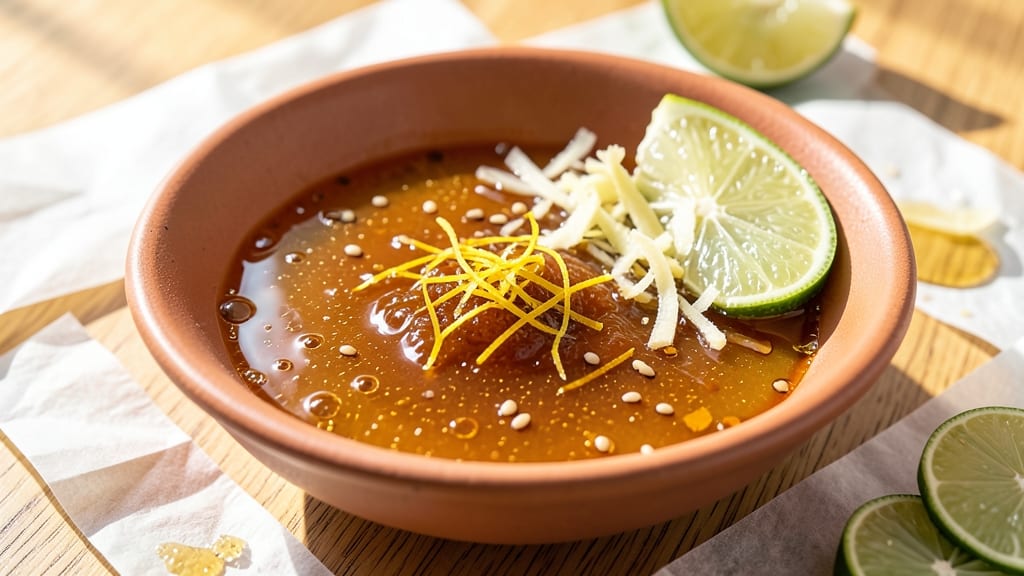
This authentic ponzu sauce recipe transforms simple citrus and soy into a vibrant, umami-rich glaze that elevates seafood dishes to restaurant-quality levels. The balance of yuzu juice (or sub citrus), soy sauce, and dashi creates a tangy, savory depth that's impossible to replicate with bottled versions.
I developed this after years of testing—each ingredient plays a critical role in achieving that signature Japanese harmony.
The emulsification process is where the magic happens. By whisking the sauce vigorously and letting it rest, the flavors meld into a silky, cohesive glaze that clings beautifully to grilled fish or sashimi.
Unlike many recipes, this version includes a touch of mirin for sweetness and optional ginger or chili for heat, allowing you to customize the intensity. The sauce keeps well in the fridge for up to two weeks, making it perfect for meal prep.
What sets this ponzu apart is its versatility. Use it as a marinade for salmon, a dipping sauce for shrimp, or even a dressing for salads. The citrus brightens rich seafood flavors while the soy and dashi add layers of umami that make every bite unforgettable.
This isn't just a sauce—it's a flavor multiplier that turns simple proteins into showstopping meals.
For those new to Japanese cooking, don't worry—this recipe is beginner-friendly. The key is patience during emulsification and precise measurements. Once mastered, you'll never reach for store-bought ponzu again. Let's get started on creating your own batch of this essential sauce.
Ingredients for authentic ponzu sauce
Nine essential ingredients for a sauce that transforms seafood into restaurant-quality dishes.
| Ingredient | Amount | Notes |
|---|---|---|
| Yuzu Juice 🍋 | ½ cup | Fresh or store-bought yuzu juice |
| Soy Sauce 🥢 | ¼ cup | Japanese tamari preferred |
| Mirin 🍶 | 2 tbsp | Sweet rice wine for balance |
| Dashi Stock 🍲 | ½ cup | Homemade or quality bottled |
| Rice Vinegar 🍶 | 1 tbsp | For added tanginess |
| Fresh Ginger 🧄 | 1 tbsp | Grated, optional for heat |
| Red Chili Flakes 🌶️ | ½ tsp | Adjust for spice level |
| Granulated Sugar 🍚 | 1 tbsp | Balances acidity |
| Sesame Oil 🫒 | 1 tsp | Toasted, for aroma |
Yuzu juice is the heart of authentic ponzu, but fresh isn't always available. Substitute with a mix of lemon and yuzu-flavored citrus juice—I grab Yuzu & Co. brand at Asian markets. The soy sauce should be Japanese tamari for depth, but Kikkoman works in a pinch. Dashi stock is non-negotiable—homemade with kombu and bonito flakes gives the best umami, but Hondashi brand is a solid shortcut. For the ginger, freshly grated makes all the difference, but powdered works if you're short on time.
No yuzu? Double the lemon juice and add 1 tsp orange zest—it won't be identical, but close. Skip the mirin? White wine or extra sugar balances the acidity. The sesame oil adds aroma, but if you're avoiding oil, toasted sesame seeds sprinkled on top work too. For heat, substitute sriracha at half the amount. The sugar can be swapped for honey or agave, but it needs to dissolve completely. And remember—this sauce needs time to emulsify, so don't rush the whisking.
Store ponzu in an airtight jar in the fridge for up to 2 weeks. The flavors deepen over time, so make extra. For meal prep, portion into small containers—perfect for marinades or dipping sauces. If it thickens, whisk in a splash of water. Freezes beautifully for 3 months, though texture may separate slightly. Always shake before using to re-emulsify.
Why You'll Love This Recipe
- Five-Ingredient Magic: I swear by this combo—yuzu’s bright zing, mirin’s sweetness, and dashi’s umami depth come together with zero fuss. Honestly, it’s the kind of sauce where you mix, taste, and adjust in under 10 minutes. No blenders, no straining, just pure, vibrant flavor with ingredients you might already have.
- Umami Explosion: That first sip? Chef’s kiss. The dashi and soy sauce build a rich base, but the yuzu cuts through like a citrusy whisper—tart, fresh, and impossible to resist. It’s the kind of sauce that makes you go back for seconds, even if you’re not supposed to.
- Dresses Up Everything: I drizzle it over grilled fish, toss it in noodles, or even use it as a marinade for chicken—it’s my secret weapon for weeknight dinners. Between us, it’s the only sauce I need for summer BBQs, sushi nights, or when I’m too tired to think.
- No Waste, All Flavor: A little goes a long way, so you’ll have leftovers for days without even trying. And since it’s just pantry staples (plus maybe a trip to the Asian market for yuzu), it’s budget-friendly too. I’ve made batches that lasted weeks—perfect for meal prep or gifting to neighbors who love bold flavors.
Step-by-step instructions for authentic ponzu sauce
Here's how to make a perfectly balanced ponzu with bright citrus, rich umami, and just the right amount of heat.
Prepare the Ginger and Combine the Base Ingredients
Start by grating the 1 tablespoon of fresh ginger using a fine grater or microplane. The zest should be bright yellow and finely textured—this releases the aromatic oils that give ponzu its signature depth. Set it aside for now.
In a small saucepan, combine the 0.5 cup yuzu juice, 0.25 cup soy sauce, 2 tablespoons mirin, and 0.5 cup dashi stock. Place the saucepan over medium heat and bring the mixture to a gentle simmer. You'll see tiny bubbles form around the edges—this is your signal that the liquid is heating through. Let it simmer for 3-4 minutes until the mixture reduces slightly and becomes fragrant. The aroma should be a perfect blend of citrus, sweetness, and umami—like a sunny Japanese market.
Add Ginger and Sugar for Balance
Once the base has reduced, remove the saucepan from heat and stir in the grated ginger and 1 tablespoon granulated sugar. The sugar will help balance the acidity of the yuzu juice, creating a harmonious sweet-savory profile. Let the mixture steep off the heat for 5 minutes—this allows the ginger to infuse its flavor without becoming bitter.
After steeping, return the saucepan to low heat and simmer gently for another 2 minutes. You're looking for a sauce that coats the back of a spoon with a glossy sheen—this indicates the right consistency. Taste it now: the acidity should be bright, the umami rich, and the sweetness subtle. If it's too sharp, add a pinch more sugar; if it's too flat, a splash of rice vinegar will wake it up.
Incorporate Chili and Sesame Oil for Depth
With the sauce still warm, stir in the 0.5 teaspoon red chili flakes and 1 teaspoon sesame oil. The chili adds a subtle heat that lingers on the tongue, while the sesame oil brings a nutty aroma that ties everything together. Let the mixture sit for 1 minute—this allows the flavors to meld completely.
Finally, give the sauce a final taste and adjust the seasoning if needed. Traditional ponzu should be tangy, savory, and slightly sweet with a hint of spice. If it's too thin, simmer it uncovered for another 1-2 minutes to reduce further. Once you're happy with the balance, transfer the sauce to a clean jar or bowl. It will continue to develop in flavor as it cools, so let it rest for at least 30 minutes before using—this is when the true magic happens.
Strain and Store for Maximum Flavor
For the smoothest texture, strain the ponzu through a fine-mesh sieve into a clean jar or bottle. This removes any ginger fibers, giving you a silky sauce perfect for drizzling. The strained ponzu will keep in the refrigerator for up to 1 week, though it's best used within 3-4 days for peak freshness.
This authentic ponzu is incredibly versatile—use it as a dipping sauce for sashimi, a glaze for grilled fish or tofu, or a marinade for chicken. The key to its success lies in the balance of flavors, so don't be afraid to taste and adjust as you go. Every batch will be slightly different, and that's what makes it special.
Pro Tips For Making Authentic Ponzu Sauce
- Simmer Slowly: Ponzu isn’t a dump-and-stir sauce—after combining everything, bring it to a gentle simmer (not a rolling boil) and let it reduce for 5-7 minutes. I used to rush this, and the flavors stayed flat and one-dimensional. Let that liquid bubble quietly until it’s syrupy enough to coat the back of a spoon.
- Strain Twice: If you’re using fresh yuzu (or even bottled), strain the mixture through a fine-mesh sieve first to remove pulp, then through cheesecloth for a silky finish. I learned this the hard way—lumpy ponzu ruins the texture, no matter how good the flavors are. Take the extra 30 seconds; your sauce will thank you.
- Balance the Vinegar: Add the rice vinegar last and taste as you go—it’s the acid that can make or break the sauce. If it tastes too sharp, a splash of mirin or even a pinch of sugar (yes, really) smooths it out. I was skeptical until I tried it: the right balance is bright, not sour.
- Use Cold Dashi: Chill your dashi stock before mixing it in—warm dashi will cook out the delicate yuzu aroma faster. Pour it in last, stir, and let the coldness wake up the citrus notes. This isn’t just a detail; it’s the thing that makes your ponzu smell like a Japanese izakaya instead of a generic takeout sauce.
Storing and reheating this dish
Fridge Storage Tips
Store your freshly made ponzu in an airtight glass jar—I prefer Le Parfait 16-ounce jars because they seal tightly and stack neatly. Keep it refrigerated at 40°F or below for up to 2 weeks.
The sauce actually improves in flavor as it rests, so don’t rush to use it all at once. Just before serving, give it a good shake to re-emulsify the natural separation that may occur. 💛
Freezer Preservation
For long-term storage, portion ponzu into ice cube trays—each cube is perfect for a single serving or marinade. Once frozen, transfer the cubes to a freezer-safe bag with all air removed. This method preserves the sauce’s quality for 3 months.
When ready to use, thaw overnight in the fridge or quickly in a bowl of warm water for 10 minutes. Always shake well before using to restore its silky texture.
Reheating for Consistency
If your ponzu thickens after refrigeration, whisk in 1 teaspoon of warm water per 2 tablespoons of sauce to restore its original consistency. For best results, gently reheat in a small saucepan over low heat for 1-2 minutes—never boil, or the delicate citrus flavors will fade.
If you’re using it as a marinade, add it to cold proteins and let them come to room temperature before cooking for even flavor distribution. ✨
Reviving Separated Sauce
Ponzu sometimes separates in the fridge, but don’t toss it! Simply whisk vigorously for 1-2 minutes until smooth again. If it’s still too thick after whisking, add a splash of rice vinegar (about ½ teaspoon) to help break up the separation.
The sauce should return to its original glossy texture. This trick works especially well if you’ve stored it for 1-2 weeks—just give it a good stir before using.
Portioning for Meal Prep
Divide ponzu into small glass jars (like 4-ounce mason jars) for easy grab-and-go use. Label each jar with the date and intended use—whether it’s for a sashimi dipping sauce or a grilled fish glaze.
These portions keep well for 1 week in the fridge and are perfect for quick weeknight meals. The smaller containers also make it easier to thaw frozen portions without wasting extra sauce. 📅
Nutrition facts
Frequently asked questions
Can I substitute yuzu juice if I can't find it?
Use a mix of lemon juice and orange zest—start with 0.4 cup lemon juice plus 1 teaspoon orange zest for every 0.5 cup yuzu juice called for. For extra depth, add ½ teaspoon yuzu-flavored extract (found in Asian markets). The flavor won't be identical, but it'll work in a pinch.
Why does my ponzu sauce separate after refrigeration?
This is completely normal! Ponzu is an emulsion, and the natural oils can separate when chilled. Simply whisk vigorously for 1-2 minutes until smooth again. If it's still too thick, add ½ teaspoon rice vinegar or 1 teaspoon warm water to restore consistency. Always shake well before using.
How spicy should authentic ponzu be?
Traditional ponzu has a subtle, lingering heat—not overwhelming. The 0.5 teaspoon chili flakes in this recipe provide just that. For milder versions, reduce to ¼ teaspoon or omit entirely. If you prefer more heat, add ¼ teaspoon extra chili flakes or a dash of sriracha. Taste as you go!
Can I make ponzu without dashi stock?
Yes, but the umami depth will be compromised. Substitute with ½ cup kombu broth (simmered kombu in water) or ½ cup low-sodium chicken or vegetable broth. For a vegetarian version, use ½ cup mushroom broth. The sauce will still taste good, but it won't have that signature Japanese umami punch.
What's the best way to use leftover ponzu?
Ponzu keeps well for 2 weeks in the fridge, so use it creatively! Drizzle over grilled salmon, use as a marinade for shrimp skewers, or mix with mayo for a tangy ponzu aioli. It also makes a fantastic dressing for seafood salads or a glaze for tofu or chicken. Freeze extras in ice cube trays for single-serving portions.