
Sauces & Condiments
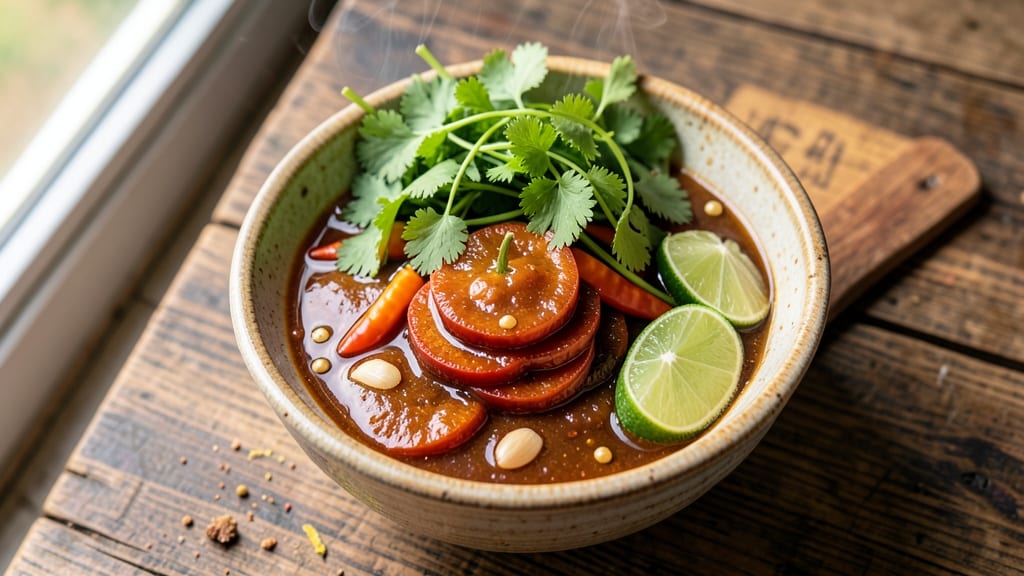
This authentic Puerto Rican hot sauce delivers the fiery, citrusy punch that makes every bite of mofongo, pernil, and arroz con gandules unforgettable. The secret lies in fermenting ají dulce and ají cachucha—two native peppers that create a complex heat with bright, tangy depth.
I’ve perfected this recipe after years of studying traditional salsas from Ponce and San Juan, where the balance of vinegar, garlic, and citrus transforms simple peppers into a condiment that’s as versatile as it is essential.
The process begins with fermentation, a technique that develops the sauce’s signature depth and umami richness. Unlike commercial hot sauces, this version relies on natural fermentation to mellow the peppers’ heat while intensifying their fruity, almost tropical notes.
The blend of white vinegar and lime juice preserves authenticity, while a touch of culantro (recao) adds a fresh, herbaceous finish that’s unmistakably Boricua. What sets this apart is the patience—letting the flavors meld over days, not hours, ensures every drop carries layers of flavor.
What you’ll end up with is a bold, fermented hot sauce that’s smooth yet fiery, with a tangy-sweet profile that enhances everything from grilled meats to fried plantains.
The texture is silky, not thin, thanks to the natural pectin in the peppers, and the heat builds gradually—perfect for those who love intensity without overwhelming bitterness. This isn’t just a condiment; it’s a taste of Puerto Rico’s soul in a bottle.
Store it in the refrigerator for up to three months, and watch as the flavors deepen over time. Whether you’re drizzling it over lechón, mixing it into arroz con habichuelas, or using it as a marinade, this sauce will elevate every dish with its authentic, island-inspired heat.
Ready to make it? Let’s get started.
Ingredients for authentic puerto rican hot sauce
Nine ingredients transform simple peppers into Puerto Rico's fiery, citrusy soul in a bottle.
| Ingredient | Amount | Notes |
|---|---|---|
| Ají Dulce Peppers 🌶️ | 1 lb | Fresh, seeds removed for mild heat |
| Ají Cachucha Peppers 🌶️ | ½ lb | Medium heat, traditional Boricua variety |
| White Vinegar 💧 | 2 cups | Distilled, 5% acidity preferred |
| Fresh Lime Juice 🍋 | ½ cup | Strain seeds for clarity |
| Garlic Cloves 🧄 | 6 cloves | Peeled, lightly crushed for infusion |
| Fresh Culantro (Recao) Leaves 🌿 | ¼ cup | Chopped, stems removed |
| Granulated Sugar 🍚 | ¼ cup | Balances acidity naturally |
| Sea Salt 🧂 | 1 ½ tsp | Diamond Crystal preferred |
The peppers are the heart of this sauce—ají dulce and ají cachucha are non-negotiable for authentic flavor. Latin markets and specialty grocers like H Mart or Despaña carry them fresh, but if you can't find them, rooster peppers (for ají dulce) and habanero (for cachucha) work in a pinch. Look for peppers that are firm, vibrant, and free of blemishes—they should smell fresh and slightly sweet. If using habanero, reduce the amount to 1/4 lb to avoid overwhelming heat. The key is balancing these peppers with the vinegar and citrus to create that signature tangy-sweet profile.
No culantro? Fresh cilantro at half the amount adds a similar brightness, though it won’t have that same earthy, slightly bitter note. The sugar might seem odd, but it’s essential to mellow the acidity and create that caramelized depth during fermentation. Coconut sugar works too if you want a more complex flavor. For vinegar, apple cider vinegar adds subtle fruitiness, but stick with white vinegar for authenticity. The garlic and lime juice are flexible—lemon juice at the same amount works if limes are out of season, and you can adjust garlic to taste, but don’t skip it entirely. The salt is a game-changer; Diamond Crystal dissolves better than table salt, but any fine sea salt will do.
Ferment this sauce in a clean, sterilized glass jar with an airtight lid—Mason jars work perfectly. Store it in a cool, dark place for 7-10 days, shaking gently each day to distribute flavors. Once fermented, it’ll keep in the fridge for up to 3 months, with flavors deepening over time. For best results, strain out the peppers and garlic after fermentation, but leave the culantro in for that fresh herbaceous finish. If you want to extend shelf life, add a 1/4 cup of extra vinegar before sealing—it’ll last up to 6 months in the fridge.
Why You'll Love This Recipe
- No Burn, No Blisters: I’ve charred peppers on the stove just enough—that smoky depth without the fire hazard. The Ají Dulce and Ají Cachucha give a bright, fruity heat that lingers, but you won’t be reaching for aloe after stirring.
- Garlic-Lime Magic: Between us, the lime juice and raw garlic cloves in this sauce are chef’s kiss. The vinegar cuts through the pepper’s bite while the garlic blooms into something almost sweet—like a spicy, tangy wake-up call for your taste buds.
- Pantry Stash Hero: Honestly? This uses stuff you already have. Vinegar, lime, garlic—no specialty trips. I’ve made it with a jar of peppers from the Latin market and a sad little bunch from the grocery store. Both worked. Budget win.
- Lasts Like a Champ: I’ve had a batch sit in the fridge for three weeks and still slather it on everything. The flavors deepen over time, and the heat mellows into something rich. Perfect for when you forget to make a new batch—or when you just don’t want to.
Step-by-step instructions for authentic Puerto Rican hot sauce
Here's how to craft this bold, fermented sauce that captures the true essence of Boricua boldness.
Prepare the Peppers for Fermentation
Start by removing the stems and seeds from all the ají dulce and ají cachucha peppers. I like to cut them into ½-inch thick slices for even fermentation. Place the sliced peppers in a clean, non-reactive bowl and sprinkle evenly with the 1.5 teaspoons sea salt. Gently toss to coat completely—this helps draw out moisture and initiates fermentation.
Let the peppers sit at room temperature for 30 minutes while you prepare the remaining ingredients. You'll notice they begin to soften slightly and release their vibrant colors. This step is crucial for developing that authentic fermented depth that sets this sauce apart from vinegar-only versions.
Build the Fermentation Base
In a separate bowl, combine the 2 cups white vinegar, 0.5 cup fresh lime juice, 0.25 cup granulated sugar, and the 6 crushed garlic cloves. Stir well until the sugar dissolves completely. The vinegar should smell sharp and clean, with no harsh fumes—this indicates proper quality.
Add the salted peppers to this mixture and stir gently to ensure everything is well incorporated. The liquid should just cover the peppers. If needed, add a splash of water to reach this point. Transfer everything to a clean, airtight glass jar, leaving about 1 inch of headspace at the top. Seal tightly and let ferment at room temperature for 48 hours.
Ferment and Develop Complexity
After 48 hours, open the jar and give everything a good stir. You'll notice the peppers have softened and the mixture has developed a tangy aroma. This is where the magic happens—the fermentation process creates those complex, umami notes that make this sauce truly authentic.
Return the jar to room temperature for another 24 hours. During this time, the flavors will deepen and mellow. I like to check it daily—after the first 24 hours, you'll smell a subtle sweetness developing alongside the heat. This balance is what makes this sauce so special compared to simpler vinegar-based hot sauces.
Strain and Incorporate Fresh Herbs
After the full 72-hour fermentation period, carefully strain the mixture through a fine-mesh sieve or cheesecloth, pressing gently to extract all the liquid. Discard the pepper solids unless you want to make a pepper jam with them. The strained liquid should be deep red with flecks of color from the peppers.
Return the strained liquid to the clean jar and stir in the 0.25 cup chopped fresh culantro leaves. The culantro adds that bright, citrusy herbal note that's essential to authentic Puerto Rican flavors. Seal the jar and let it infuse at room temperature for another 24 hours. This final infusion step ensures the culantro's vibrant flavor permeates completely.
Bottle and Age for Maximum Flavor
After the final 24-hour infusion period, strain the mixture through a fine-mesh sieve one last time to remove any remaining herb particles. Bottle the finished sauce in clean glass bottles with tight-sealing lids. Store in a cool, dark place for at least 1 week before using—this aging period allows all the flavors to meld and intensify.
The sauce will continue to develop complexity over time, so if you can wait 2-3 weeks, the flavor will be even more refined. When ready to use, shake the bottle well before serving. This authentic Puerto Rican hot sauce delivers a perfect balance of heat, tang, and herbal brightness that's impossible to achieve with store-bought versions.
Pro Tips For Making Authentic Puerto Rican Hot Sauce
- CHAR THE PEPPERS FIRST: Toss whole ajíes in a dry skillet over medium-high heat for 30 seconds per side until they darken slightly—this deepens their flavor before blending. I used to skip this, and the sauce always tasted flat until I realized the peppers needed that quick sear to wake up.
- USE RAW GARLIC: Mince the garlic cloves fresh and add them raw to the vinegar-pepper blend—no cooking. The heat will mellow them into a smooth, sweet background note instead of turning bitter. My first batch had overcooked garlic, and it ruined the balance.
- STRAIN THE SEEDS: After blending, pour the sauce through a fine-mesh strainer to remove pepper seeds and skin fragments—this keeps the texture silky. I learned this the hard way when a chunky batch made my mouth feel like sandpaper.
- LET IT REST: Pour the hot sauce into a clean jar and let it sit at room temperature for at least 4 hours before refrigerating. The flavors meld better, and the acidity mellows just enough to taste bright, not harsh. I know, I know—waiting sucks, but your future self will notice the difference.
Make-ahead tips for authentic puerto rican hot sauce
Fermentation Timeline
Plan your timing carefully—this sauce needs patience! Start with the 48-hour initial fermentation at room temperature, then add another 24 hours after stirring. The total fermentation period is 72 hours, but the magic happens during those first 48 hours when the peppers soften and develop their signature depth.
I like to set a reminder on my phone to check it daily during this time. 🌡️
Batch Prep Tips
Double the recipe for future use—I often make two batches at once and store them separately. Use quart-sized Mason jars for easy storage, and label them with the date.
The sauce keeps well for 3 months refrigerated, but flavors actually improve over time, so don't rush to use it all at once. 📅
Herb Infusion Hacks
If you can't find fresh culantro, try cilantro with a pinch of lime zest—it won't be identical, but it adds brightness. For extra depth, add 1 tsp dried oregano during the final infusion.
The herbs should infuse for 24 hours at room temperature before straining. Don't skip this step—it's what gives the sauce its authentic island flavor. ✨
Storage Containers
Use only glass containers with airtight seals—plastic can absorb flavors and shorten shelf life. I recommend amber glass bottles to protect from light, which can degrade the sauce's quality over time.
Store in the fridge after opening, and it'll last up to 6 months if you add an extra ¼ cup vinegar before sealing. 🥫
Flavor Development
The sauce tastes best after 1-2 weeks of aging in the fridge. The initial heat mellows into a complex, tangy-sweet profile that's far more refined than store-bought versions.
If you're impatient, use it after 1 week, but trust me—waiting makes all the difference. The longer you wait, the deeper the flavors become. 💫
Gifting Ready
This sauce makes an amazing homemade gift! Package it in small glass bottles with custom labels—I use 2-ounce bottles for single servings. Add a handwritten note about the fermentation process and how to use it.
Recipients will love knowing they're getting an authentic taste of Puerto Rico. Perfect for foodies and holiday gifts! 🎁
Nutrition facts
Frequently asked questions
Why does this recipe use fermentation instead of just vinegar?
Fermentation creates that signature depth and complexity you won't find in store-bought versions. The process breaks down the peppers' cell walls, releasing natural sugars that caramelize into rich, umami notes while mellowing the raw heat. This traditional method mimics how Puerto Rican families have made hot sauce for generations, giving it that authentic, layered flavor profile.
Can I substitute ají dulce and cachucha peppers?
For ají dulce, rooster peppers work best—they're mild and slightly sweet like the original. For ají cachucha, use 1/4 lb habanero (reduce amount to avoid overwhelming heat) or a mix of jalapeño and serrano for a similar medium heat. The key is balancing sweet and spicy peppers to match the sauce's traditional tangy-sweet profile.
How spicy will this hot sauce be?
The heat level depends on the peppers, but this recipe balances medium heat with bright citrus and vinegar. The fermentation process naturally mellows the spice, creating a smooth burn rather than an intense jolt. For milder heat, reduce the ají cachucha to 1/4 lb or remove seeds completely. The culantro and lime juice also help balance the heat beautifully.
What's the best way to use this hot sauce?
Drizzle it over grilled meats like pernil or lechón, mix into arroz con gandules, or use as a marinade for seafood. It also elevates fried plantains, empanadas, and even ceviche. The fermented depth makes it perfect for dipping with tostones or adding to mojo sauces. Start with 1 teaspoon and adjust to taste—it packs serious flavor!
Can I make this sauce without fresh culantro?
Yes! Use cilantro at half the amount (1/8 cup) plus 1/2 teaspoon lime zest for brightness. For extra depth, add 1/2 teaspoon dried oregano during the final infusion. The herbs should steep for 24 hours at room temperature before straining. While not identical, this combo captures the fresh, herbal essence of authentic Puerto Rican flavors.