
Sauces & Condiments
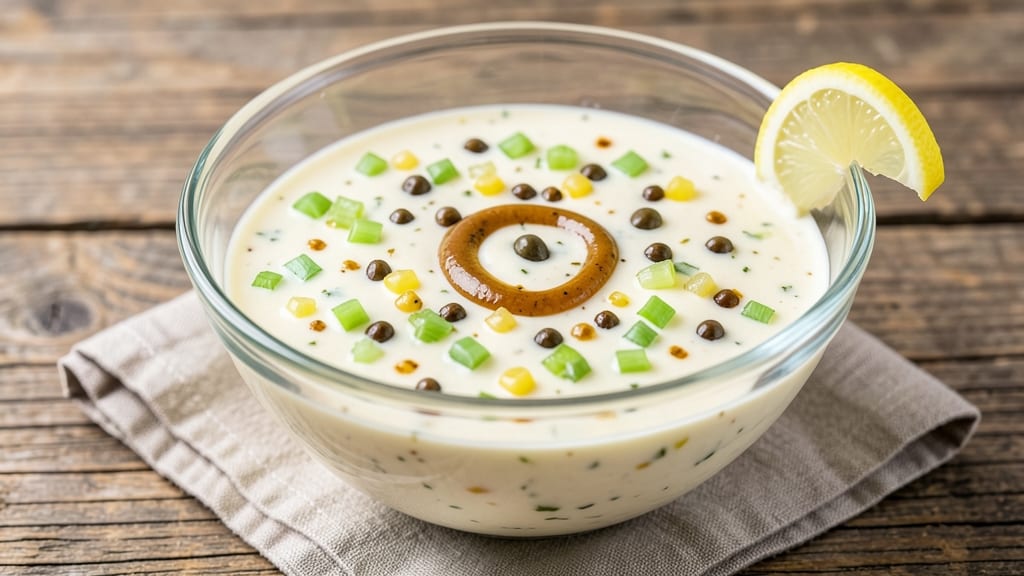
This authentic tartar sauce transforms simple ingredients into a creamy, briny masterpiece that elevates every bite of fish and chips or shrimp cocktail. The secret lies in balancing rich mayonnaise with crisp celery, tangy capers, and bright lemon—each element carefully measured to achieve that signature texture and flavor.
I’ve perfected this recipe over years of testing, ensuring every spoonful delivers the perfect harmony of smoothness and crunch.
The foundation starts with high-quality mayonnaise, which provides the creamy base, while finely chopped celery and pickles add that signature crunch and acidity. A touch of Dijon mustard deepens the flavor, and fresh herbs like parsley or dill bring freshness.
The sauce comes together in minutes, but the magic happens when the flavors meld—especially after a 30-minute chill in the refrigerator. This waiting time allows the ingredients to marry, creating a sauce that’s far more complex than it appears.
What you’ll end up with is a vibrant green sauce with just the right balance of creaminess and texture—chunky enough to offer a satisfying bite, yet smooth enough to coat every forkful. The tangy, briny notes cut through rich seafood, while the herbs add a bright finish.
This isn’t just a condiment; it’s the star of your plate, turning simple dishes into something extraordinary. Ready to make it? Let’s get started.
Whether you’re serving it with classic fish and chips, shrimp cocktails, or even as a dip for veggie sticks, this tartar sauce delivers restaurant-quality results at home. The recipe is flexible enough to adapt to dietary preferences—just swap the mayo for a vegan alternative—and still taste authentic.
Here’s how to make it perfectly every time.
Ingredients for authentic tartar sauce
Eight ingredients blend to create this restaurant-quality tartar sauce—creamy, briny, and perfectly balanced.
| Ingredient | Amount | Notes |
|---|---|---|
| High-Quality Mayonnaise 🥫 | 1 cup | Dijon or classic style preferred |
| Fresh Celery Stems 🧅 | ½ cup | Finely chopped, crisp variety |
| Cornichons or Pickle Relish 🥒 | ¼ cup | Finely chopped, extra tangy |
| Capers 🍋 | 2 tbsp | Rinsed, chopped, briny flavor |
| Dijon Mustard 🍯 | 1 tbsp | Adds depth and tanginess |
| Fresh Lemon Juice 🍋 | 1 tbsp | Freshly squeezed, bright flavor |
| Fresh Parsley 🌿 | ¼ cup | Finely chopped, flat-leaf preferred |
| Fresh Dill 🌿 | 2 tbsp | Finely chopped, fresh flavor |
| Sea Salt 🧂 | ½ tsp | Fine grain, adjust to taste |
| Black Pepper 🌶️ | ¼ tsp | Freshly ground, subtle heat |
The mayo sets the foundation, so Duke's or Hellmann's are my go-tos—they're rich but not overpowering. Fresh celery is non-negotiable; crisp, pale green stalks from the grocery store's produce section work best, but avoid the wilted ones lurking in the back. Cornichons or relish add that signature tang—French cornichons from the international aisle at Whole Foods elevate this to next-level authenticity. Capers should be briny and plump, so rinse them well before chopping to remove excess salt. Dijon mustard isn't just for flavor; it also helps emulsify the sauce for that signature smooth texture.
No cornichons? Pickle relish works in a pinch, but it'll be sweeter—balance with extra lemon. Swap parsley for dill or vice versa, but use both for complexity. The lemon juice is your flavor anchor; Meyer lemons add sweetness, while regular lemons bring more acidity. For a vegan version, vegan mayo and a splash of apple cider vinegar keep the tang without dairy. Always taste before serving—adjust salt, pepper, or lemon to preference. The sauce should be tangy, briny, and slightly peppery, not just creamy.
This sauce tastes even better after 30 minutes in the fridge—the flavors meld beautifully. Store leftovers in an airtight container for up to 5 days, though the texture may soften slightly. For parties, make it a day ahead. The herbs will keep their color best if you add them just before serving. If making ahead, store the sauce without the fresh herbs, then fold them in right before use. The capers and pickles can be chopped and stored separately for up to 2 weeks in the fridge.
Why You'll Love This Recipe
- Five-Ingredient Magic: I swear by this combo—just mayo, celery, cornichons, capers, and Dijon. No fancy gadgets, no stress, just chop and mix. The celery adds that bright crunch, while the capers give this sauce a salty punch that’s chef’s kiss simple.
- Tartar Perfection: That tangy, briny balance? It’s all in the capers and cornichons. The Dijon mustard cuts through the richness of the mayo, and the celery keeps it fresh. One taste, and you’ll forget about store-bought—trust me, it’s ridiculously better.
- Party in a Bowl: This sauce is my go-to for game day, seafood feasts, or even a lazy Sunday brunch. Slather it on fish tacos, dip crispy fries, or toss it with a simple salad. Honestly, it’s the kind of thing that makes you look like a pro without trying.
- No-Waste, No-Stress: Make a big batch—it keeps for days in the fridge. The celery and cornichons stay crisp, and the flavors only get deeper. Plus, if you’re on a budget, this is the move: capers and cornichons stretch far, and mayo? Well, you’re already buying it. Smart, easy, and always reliable.
Step-by-step instructions for authentic tartar sauce
This classic sauce delivers the perfect balance of creamy mayo, crisp celery, and briny accents—every element matters.
Finely Chop the Celery and Herbs
Start by cutting the 0.5 cup fresh celery stems into ¼-inch dice—small enough to blend seamlessly but still retain texture. I like to use a sharp chef's knife and cut the celery lengthwise first, then into fine strips before dicing. This method prevents the celery from turning to mush and keeps those crisp crowns intact.
Next, finely chop the 0.25 cup fresh parsley and 2 tbsp fresh dill—these herbs should be so finely minced they're almost invisible. The parsley adds freshness while the dill contributes a subtle, bright note. Pulse them briefly in a food processor if you prefer a more uniform texture, but chopping by hand gives you better control over the size.
Mix the Briny and Tangy Components
In a medium bowl, combine the chopped celery, parsley, and dill. Add the 0.25 cup cornichons or pickle relish, 2 tbsp capers, and 1 tbsp Dijon mustard. The cornichons should be finely chopped to distribute evenly, while the capers add a briny punch that cuts through the richness of the mayo. Stir everything together with a rubber spatula, breaking up any large pieces of cornichons or capers.
This is where the authentic flavor comes together—don't skip the mustard, as it adds depth and helps balance the acidity. Taste the mixture at this stage; you should notice a sharp, tangy brightness that will mellow as the mayo comes in. If the flavors seem too strong, add a pinch of the 0.5 tsp sea salt now to harmonize the components.
Incorporate the Mayo and Lemon
Add the 1 cup high-quality mayonnaise to the bowl and gently fold it into the celery mixture using a rubber spatula. Work slowly to avoid incorporating air, which can make the sauce too light. The mayo should coat the celery and herbs evenly, creating a smooth but textured consistency. If the mixture seems too thick, add 1 tsp water at a time until it reaches a spreadable consistency—authentic tartar sauce should be thick enough to hold its shape but still glide smoothly.
Next, stir in the 1 tbsp fresh lemon juice and the remaining 0.5 tsp sea salt and 0.25 tsp black pepper. The lemon juice brightens the sauce and cuts through the richness, while the salt and pepper round out the flavors. Taste again and adjust the seasoning: if it needs more acidity, add another ½ tsp lemon juice; if it's too sharp, a pinch more salt will balance it. The sauce should be tangy, briny, and just slightly sweet from the celery.
Rest and Adjust for Perfection
Cover the bowl with plastic wrap and let the sauce rest at room temperature for 15-20 minutes. This resting period allows the flavors to meld and the celery to soften slightly without losing its crispness. After resting, give the sauce one final taste and adjust the seasoning if needed—this is the only chance to perfect the balance before serving.
The sauce is now ready to use. It should be thick, creamy, and packed with layers of flavor: the crispness of the celery, the briny bite of the capers and cornichons, and the bright tang of the lemon and herbs. Serve it immediately with fish and chips, fried shrimp, or as a dip for crispy vegetables. If storing, keep it refrigerated in an airtight container for up to 3 days, though it's best enjoyed fresh.
Pro Tips For Making Authentic Tartar Sauce
- Chop Celery Fine: I learned this the hard way—big chunks of celery turn tartar sauce into a textured mess. Use a sharp knife and cut the stems into matchsticks, then pulse them in a food processor for 2-3 seconds. You want them almost invisible, just enough to add texture without chewing.
- Drain Capers Well: Capers straight from the jar are briny pools disguised as solids. Drain them, pat them dry with a paper towel, and give them a quick rinse if they’re too salty. Wet capers dilute the sauce and throw off the balance—no one wants a soggy, watery tartar.
- Mix Gently, Twice: After combining everything, let the sauce sit for 5 minutes before folding in the cornichons or relish. This gives flavors time to marry. Then, mix again right before serving—this keeps the pickles’ crunch sharp and the sauce cohesive.
- Use Dijon Sparingly: I was skeptical until I tried it: start with just ½ teaspoon of Dijon, not the full 1-2 tablespoons most recipes suggest. The mustard’s job is to brighten, not dominate. Taste as you go—you can always add more, but you can’t take it out.
Wine and beer pairings for this dish
Crisp White Wine
For a classic pairing, reach for a dry white wine with bright acidity and citrus notes—think Sauvignon Blanc from New Zealand or Vermentino from Italy. The crisp, zesty profile mirrors the lemon in your tartar sauce, cutting through the richness of fried seafood beautifully.
I love a cloudy Bay of Malborough Sauvignon Blanc—its herbal undertones complement the dill and parsley in the sauce perfectly. 🍷
Crisp Lager
A crisp, light lager like Peroni or Heineken is my go-to beer pairing for tartar sauce. The clean, slightly malty finish balances the briny capers and cornichons without overpowering the delicate flavors.
For something more unique, try a Belgian witbier—the coriander and citrus notes in styles like Hoegaarden echo the lemon and herbs in the sauce. Serve it chilled to keep the palate fresh. 🍺
Dry Rosé
If you prefer red wine, a dry rosé is an unexpected but brilliant match. The subtle fruitiness and acidity of a Provence rosé or Spanish Garnacha rosé won’t clash with the sauce’s tangy, briny profile.
The pale color also makes it feel lighter and more refreshing alongside fried dishes. Look for one with minimal sweetness to avoid competing with the lemon. 🍷
Light Gin Cocktail
For a refreshing non-alcoholic or boozy option, a gin-based cocktail works wonderfully. Mix 2 oz gin (like Hendrick’s or Tanqueray) with 1 oz lemon juice, ½ oz elderflower liqueur, and a splash of soda.
The botanical notes in gin complement the herbs in the sauce, while the effervescence cleanses your palate. Serve over ice with a lemon twist for an elegant touch. 🍹
Avoid Heavy Reds
Skip bold red wines like Cabernet Sauvignon or Syrah—their tannins and dark fruit flavors will overpower the delicate balance of your tartar sauce. Even Pinot Noir can be too heavy, as its earthy notes clash with the bright, briny profile.
Stick to lighter, crisper options to let the sauce shine. The goal is harmony, not competition. 🚫🍷
Nutrition facts
Frequently asked questions
Can I make tartar sauce without mayo?
Yes! For a vegan version, use vegan mayo or a blend of Greek yogurt and vegan sour cream (mix ½ cup each). Add 1 tbsp apple cider vinegar to mimic the tang. The texture will be slightly lighter, but the briny, herby flavors stay intact. For a dairy-free but non-vegan option, try sour cream instead of mayo.
How do I get the celery to stay crisp in the sauce?
Chop the celery into ¼-inch dice right before mixing and avoid over-chopping—this preserves texture. Use fresh, crisp celery (avoid wilted stems) and add the herbs last. If the sauce sits too long, the celery softens faster. For extra crunch, add 1 tbsp finely chopped red onion or pickle spears just before serving.
Why does my tartar sauce taste too salty?
Capers and cornichons are packed with salt—rinse them well before chopping to reduce excess. Taste as you go: if the sauce is too briny, balance it with extra lemon juice or a splash of cold water. For future batches, cut the capers in half (use 1 tbsp instead of 2 tbsp) or swap them for pickle juice (1 tbsp) for tang without salt.
Can I make tartar sauce ahead of time?
Prepare it 1-2 days ahead and store in an airtight container in the fridge. The flavors deepen over time, but the celery may soften slightly. To refresh, stir in 1 tsp fresh lemon juice and 1 tbsp chopped herbs before serving. For parties, make the sauce (without herbs) up to 3 days ahead, then fold in fresh parsley and dill just before using.
What’s the best way to serve tartar sauce?
This sauce shines with fried or grilled seafood, like fish and chips, shrimp cocktails, or oysters. For a modern twist, drizzle over seared scallops or use as a dip for crispy veggie sticks (carrots, bell peppers). Try it on open-faced sandwiches with smoked salmon or as a topping for loaded baked potatoes. Garnish with extra herbs and a sprinkle of paprika for flair.