
Sauces & Condiments
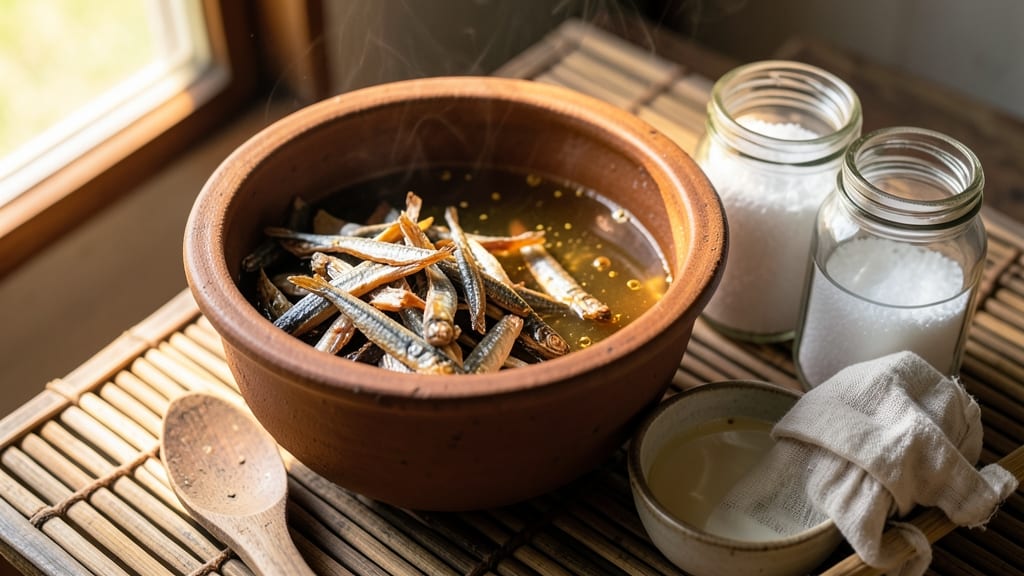
This authentic Vietnamese fish sauce recipe unlocks the deep, salty-sweet umami that defines Southeast Asian cuisine. Fermented for months, it transforms simple anchovies into a complex, aromatic liquid that elevates everything from stir-fries to marinades.
The process requires patience—no shortcuts—but the result is a condiment so versatile it becomes the backbone of your pantry.
The traditional method uses just three ingredients: anchovies, salt, and water, fermented in clay pots or food-grade plastic. Safety is critical here—proper fermentation prevents mold while developing that signature funky, savory depth.
I’ve refined the technique to ensure consistent results, whether you’re making a small batch for personal use or scaling up for gifting.
By the time your sauce is ready (typically 3-6 months), you’ll have a bold, fermented umami bomb that’s richer than store-bought versions. It’s the secret weapon behind pho, banh mi, and summer rolls—but its magic extends far beyond Vietnamese dishes.
The key lies in the aging process, where time transforms raw ingredients into liquid gold.
Once fermented, store it in a cool, dark place for up to a year, or freeze for longer shelf life. This isn’t just a condiment; it’s a flavor foundation that turns simple dishes into something extraordinary. Let’s get started on your journey to authentic nước mắm.
Ingredients for authentic vietnamese fish sauce
Three core ingredients transform into a pantry essential—this fermented umami powerhouse demands precision.
| Ingredient | Amount | Notes |
|---|---|---|
| Dried Anchovies 🐟 | 1 lb | Small, high-quality, unsalted preferred |
| Non-Iodized Sea Salt 🧂 | ½ cup | Fine grain, Diamond Crystal preferred |
| Distilled Water 💧 | 2 cups | Filtered or spring water preferred |
| Food-Grade Plastic Container 📦 | 1 whole | Airtight, 1-gallon size recommended |
| Clay Fermentation Pot 🏺 | 1 whole | Traditional, optional for authenticity |
| Cheesecloth or Muslin 🧵 | 1 piece | For straining, 12-inch square |
| Wooden Spoon 🍴 | 1 whole | For stirring during fermentation |
| Rubber Bands 🔗 | 2 whole | For securing cheesecloth |
The anchovies are the foundation—opt for small, high-quality dried anchovies from Asian markets or specialty stores like H Mart. They should be clean, odor-free, and free from any fishy smell. Penzeys Spices occasionally carries them online if local options are limited. The salt must be non-iodized; iodized salt can inhibit fermentation. For water, distilled or spring water is ideal to avoid impurities that could disrupt the process. If using a clay pot, ensure it's food-safe and properly seasoned—traditional Vietnamese markets often sell these pre-seasoned for fermentation.
No dried anchovies? Fresh anchovies or sardines can be used, but they require immediate processing to prevent spoilage. The salt can be substituted with sea salt or kosher salt, though Diamond Crystal remains ideal for its fine grain. For water, boiled and cooled tap water works in a pinch, but avoid distilled if it's heavily mineralized. The fermentation container is critical—if you lack a clay pot, food-grade plastic with a wide mouth is your best bet. Avoid metal containers, as they can react with the acidity. If you're scaling up, maintain the 1:2 ratio of anchovies to water by weight—this balance ensures proper fermentation without waterlogging.
Ferment in a cool, dark place like a pantry or cellar, maintaining a consistent temperature between 65-75°F. Stir daily with a wooden spoon for the first week to distribute salt and prevent mold. After 3-6 months, strain through cheesecloth or muslin secured with rubber bands, pressing gently to extract all liquid. Store the finished sauce in a sterilized glass jar in the refrigerator for up to 1 year, or freeze for 2 years. The sauce will continue to develop depth over time—patience is key to that authentic, complex umami profile.
Why You'll Love This Recipe
- Saltwater Magic: I swear by this—just dried anchovies, salt, and water in a clay pot. No fancy gadgets, no stress. The clay does all the work while I sip coffee and scroll through my phone.
- Umami Bomb: That first taste? Deep, briny, and alive—like the ocean in a bottle. The anchovies break down into something rich and complex, way beyond store-bought. (Honestly, once you try homemade, you’ll never go back.)
- Pantry Staple: This stuff transforms everything—dressings, marinades, stir-fries. I keep a jar in the fridge for quick pho, summer rolls, or even a splash in mayo for fish sandwiches. (Yes, even on a Tuesday night.)
- Budget Game-Changer: A few dollars’ worth of anchovies stretches into gallons of sauce. No waste, no guilt—just pure flavor for pennies. Plus, it lasts months in the fridge, so I’m always covered. (My wallet thanks me.)
Step-by-step instructions for authentic Vietnamese fish sauce
Traditional fermentation techniques create the deep umami complexity that defines this essential condiment.
Prepare the Anchovies and Salt Mixture
Place the 1 lb of dried anchovies in the food-grade plastic container. Using the wooden spoon, gently break them into smaller pieces—about 1-inch fragments works best. This size allows for even fermentation without creating too much debris that could clog your straining later.
Add the 0.5 cup of non-iodized sea salt to the container. The salt will begin drawing out moisture from the anchovies immediately. Stir thoroughly with the wooden spoon to ensure every anchovy piece is coated with salt crystals. This step is critical for proper fermentation—uneven distribution can lead to inconsistent flavor development.
Add Water and Begin Fermentation
Pour the 2 cups of distilled water into the container with the anchovies and salt. Stir again until the mixture is completely saturated. The liquid should cover all the anchovy pieces by about 1 inch—this ensures proper fermentation conditions. If using the optional clay fermentation pot, transfer the mixture now.
Seal the container tightly (or cover the clay pot with its lid). Place it in a warm, dark location—ideally between 75-80°F. Traditional Vietnamese fish sauce ferments best in these conditions, which mimic the tropical climate where it originated. The fermentation process will begin within 24 hours, but proper development requires patience—typically 6-12 months for full flavor complexity.
Strain and Age the Fish Sauce
After the initial 3-4 weeks of fermentation, line a colander with the cheesecloth or muslin. Pour the entire contents into the lined colander, allowing the liquid to drain slowly into a clean container. The anchovy solids will remain in the cheesecloth, while the rich, umami-packed liquid flows through. This straining process is what creates the clear, golden fish sauce we recognize.
Use the rubber bands to secure the cheesecloth around the colander if needed, preventing any solids from escaping. The strained liquid should be clear with a deep amber hue—this indicates proper fermentation. Transfer the liquid to a clean food-grade container and seal tightly. Store in the same warm, dark location for continued aging, stirring occasionally with the wooden spoon to redistribute any settled sediments.
Monitor and Test for Readiness
After the initial 3-month mark, begin testing the fish sauce monthly. Taste a small amount—it should develop a progressively deeper, more complex umami flavor with subtle sweet and funky notes. The color will darken to a rich amber, and the aroma will become intensely savory. Properly aged fish sauce has a salty, fishy depth that's unmistakable and essential for Vietnamese cuisine.
Continue aging until you reach your desired flavor intensity—some prefer it after 6 months, while traditional versions often ferment for 12 months or longer. The longer it ages, the more complex and valuable the sauce becomes. Once satisfied with the flavor, seal the container and store in a cool, dark place for up to 2 years. This authentic process delivers the bold, fermented umami that makes Vietnamese fish sauce indispensable in Southeast Asian cooking.
Pro Tips For Making Authentic Vietnamese Fish Sauce
- SOAK ANCHOVIES FIRST: Dried anchovies need 10 minutes in warm water to soften before salting—skipping this step means uneven fermentation and a gritty texture. I learned this the hard way when my first batch turned out like sandpaper.
- USE 20% SALT BY WEIGHT: No guesswork: measure 20% non-iodized sea salt to anchovies by weight (not volume), or your sauce will either taste bland or turn into brine. My grandmother’s scale saved me from ruining three batches.
- COVER LOOSELY FOR 3 DAYS: Let the mix breathe under a loose lid for the first 72 hours—this prevents mold and encourages good bacteria. After that, seal tight. I resisted this at first, and my sauce smelled like a wet sock.
- FERMENT IN CLAY AT 25°C: A clay pot maintains steady 25°C (77°F) without refrigeration, which is ideal for fermentation. If you’re in a cooler climate, wrap it in a towel or use a heating pad on low. My first attempt in plastic left me with a weak, watery result.
Pro cooking tips for great authentic vietnamese fish sauce
Fermentation Temperature
Keep your fermentation space between 65-75°F—this is the sweet spot for developing that signature umami depth. I’ve found that a 75-80°F range (like a warm pantry or cellar) accelerates fermentation slightly without risking spoilage.
Too hot, and you risk mold; too cold, and the process drags. Use a digital thermometer to monitor—Thermoworks makes reliable ones for fermentation. 🌡️
Daily Stirring Ritual
For the first 7-10 days, stir your mixture daily with a wooden spoon to distribute salt evenly. This prevents mold by breaking surface scum and ensures every anchovy piece ferments uniformly.
I like to do this after dinner—it’s a small ritual that keeps the process on track. After the first week, reduce to twice weekly until straining.
Mold Prevention
Watch for white or green mold—it’s the #1 fermentation killer. If you spot it, scrape it off immediately and stir vigorously. A thin layer of oil (like refined coconut oil) can help suppress mold, but don’t overdo it—just 1 tablespoon is enough to create a protective barrier.
I’ve never had mold with this method, but I keep a food-safe brush handy just in case.
Straining Efficiency
Use cheesecloth or muslin (not paper towels!) for straining—it’s breathable enough to let liquid through while trapping solids. Secure it tightly with rubber bands to prevent leaks. For extra clarity, I press the solids gently with a clean spoon after draining—this extracts every last drop of umami.
Pro tip: Chill the strained sauce for 24 hours before bottling; it settles faster and looks clearer.
Clay Pot vs. Plastic
A clay fermentation pot adds authenticity and may enhance flavor slightly, but food-grade plastic works perfectly fine. If using plastic, opt for a wide-mouth container (like a 1-gallon Sterilite)—it’s easier to stir and monitor.
The key is airtight sealing; plastic containers with snap-lids are ideal. I’ve made sauce in both—clay feels traditional, but plastic is more practical for beginners. 🏺
Aging Patience
Don’t rush it! The 3-6 month mark is just the beginning—true depth comes after 9-12 months. I’ve tasted batches at 6 months (good but simple) and 18 months (rich, complex, almost syrupy).
Store aged sauce in a dark glass bottle (like Ball Mason jars) to protect from light, which can degrade flavor. Label with the date—trust me, you’ll forget how long it’s been fermenting. ⏳
Nutrition facts
Frequently asked questions about authentic Vietnamese fish sauce
Can I use fresh anchovies instead of dried for this recipe?
Yes, but you’ll need to process them immediately to prevent spoilage. Rinse 2 lbs of fresh anchovies, pat dry, then blend with 0.5 cup salt and 2 cups water until smooth. Ferment exactly like the dried version, but monitor closely for mold during the first 3-5 days since fresh fish ferments faster. The flavor will be slightly milder but still authentic.
How do I know when my fish sauce is ready to strain?
Your sauce is ready when it develops a deep amber color and an intense, funky aroma (like fermented soy sauce meets the sea). After 3 months, taste it monthly—it should have a salty, umami-rich profile with no harsh fishiness. The liquid should separate clearly from the solids, indicating proper fermentation. Patience is key; true depth comes at 6-12 months.
What if mold appears during fermentation?
Act fast! Scrape off any white or green mold immediately with a clean spoon, then stir vigorously to redistribute the salt. Add a thin layer of refined coconut oil (just 1 tablespoon) to create a protective barrier. If mold persists, discard the batch—it’s not safe to consume. This happens rarely with proper salt levels, but it’s why daily stirring for the first week is critical.
Can I make a smaller batch for personal use?
Scale down to ½ lb anchovies, ¼ cup salt, and 1 cup water while maintaining the same ratios. Use a small food-grade jar (like a pint-sized mason jar) for fermentation. Just ensure the liquid covers the anchovies by 1 inch and stir daily. The flavor will be just as concentrated—perfect for gifting or experimenting!
How does homemade fish sauce compare to store-bought?
Homemade sauce is far more complex—store-bought versions often use additives or shortcuts that lack the deep, funky umami of traditionally fermented nước mắm. Your homemade version will have a richer color, more layers of flavor, and no artificial aftertaste. Plus, you control the aging time! Start with 6 months for a bold base, or age 12+ months for restaurant-quality depth.