
Sauces & Condiments
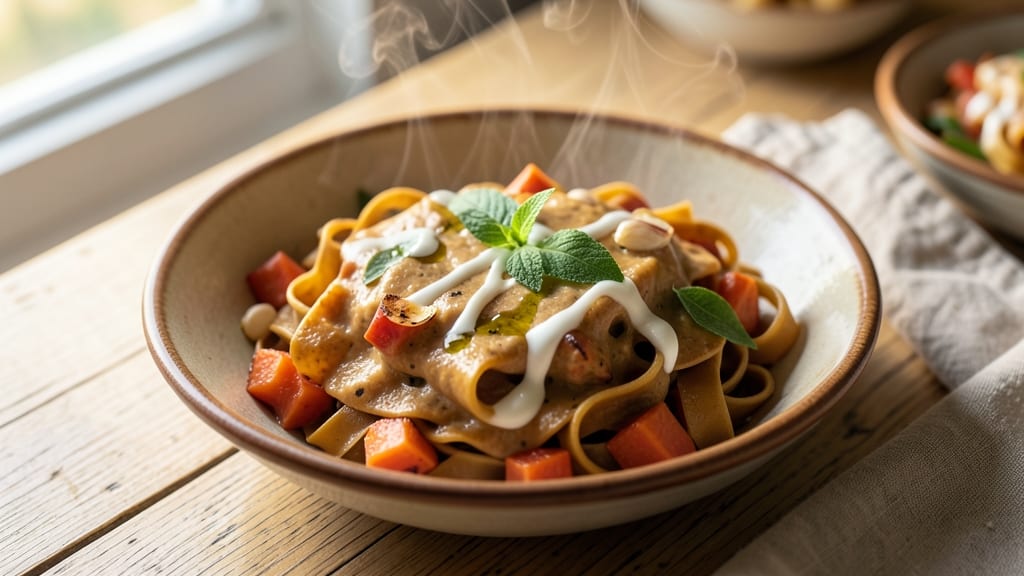
This autumn pasta sauce recipe transforms humble squash and sage into a velvety masterpiece that clings to every strand of al dente pasta. 🍂 The secret lies in slow-roasting butternut squash until it caramelizes into sweet, jammy perfection, then blending it with fresh sage, garlic, and a touch of cream for unmatched richness.
What starts as simple ingredients becomes a deeply aromatic sauce that captures the essence of fall—warm spices, earthy herbs, and natural sweetness all in one spoonful.
What sets this sauce apart is its balance of textures and flavors: the natural sweetness of roasted squash, the peppery depth of sage, and the velvety smoothness of the finished sauce.
Unlike heavy cream-based sauces, this one relies on the squash's natural sugars and a splash of cream for body, making it lighter yet still indulgent. The slow simmering process develops complex flavors that transform ordinary pasta into a restaurant-worthy dish.
Perfect for tossing with fettuccine, pappardelle, or even rigatoni, this sauce also doubles as an elegant drizzle for roasted meats or grilled vegetables. The best part? It tastes even better the next day, making it ideal for meal prep.
The ingredients come together in under 30 minutes, but the flavors deepen as it simmers, ensuring every bite is packed with autumnal warmth.
Store leftovers in the refrigerator for up to 5 days or freeze for 3 months—just reheat gently to preserve that luxurious creaminess.
Whether you're serving a weeknight dinner or hosting a fall gathering, this sauce delivers the kind of comforting, flavorful richness that makes simple pasta feel like a celebration.
Ingredients for autumn pasta sauce
Nine simple ingredients create restaurant-quality autumn pasta sauce with velvety richness.
| Ingredient | Amount | Notes |
|---|---|---|
| Butternut Squash 🎃 | 2 lb | Cubed, skin removed |
| Fresh Sage Leaves 🌿 | ½ cup | Packed, stems removed |
| Garlic Cloves 🧄 | 4 cloves | Peeled, lightly crushed |
| Extra-Virgin Olive Oil 🫒 | ½ cup | High-quality, fruity |
| Heavy Cream 🥛 | ½ cup | Full-fat for richness |
| Vegetable Broth 💧 | 1 ½ cups | Low-sodium preferred |
| Brown Sugar 🍯 | 2 tbsp | Lightly packed |
| Ground Nutmeg 🌶️ | ¼ tsp | Freshly grated preferred |
| Diamond Crystal Kosher Salt 🧂 | 1 tsp | Adjust to taste |
| Freshly Ground Black Pepper 🌶️ | ½ tsp | Coarsely cracked |
The butternut squash is the heart of this sauce—look for firm, heavy squash with smooth skin and vibrant orange flesh. Whole Foods or local farmers markets often carry the sweetest varieties, but any grocery store squash works if it's fresh. Cutting the squash? A sharp chef's knife makes quick work of it—peel first, then cube into even pieces for consistent roasting. The fresh sage should be bright green with a peppery aroma; avoid wilted or yellowing leaves. For extra depth, toast the whole sage leaves in the olive oil for 30 seconds before adding the squash.
No butternut squash? Delicata or acorn squash work beautifully as substitutes, though their flavor will differ slightly. Running low on fresh sage? Dried sage at one-third the amount works, but fresh is ideal for that signature peppery note. The heavy cream can be swapped for half-and-half or coconut cream for a lighter option, though the texture will be slightly less velvety. The vegetable broth matters—low-sodium versions prevent over-seasoning, and homemade broth adds even more depth. For a touch of warmth, cinnamon or allspice can replace nutmeg, though nutmeg's earthy sweetness is key to the autumnal profile.
Roasted squash keeps well in the fridge for 3 days before blending, though it's best used immediately for peak flavor. The finished sauce thickens as it cools, so reheat gently with a splash of broth if it becomes too stiff. Portion into airtight containers for 5 days of fridge storage or 3 months frozen—thaw overnight in the refrigerator. For meal prep, double the batch and freeze half; the sauce only gets better as flavors meld. Always reheat on low heat to preserve its silky texture and prevent curdling.
Why You'll Love This Recipe
- One-Pan Magic: I swear by this—just roast the squash and garlic together, then toss in the sage and cream. No extra pots, no extra stress, and the flavors meld right in the same dish.
- Sage-Kissed Comfort: That fresh sage? It’s the star here—bright, earthy, and just a little peppery. The cream softens it into this velvety, herby hug that makes you want to eat it straight from the pan.
- Weeknight to Dinner Party: Between us, this sauce works for both. Throw it over pasta for a quick weeknight meal, or drizzle it over polenta and top with toasted nuts for a fancier spread. Same effort, different vibes.
- Budget-Friendly Luxury: Butternut squash stretches far, and a little heavy cream goes a long way. Honestly, it’s the kind of recipe where you’ll make double, freeze half, and still feel like you’re treating yourself.
Step-by-step instructions for autumn pasta sauce
The velvety richness of this sauce comes from precise technique and layered flavors.
🍳 Step 1: Roast the Butternut Squash Until Caramelized
Preheat your oven to 400°F. Toss the 2 lb cubed butternut squash with 2 tablespoons brown sugar, 1 teaspoon kosher salt, and ½ teaspoon black pepper until evenly coated. Spread the squash on a rimmed baking sheet in a single layer, leaving space between pieces for even browning.
Roast for 25-30 minutes, stirring halfway through, until the edges are deep golden brown and the squash yields slightly when pressed with a fork. The natural sugars in the squash will caramelize, creating a sweet foundation for the sauce. If it starts to brown too quickly, tent with foil to prevent burning.
👨🍳 Step 2: Sauté Garlic and Sage in Olive Oil
While the squash roasts, heat ½ cup extra-virgin olive oil in a large skillet over medium heat. Add the 4 lightly crushed garlic cloves and cook for 30 seconds until fragrant but not browned. Immediately add the ½ cup packed fresh sage leaves and stir for 1 minute until the sage wilts slightly and releases its aromatic oils.
Remove the skillet from heat and let it cool for 2 minutes. This prevents the garlic from burning when you add the hot squash later. The sage should be just wilted, not crispy—you want its flavor to infuse the sauce without becoming bitter. Keep the oil and aromatics warm for the next step.
🥘 Step 3: Build the Sauce Base with Broth and Cream
Transfer the roasted squash to the skillet with the garlic and sage oil. Add 1½ cups vegetable broth and scrape up any browned bits from the bottom of the pan. Bring to a gentle simmer over medium-low heat and cook for 5-7 minutes until the squash softens and the liquid reduces by about ⅓.
Stir in the ½ cup heavy cream and ¼ teaspoon ground nutmeg, then simmer for another 3-4 minutes until the sauce thickens slightly and coats the back of a spoon. The nutmeg adds a warm, earthy depth that complements the autumnal flavors. Taste and adjust seasoning with additional kosher salt or black pepper if needed.
⏰ Step 4: Blend for Silky Smoothness (Optional)
For a completely smooth sauce, transfer the mixture to a blender or food processor. Pulse until the squash is fully broken down and the sauce is velvety. Be careful with hot liquids—vent the blender first to avoid pressure buildup. Return the sauce to the skillet and warm through over low heat for 2 minutes.
If you prefer a rustic texture with visible squash pieces, simply mash the squash slightly with a potato masher or wooden spoon while in the skillet. This creates a beautiful contrast of creamy sauce with tender squash flecks. Either way, the sauce should be thick enough to coat the back of a spoon but still flow smoothly.
🍽️ Step 5: Finish and Serve Over Pasta
Taste the sauce one final time and adjust the seasoning. The brown sugar should balance the earthy squash, while the sage and nutmeg add aromatic complexity. For extra richness, stir in 1 tablespoon butter (not in the original ingredients but commonly used for finishing).
Serve immediately over al dente pasta (about 8 ounces dry weight for 4 servings), tossing gently to coat each strand. The sauce should cling beautifully to the pasta, creating a luxurious, autumn-inspired dish. Garnish with additional fresh sage leaves and a sprinkle of freshly cracked black pepper for a restaurant-worthy presentation.
Pro Tips For Making Autumn Pasta Sauce
- Roast Squash Until Caramelized: I learned this the hard way—soft squash turns to mush in the sauce. Roast the butternut squash cubes at 400°F (200°C) for 25-30 minutes, flipping halfway, until edges are deep golden and edges crisp. That caramelization adds sweetness and texture no blender can replicate.
- Toast Sage Leaves Whole: Skip the chopping—toss whole sage leaves into the olive oil at the start. Fry them for 10 seconds until fragrant and just starting to crisp at the edges. Remove them immediately (they’ll finish cooking later) so they stay vibrant and release their aroma without turning bitter.
- Bloom Garlic Low and Slow: After sautéing squash, add minced garlic to the pot and reduce heat to medium-low. Garlic burns faster than you think, and charred garlic ruins the whole dish. Stir constantly for 30 seconds—just until fragrant, not golden—then proceed.
- Deglaze with Cream Late: Save the heavy cream for the very end. Deglaze the pan with a splash of pasta water or white wine first to lift browned bits, then stir in the cream off the heat. Adding it too early can turn the sauce greasy, and you’ll end up with a thin, watery mess.
Common mistakes when making your autumn pasta sauce
Over-Roasting Squash
Watch your squash like a hawk—once it reaches deep golden brown at 400°F, it’s done. Over-roasting turns sweet butternut into bitter, dry cubes that ruin your sauce’s velvety texture.
I’ve burned squash so many times that I now set a timer for 25 minutes and check it at 20 minutes. If it’s browning too fast, tent it with foil immediately. 🔥
Skipping the Broth Reduction
Don’t rush the 5-7 minute simmer with broth—this step develops deep, caramelized flavors. I once skipped it and ended up with a thin, watery sauce that couldn’t coat pasta.
Reduce the liquid by about ⅓ to concentrate the squash’s natural sweetness. The sauce should coat the back of a spoon when done.
Burning the Garlic
Garlic burns in seconds, turning bitter and overpowering your sauce. Sauté it for only 30 seconds over medium heat—just until fragrant. I learned this the hard way when my sauce tasted like a garlic factory. Remove the pan from heat immediately after adding sage to prevent burning. 🧄
Using Low-Quality Cream
Heavy cream is the secret to that luxurious texture, but not all cream is created equal. I’ve used store-brand cream that separated and curdled during simmering. Stick with full-fat, high-quality cream like Organic Valley or Hormel for the best results.
If you’re worried about separation, whisk in the cream off-heat and return to low heat.
Ignoring the Resting Time
After blending (if you choose to), let the sauce rest for 5 minutes before serving. This allows flavors to meld and the sauce to thicken naturally. I once served it immediately and ended up with a runny mess.
The resting time also prevents a curdled texture from the cream. Patience here makes all the difference. ✨
Over-Salting Early
Seasoning builds as you go, so don’t add all the salt at once. I’ve ruined sauces by dumping in the full 1 teaspoon kosher salt upfront. Instead, taste as you go—start with ½ teaspoon, then adjust after adding cream and nutmeg.
The sauce should be rich, not salty. Adjust gradually to avoid overpowering the delicate flavors. 🧂
Nutrition facts
Frequently asked questions
Can I substitute butternut squash with another autumn vegetable?
For a similar texture, try acorn squash or delicata—both roast beautifully and add natural sweetness. If you prefer a creamier base, roasted sweet potatoes work well too, though they have a slightly earthier flavor. Just adjust the roasting time—sweet potatoes may need 15-20 minutes at 400°F.
How do I make this sauce dairy-free?
Swap the ½ cup heavy cream for ½ cup full-fat coconut milk or a cashew cream blend (blend soaked cashews with water). For extra richness, add 1 tablespoon nutritional yeast after blending. The sauce will still be velvety but with a subtly nutty depth instead of dairy creaminess.
What's the best pasta shape for this sauce?
This sauce clings beautifully to wide, ridged pasta like fettuccine, pappardelle, or rigatoni. For extra sauce coverage, try pappardelle (wide ribbons) or farfalle (bowties). If you prefer a lighter texture, linguine works too—just toss gently to avoid breaking the strands.
Can I make this sauce ahead of time?
Yes! This sauce tastes even better the next day. Store in an airtight container in the fridge for up to 5 days or freeze for 3 months. To reheat, warm gently on low heat with a splash of broth to restore creaminess. Avoid microwaving—it can make the sauce grainy.
Why is my sauce too thin after blending?
Thin sauce usually means the broth wasn't reduced enough or the cream wasn't incorporated properly. Simmer the sauce uncovered for 2-3 extra minutes to thicken, or stir in 1 teaspoon cornstarch mixed with water. For a smoother texture, blend again after simmering. If using coconut milk, it naturally thins the sauce—reduce the broth by ⅓ more before adding.