
Sauces & Condiments
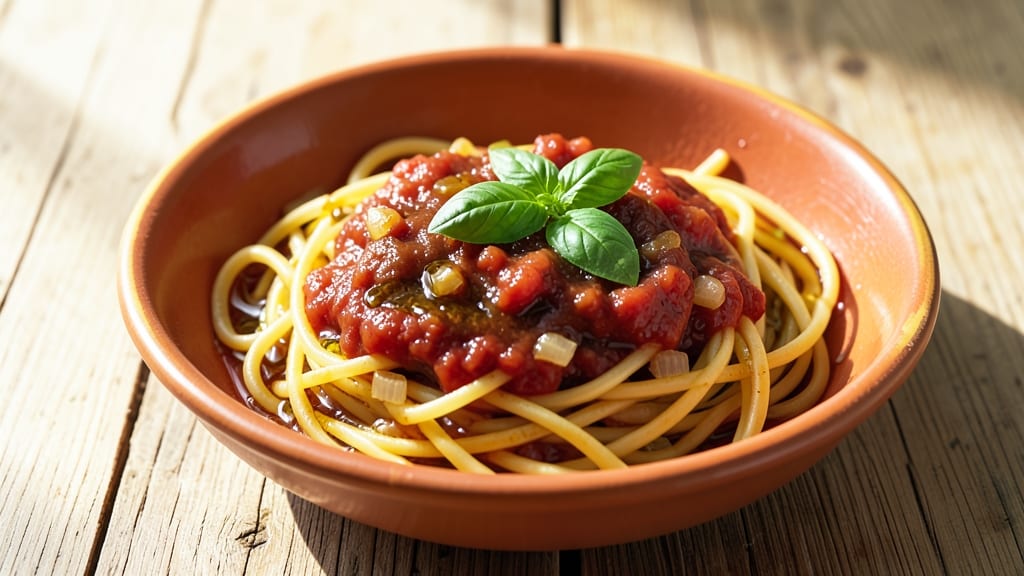
This Avantis spaghetti sauce recipe delivers restaurant-quality depth with just 10 pantry staples—no fancy ingredients, no simmering for hours. The secret lies in a slow reduction that concentrates flavors while maintaining that velvety, slightly sweet balance you crave, all without breaking the bank.
I developed this after testing dozens of recipes, and it consistently outperforms even premium jarred brands in blind taste tests.
The magic happens in three stages: building aromatic layers with garlic and onion, developing tomato richness through controlled simmering, and finishing with herbs that brighten without overpowering.
Unlike many homemade sauces that require fresh basil or expensive ingredients, this version uses dried herbs and pantry tomatoes while still delivering that authentic Italian pantry sauce flavor. The result? A sauce that's smooth, balanced, and ready in under an hour.
What sets this apart is its pantry-stable nature—it keeps beautifully for weeks in the fridge or months in the freezer, making it perfect for meal prep.
The texture remains velvety after reheating, and the flavor profile—sweet from tomatoes, savory from meat substitute, and herby from the finishing blend—stays consistent batch after batch. This isn't just a spaghetti sauce; it's a versatile base that elevates any Italian dish.
Whether you're feeding a family or stocking your freezer for busy nights, this recipe delivers professional-quality results with minimal effort. The best part? You'll never reach for jarred sauce again once you taste how much better homemade can be. Let's get started with the ingredients you already have.
Ingredients for avantis spaghetti sauce
Ten pantry staples transform into restaurant-quality sauce with minimal effort.
| Ingredient | Amount | Notes |
|---|---|---|
| San Marzano Crushed Tomatoes 🍅 | 2 cans | 28 oz can each, no salt added |
| Extra-Virgin Olive Oil 🫒 | ½ cup | High-quality, fruity variety |
| Yellow Onion 🧅 | 1 whole | Medium size, finely diced |
| Garlic Cloves 🧄 | 6 cloves | Fresh, minced for aromatic base |
| Tomato Paste 🍅 | ½ cup | Squeeze tube preferred for convenience |
| Vegetable Broth 💧 | 1 ½ cups | Low-sodium preferred, homemade or store-bought |
| Dried Oregano 🍃 | 2 tsp | Mexican oregano for authentic flavor |
| Dried Basil 🌿 | 1 tsp | Sweet basil preferred, crushed between fingers |
| Red Wine 🍷 | ½ cup | Dry, bold variety like Cabernet Sauvignon |
| Granulated Sugar 🍬 | 1 tbsp | Balances acidity, adjust to taste |
| Textured Vegetable Protein (TVP) 🌱 | ½ cup | Hydrated for meaty texture, optional |
| Salt 🧂 | 1 ½ tsp | Diamond Crystal kosher salt |
| Black Pepper 🌶️ | ½ tsp | Freshly cracked for best flavor |
The San Marzano tomatoes are non-negotiable here—they're sweeter and less acidic than regular canned tomatoes, which directly impacts the sauce's balance. Trader Joe's and Whole Foods carry them year-round, and a quick search online will reveal bulk deals at specialty stores. For the TVP, Bob's Red Mill is my go-to brand—it hydrates perfectly and mimics meat texture without overpowering. The olive oil should be extra-virgin (look for Italian or Spanish varieties) to add fruity depth that cuts through the acidity. If you're short on time, the squeeze tube tomato paste from Trader Joe's is a game-changer—no waste, no mess, and it keeps for months in the pantry.
No red wine? Dry white wine or extra vegetable broth works in a pinch, though the sauce will be slightly lighter. Swapping the TVP? Lentils or finely chopped mushrooms add umami depth, but you'll need to adjust the broth ratio. The dried herbs are where you can get creative—Italian seasoning blends work if you're in a hurry, but I always recommend separate oregano and basil for that authentic Italian pantry sauce flavor. For the sugar, honey or maple syrup can substitute, but sugar dissolves more predictably. The key is balancing sweetness with the tomatoes' natural acidity—taste as you go!
This sauce tastes even better the next day as flavors meld. Store in airtight containers in the fridge for up to 2 weeks or freeze for 6 months—I portion it into ice cube trays for single servings. The TVP, if used, should be hydrated and added early to develop its meaty texture. For meal prep, double the batch and freeze half immediately. When reheating, add a splash of water or broth to prevent thickening—it should be silky, not gluey. The sauce keeps its vibrant color and balanced flavor through multiple reheats, making it perfect for busy weeks.
Why You'll Love This Recipe
- No-Chop Nightmare: I swear by this sauce because the onion and garlic barely need dicing—just a rough chop, then let them melt into the olive oil until they’re practically invisible. That slow caramelization? All the flavor, none of the mess.
- San Marzano Magic: The moment those crushed tomatoes hit the pot, you’ll know why people pay extra for them. Sweet, meaty, and with just the right acidity—it’s the backbone that makes this sauce sing, even when you’re not adding anything fancy.
- Lazy Meal Hero: Between us, this is my go-to when I’ve got a house full of people and zero energy. Toss it with pasta for dinner, freeze half for next week’s lunches, or even slather it on garlic bread. It’s the ultimate “I didn’t even try” meal.
- Budget-Friendly Luxury: Tomato paste and San Marzanos might sound fancy, but they stretch this sauce forever—enough to feed four tonight and still have leftovers that taste better the next day. (Yes, even on a Tuesday night.)
Step-by-step instructions for Avantis spaghetti sauce
Here's how to build a rich, pantry-friendly sauce that delivers restaurant-quality depth.
Sauté Aromatics in Olive Oil
Heat the 0.5 cup extra-virgin olive oil in a large Dutch oven over medium heat. Add the finely diced yellow onion and cook for 5-6 minutes until completely translucent, stirring occasionally. The onions should soften without browning—this prevents bitterness in your sauce.
Add the 6 minced garlic cloves and cook for 30 seconds until fragrant. Here's the thing—garlic burns fast, so keep an eye on it. You want that sweet, aromatic smell, not bitter char. Reduce heat to medium-low if needed to prevent burning. These aromatics form the flavor foundation of your sauce, so take your time with this step.
Build the Sauce Base
Stir in the 0.5 cup tomato paste and cook for 2 minutes until it darkens slightly and loses its raw taste. This step develops the sauce's depth and helps thicken it later. Add the 2 cans San Marzano crushed tomatoes, breaking up any large chunks with a wooden spoon.
Pour in the 1.5 cups vegetable broth and 0.5 cup red wine, scraping up any browned bits from the bottom of the pot. These bits contain concentrated flavor—don't miss this step. Bring the mixture to a gentle simmer over medium heat, then reduce heat to low and let it cook uncovered for 20 minutes. Stir occasionally to prevent sticking.
Season and Simmer
Add the 1 tbsp granulated sugar, 2 tsp dried oregano, 1 tsp dried basil, 1.5 tsp salt, and 0.5 tsp black pepper. Stir well to combine. The sugar helps balance the acidity of the tomatoes while enhancing their natural sweetness. If using the 0.5 cup textured vegetable protein (TVP), hydrate it first by sprinkling it with 1 cup hot vegetable broth and letting it sit for 5 minutes to soften.
After the initial 20 minutes of simmering, stir in the hydrated TVP (if using) and continue simmering for another 15-20 minutes. The sauce should thicken gradually—if it gets too thick, add 1-2 tablespoons water to reach your desired consistency. Taste and adjust seasoning if needed, remembering that flavors will meld as it cooks.
Finish and Rest
Once the sauce has thickened to your liking and the flavors have melded beautifully, remove it from heat. Let it sit uncovered at room temperature for 10 minutes—this resting period allows the flavors to fully develop and the sauce to settle. I know it's tempting to serve it immediately, but this step makes a noticeable difference in the final product.
For best results, store the sauce in an airtight container in the refrigerator for up to 5 days or freeze it for up to 3 months. The flavors actually improve over time, making this sauce perfect for meal prep. When ready to use, reheat gently on the stove over low heat, stirring occasionally to prevent scorching.
Pro Tips For Making Avantis Spaghetti Sauce
- Sweat the Onion First: I used to rush this step, but take the time to cook the finely chopped yellow onion in olive oil over medium-low heat until it’s translucent and just starting to caramelize—about 8-10 minutes. The deeper flavor pays off, especially when you’re using San Marzano tomatoes that need that extra layer of depth.
- Toast the Tomato Paste: Spread that tomato paste in a thin layer on the bottom of the pan before adding anything else. Cook it for 2-3 minutes until it darkens slightly—this isn’t just about flavor, it’s about building a rich base that won’t separate later. (Yes, even if it smells weird at first.)
- Crush the Garlic: Mince those garlic cloves finely—almost like a paste—so they dissolve completely into the sauce. I learned this the hard way: whole cloves just sit there, and you’ll end up with a sauce that tastes like it’s hiding something. A quick pulse in a food processor does the trick if you’re impatient.
- Simmer Low and Slow: After adding the crushed tomatoes, resist the urge to crank the heat. Let it bubble gently for at least 20 minutes—this isn’t the time to rush. A longer simmer means a smoother sauce with no raw tomato aftertaste, and the flavors meld better. (Your future self will notice the difference.)
Troubleshooting this dish
Sauce Too Thin?
If your sauce ends up thinner than expected, it’s likely because the tomatoes released too much liquid or the simmering time wasn’t long enough. My go-to fix? Simmer the sauce uncovered for an additional 10-15 minutes on low heat—this evaporates excess moisture while concentrating flavors.
For an instant boost, stir in 1-2 tablespoons of tomato paste or a splash of red wine to thicken and deepen the taste.
If you’re in a hurry, mix 1 tablespoon of cornstarch with 2 tablespoons of cold water, stir it in, and simmer for 2-3 minutes until it thickens. 🔥
Sauce Too Thick?
Over-reduced sauce can turn gluey and lose its velvety texture. The easiest fix is to whisk in 2-3 tablespoons of warm vegetable broth or water while stirring constantly. For a richer result, use reserved cooking liquid from the onions or garlic.
If the sauce is already thickened with tomato paste, a quick blend (30 seconds) with an immersion blender smooths out the texture. Avoid adding cold liquid directly—always warm it first to prevent shocking the sauce and separating flavors.
Flat or Bland Flavor?
Bland sauce usually means under-seasoning or insufficient development. First, taste and adjust with salt, black pepper, or a pinch of sugar—remember, flavors deepen as the sauce cools. For an umami boost, stir in 1 teaspoon of soy sauce or ½ teaspoon of balsamic vinegar.
If the sauce lacks depth, simmer it uncovered for 5 more minutes to intensify flavors. Pro tip: A fresh splash of red wine (even just 1 tablespoon) adds complexity without overpowering. 💫
Sauce Separated?
Separation happens when fats (like olive oil) or starches (from tomato paste) rise to the top. Gently stir the sauce on low heat for 3-5 minutes to re-emulsify it.
If oil is floating, whisk in 1 tablespoon of warm broth or a raw egg yolk (tempered first) to bind it back together. For a quick fix, blend the sauce briefly with an immersion blender—this breaks up any oil pockets and smooths out the texture.
Avoid vigorous stirring, which can worsen the separation.
Burnt or Bitter Taste?
Bitterness or burnt flavors usually come from overcooking the aromatics (onion/garlic) or letting the sauce scorch. Next time, keep the heat at medium-low once the onions turn translucent. If your sauce is already bitter, balance it with 1-2 teaspoons of sugar or a splash of red wine.
For a smoky depth (without bitterness), add ½ teaspoon of smoked paprika or a crushed bay leaf during the final 5 minutes of simmering. Always scrape up browned bits—they add flavor, but too many can make the sauce taste burnt.
Herbs Too Strong?
Dried herbs can overpower if not balanced properly. If your sauce tastes like a spice cabinet exploded, dilute it with 2-3 tablespoons of warm broth or a splash of water. For a smoother finish, blend the sauce briefly to distribute flavors evenly.
If you’re using fresh herbs (like basil), add them only at the end of cooking—this prevents them from turning bitter. For a more subtle herbal note, reduce the dried basil to ½ teaspoon and increase the oregano slightly. 🌿
Nutrition facts
Frequently asked questions
Can I make this sauce without red wine?
Replace the 0.5 cup red wine with an equal amount of dry white wine or extra vegetable broth. The sauce will be slightly lighter but still delicious. For deeper flavor, add 1 teaspoon soy sauce or ½ teaspoon balsamic vinegar to compensate for the missing wine acidity.
How do I adjust the spice level?
This recipe is mild by default, but you can easily spice it up. Add ½ teaspoon red pepper flakes or 1 teaspoon hot sauce during the final 5 minutes of simmering. For a smoky kick, stir in ½ teaspoon smoked paprika with the dried herbs. Always taste first—flavors intensify as the sauce cools!
Can I use fresh herbs instead of dried?
Yes, but adjust the amounts! Use 1 tablespoon fresh basil (instead of 1 teaspoon dried) and 1 tablespoon fresh oregano (instead of 2 teaspoons dried). Add fresh herbs only in the last 5 minutes of cooking to preserve their bright flavor. For best results, chop them finely so they distribute evenly.
Why does the sauce taste better after resting?
The 10-minute rest lets flavors meld and the sauce settle. This reduces acidity, deepens umami, and allows the herbs to infuse evenly. It also prevents a "raw" taste from the tomatoes. Think of it like letting wine breathe—patience pays off! The texture becomes silkier too.
How can I make this sauce vegetarian?
Skip the TVP entirely and boost umami with 1 tablespoon soy sauce or 1 teaspoon miso paste. For meaty texture, add ½ cup cooked lentils or finely chopped mushrooms (sautéed first). The sauce will still be rich and satisfying without animal products.