
Sauces & Condiments
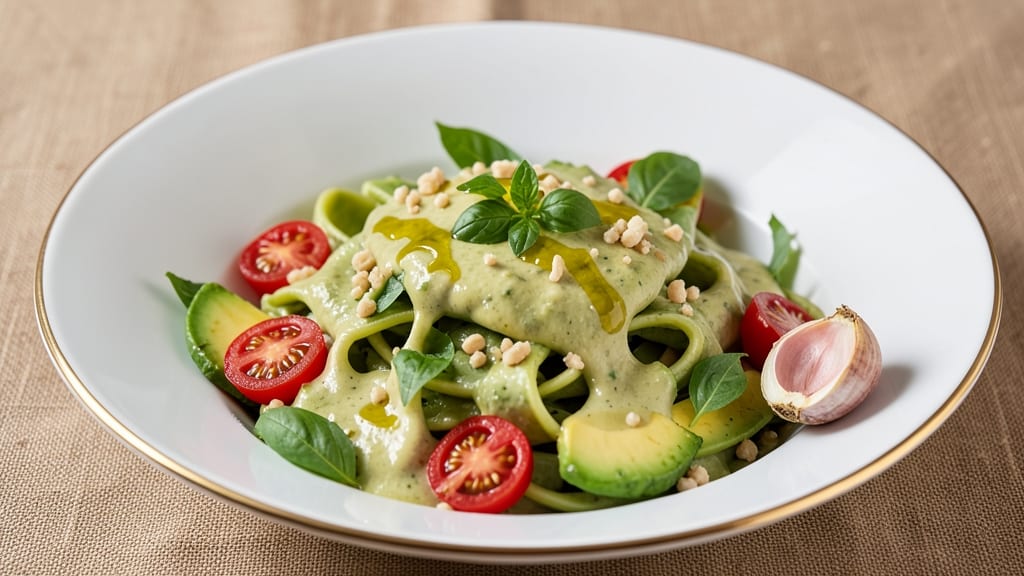
This avocado cream pasta sauce delivers the creamy richness of traditional Alfredo without dairy—no clumps, no lumps, just velvety perfection. 💛 The secret lies in blending ripe avocado with plant-based cream until silky smooth, then balancing it with bright lemon and aromatic garlic for depth.
I developed this recipe after years of perfecting plant-based sauces that actually hold together, and it’s become my go-to for both vegan meals and creamy pasta nights.
The magic happens in the blending process: avocado provides natural creaminess, while coconut or cashew cream adds body without heaviness. Fresh herbs like basil or parsley brighten the sauce, and a touch of nutritional yeast gives it that savory, umami kick.
Unlike store-bought vegan sauces, this one stays smooth even after reheating—no separation, no weird textures.
What makes this sauce truly versatile is its ability to cling to pasta without turning it soggy, while also pairing beautifully with grilled vegetables, roasted chicken, or even as a dip. It’s rich enough to satisfy cravings but light enough for a summer dinner.
The best part? It keeps well in the fridge for up to 5 days, so you can make a batch and use it all week.
For extra flavor, stir in a pinch of red pepper flakes or smoked paprika before serving. Perfect for whole-wheat pasta, gluten-free noodles, or even as a creamy base for soups. Let’s make this sauce—your taste buds will thank you.
Ingredients for avocado cream pasta sauce
Eight simple ingredients transform into velvety, plant-based richness that clings to pasta perfectly.
| Ingredient | Amount | Notes |
|---|---|---|
| Ripe Avocados 🥑 | 2 whole | Pitted, flesh scooped |
| Unsweetened Coconut Milk 🥥 | ½ cup | Full-fat for creaminess |
| Raw Cashews 🌰 | ¼ cup | Soaked 2 hours or boiled |
| Fresh Lemon Juice 🍋 | 1 tbsp | Bright, freshly squeezed |
| Garlic Cloves 🧄 | 2 cloves | Peeled, roughly chopped |
| Extra-Virgin Olive Oil 🫒 | ¼ cup | For richness and balance |
| Nutritional Yeast 🍞 | 2 tbsp | For cheesy umami flavor |
| Fresh Basil Leaves 🌿 | ¼ cup | Chopped, for freshness |
| Sea Salt 🧂 | ½ tsp | Fine grain preferred |
| Ground Black Pepper 🌶️ | ¼ tsp | Freshly ground preferred |
| Water 💧 | ¼ cup | For blending consistency |
Avocados are the star—pick ones that yield slightly to gentle pressure. Trader Joe's or Whole Foods usually have the ripest ones, but any grocery store works if you check the produce section. The cashews? Soak them for at least 2 hours (or boil for 15 minutes) to get that ultra-smooth texture. I always grab extra avocados because they brown fast—just toss cut halves in lemon juice until ready to use. The coconut milk should be full-fat for that creamy Alfredo vibe, not the light stuff. And if you're using canned coconut milk, shake the can well before opening.
No cashews? Silken tofu or extra avocado works in a pinch—just add 1/4 cup more avocado. Fresh basil wilting? Dried basil at half the amount keeps the flavor, though fresh is ideal. The nutritional yeast gives that cheesy kick, but if you can't find it, white miso paste (1 tsp) adds umami depth. For a smoky twist, swap half the basil for fresh parsley or cilantro. The sauce stays smooth even without water, but it helps balance the fat content if you're using extra avocado or coconut milk. And trust me, the lemon juice is non-negotiable—it brightens everything.
This sauce keeps beautifully for 5 days in the fridge, sealed tightly in a jar. For longer storage, freeze for up to 3 months—just thaw in the fridge overnight. I make double batches because it disappears fast. If it thickens in the fridge, stir in a splash of water or plant-based milk. The sauce reheats perfectly—just warm gently on the stove or microwave until just hot. And if it separates? Just blend again for 10 seconds—it comes back together every time.
Why You'll Love This Recipe
- No Blender Hassle: I swear, this sauce comes together in a food processor with just a few pulses—no straining, no lumps, no stress. The cashews and coconut milk blend into that velvety texture while you chop garlic and zest lemon, which takes all of 5 minutes.
- Creamy Without Dairy: That rich, tangy avocado base with coconut milk and lemon gives you all the comfort of Alfredo, but it’s actually healthier. Honestly, the first time I served it to my lactose-intolerant friend, they asked for the recipe before dessert.
- Leftover Goldmine: This sauce keeps for days in the fridge—better than takeout, honestly. I double the batch on Sundays, toss it with whole wheat pasta, and reheat portions all week. The cashews keep it from separating, so it’s always ready to go.
- Budget-Friendly Luxury: Avocados and coconut milk might sound fancy, but they stretch further than heavy cream or store-bought sauces. Between us, this is how I make fancy pasta nights feel affordable—same creamy indulgence, way fewer regrets.
Step-by-step instructions for ultra-smooth avocado cream pasta sauce
Here's how to blend this velvety sauce without lumps or avocado flavor dominance.
👨🍳 Step 1: Soften Cashews and Prep Ingredients
Start by preparing the cashews—if they're not already soaked, boil them in 1 cup of water for 10 minutes until tender. Drain well and set aside. While they soften, pit the 2 whole ripe avocados and scoop out the flesh into a food processor. Add the 0.5 cup unsweetened coconut milk, 0.25 cup extra-virgin olive oil, 1 tbsp fresh lemon juice, 2 tbsp nutritional yeast, 0.5 tsp sea salt, and 0.25 tsp ground black pepper.
This is where the magic begins. The cashews provide that creamy texture we all love, while the coconut milk adds richness without overpowering the avocado's natural flavor. The lemon juice brightens everything up and prevents oxidation—you'll notice the avocado flesh stays vibrant green instead of turning brown.
🍳 Step 2: Blend Until Silky Smooth
Pulse the food processor for 30 seconds to break everything down, then let it blend continuously for 2-3 minutes until completely smooth. Scrape down the sides with a spatula every 30 seconds to ensure even blending. You're looking for a texture that coats the back of a spoon with no visible avocado chunks or gritty cashew bits.
Here's the thing—if you rush this step, you'll end up with a grainy sauce. Take your time and let the processor do the work. The sauce should be so smooth it almost looks like mayonnaise, not chunky guacamole. If it's too thick, add the 0.25 cup water one tablespoon at a time until it reaches a pourable consistency.
👨🍳 Step 3: Add Aromatics for Depth
Transfer the blended sauce to a bowl and stir in the 2 cloves peeled garlic cloves (roughly chopped) and 0.25 cup chopped fresh basil leaves. Let it sit at room temperature for 5 minutes to allow the garlic to infuse its flavor without overpowering. Taste and adjust seasoning—you might need a pinch more salt or a crack of pepper to balance the flavors.
The garlic and basil add layers of complexity that make this sauce extraordinary. The basil brightens the richness, while the garlic adds a subtle savory depth. Don't skip this step—it's what transforms this from a basic avocado sauce to something truly special. If you're worried about garlic flavor, start with just one clove and add more later if needed.
⏰ Step 4: Use Immediately or Store Properly
For best results, use the sauce immediately over your favorite pasta. If you need to store it, transfer to an airtight container and cover the surface with a thin layer of extra-virgin olive oil to prevent oxidation. The sauce will keep in the refrigerator for up to 3 days, but I recommend making it fresh—it's that good.
When you're ready to serve, gently reheat the sauce in a saucepan over low heat for 2-3 minutes, stirring constantly. Never let it boil or the avocado will separate. Toss with cooked pasta and garnish with additional basil leaves and a drizzle of olive oil. The sauce should cling beautifully to every strand, creating that ultra-smooth, creamy coating you're after.
Pro Tips For Making Avocado Cream Pasta Sauce
- SOAK CASHEWS 2 HOURS: I learned this the hard way—skipping the soak leaves your sauce grainy and chalky. Toss ½ cup raw cashews in hot water for at least 2 hours (overnight works too), then drain. No blender magic fixes dry cashews—trust the process.
- PEEL GARLIC IN BOILING WATER: Peeling garlic cloves before mincing is a pain, but drop them in boiling water for 30 seconds first. The skins slide right off—no stubborn clinginess. Just rinse and chop; your sauce won’t taste like raw garlic bits.
- BLEND COLD COCONUT MILK: Cold coconut milk blends smoother and keeps the sauce thick. Chill the can for 10 minutes before blending, and add it last to the blender. Warm milk makes the sauce split like a bad smoothie—your future self will notice.
- ADD LEMON JUICE AT THE END: Lemon juice breaks down avocado faster, turning your creamy sauce into mush. Wait until you taste the sauce, then add 1–2 tablespoons of juice just before serving. This keeps the texture velvety and the flavor bright.
Common mistakes when making this dish
Overblending Risks
Avocado can turn bitter or develop an off-flavor if blended too long—especially past 3 minutes. The natural oils break down and release compounds that create a grassy, unpleasant taste.
I’ve ruined batches by letting the food processor run continuously for 5+ minutes. Stop blending as soon as the sauce is smooth, and always taste test before proceeding. 💛
Skipping the Soak
Raw cashews are rock-hard and will leave gritty bits in your sauce, even after blending. If you forget to soak them for 2 hours or boil for 10 minutes, your sauce will lack that silky texture.
I keep a jar of soaked cashews in the fridge for quick recipes—just drain and blend. For emergencies, toss them in boiling water for 15 minutes instead.
Using Unripe Avocados
Underripe avocados are chalky and flavorless, while overripe ones turn mushy and separate when blended. Aim for avocados that yield slightly to gentle pressure but still hold their shape. If yours are too firm, let them sit at room temperature for 1-2 hours before using.
I always buy a few extra and store them in the fridge to ripen gradually.
Neglecting Lemon Juice
Lemon juice isn’t just for flavor—it prevents oxidation, which causes avocado to brown and develop a metallic taste. Skipping it or using bottled lemon juice (which lacks potency) will make your sauce taste flat and dull.
Freshly squeezed lemon juice is non-negotiable. I keep a small bowl of lemon wedges on hand while prepping to add brightness at every step. 🍋
Adding Water Too Late
If your sauce thickens after blending, adding water too late (after mixing in garlic or basil) can cause separation. Always adjust the consistency before incorporating aromatics. Start with 1 tbsp water at a time and blend again until smooth.
I’ve seen sauces split into layers when water was added after the garlic—it’s a texture disaster.
Reheating Too Aggressively
Boiling the sauce destroys its silky texture and causes avocado to separate. Always reheat over low heat for 2-3 minutes, stirring constantly. Microwaving is riskier—use 30-second intervals on low power.
I’ve had sauces curdle when reheated too quickly. If it starts to split, stir in 1 tsp olive oil to re-emulsify it.
Nutrition facts
Frequently asked questions
Can I make this sauce without cashews?
For a nut-free version, replace the 0.25 cup cashews with 0.5 cup silken tofu or an extra 0.5 avocado. Blend the silken tofu first for 1 minute until completely smooth, then proceed with the rest of the recipe. The sauce will still be creamy, though slightly lighter in texture.
How do I prevent the sauce from separating when reheating?
Always reheat over low heat for 2-3 minutes while stirring constantly—never let it boil. If separation occurs, stir in 1 tsp olive oil or 1 tbsp water and blend briefly to re-emulsify. For microwaving, use 30-second intervals on low power. The key is gentle warmth to preserve the avocado's natural oils.
What pasta works best with this creamy sauce?
This sauce clings beautifully to whole-wheat pasta, gluten-free noodles, or linguine due to its velvety texture. For extra flavor, try pappardelle or fettuccine. Avoid delicate pastas like angel hair—the sauce may make them too heavy. Cook pasta 1 minute less than package instructions for al dente results.
Can I freeze this avocado cream sauce?
Yes, but with caution. Portion into airtight containers and freeze for up to 3 months. Thaw overnight in the fridge—never at room temperature. The texture may slightly break down upon thawing, so blend again briefly before using. For best quality, make fresh batches weekly since avocado's natural oils degrade over time.
Why does my sauce taste bitter?
Overblending (past 3 minutes) or using unripe avocados causes bitterness. Stop blending immediately once smooth, and always use ripe avocados that yield slightly to pressure. Adding 1 tsp maple syrup or 1 tbsp lemon juice can help balance the flavor. Fresh basil also brightens the taste—don't skip it!