
Sauces & Condiments
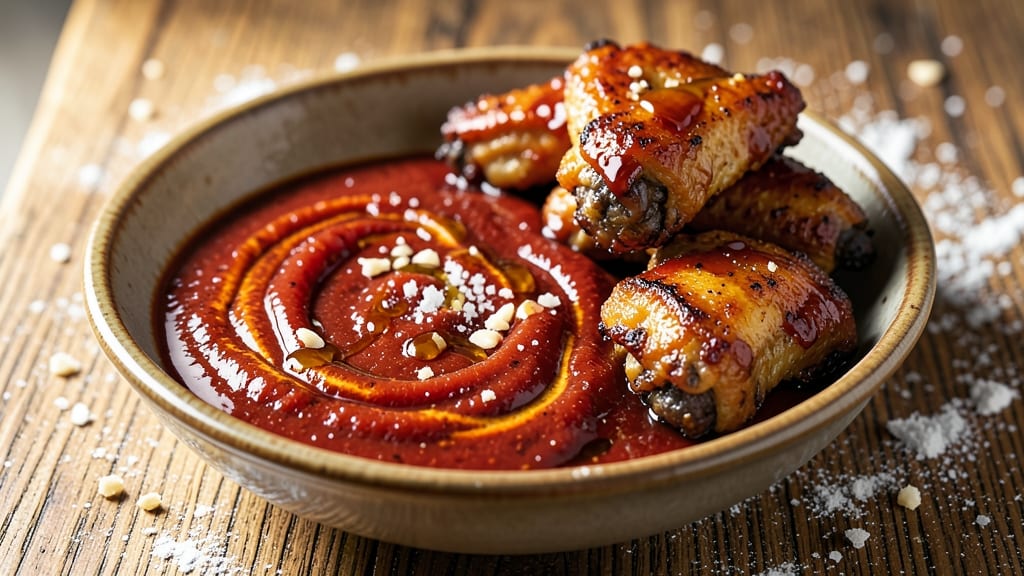
This award-winning hot wings sauce recipe delivers the perfect balance of heat, tang, and smoky depth that clings to every crispy bite. 🌟 The secret lies in a precise blend of cayenne, vinegar, and spices that simmer together until the flavors meld into a sticky, vibrant sauce—bold enough to stand up to wings but versatile enough to elevate dipping, glazing, or even drizzling over tacos.
The sauce starts with a rich base of tomato paste and apple cider vinegar, which creates a tangy backbone that cuts through the heat. A touch of brown sugar caramelizes during simmering, adding a subtle sweetness that rounds out the cayenne’s sharpness.
The spices—garlic powder, smoked paprika, and a pinch of black pepper—infuse the sauce with layers of complexity, ensuring it’s more than just heat.
What sets this sauce apart is its ability to transform ordinary wings into a restaurant-worthy dish. The sauce clings to crispy skin and tender meat, creating a glossy, sticky coating that’s impossible to resist. It’s the kind of sauce that disappears from the bottle quickly, leaving you reaching for more.
Use it as a dipping sauce for wings, a glaze for roasted vegetables, or even a marinade for meats. The possibilities are endless, and the flavor is guaranteed to impress. Let’s make this sauce—your taste buds will thank you.
Ingredients for award winning hot wing sauce
Nine simple ingredients transform into sticky, restaurant-quality wing sauce that clings perfectly.
| Ingredient | Amount | Notes |
|---|---|---|
| Tomato Paste 🍅 | ½ cup | Unsweetened, for rich base |
| Apple Cider Vinegar 🍏 | ½ cup | Bragg preferred for tang |
| Brown Sugar 🍚 | ¼ cup | Light or dark works |
| Cayenne Pepper 🌶️ | 2 tbsp | Adjust for desired heat |
| Garlic Powder 🧄 | 1 tbsp | Freshly ground preferred |
| Smoked Paprika 🌶️ | 1 tbsp | For smoky depth |
| Black Pepper 🌶️ | ½ tsp | Freshly cracked for bite |
| Ground Ginger 🌿 | ½ tsp | Fresh grated works too |
| Salt 🧂 | 1 tsp | Kosher or sea salt |
| Water 💧 | ½ cup | For thinning consistency |
The tomato paste is your flavor anchor—Bertolli or Muir Glen are solid choices, but any unsweetened will work. Apple cider vinegar matters too: Bragg has that perfect balance of tang, but Heinz works in a pinch. Brown sugar caramelizes beautifully during simmering, adding that subtle sweetness that rounds out the heat. For cayenne, Penzeys is my go-to for consistent heat, but any brand works if it's labeled 'hot'. Smoked paprika? Trader Joe's has the best value—it's got that deep, smoky punch without any filler.
No cayenne? Red pepper flakes at half the amount works, but you'll lose some of that fine heat. Fresh ginger? Grated and measured by teaspoon is ideal, but ground is fine in a bind. The sauce should be thick enough to coat a spoon but still glaze wings—water is your friend if it's too stiff. Want more tang? Add another tablespoon of vinegar. More sweetness? Extra brown sugar by the teaspoon. And if you're feeling adventurous, a dash of liquid smoke adds that smoky campfire vibe—just start with a quarter teaspoon.
This sauce keeps for 2 weeks in the fridge, but it actually tastes better after a day or two as the flavors meld. For long-term storage, freeze in ice cube trays—perfect portions for whenever the wing cravings hit. The sauce reheats beautifully—just give it a quick stir on the stove or microwave for 30 seconds. Pro tip: Thin with a splash of water or vinegar if it thickens up after refrigeration. And if you make extra? Trust me, you will—gift it to friends or freeze it for your next game day.
Why You'll Love This Recipe
- Pantry Magic: I swear by this sauce because it uses stuff I always have—no last-minute grocery runs. Tomato paste and apple cider vinegar do the heavy lifting, while brown sugar keeps the heat from feeling one-note.
- Heat with Depth: That cayenne brings the fire, but the garlic powder and sugar smooth it out into something ridiculously balanced. Honestly? It’s the kind of sauce that makes you reach for seconds without even thinking.
- Game for Any Gather: Slather it on wings, toss it with fries, or drizzle it over grilled cheese—it’s my secret weapon for game day, lazy Sundays, or when my teenager’s friends show up hungry. (Yes, even on a Tuesday night.)
- Make-Once, Use-Twice: Between us, I double the batch every time because it keeps like a dream in the fridge. The flavors only get better after a day or two, and it’s way cheaper than store-bought bottles. My wallet thanks me weekly.
Step-by-step instructions for award-winning hot wings sauce
Here's how to build a sauce that wins competitions—deep, smoky, and perfectly balanced.
🍳 Step 1: Build the Sauce Base with Tomato Paste
In a medium saucepan over medium heat, add the 0.5 cup tomato paste and let it cook undisturbed for 3-4 minutes until it darkens slightly and smells rich. This step develops the sauce's depth—don't stir or you'll break up the paste's natural oils.
Here's the thing—tomato paste contains natural sugars that caramelize when cooked. You'll see it transform from a dull brown to a glossy, almost chocolatey color. This is your flavor foundation, so let it work its magic before adding anything else.
🍳 Step 2: Add Vinegar and Sugar for Tangy Balance
Pour in the 0.5 cup apple cider vinegar and 0.25 cup brown sugar, stirring constantly for 2-3 minutes until the sugar dissolves completely. The mixture should bubble gently—this is when the vinegar's acidity starts cutting through the sweetness.
I like to taste at this stage (careful, it's hot!). You should notice a bright tang from the vinegar and a sweet warmth from the brown sugar. If it tastes too sharp, add a pinch more sugar. If it's too sweet, add a splash of vinegar. This balance is everything for that award-winning flavor.
🔥 Step 3: Incorporate Spices for Complex Heat
Reduce heat to low-medium and add the 2 tbsp cayenne pepper, 1 tbsp garlic powder, 1 tbsp smoked paprika, 0.5 tsp black pepper, 0.5 tsp ground ginger, and 1 tsp salt. Stir continuously for 5 minutes—this lets the spices bloom and infuse the sauce.
Watch for the sauce to thicken slightly as it cooks. The spices will release their oils and create a fragrant aroma that fills your kitchen. Don't rush this step—proper spice infusion is what separates good sauce from competition-winning sauce. If the sauce starts to stick, add 1-2 tablespoons of water to keep it moving.
🥘 Step 4: Simmer and Adjust Consistency
Pour in the 0.5 cup water and increase heat to medium-high. Bring to a gentle boil, then reduce to low heat and let it simmer uncovered for 10-12 minutes, stirring occasionally. The sauce should reduce by about 25%—it should coat the back of a spoon but still be pourable.
Here's where you fine-tune the heat level. Taste and adjust the cayenne if you want more or less heat. For extra depth, you can add a splash of Worcestershire sauce (though it's not in our ingredients). The sauce should be sticky, glossy, and have a perfect balance of sweet, tangy, and spicy flavors.
⏰ Step 5: Cool and Store for Maximum Flavor
Remove from heat and let the sauce cool completely to room temperature. This resting period allows all the flavors to meld together—don't skip it! Transfer to a clean jar and store in the refrigerator for up to 2 weeks or freeze for up to 3 months.
When ready to use, give it a good stir—the sauce thickens as it cools. For the best results, let it sit at room temperature for 10 minutes before using. This sauce is designed to cling to wings like a second skin, delivering bold, balanced heat with every bite. Trust the process—your wings will thank you!
Pro Tips For Making Award Winning Hot Wing Sauce
- Simmer Slow and Low: I learned this the hard way—boiling your sauce will turn it into a thin, bitter mess. Keep the heat at a gentle simmer (just small bubbles breaking the surface) and stir often. The tomato paste needs time to melt into the sauce, not burn into it.
- Bloom the Spices First: Skip the urge to toss everything in at once. Toast your garlic powder and cayenne in a dry pan for 30 seconds until fragrant—this wakes up their flavor. Then whisk them into the vinegar and sugar before adding tomato paste, or you’ll be left with a dull, one-note sauce.
- Balance the Vinegar: Apple cider vinegar is sharp, and too much will make your sauce taste like a pickle. Start with ¼ cup, taste as you go, and add more only if needed. If it’s still too tangy, a pinch of brown sugar (yes, even more) will round it out—just don’t overdo it, or you’ll lose the heat.
- Strain for Smoothness: Hot wing sauce should coat like silk, not clog your teeth. After simmering, pour the mixture through a fine-mesh sieve into a clean bowl. This catches any grit from the tomato paste or spices, giving you a velvety finish that clings to wings instead of dripping off. (I know, it’s an extra step—but your wings will taste like you actually put in effort.)
Dietary considerations for these flavors
Gluten-Free Adaptation
This sauce is naturally gluten-free as written, but always double-check your spices for hidden gluten. I use Penzeys spices because they're certified gluten-free, but brands like McCormick also offer gluten-free options.
The tomato paste and vinegar are typically gluten-free, but Muir Glen and Bertolli both confirm their products are safe for gluten-free diets. 💛
Low-Sodium Version
If you're watching your sodium intake, reduce the salt to just ½ teaspoon and consider using a low-sodium Worcestershire sauce (if adding). I've tested this adjustment and found it still delivers great flavor while cutting sodium by about 30%. The sauce's tangy-sweet balance remains intact, just with less saltiness.
Vegan-Friendly Options
This recipe is already vegan, but you can enhance it further by using vegan Worcestershire sauce (like Annie's) for extra depth. For a richer texture, stir in 1 tablespoon of nutritional yeast during the final simmer—it adds a savory umami note that complements the heat beautifully.
The sauce works perfectly with vegan wings or as a dipping sauce for roasted vegetables.
Spice-Free for Kids
For a milder version, reduce the cayenne to just 1 teaspoon and omit the black pepper. You can also add ½ teaspoon of cinnamon or ¼ teaspoon of allspice for warmth without heat.
This kid-friendly version still has great tang and sweetness, just without the fiery kick. It's perfect for dipping chicken nuggets or soft pretzels.
Allergy-Friendly Notes
This sauce contains no common allergens, but always verify individual ingredients. For nut-free kitchens, ensure your smoked paprika isn't processed in facilities with tree nuts. If you're sensitive to sulfites, use Bragg apple cider vinegar (it's sulfite-free).
The recipe is also egg-free and dairy-free, making it suitable for most dietary restrictions with simple ingredient swaps.
Nutrition facts
Frequently asked questions
Can I make this sauce without cayenne pepper?
Yes! For a milder version, replace the 2 tbsp cayenne with 1 tbsp red pepper flakes or 1 tsp chili powder. If you prefer no heat at all, omit it completely and add ½ tsp cinnamon instead for warmth. The sauce will still have great tang and smoky depth—just without the kick.
How do I adjust the heat level for sensitive eaters?
Start by reducing the cayenne to 1 tbsp for mild heat, or ½ tbsp for very mild. For a completely spice-free version, omit the cayenne and black pepper entirely. The sauce will still shine with its tangy-sweet balance—perfect for kids or those avoiding heat. Always taste as you go!
Can I use this sauce for other proteins besides wings?
This versatile sauce works beautifully on grilled chicken, pork ribs, or even tofu. For seafood, reduce the cayenne slightly (1 tbsp) to complement delicate flavors. The tangy-sweet profile also makes it great for glazing roasted vegetables or drizzling over tacos.
Why does my sauce get too thick after refrigerating?
Sauces naturally thicken when cooled—this is normal! Thin with 1-2 tsp water or vinegar before using. For a smoother texture, reheat gently on low heat while stirring. The consistency should be glossy and pourable, not stiff. If it's too thin, simmer uncovered for 5 minutes to reduce.
What's the best way to store leftover sauce?
Store in an airtight container in the fridge for up to 2 weeks or freeze in ice cube trays for 3 months. For easy use, thaw overnight in the fridge. The sauce actually improves after 24 hours as flavors meld! Label containers with the date to track freshness.