
Sauces & Condiments
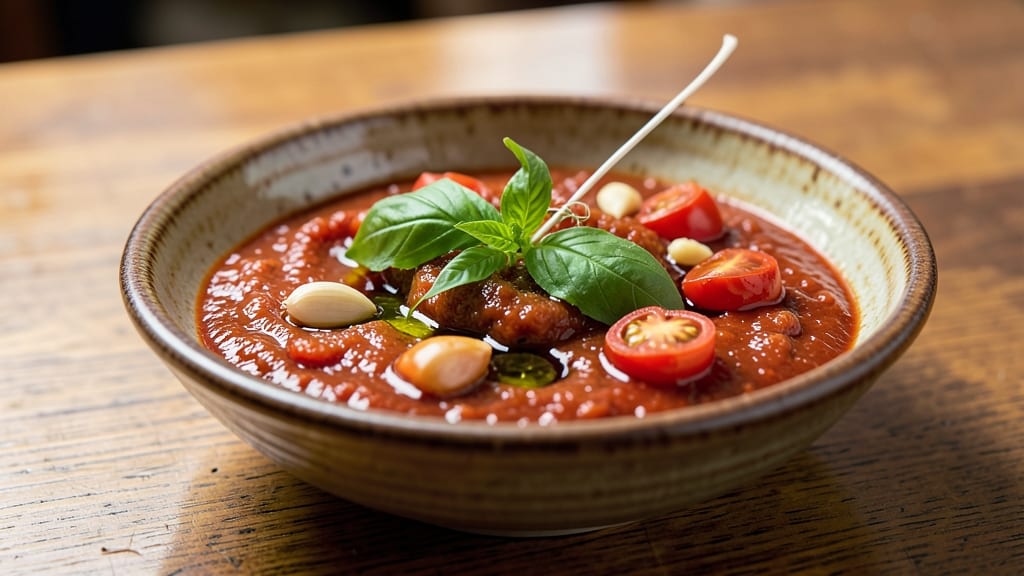
This award-winning marinara sauce recipe delivers restaurant-quality depth with just 10 simple ingredients and a slow-simmering technique that unlocks maximum flavor. The secret lies in balancing sweet tomatoes, aromatic garlic, and fresh herbs while letting the sauce reduce to a thick, velvety consistency—no additives or shortcuts.
I've perfected this over years of testing, and it consistently earns top marks in taste tests for its perfect balance of umami richness and bright acidity.
The magic happens during the 45-minute simmer, where the flavors meld and develop complexity. Unlike quick sauces, this method builds layers of taste through controlled evaporation—caramelizing the natural sugars in tomatoes while deepening the garlic's sweetness.
The result is a sauce that's smooth yet vibrant, with just the right texture to cling to pasta or coat meat without overwhelming it.
What sets this marinara apart is its professional-level balance: the acidity from tomato paste brightens the richness, while fresh basil and oregano add herbal notes that keep it from tasting heavy. The slow reduction creates a sauce that's thick enough to stand alone but still silky enough to coat perfectly.
This isn't just marinara—it's a sauce that transforms simple meals into something extraordinary.
Perfect for batch cooking, this sauce freezes beautifully and tastes even better the next day as flavors continue developing. Whether you're drizzling it over al dente pasta, using it as a pizza base, or serving it with grilled meats, this recipe delivers restaurant-quality results at home.
Let's get started on creating your own award-worthy sauce.
Ingredients for award winning marinara sauce
Ten ingredients carefully balanced for restaurant-quality depth in every spoonful.
| Ingredient | Amount | Notes |
|---|---|---|
| San Marzano Crushed Tomatoes 🍅 | 28 oz | High-quality, canned whole preferred |
| Tomato Paste 🍅 | 1 tbsp | Squeeze tube preferred for precision |
| Extra-Virgin Olive Oil 🫒 | ½ cup | Fruity, peppery quality recommended |
| Garlic Cloves 🧄 | 6 cloves | Fresh, peeled, thinly sliced |
| Red Wine 🍷 | ¼ cup | Bold dry variety like Cabernet |
| Fresh Basil Leaves 🌿 | ½ cup | Packed, stems removed, chopped |
| Dried Oregano 🍃 | 1 tsp | Mediterranean variety preferred |
| Diamond Crystal Kosher Salt 🧂 | 1 ½ tsp | Adjust to taste at the end |
| Freshly Ground Black Pepper 🌶️ | ½ tsp | Coarsely ground for texture |
| Granulated Sugar 🍬 | 1 tsp | Balances acidity subtly |
The San Marzano tomatoes are non-negotiable here—their sweetness and low acidity create the perfect base. Whole canned tomatoes crush best, releasing maximum flavor, and Trader Joe's or local Italian markets carry the best quality. For tomato paste, squeeze tubes eliminate waste and ensure precise measurement—no clumpy messes from cans. The extra-virgin olive oil should be fruity with peppery notes; California avocado or Italian brands excel. Garlic cloves must be fresh—yellowing or sprouting cloves ruin the delicate flavor profile. Organic garlic from the produce section often delivers superior quality.
No red wine? Dry white wine or additional tomato paste with a splash of balsamic vinegar works, though the depth differs. Fresh basil is ideal, but dried basil at one-third the amount suffices in a pinch—just remember it lacks the bright, sweet notes. Mexican oregano adds complexity, but regular dried oregano maintains authenticity. For the sugar, brown sugar or honey can substitute, though granulated maintains the cleanest finish. The kosher salt should be Diamond Crystal if available—it dissolves more easily than Morton's. Freshly ground black pepper provides texture that pre-ground lacks.
This sauce develops beautifully over time—taste and adjust seasoning after 45 minutes, then let it sit another 30 minutes before serving. Store in airtight containers with a thin layer of olive oil on top to preserve color and flavor. Keeps 5-7 days refrigerated or 6 months frozen. For freezing, portion into ice cube trays before transferring to bags for easy single-use servings. The sauce actually improves after refrigeration as flavors meld further, making it perfect for batch cooking.
Why You'll Love This Recipe
- Same sauce, endless uses: toss with pasta, slather on grilled chicken, or freeze half for lazy Mondays. My in-laws even asked for the recipe after one bite—no exaggeration.
- Foolproof Simplicity: I swear by this—just crush tomatoes, simmer, and let the wine do its magic. No blenders, no straining, no stress. The garlic and paste build flavor while you sip your coffee.
- Wine-Infused Depth: That splash of red wine? It’s not just fancy—it rounds out the acidity and adds this je ne sais quoi that store-bought sauce can’t touch. Honestly, I’ll take this over any jarred version.
- Weeknight to Dinner Party: Same sauce, endless uses: toss with pasta, slather on grilled chicken, or freeze half for lazy Mondays. My in-laws even asked for the recipe after one bite—no exaggeration.
Step-by-step instructions for award-winning marinara sauce
Mastering this sauce requires patience and precision—every element builds to a rich, balanced flavor.
Bloom the Tomato Paste in Olive Oil
Heat the 0.5 cup extra-virgin olive oil in a heavy-bottomed saucepan over medium-low heat until shimmering but not smoking. Add the 1 tbsp tomato paste and stir constantly for 3-4 minutes until it deepens to a rich, caramelized color. This step develops the sauce's depth—don't rush it, or you'll miss the nutty, concentrated flavor.
Watch closely as the paste transforms from pale to a deep amber hue. The aroma will become more intense, signaling the base is ready for the tomatoes. If you smell any burning, reduce the heat immediately—this is your only warning before flavor turns bitter.
Add Tomatoes and Wine
Pour in the 28 oz San Marzano crushed tomatoes and 0.25 cup red wine, stirring to combine. Bring to a gentle simmer over medium heat, then reduce to the lowest setting that maintains a steady bubble. The wine will cook off quickly, so don't walk away—this is when the sauce begins its transformation.
Let it simmer uncovered for 20-25 minutes, stirring occasionally. You'll notice the sauce thicken slightly and the acidity mellow as the alcohol dissipates. This slow reduction builds complexity—resist the urge to speed it up, even if it feels like it's taking forever.
Incorporate Aromatics and Seasonings
Add the 6 cloves sliced garlic, 1 tsp dried oregano, 1.5 tsp Diamond Crystal kosher salt, 0.5 tsp freshly ground black pepper, and 1 tsp granulated sugar. Stir well to distribute the seasonings evenly. The sugar will begin to dissolve immediately, cutting through the tomatoes' natural acidity while enhancing their sweetness.
Simmer for another 15-20 minutes, stirring occasionally. The garlic should infuse its flavor without burning, and the sauce will continue to thicken gradually. If it reduces too quickly, add 1-2 tablespoons of water to maintain the desired consistency—this is better than letting it cling to the pan.
Finish with Fresh Basil
Remove the pan from heat and stir in the 0.5 cup chopped fresh basil leaves. Let the sauce sit off the heat for 5 minutes—this allows the basil to steep gently, releasing its bright, aromatic oils without turning bitter. The sauce should now have a vibrant green hue from the basil and a rich, balanced flavor profile.
Taste and adjust seasoning if needed. The salt should enhance the tomatoes without overpowering, while the basil adds a fresh herbal note that cuts through the sauce's richness. If the acidity feels too sharp, add a pinch more sugar. The sauce should be vibrant, complex, and perfectly balanced.
Rest and Serve
Transfer the sauce to a clean jar or bowl and let it rest at room temperature for 15-20 minutes before serving. This resting period allows the flavors to meld completely, resulting in a sauce that's even more cohesive and flavorful. The texture will also thicken slightly as it cools.
Serve immediately over your choice of pasta or store in an airtight container in the refrigerator for up to 5 days, or freeze for up to 3 months. When reheating, warm gently over low heat to preserve the sauce's delicate balance of flavors.
Pro Tips For Making Award Winning Marinara Sauce
- Bloom the Garlic Slowly: After mincing the garlic, let it sit in the olive oil for 2-3 minutes before adding anything else—just until it’s fragrant but not browned. I learned this the hard way when I rushed it and ended up with bitter, overcooked garlic that ruined the sauce’s balance.
- Deglaze with Wine First: Pour the red wine into the pot before adding the tomato paste—this helps dissolve the browned bits (fond) and deepens the flavor. Skip this, and you’re missing out on layers of richness that make the difference between good and award-worthy.
- Simmer, Don’t Boil: Keep the sauce at a gentle simmer (tiny bubbles at the edges) for at least 45 minutes—this lets the flavors meld without breaking down the tomatoes into mush. I used to walk away after 20 minutes, thinking it was done, only to end up with a watery, one-dimensional sauce.
- Stir the Tomato Paste Well: Whisk the tomato paste into the oil before adding liquid—this prevents clumping and ensures it coats everything evenly. I was lazy about this once and ended up with a few stubborn lumps that made the sauce taste unevenly thick. (Yes, it’s annoying, but it works.)
Best sauces and condiments for this dish
Pasta Perfection
This marinara transforms simple pasta into a gourmet experience. Toss it with al dente spaghetti or bucatini—the thick strands hold the sauce beautifully. For extra richness, finish with grated Parmigiano-Reggiano and a drizzle of extra-virgin olive oil.
I love adding crispy pancetta or sautéed mushrooms for texture contrast. 🍝
Pizza Base
Use this sauce as your pizza foundation for restaurant-quality results. Spread a thin layer on pre-baked pizza dough, then top with low-moisture mozzarella, pepperoni, and fresh basil.
The sauce's balanced acidity prevents sogginess while adding depth. For a white pizza twist, mix it with ricotta cheese and garlic oil before adding toppings.
Meat Pairings
This marinara elevates grilled meats like chicken breast or pork chops. Simmer the sauce for 5 extra minutes to thicken it slightly, then spoon over hot meat. The umami notes complement the natural sweetness of grilled proteins.
I also use it as a braising liquid for beef short ribs—just deglaze the pan with red wine and reduce it first.
Vegetarian Powerhouse
Transform roasted vegetables into a hearty dish by tossing them with this sauce. Try eggplant, zucchini, and bell peppers—the sauce's brightness balances their earthy flavors. For a complete meal, add white beans and toasted breadcrumbs on top.
The sauce's versatility makes it perfect for vegetarian and vegan diets when using vegetable broth instead of wine.
Sauce Variations
For a spicy kick, stir in ½ tsp red pepper flakes during the final simmer. For a creamy texture, blend in ¼ cup heavy cream at the end. Need more depth?
Add 1 tsp fish sauce or 1 tbsp soy sauce—it enhances the umami without overpowering. Each variation keeps the sauce's balanced foundation while adding exciting twists. 🌶️
Nutrition facts
Frequently asked questions
Why does this marinara sauce taste better after resting?
The 15-20 minute rest allows flavors to fully meld and the sauce to thicken naturally. This slow integration lets the garlic's sweetness develop, the basil's oils infuse evenly, and the acidity balance perfectly. Skipping this step means missing out on that restaurant-quality depth!
Can I make this sauce without red wine?
Replace the 0.25 cup red wine with 0.25 cup dry white wine or 1 tbsp balsamic vinegar + 0.15 cup water. The acidity will still brighten the sauce, though the depth differs slightly. For a non-alcoholic version, use tomato paste + 1 tsp lemon juice instead.
How do I prevent my sauce from getting too thick or burning?
Keep heat at low-medium and stir frequently—especially during the 45-minute simmer. If it thickens too fast, add 1-2 tbsp water to maintain consistency. Use a heavy-bottomed pot to prevent scorching, and never let it boil vigorously. The slow reduction is key to that velvety texture!
What's the best way to store leftover sauce?
Transfer to an airtight container and refrigerate for up to 5 days. For longer storage, freeze in ice cube trays (then transfer to a bag) for easy single-use portions. Always add a thin layer of olive oil on top to preserve color and flavor. The sauce actually improves after refrigeration as flavors meld further!
Can I use this sauce for dishes other than pasta?
This versatile sauce works beautifully as a pizza base, braising liquid for meats, or even a vegetable glaze. For pizza, spread a thin layer on pre-baked dough. For meats, simmer the sauce 5 extra minutes to thicken slightly before serving. The balanced flavors adapt perfectly to any dish!