
Sauces & Condiments
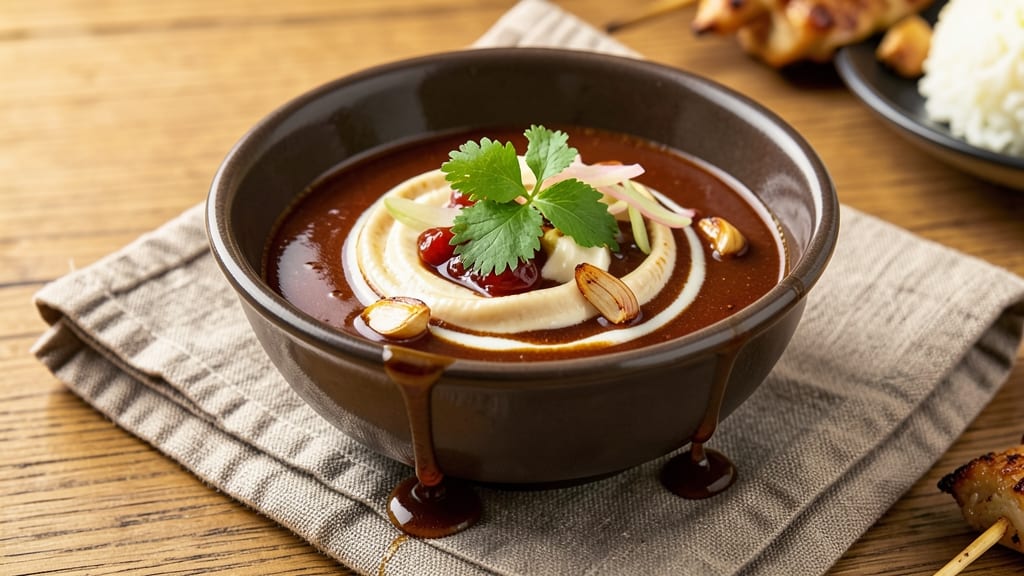
This ayam satay sauce recipe transforms simple ingredients into a velvety, smoky masterpiece that elevates skewers to restaurant-quality. The secret lies in balancing rich peanut butter with tangy tamarind and aromatic spices, creating a sauce that's both bold and harmonious.
I developed this version after years of experimenting with traditional Indonesian flavors, ensuring every spoonful delivers that perfect sweet-savory depth.
The foundation starts with a smooth peanut butter base—1 cup—whisked with 1 can of coconut milk until completely dissolved. Simmering this mixture with kecap manis, tamarind paste, and a touch of chili flakes develops complex flavors as the sauce reduces to a glossy, clingy consistency.
The addition of garlic, ginger, and shallots adds aromatic warmth, while a splash of lime juice brightens the finish.
What makes this sauce truly special is its versatility—it works equally well as a dipping sauce for satay skewers, a marinade for grilled meats, or even a flavorful drizzle over noodles.
The texture is silky-smooth, with just enough body to coat every bite, while the flavor profile remains perfectly balanced: nutty, slightly sweet, with a subtle heat that lingers.
For an extra layer of complexity, finish with a drizzle of sesame oil and a sprinkle of crushed peanuts for texture. This sauce keeps well in the refrigerator for up to 10 days, making it perfect for meal prep or entertaining.
Let's create this flavor-packed sauce that will become your new go-to for Indonesian-inspired dishes.
Ingredients for ayam satay sauce
Balancing rich peanut butter with aromatic spices and tangy tamarind creates this velvety satay sauce masterpiece.
| Ingredient | Amount | Notes |
|---|---|---|
| Smooth Natural Peanut Butter 🥜 | 1 cup | No added sugar preferred |
| Coconut Milk 🥥 | 1 can | Full-fat for creaminess |
| Kecap Manis 🍶 | ½ cup | Indonesian sweet soy sauce |
| Tamarind Paste 🍋 | ¼ cup | Adjust for tanginess |
| Garlic Cloves 🧄 | 6 cloves | Minced for aromatic depth |
| Fresh Ginger 🌿 | 2 tbsp | Grated, not powdered |
| Shallots 🧅 | 3 whole | Finely chopped, not onion |
| Red Chili Flakes 🌶️ | 1 tbsp | Adjust for heat preference |
| Lime Juice 🍋 | 2 tbsp | Freshly squeezed |
| Sesame Oil 🫒 | 1 tbsp | Toasted for finishing |
| Crushed Peanuts 🥜 | ¼ cup | For garnish and texture |
| Salt 🧂 | ½ tsp | Diamond Crystal preferred |
| Brown Sugar 🍯 | 2 tbsp | Lightly packed |
The peanut butter must be smooth and natural—no added sugar or oils. Smucker's Natural or Skippy Natural work well, but avoid chunky varieties. For coconut milk, full-fat canned versions (like Thai Kitchen) provide the necessary creaminess. Tamarind paste can be tricky to find—check the Asian aisle at Whole Foods or H Mart. If unavailable, substitute with lime juice plus 1 tbsp molasses for a similar tang. Shallots are non-negotiable here—their milder bite complements the sauce better than onions. For garlic and ginger, freshly grated or minced delivers the most aromatic punch, though frozen chopped works in a pinch.
No kecap manis? Substitute with 3 tbsp soy sauce plus 1 tbsp brown sugar, though the flavor won't be identical. Short on tamarind? Double the lime juice and add 1 tsp vinegar for acidity. The brown sugar can be swapped for maple syrup in a 1:1 ratio, though it may darken the sauce slightly. For heat control, reduce chili flakes to 0.5 tbsp if sensitive to spice. The sesame oil should be toasted—heat it in a dry pan for 30 seconds before adding to the sauce. If you can't find crushed peanuts, lightly toast regular peanuts and chop them for a similar effect. The sauce thickens as it cools, so add 1 tsp water if it becomes too stiff.
This sauce thickens beautifully when refrigerated, making it perfect for meal prep. Store in an airtight container for up to 10 days in the fridge or 3 months in the freezer. For freezing, portion into ice cube trays—thaw and whisk before use. The texture becomes silky-smooth after resting, so let it sit for 10 minutes before serving. Garnish with extra crushed peanuts and a drizzle of sesame oil just before eating to enhance aroma. The sauce pairs exceptionally well with grilled meats, noodles, or rice dishes, making it a versatile pantry staple worth doubling.
Why You'll Love This Recipe
- Five-Ingredient Magic: I swear, this sauce comes together with just five things—no fancy substitutions needed. The tamarind paste gives that tangy kick, while the kecap manis and peanut butter balance it into something rich but not heavy.
- Savory-Sweet Balance: That garlic clove aroma when it hits the pan? Pure gold. The coconut milk keeps it luscious, but the kecap manis and tamarind make every bite taste like a restaurant dish—just with way less effort.
- Weeknight to Party: Drizzle it over grilled chicken for a quick weeknight meal, or toss it with tofu for a veggie-friendly dish. Honestly, I’ve even used it as a marinade—it’s that versatile.
- Leftovers That Shine: This sauce actually tastes better the next day, if you can believe it. Store it in the fridge and use it to elevate anything from stir-fries to noodles—no waste, all flavor.
Step-by-step instructions for ayam satay sauce
Master this velvety peanut sauce with balanced sweetness, tang, and smoky depth—every component matters.
Toast the Aromatics for Depth
Heat a large skillet over medium heat and add the 1 tablespoon sesame oil. Once shimmering, add the 3 whole shallots and 6 cloves garlic cloves, stirring constantly for 3-4 minutes until the shallots soften and turn golden brown. This step develops their natural sweetness and prepares them for the sauce's aromatic foundation.
Add the 2 tablespoons grated fresh ginger and 1 tablespoon red chili flakes, stirring for another 30 seconds until fragrant. The chili flakes will infuse heat without overwhelming the peanut base—this is where the sauce gets its characteristic warmth. Keep the heat at medium to prevent burning the ginger, which would turn bitter.
Build the Sauce Base with Coconut and Tamarind
Pour in the 1 can coconut milk and 0.5 cup kecap manis, stirring to combine. Bring the mixture to a gentle simmer over medium-low heat, then add the 0.25 cup tamarind paste and 2 tablespoons lime juice. Simmer for 5-7 minutes until slightly thickened—you're looking for a consistency where the sauce coats the back of a spoon but still flows smoothly.
The tamarind paste adds the signature tang that balances the peanut butter's richness. If the sauce thickens too quickly, whisk in 1-2 tablespoons water to maintain the right texture. This step ensures the sauce has the perfect equilibrium of sweet, sour, and umami flavors that define authentic satay sauce.
Incorporate Peanut Butter for Creamy Texture
Reduce the heat to low and gradually whisk in the 1 cup smooth natural peanut butter in a slow, steady stream. Continue whisking for 2-3 minutes until completely smooth and creamy. The peanut butter should melt into the sauce without separating—if it does, add 1 tablespoon hot water to emulsify it properly.
This is where the sauce transforms from a simple coconut base into the signature peanut richness. The low heat prevents the peanut butter from cooking or developing a raw taste. Stir in the 2 tablespoons brown sugar and 0.5 teaspoon salt, adjusting the sweetness to your preference—this balances the tangy tamarind and rich peanut flavors.
Finish with Heat and Garnish
Return the sauce to a gentle simmer and cook for an additional 3-4 minutes until it thickens slightly and coats the back of a spoon. Remove from heat and stir in the 0.25 cup crushed peanuts, reserving a small handful for garnish. The peanuts add texture and a final nutty depth to the sauce.
For serving, drizzle the sauce over grilled satay skewers or use it as a dip. Garnish with the reserved crushed peanuts and an extra sprinkle of red chili flakes for color and heat. The sauce should be thick enough to cling to skewers but still flow gracefully when drizzled—this balance is what makes the sauce truly exceptional.
Pro Tips For Making Ayam Satay Sauce
- Bloom the Tamarind: Soak that tamarind paste in warm water for 10 minutes first—it dissolves like magic and turns your sauce from clumpy to silky. I used to just toss it in dry, and the texture always ended up grainy even after blending.
- Low and Slow Heat: Simmer the sauce on actual low heat once everything’s combined—peanut butter burns faster than you’d think. After burning three batches, I finally figured out that a gentle bubble (not a roll) keeps the flavors balanced and the texture smooth.
- Toast the Garlic: Fry those garlic cloves in a dry pan until golden before blending—it adds a nutty depth that raw garlic can’t match. Skip this, and your sauce will taste flat, no matter how much kecap manis you add.
- Strain the Coconut Milk: Use full-fat coconut milk and strain it through a fine-mesh sieve before adding—this removes the stringy bits that turn your sauce weirdly textured. Yes, it’s an extra step, but the result is worth the 30 seconds of effort.
Essential equipment for great ayam satay sauce
Blender for Smooth Texture
For a perfectly velvety satay sauce, a high-powered blender is essential. I recommend the Ninja BN601 or Vitamix 5200—both handle peanut butter's thickness without overheating. Blend all ingredients together until completely smooth, then strain through a fine-mesh sieve to remove any lumps.
This step ensures a restaurant-quality finish with no graininess. 💫
Heavy-Bottomed Saucepan
A stainless steel saucepan with a 3-quart capacity distributes heat evenly and prevents scorching. I use my All-Clad Stainless pan for simmering the coconut milk and kecap manis base.
The sauce needs gentle heat to develop flavors without breaking down the peanut butter's consistency. Avoid nonstick pans—they can't handle the sauce's thickness.
Whisk for Emulsification
A balloon whisk is perfect for combining the peanut butter smoothly. Use a silicon-coated whisk if you're concerned about peanut butter sticking. Whisk over low heat while adding the peanut butter gradually to prevent clumping.
I keep mine at hand when making this sauce—it's the secret to that signature satay sauce silkiness.
Fine-Mesh Sieve
After blending, strain the sauce through a fine-mesh sieve lined with a cheesecloth to remove any fibrous bits from the tamarind or garlic. This step is crucial for a smooth texture.
I keep a stainless steel mesh sieve in my kitchen specifically for sauces like this—it's worth the small investment for professional results.
Measuring Spoons
Precise measurements are key for balancing flavors. Use stainless steel measuring spoons for the red chili flakes, sesame oil, and brown sugar. I recommend the OXO Good Grips set—they're durable and accurate.
Even small variations in these ingredients can drastically change the sauce's heat level or sweetness balance.
Immersion Blender Option
If you prefer blending directly in the pot, an immersion blender works well. The Ninja MagiMix handles peanut butter beautifully. Simply blend all ingredients in the saucepan until smooth.
This method saves cleanup but requires more attention to avoid overheating the motor—keep it running for no more than 1 minute at a time. 🔥
Nutrition facts
Frequently asked questions
Can I make this satay sauce without peanut butter?
The peanut butter is essential for that signature satay richness, but you can substitute with 1 cup smooth almond butter or ½ cup tahini mixed with ½ cup coconut milk. For a completely nut-free version, try ½ cup coconut cream plus 1 tbsp cornstarch to mimic the body, though the flavor will differ. The sauce will be less creamy but still delicious when paired with grilled meats.
How do I adjust the spice level?
Start with the 1 tbsp red chili flakes as written for a mild-medium heat. For extra spice, add ½ tsp cayenne pepper or 1 fresh chili (like bird's eye) minced. To reduce heat, simply omit the chili flakes or use ½ tsp smoked paprika instead. Always taste as you go—you can always add more spice but can't remove it!
Can I make this sauce ahead of time?
This sauce actually tastes better after resting! Make it 1 day ahead and store in an airtight container in the fridge. The flavors meld beautifully, and the texture becomes even silkier. For longer storage, freeze in 1-tbsp portions for up to 3 months. Thaw overnight in the fridge and whisk before using to restore smoothness.
What's the best way to use this sauce?
While it's perfect for dipping grilled satay skewers, this versatile sauce works with chicken, beef, or tofu skewers, as a marinade for stir-fries, or drizzled over rice noodles and vegetable curries. For extra flavor, brush it on meats during the last 5 minutes of grilling. It also makes an amazing sauce for spring rolls or as a dip for fresh veggies.
Why did my sauce separate?
Separation usually happens when peanut butter wasn't incorporated properly or the sauce was heated too quickly. Fix it by whisking in 1 tbsp hot water while stirring constantly over low heat until smooth. For prevention, always add peanut butter gradually while whisking vigorously. If the sauce is too thick after cooling, thin with 1 tsp water at a time until it reaches a pourable consistency.