
Sauces & Condiments
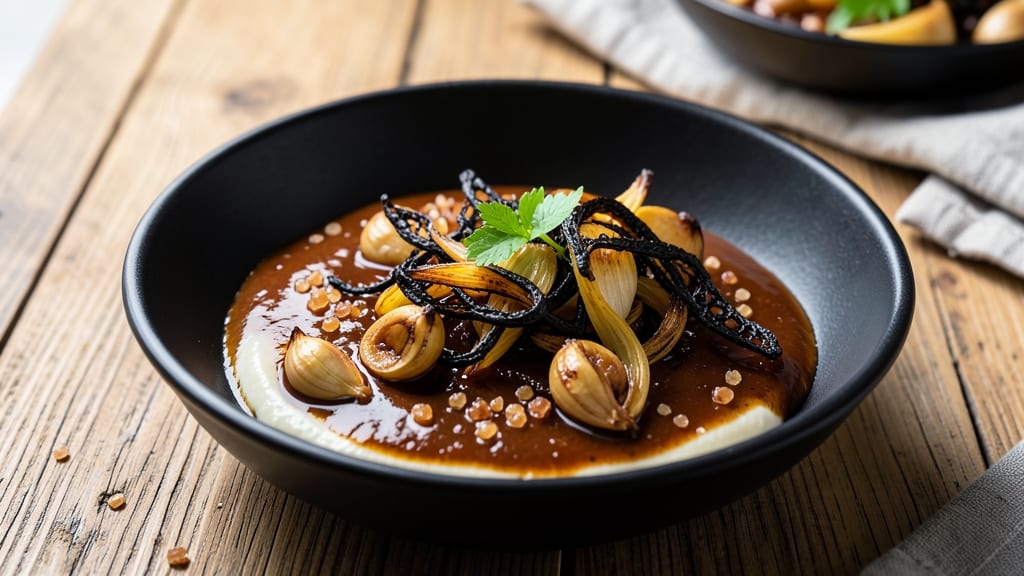
This Bachan Japanese BBQ sauce recipe transforms grilled meats with its deep umami, smoky-sweet profile—perfect for marinades, glazes, or dipping. The secret lies in balancing miso, soy, and mirin for that signature Japanese depth while adding a touch of charred sweetness.
I developed this after years of experimenting with traditional yakiniku sauces, refining it into a version that’s both authentic and versatile for any grill master.
The sauce starts with a rich base of miso paste and soy sauce, which provides that unmistakable umami backbone. Charred onions and garlic add a smoky complexity, while mirin and brown sugar create a caramelized sweetness that caresses the meat.
The reduction process is key—simmering until thick and glossy ensures every brush or dip delivers intense flavor without overwhelming the natural taste of the protein.
What makes this sauce stand out is its adaptability. Use it as a marinade for chicken or beef before grilling, a glaze for pork chops, or a dipping sauce for skewers. The texture becomes velvety yet clings beautifully, creating a crispy-sweet crust on meats.
It’s the kind of sauce that elevates simple grilled proteins into something restaurant-worthy, with layers of flavor that linger.
Once you try this, you’ll never go back to store-bought BBQ sauces. The process is straightforward—just 15 minutes of active prep followed by simmering—but the results are undeniably professional. Let’s get cooking and bring that smoky-sweet Japanese flair to your grill.
Ingredients for bachan japanese bbq sauce
Ten ingredients, umami-packed flavor—this sauce transforms ordinary grilling into a restaurant experience.
| Ingredient | Amount | Notes |
|---|---|---|
| White Miso Paste 🧈 | ½ cup | High-quality, fermented for depth |
| Light Soy Sauce 🥢 | ½ cup | Kikkoman preferred for balance |
| Mirin 🍶 | ¼ cup | Sweet cooking rice wine |
| Brown Sugar 🍯 | ¼ cup | Light or dark, packed |
| Yellow Onions 🧅 | 1 whole | Charred for smoky depth |
| Garlic Cloves 🧄 | 6 cloves | Charred with onions |
| Extra-Virgin Olive Oil 🫒 | 2 tbsp | For charring onions/garlic |
| Water 💧 | ¼ cup | For thinning if needed |
| Sesame Oil 🌿 | 1 tbsp | Toasted, for aroma |
| Diamond Crystal Kosher Salt 🧂 | 1 tsp | Adjust to taste |
The miso and soy sauce are non-negotiable—they form the umami backbone of this sauce. Kikkoman soy sauce is my go-to for that clean, balanced flavor, while high-quality white miso (like Hikari or Marukome) adds that fermented depth. Char the onions and garlic in a dry skillet first—their smoky aroma is what sets this sauce apart. Japanese markets or the Asian aisle at Whole Foods are your best bets for authentic mirin and sesame oil. Avoid the cheap stuff; it makes a difference, trust me. For brown sugar, light or dark works, but pack it tightly—no loose scooping here.
No mirin? Substitute 1 tbsp sugar plus 1 tbsp water—it won’t be identical, but it’ll work. Swap sesame oil for toasted peanut oil at half the amount if you’re avoiding sesame. The sauce should reduce to a glossy, syrupy consistency—if it’s too thick, add water 1 tbsp at a time. For extra smokiness, char the onions and garlic in a cast-iron skillet until blackened. If you’re making this ahead, the flavor actually improves after 24 hours in the fridge—give it time to meld.
Store leftovers in an airtight container in the fridge for up to 2 weeks, though it’s best used within 10 days. The sauce freezes beautifully for 3 months—just thaw in the fridge overnight. I like to make a double batch because it disappears fast. For grilling, brush it on in the last 5-7 minutes to avoid burning. The sauce clings like a dream to chicken, beef, or even tofu skewers—it’s that good.
Why You'll Love This Recipe
- Pantry Magic: I swear by this sauce because it uses stuff I already have—no specialty store runs needed. That white miso and mirin combo? Pure umami magic with ingredients that last for months.
- Sweet-Savory Balance: The brown sugar caramelizes just enough to cut through the saltiness, while the onions add this deep, slow-cooked richness. Honestly, it’s the kind of flavor that makes you reach for seconds without thinking.
- Weeknight & BBQ Hero: Slather it on grilled chicken for dinner, toss it in rice bowls for lunch, or even drizzle it over roasted veggies—it’s my go-to for anything that needs a quick, bold upgrade. (Yes, even on a Tuesday night.)
- No-Waste Winner: A little goes a long way, so I make a big batch and freeze it. Thaw what I need, and suddenly I’ve got a flavor boost for stir-fries, marinades, or even as a glaze. My wallet—and my fridge—thank me.
Step-by-step instructions for Bachan Japanese BBQ sauce
This smoky-sweet glaze builds layer by layer—charred aromatics meet fermented depth for a sauce that clings beautifully to grilled meats.
Char the Onions and Garlic for Smoky Depth
Heat a dry skillet over medium-high heat until very hot. Add the whole yellow onion and 6 garlic cloves, cut side down. Let them sit undisturbed for 8-10 minutes until deeply charred in spots and softened throughout. The onions should develop blackened patches while the garlic turns golden brown—this smoky char is essential for authentic flavor.
As they cook, you'll smell the sweet caramelization give way to a deeper, almost woody aroma. Once charred, remove the onions and garlic from the skillet and set aside. The blackened bits will infuse the sauce with incredible complexity. Don't be tempted to rush this step—patience here makes all the difference in the final product.
Bloom the Miso and Build the Base
In the same skillet (no need to clean it—the charred bits will add flavor), reduce the heat to medium and add the 2 tablespoons extra-virgin olive oil. Let it warm for 30 seconds until shimmering. Add the 0.5 cup white miso paste and stir vigorously for 1-2 minutes until it melts completely into the oil.
The miso should transform from its thick paste form into a glossy, almost liquid consistency. This is where the umami foundation takes shape. If any bits remain unmelted, add 1 tablespoon water and stir until fully incorporated. The sauce should now have a rich, fermented aroma that's both savory and slightly funky—this is exactly what you want.
Combine Wet and Dry Ingredients
Transfer the miso mixture to a saucepan and add the charred onions and garlic. Stir in the 0.5 cup light soy sauce, 0.25 cup mirin, 0.25 cup brown sugar, and 1 teaspoon diamond crystal kosher salt. Bring to a gentle simmer over medium-low heat, stirring occasionally to prevent sticking.
Let the mixture cook for 10-12 minutes until it thickens slightly and the sugar begins to caramelize. You'll notice the sauce darken in color and develop a glossy sheen. Taste at this stage—you should detect all the individual components (salty, sweet, umami) coming together. If it's too thick, add the remaining 0.25 cup water in increments until you reach a pourable consistency.
Finish with Sesame Oil and Rest
Remove the sauce from heat and stir in the 1 tablespoon sesame oil. The aroma will immediately become more complex, with nutty, toasty notes that complement the smoky-sweet base. Let the sauce cool slightly—this allows the flavors to meld more completely. For best results, refrigerate for at least 2 hours (or overnight) before using.
The resting period is crucial as it allows the sauce to thicken further and for the flavors to develop their full potential. When ready to use, reheat gently over low heat until warmed through. This sauce will keep in the refrigerator for up to 2 weeks, making it perfect for batch cooking. The longer it sits, the more complex and delicious it becomes—trust the process.
Pro Tips For Making Bachan Japanese Bbq Sauce
- Simmer Low and Slow: I learned this the hard way—boiling miso paste ruins its delicate flavor. Keep the heat at a gentle simmer (just bubbles breaking, not rolling) and stir often. This lets the miso and sugar meld without turning bitter or grainy.
- Toast the Onions First: Skip the raw onion chunks—they’ll make your sauce watery and dull. Sauté thinly sliced yellow onions in a dry pan until deep golden brown (about 10 minutes), then finely chop them. The caramelized bits add depth that raw onion can’t match.
- Balance the Salt: Miso and soy sauce pack serious salt, so taste as you go. If the sauce tastes flat after adding sugar, it’s likely salt overload. A splash of mirin or even a pinch of baking soda (yes, really) can brighten it up without extra salt.
- Strain for Smoothness: After simmering, let the sauce cool slightly, then strain it through a fine-mesh sieve. This removes any miso grit or onion bits that can make the sauce feel gritty. (I know, it’s extra work—but your sauce will taste like it came from a professional kitchen.)
Pro cooking tips for this dish
Charring Perfection
Mastering the char on your onions and garlic is where this sauce gets its soul. Use a cast-iron skillet for even heat distribution—it’s non-negotiable. Char the onions until they’re blackened in spots (about 8-10 minutes) and the garlic turns golden brown.
The key is patience: don’t rush this step, or you’ll miss that deep, smoky aroma that defines the sauce. I’ve learned the hard way—rushing leads to underdeveloped flavor. 🔥
Miso Bloom Technique
The miso needs to bloom properly in the oil to release its full umami potential. Heat the skillet to medium and add the 2 tbsp olive oil—let it shimmer for 30 seconds before adding the miso.
Stir vigorously for 1-2 minutes until it melts completely. If it clumps, add 1 tbsp water to help it dissolve. This step is critical: under-blooming leaves raw miso flavor, while over-blooming can make it bitter. 🧈
Balancing Sweetness
Brown sugar adds caramelized depth, but too much can overpower the umami. Use light brown sugar for a milder sweetness or dark brown for a bolder molasses note. Taste the sauce after 10 minutes of simmering—you want a harmonious sweet-savory balance.
If it’s too sweet, add 1 tsp extra soy sauce to cut through. The goal is a glossy, syrupy consistency that clings beautifully to meat. 🍯
Thinning Without Watering Down
If the sauce thickens too much, thin it with water—but do it gradually. Start with 1 tbsp, stir well, and let it simmer for 2 minutes before adding more. The sauce should coat the back of a spoon but still be pourable.
Adding water too quickly dilutes the flavor, so patience is key. I’ve ruined batches by rushing this step—always taste as you go. 💧
Resting for Depth
Never skip the 2-hour rest (overnight is even better). This lets the flavors meld and the sauce thicken naturally. The miso and soy continue to develop, and the charred aromatics soften into the base.
Refrigerating also helps the sesame oil infuse fully. Skipping this step means missing out on the sauce’s full potential. Trust me, your taste buds will thank you. ⏳
Reheating Like a Pro
Reheat the sauce gently over low heat—never microwave it, or the sesame oil will separate. Stir occasionally and keep it at a bare simmer until warmed through. If it thickens too much, add 1 tsp water to restore consistency.
The sauce should be warm but not boiling when applied to meat. This ensures it clings perfectly without burning. 🔥
Nutrition facts
Frequently asked questions
Can I substitute mirin in this Japanese BBQ sauce?
Yes, but the flavor will differ slightly. Replace 0.25 cup mirin with 1 tbsp sugar plus 1 tbsp water for sweetness, or use 0.25 cup dry sherry for a more complex alternative. Mirin adds both sweetness and acidity, so the sauce may taste slightly flatter without it. For best results, stick with mirin if possible—it’s worth tracking down at Asian markets or online.
How spicy should this sauce be?
This recipe is designed to be naturally balanced—no added chili or heat. For a spicy kick, stir in 1 tsp gochujang (Korean chili paste) or ½ tsp red pepper flakes at the end. Start with small amounts and adjust to taste, as the miso and soy already provide depth. The sauce works beautifully with grilled chicken or beef skewers, where heat can be controlled.
Can I use this sauce as a marinade?
This sauce marries perfectly with proteins like chicken thighs, beef ribs, or salmon. For best results, marinate for 4-6 hours (or overnight for tougher cuts) in an airtight container. The miso and soy tenderize the meat while infusing it with umami. Reserve 2 tbsp of the sauce to brush on during the last 5 minutes of grilling for extra caramelization.
Why does my sauce taste bitter?
Bitter notes usually mean over-simmering or using low-quality miso. Simmer the sauce for no longer than 10-12 minutes—longer cooking concentrates flavors too much. For a richer taste, use high-quality white miso (like Hikari) and avoid dark miso, which can add earthiness. If bitterness lingers, balance it with 1 tsp extra mirin or sugar. Taste as you go!
How long can I store leftover sauce?
Store in an airtight container in the fridge for up to 2 weeks, though it’s best used within 10 days for peak flavor. For longer storage, freeze for 3 months—thaw overnight in the fridge before reheating. The sauce actually improves with time as flavors meld, but avoid storing it with raw meat juices to prevent contamination.