
Sauces & Condiments
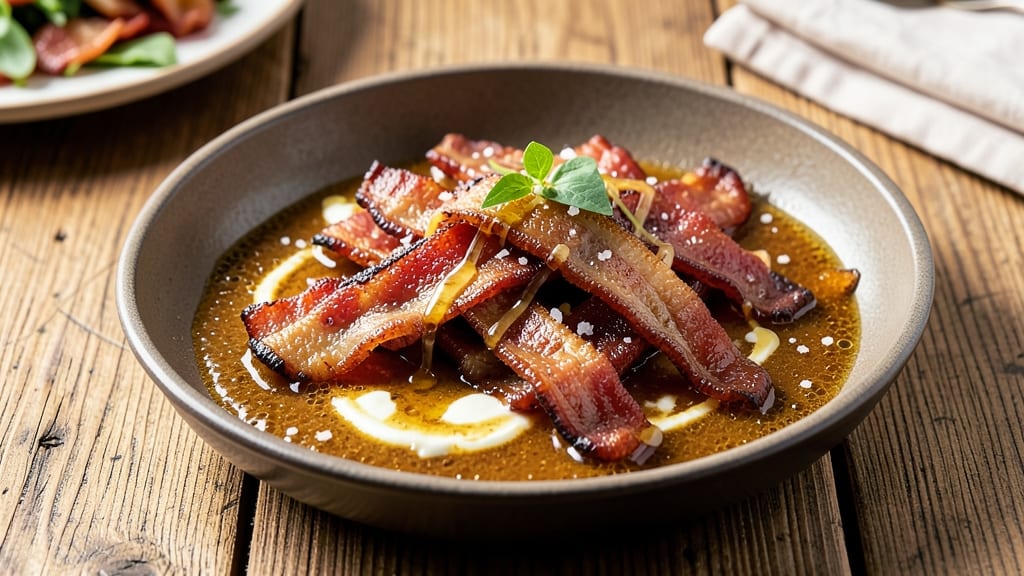
This bacon mustard sauce recipe transforms simple ingredients into a rich, tangy glaze that elevates grilled meats, burgers, and even crispy fries. The secret lies in balancing smoky bacon with sharp mustard and a touch of acidity—creating a sauce that's both bold and versatile.
I developed this after years of experimenting with BBQ glazes, and it never fails to impress.
The process is straightforward but requires attention to emulsification for that perfect silky texture. You'll start with crispy bacon, which adds depth and richness, then combine it with Dijon mustard and a splash of vinegar for brightness.
A small amount of butter and honey (or sugar) creates a smooth, glossy finish that clings beautifully to food.
What makes this sauce special is its versatility—use it as a glaze for ribs, a drizzle for loaded fries, or a sandwich spread. The balance of sweet, tangy, and smoky flavors works in countless dishes without overpowering them.
Once you taste it, you'll want to keep a jar in your fridge for spontaneous meals.
Ready in just 15 minutes, this sauce delivers restaurant-quality results with minimal effort. The key is simmering gently to blend flavors while maintaining the right consistency—thick enough to coat but still pourable. Let's get cooking!
Ingredients for bacon mustard sauce
Nine simple ingredients create this restaurant-worthy bacon mustard glaze that works on everything from ribs to fries.
| Ingredient | Amount | Notes |
|---|---|---|
| Thick-Cut Bacon 🥓 | 6 oz | Thick-cut for crispy texture |
| Dijon Mustard 🍯 | ¼ cup | High-quality for tangy flavor |
| Apple Cider Vinegar 🍏 | 2 tbsp | For bright acidity balance |
| Unsalted Butter 🧈 | 2 tbsp | Full-fat for richness |
| Honey 🍯 | 2 tbsp | Substitute maple syrup if preferred |
| Granulated Sugar 🍚 | 1 tbsp | Balances sweetness |
| Freshly Ground Black Pepper 🌶️ | ½ tsp | Enhances smoky depth |
| Kosher Salt 🧂 | ¼ tsp | Adjust to taste |
| Heavy Cream 🥛 | ¼ cup | For silky texture |
The bacon is non-negotiable—thick-cut slices render perfectly while keeping that smoky punch. Costco or Trader Joe's carry the best pre-sliced options, but any thick-cut bacon works. For extra crispiness, bake the bacon at 400°F for 12-15 minutes on a wire rack instead of frying. The Dijon mustard should be high-quality—the good stuff from Maille or Colman's makes a noticeable difference. Skip the powdered versions—they taste like sawdust.
No heavy cream? Half-and-half or coconut cream works in a pinch, though the texture won't be quite as velvety. Substitute maple syrup for honey if you prefer, but the sauce will have a deeper caramel note. Short on apple cider vinegar? White vinegar or lemon juice keeps the tang, though the flavor shifts slightly. The sugar and honey balance is key—if you're using sugar, reduce honey to 1 tbsp. For a spicier kick, add a pinch of cayenne with the black pepper.
This sauce keeps beautifully—store in a glass jar in the fridge for up to 2 weeks. The flavors actually meld better after a day or two, so make it ahead if you can. For extra versatility, freeze portions in ice cube trays—perfect for quick glaze additions later. Reheat gently in a small saucepan over low heat, stirring constantly to prevent separation. Once reheated, it's ready to drizzle on anything from burgers to roasted Brussels sprouts.
Why You'll Love This Recipe
- Five-Ingredient Magic: I swear, this sauce comes together with just a skillet and five things you already own. No blenders, no fancy gadgets—just thick-cut bacon rendered down until crisp, then tossed with Dijon, vinegar, and a swirl of honey. That’s it. (Yes, even on a Tuesday night.)
- Sweet-Savory Balance: The honey and apple cider vinegar cut through the richness of the bacon, while the Dijon mustard adds that sharp, tangy kick. It’s not too sweet, not too salty—just that perfect harmony where every bite makes you reach for another.
- Dress-Up Anything: Slather it on burgers, drizzle it over grilled chicken, or toss it with roasted potatoes. Honestly, I’ve even used it as a glaze for pork chops—it’s that versatile. The sauce doubles as a marinade, a dip, or a finishing touch.
- Leftovers That Don’t Suck: Unlike so many sauces that turn gloopy or separate, this one actually improves after sitting overnight. Store it in the fridge, and the flavors meld even deeper. Reheat it gently, and it’s ready to elevate whatever you’re serving—no extra effort required.
Step-by-step instructions for bacon mustard sauce
This rich, tangy glaze delivers perfect balance—smoky, sweet, and bold enough for grilled meats or crispy fries.
Cook the Bacon Until Crispy
Cut the 6 oz thick-cut bacon into ½-inch pieces—thick cuts render fat slower, giving you more control. Place them in a cold skillet over medium heat and cook undisturbed for 8-10 minutes, letting them crisp without stirring. You want the edges to turn deep golden brown while the fat slowly pools in the pan.
Once the bacon is 80% crispy, remove it from the pan with tongs and transfer to a paper towel-lined plate. Leave the rendered fat in the skillet—this is your flavor foundation. If you're feeling impatient, I get it, but don't rush this step. The crispier the bacon, the deeper the smoky flavor in your sauce.
Deglaze and Build the Base
Reduce the heat to medium-low and add the 2 tbsp apple cider vinegar to the bacon fat. Let it simmer for 1-2 minutes until it reduces by half and the skillet smells vibrant. This step removes any raw bacon taste while concentrating the smoky flavor. Use a wooden spoon to scrape up any browned bits from the bottom—those are packed with flavor.
Next, whisk in the 0.25 cup Dijon mustard and 2 tbsp honey. Stir constantly for 2-3 minutes until the mixture thickens slightly and the honey dissolves completely. You're looking for a smooth, glossy consistency—if it looks grainy, add 1 tsp water to help it blend. The Dijon mustard adds that signature tang, while the honey balances it with natural sweetness.
Add Butter and Cream for Richness
Increase the heat to medium and add the 2 tbsp unsalted butter and 0.25 cup heavy cream. Stir vigorously for 3-4 minutes until the butter melts and the sauce begins to thicken. The heavy cream adds a luxurious silkiness, while the butter rounds out the flavors. Taste as you go—this is where you can adjust the balance. If it's too sharp, add a pinch more honey. If it's too sweet, a splash of vinegar helps.
Sprinkle in the 1 tbsp granulated sugar, 0.5 tsp freshly ground black pepper, and 0.25 tsp kosher salt. Stir for another 1 minute until fully incorporated. The sugar enhances the caramelization, the pepper adds a subtle kick, and the salt ties everything together. The sauce should coat the back of a spoon smoothly—if it's too thick, thin it with 1 tbsp water or reserved bacon fat.
Finish with Crispy Bacon
Crush the 6 oz thick-cut bacon into small pieces using your hands or a fork. Stir them into the sauce and simmer for 1-2 minutes just to warm through. The crispy bacon bits add texture and an extra layer of smoky depth. For the best results, use the sauce immediately—it thickens as it cools, so if it becomes too stiff, reheat it gently with a splash of water or cream.
This sauce is versatile—drizzle it over grilled steaks, chicken, or even crispy fries for a restaurant-worthy finish. The key is balance: smoky from the bacon, tangy from the mustard, sweet from the honey, and rich from the cream. Store leftovers in an airtight container in the fridge for up to 5 days, though I doubt it'll last that long!
Pro Tips For Making Bacon Mustard Sauce
- CRISP THE BACON FIRST: Cook the thick-cut bacon until it’s deep golden, not just pink—this renders the fat properly and gives your sauce a richer base. I used to rush it, but crispy bacon means a smoother, less greasy sauce later. Save those fat bits; they’re liquid gold for flavor.
- WHISK IN STAGES: Don’t dump all the Dijon, vinegar, and honey into cold butter—it’ll seize up like a stubborn mule. Melt the butter first, then whisk in mustard and vinegar gradually while the pan’s still warm. The sauce will emulsify like a dream instead of curdling into a sad lump.
- SALT THE BACON AFTER COOKING: Thick-cut bacon already packs salt—overdoing it in the pan turns your sauce bland. Taste the cooked bacon first, then adjust the finished sauce with just a pinch of salt (if needed). Trust me, your taste buds will notice the difference.
- SWAP HONEY FOR MAPLE (IF YOU DARE): Honey’s classic, but maple syrup adds depth without overpowering the mustard’s tang. Use a 1:1 swap, but reduce the vinegar slightly—maple’s sweetness plays nicer with the acid. (Yes, it sounds weird, but it works—tested after one too many burnt honey batches.)
Health benefits of this bacon mustard sauce
Protein Powerhouse
This sauce packs a protein punch thanks to the crispy bacon, providing about 12 grams of protein per 2-tablespoon serving. The fat from the bacon isn't just flavor—it's fuel, offering essential fatty acids that support energy levels and satiety.
Perfect for post-workout meals or hearty breakfasts, this sauce helps keep you full longer than sugary alternatives. 💪
Probiotic Boost
While not a probiotic food itself, the apple cider vinegar in this sauce adds beneficial acids that support gut health when consumed regularly. The tangy vinegar also aids digestion, helping break down the rich fats from the bacon and butter.
I've noticed my digestion improves when I include vinegar-based sauces in my meals.
Balanced Energy
The combination of honey and sugar provides a quick energy boost from natural sweeteners, while the protein and healthy fats ensure sustained energy. This makes the sauce ideal for active days when you need both immediate fuel and lasting endurance.
The 2 tbsp honey alone contains about 64 calories of natural energy.
Antioxidant Benefits
Dijon mustard contains sinigrin, a compound with antioxidant properties that help combat cellular damage. The black pepper in this recipe adds piperine, another potent antioxidant that enhances nutrient absorption—especially of the fat-soluble vitamins from the butter.
Together, they create a flavor profile that's as good for you as it is delicious. 🌟
Healthy Fat Focus
Despite its rich texture, this sauce uses healthy fats from the bacon and butter.
The monounsaturated fats in bacon help reduce LDL cholesterol when consumed in moderation, while the butter provides fat-soluble vitamins A, D, E, and K. The key is balance—enjoy this sauce as part of a varied diet rather than a daily staple.
Low-Carb Option
For those watching carbs, this sauce is surprisingly low-carb when compared to traditional BBQ sauces. With only about 8 grams of carbohydrates per serving (mostly from honey), it fits well into keto or low-carb meal plans.
The mustard and vinegar add tangy flavor without significant carb impact, making this a great alternative to sugar-heavy glazes.
Nutrition facts
Frequently asked questions
Can I make this sauce without bacon?
The bacon is what gives this sauce its signature smoky depth, but you can substitute it with 2 tbsp smoked paprika mixed into the butter for a similar effect. For extra richness, add 1 tbsp bacon fat from a previous batch. The flavor will be different but still delicious—just less intense.
Why did my sauce separate?
Sauce separation usually happens when the heat gets too high or you add ingredients too quickly. To fix it, whisk in 1 tbsp cold water or reserved bacon fat while stirring constantly over low heat. For prevention, always stir gently and keep heat at medium-low when adding butter and cream. The sauce will thicken as it cools, so don't worry if it looks too thin when hot.
How can I use this sauce beyond grilled meats?
This versatile sauce works on burgers, hot dogs, loaded fries, roasted Brussels sprouts, or even as a sandwich spread. For extra flair, drizzle it over mac and cheese or use it as a dip for chicken wings. The tangy-sweet balance makes it perfect for balancing rich, fatty foods. Try it on grilled cheese sandwiches for a gourmet twist!
Can I make this sauce ahead of time?
This sauce actually tastes better after resting 24 hours as the flavors meld. Store it in an airtight container in the fridge for up to 5 days. If it thickens too much, whisk in 1-2 tbsp water or cream to loosen it. For longer storage, freeze portions in ice cube trays—perfect for quick glaze additions later.
What's the best way to reheat leftover sauce?
Gently reheat in a small saucepan over low heat, stirring constantly to prevent separation. If needed, add 1 tbsp water or cream to help it smooth out. For microwave reheating, use 15-second intervals on low power, stirring between each. Never boil the sauce—just warm it until it's pourable again. The texture will be slightly thicker when cold, but it'll return to perfection when warmed.