
Sauces & Condiments
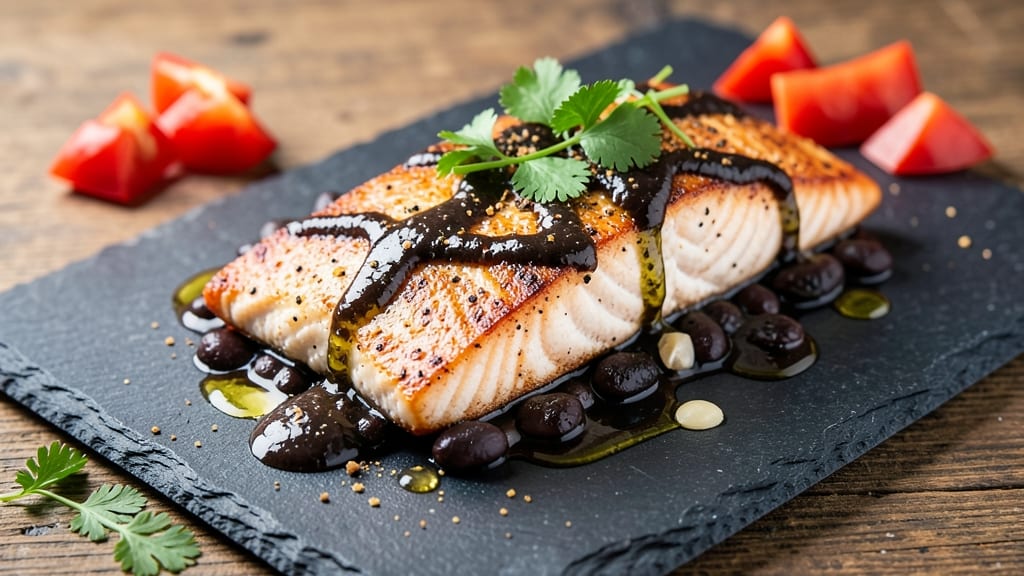
This baked salmon with black bean sauce delivers restaurant-quality harmony of smoky spices and deep umami in every bite. The secret lies in the sauce—a velvety blend of black beans, cumin, and garlic—that transforms simple baked salmon into a flavor-packed masterpiece.
I developed this recipe after years of testing how to balance the delicate texture of salmon with bold, complex flavors that stand up to any plate.
The black bean sauce isn't just a topping—it's the heart of this dish, providing rich texture and earthy depth that complements the salmon's natural sweetness.
What makes this recipe work is the 375°F bake, which ensures the fish stays moist while the sauce caramelizes slightly, creating a perfect balance of tender fish and sticky-sauce perfection. Unlike many recipes that rely on heavy cream or butter, this version keeps things light yet deeply satisfying.
By the time you serve this dish, you'll have golden-brown salmon with crisp edges, perfectly flaked flesh, and a sauce that clings beautifully to each piece. The aroma alone—smoky cumin, toasted garlic, and the natural sweetness of black beans—will have everyone at the table anticipating the first bite.
This is the kind of meal that feels special without requiring hours in the kitchen.
The best part? The sauce can be made ahead and reheated, making this a weeknight-friendly solution for impressing guests or treating yourself. Pair it with steamed greens or roasted vegetables to complete the plate. Let's get cooking—this salmon will change how you think about simple weeknight dinners.
Ingredients for baked salmon with black bean sauce
Four fillets, twelve ingredients—this dish delivers restaurant-quality harmony with minimal effort.
| Ingredient | Amount | Notes |
|---|---|---|
| Center-Cut Salmon Fillets 🐟 | 4 whole | Skin-on for crisp edges, 6-8 oz each |
| Canned Black Beans 🫘 | 1 can | Low-sodium preferred, drained and rinsed |
| Ground Cumin 🌿 | 1 ½ tsp | Toasted for deeper aroma |
| Garlic Cloves 🧄 | 4 cloves | Minced for sauce, peeled |
| Smoked Paprika 🌶️ | 1 tsp | For authentic smoky depth |
| Extra-Virgin Olive Oil 🫒 | 2 tbsp | High-quality, fruity variety |
| Lemon Juice 🍋 | 1 tbsp | Freshly squeezed, bright flavor |
| Low-Sodium Soy Sauce 🍶 | 1 tbsp | For umami balance |
| Honey 🍯 | 1 tsp | Light variety preferred |
| Fresh Cilantro 🌿 | ¼ cup | Chopped, for garnish |
| Kosher Salt 🧂 | 1 ½ tsp | Diamond Crystal preferred |
| Ground Black Pepper 🌶️ | ½ tsp | Freshly ground |
| Avocado Oil 🫒 | 1 tbsp | For high-heat baking |
| Red Bell Pepper 🌶️ | ½ cup | Diced, for sauce texture |
The salmon is where this dish shines. Center-cut fillets with skin-on create crisp edges while keeping the flesh tender—Costco or Whole Foods carry the best quality. Look for fillets with vibrant pink color and minimal bruising. The black beans? Low-sodium canned is a game-changer (no rinsing if you're using regular). I always grab Trader Joe's organic black beans when I'm stocking up—they're consistent and affordable. For the cumin and smoked paprika, Penzeys Spices has the best toasted varieties, but the regular grocery store brands work fine if you toast them yourself in a dry pan for 30 seconds.
No smoked paprika? Regular paprika plus a pinch of liquid smoke gets you close. Short on honey? Maple syrup at half the amount works beautifully. The avocado oil is non-negotiable for baking—it has a higher smoke point than olive oil, so the salmon doesn't absorb any off-flavors. Fresh cilantro? Dried works at one-third the amount, but honestly, fresh is worth the extra minute to chop. The red bell pepper adds sweetness and texture—roasted first if you want to take it to the next level. And if you're using pre-minced garlic from a jar, rinse it well to remove that metallic aftertaste.
The sauce keeps beautifully—3-4 days in the fridge, 3 months frozen in ice cube trays. I always make a double batch because it's perfect over rice or as a dip for chips. Store the sauce separately from the salmon until ready to serve to keep the fish fresh. The salmon itself should be used within 2 days of purchase for peak texture. If you're prepping ahead, bake the salmon just before serving—it reheats poorly but tastes incredible fresh from the oven.
Why You'll Love This Recipe
- One-Pan Magic: I swear by this recipe—just toss the salmon and beans on a sheet pan, drizzle that smoky cumin-paprika sauce, and let the oven do the work. No chopping, no fuss, and honestly? The cleanup is just rinsing a pan.
- Smoky-Sweet Magic: That black bean sauce—garlic, cumin, and a hint of smokiness—clings to the salmon like a dream. The beans add texture, the paprika gives it depth, and the result? A flavor combo that’s both bold and balanced, like a hug for your taste buds.
- Meal Prep MVP: Double the batch, store half for later, and thank me tomorrow. The salmon stays moist when reheated (yes, really), and the beans soak up any extra sauce for extra flavor. My lunchbox’s new best friend—packs well, tastes fresh.
- Budget-Friendly Luxury: Salmon feels fancy, but this recipe keeps it real. Canned beans stretch the meal, and a little smoked paprika and cumin turn simple ingredients into something special. Between us? It’s the kind of dish that makes grocery day feel like a win.
Step-by-step instructions for baked salmon with black bean sauce
Here's how to create restaurant-quality baked salmon with a rich, smoky black bean sauce that balances perfectly with the fish's delicate flavor.
Prepare the Black Bean Sauce
In a medium saucepan, combine the drained and rinsed 1 can canned black beans, 0.5 cup diced red bell pepper, 4 cloves minced garlic, 1.5 teaspoons ground cumin, and 1 teaspoon smoked paprika. Stir well to distribute the spices evenly throughout the mixture. This blend forms the flavor base for our sauce, where the cumin and smoked paprika will infuse the beans with deep, earthy warmth.
Add 1 tablespoon low-sodium soy sauce, 1 tablespoon lemon juice, and 1 teaspoon honey to the pan. The soy sauce brings umami depth while the lemon juice brightens the flavors, and the honey adds just enough sweetness to balance the smokiness. Bring the mixture to a gentle simmer over medium heat, then reduce the heat to low and let it cook for 10-12 minutes, stirring occasionally. You're looking for a thick, chunky sauce that coats the back of a spoon—this ensures it'll cling beautifully to the salmon when served.
Season and Prepare the Salmon
While the sauce simmers, pat the 4 whole center-cut salmon fillets completely dry with paper towels. This step is crucial—it prevents the skin from steaming instead of crisping. Place the fillets on a clean work surface and season both sides generously with 1.5 teaspoons kosher salt and 0.5 teaspoon ground black pepper. Press the seasoning into the flesh gently to ensure even distribution.
In a small bowl, whisk together 1 tablespoon extra-virgin olive oil and 1 tablespoon avocado oil. The high smoke point of avocado oil ensures the salmon cooks evenly without burning. Brush this oil mixture lightly over the seasoned salmon fillets, focusing on the skin side. This creates a protective barrier that promotes crispiness while keeping the flesh moist. Let the seasoned fillets rest at room temperature for 10 minutes before baking—this allows the flavors to penetrate the fish evenly.
Bake the Salmon to Perfection
Preheat your oven to 400°F and position a rack in the center position. Line a baking sheet with parchment paper and arrange the salmon fillets skin-side down on the prepared sheet. The skin-side down position ensures the skin crisps beautifully while the flesh remains tender. Bake for 12-15 minutes, depending on the thickness of your fillets. You'll know they're done when the skin is golden brown and crisp, and the internal temperature reaches 145°F when measured with an instant-read thermometer.
During the last 2 minutes of baking, watch the salmon closely. If the skin begins to brown too quickly, tent the pan loosely with aluminum foil to prevent over-browning while still allowing the flesh to cook through. The salmon should flake easily with a fork and have a delicate, moist texture—never dry or rubbery. Remove the fillets from the oven and transfer them to a serving platter, skin-side up.
Assemble and Serve
Return the black bean sauce to a gentle simmer and stir in 0.25 cup chopped fresh cilantro. This final addition brightens the sauce with fresh herbaceous notes that complement the smoky flavors. Spoon the warm black bean sauce over the baked salmon fillets, allowing it to cascade elegantly over the top. The sauce should coat the salmon lightly, enhancing its natural flavors without overpowering them.
Serve immediately while the salmon is still warm and the sauce is vibrant. The contrast between the crispy salmon skin, tender flesh, and rich black bean sauce creates a harmonious balance of textures and flavors. Garnish each serving with an additional sprinkle of chopped cilantro if desired, and pair with steamed vegetables or a fresh salad to complete the meal. The result is a dish that's both elegant and approachable, perfect for any weeknight dinner or special occasion.
Pro Tips For Making Baked Salmon With Black Bean Sauce
- Dry the Salmon First: Pat those fillets aggressively with paper towels—wet skin means steam, not crisp edges. I learned this the hard way when my salmon turned out soggy despite the high heat. Center-cut fillets are thick; dry them for at least 10 minutes before baking, or the sauce will cling like glue instead of caramelizing.
- Toast the Spices Low: Bloom that cumin and smoked paprika in oil for 30 seconds before adding garlic—just until fragrant, not browned. I was skeptical until I tried it: the flavors deepen without bitterness, and the sauce gets a toasty backbone that cuts through the richness of the salmon. Skip this, and your dish tastes flat, even if everything else is perfect.
- Pre-Cook the Beans: Drain, rinse, and simmer the black beans for 5 minutes with a pinch of salt and a splash of water. Canned beans hold too much starch, and raw ones can turn mushy under the sauce. This step guarantees a smooth, cohesive sauce that clings to the salmon instead of separating like a sad soup.
- Bake at 375°F, Not 400°F: Yes, you want color, but salmon cooks fast—400°F turns it rubbery before the edges catch. 375°F gives you 12-15 minutes of even cooking with a golden crust, and the black bean sauce has time to thicken properly. I used to blast it at 425°F and ended up with overcooked fish and underdeveloped sauce—every time.
Storing and reheating this recipe
Sauce Storage Secrets
The black bean sauce is a make-ahead marvel—store it in an airtight container in the fridge for up to 4 days or freeze for 3 months. I like using glass mason jars because they're microwave-safe and perfect for portion control.
When reheating, warm over low heat or microwave for 1-2 minutes with a splash of water to prevent drying. The sauce thickens as it cools, so add 1-2 teaspoons water if it seems too stiff when reheated. 🌱
Salmon Freshness Rules
Salmon is best served fresh from the oven, but if you must prep ahead, bake it just before serving. The fish reheats poorly—it turns rubbery and loses its delicate texture.
If you're making this for a meal prep lunch, bake the salmon 2 hours before eating and store it in the fridge. Serve it cold or at room temperature with the sauce spooned over top. The contrast of warm sauce and cool salmon actually works beautifully! ❄️
Reheating the Whole Dish
If you've already plated the salmon with sauce, reheat gently to preserve textures. Cover the dish with aluminum foil and warm in a 300°F oven for 8-10 minutes. For stovetop reheating, use a non-stick skillet over low heat with 1 tablespoon water to create steam.
Never microwave salmon with sauce—it makes the skin soggy and the sauce watery. I promise you'll regret it! 🔥
Freezer-Friendly Tips
For maximum freshness, freeze the sauce and salmon separately. Portion the sauce into ice cube trays for easy single-serving reheats. Wrap the salmon fillets tightly in plastic wrap and place them in a freezer bag with parchment paper between each piece to prevent sticking.
Thaw overnight in the fridge before baking—never at room temperature. The texture difference is night and day! ❄️
Sauce Texture Rescue
If your reheated sauce is too thick, thin it with 1 teaspoon water or fish stock while warming. For a thicker consistency, simmer uncovered for 2-3 minutes to evaporate excess moisture. The sauce should coat the back of a spoon but still flow easily.
Pro tip: Add a pinch of smoked paprika when reheating to revive that smoky depth that sometimes fades during storage. 💫
Leftovers Strategy
Transform leftover salmon and sauce into a completely different meal! Shred the salmon and mix it with the sauce to create tacos with black bean salsa. Use the mixture as a filling for rice bowls or stuff into lettuce wraps.
The sauce also makes an incredible dip for baked tortilla chips. Get creative—there are so many ways to repurpose this flavor combo! 🌟
Nutrition facts
Frequently asked questions
Can I substitute black beans with another type of bean?
While black beans work best for their deep flavor and texture, you can use pinto beans or kidney beans in a pinch. Avoid white beans—they'll make the sauce too light and watery. If substituting, reduce the cooking time by 2-3 minutes since they break down faster. The smoky flavor will still shine through!
How do I prevent the salmon skin from sticking to the baking sheet?
Pat the salmon completely dry with paper towels before seasoning, and use parchment paper on your baking sheet. For extra insurance, brush the skin side with a thin layer of avocado oil before baking. The key is skin-side down and a 400°F oven—never overcrowd the pan!
What if I don't have smoked paprika?
Mix 1 teaspoon regular paprika with ¼ teaspoon liquid smoke for a similar effect. For a milder version, skip the smoked paprika and add ½ teaspoon extra cumin instead. The dish will still be flavorful—just with a slightly different smoky profile.
Can I make this recipe without soy sauce?
Yes! Swap the 1 tablespoon soy sauce with 1 tablespoon coconut aminos for a gluten-free option, or use 1 teaspoon fish sauce for extra umami. If avoiding all soy, add ½ teaspoon additional honey to balance the flavors. The sauce will still be delicious!
Why did my salmon turn out dry?
Overcooking is the most common cause—salmon is done at 145°F internal temp. Use an instant-read thermometer to avoid guesswork. Also, patting the fish dry and using avocado oil helps lock in moisture. If it's slightly undercooked, tent with foil and bake 2-3 minutes longer at 350°F.