
Sauces & Condiments
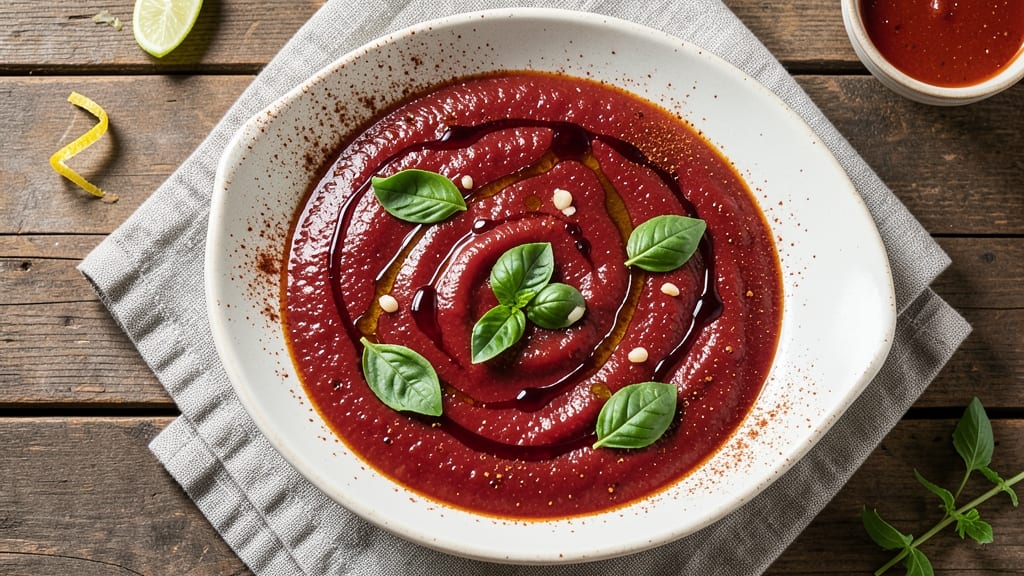
This ball pizza sauce recipe delivers the rich, smoky tomato base that makes every slice unforgettable. The secret lies in slow-cooked tomatoes, aromatic herbs, and a touch of smokiness that transforms ordinary pizza into something extraordinary.
I've perfected this sauce over years of testing, ensuring it's versatile enough for both classic pepperoni pies and modern gourmet creations.
The magic begins with a simple blend of canned tomatoes, garlic, and olive oil—simmered low and slow to develop deep, concentrated flavor.
A splash of red wine vinegar brightens the sauce while balancing the sweetness, and a sprinkle of smoked paprika adds that signature depth that makes this sauce stand out. The result? A sauce that's smooth yet chunky, with just the right balance of acidity and richness.
What sets this sauce apart is its ability to cling to every slice, creating a perfect crust without overwhelming the cheese. It's ideal for homemade pizzas, but also works beautifully as a marinara for pasta or a dipping sauce for garlic bread.
The best part? It keeps well in the fridge for up to a week, so you can make a big batch and enjoy it all week long.
For those who love a little heat, a pinch of red pepper flakes can be added while simmering. Or, for a white pizza twist, simply blend olive oil, garlic, and a splash of cream instead of tomatoes. Either way, this sauce is your ticket to restaurant-quality flavor at home.
Ingredients for ball pizza sauce
Nine ingredients transform into that perfect pizza sauce clinging to every slice.
| Ingredient | Amount | Notes |
|---|---|---|
| San Marzano Tomato Cans 🍅 | 2 cans | 28 oz each, crushed by hand |
| Garlic Cloves 🧄 | 4 cloves | Minced for aromatic depth |
| Extra-Virgin Olive Oil 🫒 | ½ cup | High quality, fruity variety |
| Red Wine Vinegar 🍷 | 2 tbsp | Brightens and balances |
| Smoked Paprika 🌶️ | 1 tbsp | For that signature smokiness |
| Fresh Basil Leaves 🌿 | ¼ cup | Packed, stems removed |
| Salt 🧂 | 1 tsp | Diamond Crystal preferred |
| Black Pepper 🌶️ | ½ tsp | Freshly ground for warmth |
| Red Pepper Flakes 🔥 | ½ tsp | Optional for heat lovers |
| Sugar 🍚 | 1 tsp | Balances acidity |
San Marzano tomatoes are non-negotiable here—they're sweeter and less acidic than regular canned tomatoes, which gives this sauce that restaurant-quality depth. Trader Joe's and Whole Foods carry them, or grab a case from Costco for bulk savings. If you can't find San Marzano, Muir Glen is a solid backup. The garlic should be fresh—no pre-minced jars here. I like to toast mine in the olive oil for 30 seconds first (that's where the magic happens). For smoked paprika, Penzeys has the best selection, but the regular grocery store stuff works fine. Fresh basil is ideal, but dried oregano at half the amount will work in a pinch.
No red wine vinegar? Apple cider vinegar or balsamic works in a bind, though the flavor will be slightly different. Want more depth without tomatoes? Roasted red peppers from a jar (like Mutti) blend right in. The sugar might seem odd, but it rounds out the acidity—trust me on this. If you're making a white pizza sauce, skip the tomatoes and blend olive oil, garlic, a splash of cream, and a pinch of salt instead. For a vegan version, just omit the cream and use coconut milk. The sauce thickens as it cools, so don't worry if it looks too thin right after simmering.
This sauce tastes even better the next day once all the flavors meld together. Store it in an airtight container in the fridge for up to 1 week, or freeze portions for 6 months. I like to freeze it in ice cube trays for single-serving pizza nights. If it gets too thick after refrigerating, just stir in a splash of water or broth. The sauce keeps its vibrant color and rich flavor for days—perfect for meal prep. And if you make a big batch, you'll have marinara for pasta, dipping sauce for garlic bread, and pizza sauce all week long.
Why You'll Love This Recipe
- Five-Ingredient Magic: I swear by this—just tomatoes, garlic, olive oil, vinegar, and smoked paprika. That’s it. The San Marzano tomatoes do all the heavy lifting, and the vinegar brightens everything up without overpowering.
- No-Sweat Simplicity: Honestly, this sauce takes less time than waiting for delivery. Simmer, blend, adjust—done. Even if you burn the garlic (yes, it happens), the flavor’s still rich and smoky.
- Game for Any Night: Between us, this sauce is my weeknight lifesaver. Toss it on flatbreads, drizzle over grilled chicken, or use it as a marinade. The smoky depth works everywhere, and it never feels like a chore.
- Budget-Friendly Pantry Staple: A single can of San Marzanos stretches for multiple meals, and the rest of the ingredients? Already in my cupboard. I make a big batch, freeze half, and never stress about last-minute takeout.
Step-by-step instructions for smoky tomato pizza sauce
Here's how to create a rich, balanced sauce that clings perfectly to every slice.
Crush the San Marzano Tomatoes
Empty the contents of both 28-ounce cans of San Marzano tomatoes into a large mixing bowl. Use your hands or a potato masher to crush the tomatoes completely, removing any large seeds or skins. The goal is to create a smooth, seedless base—this prevents a gritty texture in your finished sauce. I like to work in batches if needed, pressing firmly to break down any stubborn chunks.
Once fully crushed, transfer the tomatoes to a medium saucepan. The natural sweetness of San Marzano tomatoes will shine through in your sauce, creating that perfect balance of sweet and smoky flavors. Don't skip this hand-crushing step—it makes a noticeable difference in texture.
Build the Flavor Base
Add the 0.5 cup extra-virgin olive oil, 2 tablespoons red wine vinegar, and 1 teaspoon sugar to the saucepan. Stir well to combine, then increase heat to medium-high. Bring the mixture to a gentle boil, then reduce heat to medium-low and let it simmer uncovered for 10-12 minutes.
During this time, you'll notice the sauce reduce slightly and the flavors meld together. The vinegar will brighten the tomatoes while the sugar helps balance any acidity. I stir occasionally to prevent sticking—this is where your sauce starts developing that deep, complex flavor profile.
Add Aromatics and Spices
While the sauce simmers, add the 4 minced garlic cloves, 1 tablespoon smoked paprika, 1 teaspoon salt, 0.5 teaspoon black pepper, and 0.5 teaspoon red pepper flakes. Stir constantly for 2-3 minutes until the garlic becomes fragrant but doesn't brown—this prevents bitterness. The smoked paprika will infuse that signature smokiness we're after.
Here's where it gets good: the garlic should be aromatic but not crispy. If you see it starting to brown too quickly, reduce the heat slightly. The spices will dissolve into the sauce, creating layers of flavor that will make your pizza sauce truly special.
Simmer and Finish
Reduce heat to low and continue simmering for another 15-20 minutes, stirring occasionally. You're looking for a sauce that coats the back of a spoon but isn't overly thick—it should be smooth and glossy with a rich, deep color. If it gets too thick, add 1-2 tablespoons of water to reach your desired consistency.
The sauce is ready when it reaches a perfect balance of sweet, smoky, and tangy flavors. Taste and adjust seasoning if needed—this is your chance to fine-tune the perfect flavor profile. I usually add a pinch more salt or a splash of vinegar at this stage to ensure perfect balance.
Incorporate Fresh Basil
Remove the sauce from heat and let it cool slightly for 5 minutes. While it cools, chop the 0.25 cup fresh basil leaves (stems removed) into small pieces. Gently stir the basil into the warm sauce—this preserves its vibrant color and fresh flavor. The basil will wilt slightly but still provide that bright, aromatic quality.
Let the sauce sit for another 5 minutes before using. This resting period allows all the flavors to fully meld together. Your sauce should now have a beautiful deep red color with a glossy finish—ready to spread on any pizza crust you choose.
Pro Tips For Making Ball Pizza Sauce
- CRUSH GARLIC FIRST: Mince those cloves before heating the oil—raw garlic burns faster than you’d think. I learned this the hard way after my sauce tasted bitter from charred bits. A quick chop with a knife (no press needed) gives you control, and you’ll smell the difference right away.
- SIMMER LOW AND LONG: Don’t rush this. After adding vinegar and paprika, keep the heat at a gentle bubble for at least 20 minutes. Skimp here, and your sauce will taste raw and one-note. Let those flavors marry—it’s the only way to get that deep, balanced taste.
- SALT THE TOMATOES: Drain the San Marzano cans, then rinse and pat them dry. Sprinkle a pinch of salt over the tomatoes before cooking—it pulls out excess water and concentrates the flavor. Trust me, your sauce will taste richer without extra seasoning later.
- STIR IN VINEGAR LAST: Add the red wine vinegar after the garlic has cooked down, not at the start. If you mix it in too early, the acid will dull the garlic’s punch. A splash at the end brightens the sauce without overpowering it—just don’t skip this step.
Dietary considerations for this dish
Gluten-Free Adaptation
This sauce is naturally gluten-free since it contains no wheat-based ingredients. However, always double-check labels on smoked paprika and vinegar to ensure they're certified gluten-free. I use Annie's gluten-free vinegar when needed—it's a safe bet.
The sauce pairs perfectly with gluten-free pizza crusts made from almond flour or certified gluten-free all-purpose blends like King Arthur. 🌱
Low-Sodium Version
For those watching sodium intake, reduce the salt to just ½ teaspoon and add ½ teaspoon onion powder for depth. I also recommend using low-sodium San Marzano tomatoes—Muir Glen offers a great option.
The red wine vinegar adds enough acidity to balance the flavor without needing extra salt. Taste as you go and adjust gradually.
Dairy-Free Friendly
This sauce is already dairy-free, but if you're making a white pizza sauce variation, use unsweetened coconut milk instead of cream. The original tomato-based sauce works beautifully with vegan cheese blends like Violife or Miyoko's.
The smoky paprika and garlic provide enough richness to satisfy without dairy. Just ensure your cheese is labeled vegan.
Vegan Options
Every ingredient in this recipe is vegan-friendly, but I like to add 1 tablespoon nutritional yeast for a cheesy depth when using it on vegan pizzas. For extra richness, stir in 1 tablespoon olive oil at the end.
The sauce pairs wonderfully with vegan mozzarella like Follow Your Heart or Daiya. The smoky notes complement plant-based toppings perfectly. 🌱
Allergy Considerations
For nut allergies, ensure your olive oil is refined (not cold-pressed) to avoid potential cross-contamination. If you're avoiding garlic, substitute with 1 teaspoon garlic powder or asafetida powder for a similar umami kick.
For tomato allergies, this sauce isn't suitable—opt instead for a white pizza sauce made with olive oil, lemon juice, and herbs. Always read ingredient labels carefully.
Keto Adaptation
This sauce is naturally keto-friendly as long as you avoid adding sugar. Skip the 1 teaspoon sugar and use sugar-free tomato paste if needed for thickening. The sauce pairs beautifully with low-carb crusts made from almond flour or cauliflower crust mixes.
The smoky paprika and garlic add flavor without carbs, making it perfect for keto pizza nights. 🥑
Nutrition facts
Frequently asked questions
Why does this ball pizza sauce have a chunky texture?
This sauce keeps its signature "ball" texture by using hand-crushed tomatoes instead of blending them smooth. The small tomato pieces create visual appeal and prevent the sauce from becoming too heavy on pizza. The chunks also break down slightly during baking, releasing more flavor while maintaining that authentic Italian look.
Can I make this sauce without San Marzano tomatoes?
While San Marzano tomatoes are ideal for their sweetness and low acidity, you can substitute with other high-quality canned tomatoes like Muir Glen or whole peeled tomatoes (simmered until broken down). For a smoother texture, blend the tomatoes briefly before cooking. Just be prepared for slightly more acidity—add an extra ½ teaspoon sugar if needed.
How do I prevent the sauce from being too acidic?
The sugar and red wine vinegar balance acidity perfectly, but if your tomatoes are extra tart, add ½ teaspoon more sugar or a pinch of baking soda (just ⅛ teaspoon) to neutralize. For a milder taste, reduce the vinegar to 1 tablespoon and add ½ teaspoon honey instead. Always taste as you go—this sauce should be tangy but never sour.
What's the best way to store leftover sauce?
Store in an airtight container in the fridge for up to 1 week, or freeze for 6 months. For freezing, portion into ice cube trays—perfect for single-serving pizzas! Thaw overnight in the fridge, then reheat gently (never boil) to preserve texture. The sauce actually improves after refrigeration as flavors meld further.
Can I use this sauce for other dishes besides pizza?
This versatile sauce works perfectly as a marinara for pasta, a dipping sauce for garlic bread, or even a topping for grilled chicken. For a white pizza variation, blend olive oil, garlic, and a splash of cream instead of tomatoes—same technique, different flavor profile. The smoky depth makes it great for any Italian-inspired dish.