
Sauces & Condiments
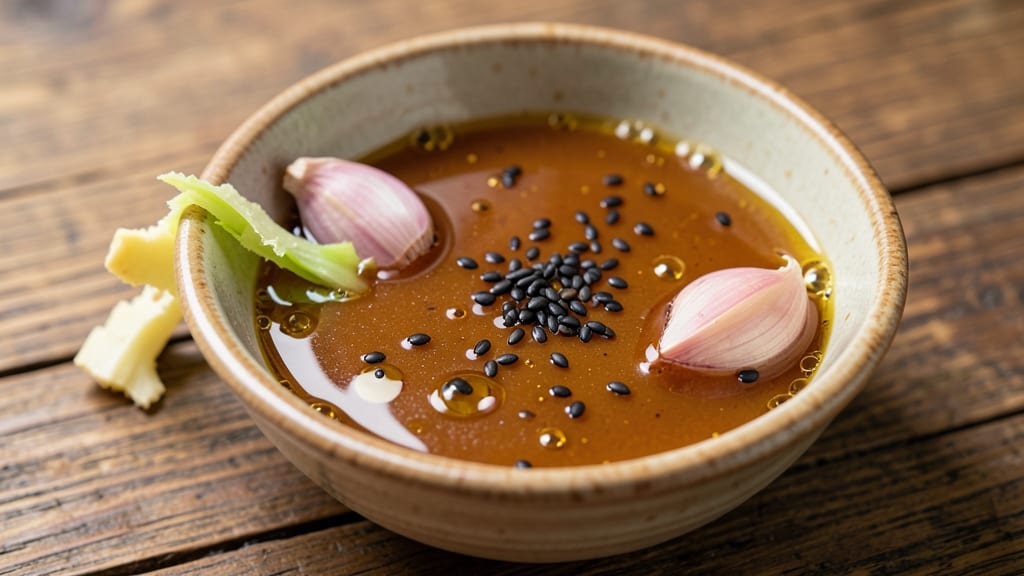
This bao dipping sauce recipe delivers the perfect balance of smoky chili oil heat and silky soy-ginger depth—the kind of sauce that transforms simple steamed bao into an unforgettable experience.
The secret lies in a slow reduction of soy sauce, garlic, and ginger, then finishing with fragrant sesame oil and a touch of chili oil for that signature warmth. I developed this version after years of experimenting with restaurant-style sauces, and it never fails to impress.
The foundation is a smooth, tangy base made from soy sauce, rice vinegar, and a touch of sugar to balance the flavors. Fresh ginger and garlic infuse the sauce with aromatic depth, while a splash of sesame oil adds nutty richness.
What sets this apart is the chili oil—whether homemade or store-bought—infused with smoked paprika for that authentic, slightly charred flavor that pairs perfectly with soft bao.
What you’ll end up with is a sauce that’s silky-smooth yet bold, with layers of umami, spice, and aromatic complexity. The heat from the chili oil lingers just enough to complement the steamed bao without overpowering its delicate texture.
This sauce is equally at home with pork bao, chicken bao, or even vegetarian versions—it elevates every bite.
Best of all, it keeps well in the fridge for up to a week, making it a perfect make-ahead condiment for your next bao feast. Let’s get started on creating this essential companion for your favorite dim sum dishes.
Ingredients for bao dipping sauce
Nine ingredients for a sauce that’ll make your bao taste like it came from a dim sum palace.
| Ingredient | Amount | Notes |
|---|---|---|
| Light Soy Sauce 🍶 | ½ cup | Kikkoman preferred for balance |
| Rice Vinegar 🍶 | ¼ cup | Seasoned variety adds depth |
| Granulated Sugar 🍚 | 2 tbsp | White or brown preferred |
| Fresh Ginger 🧄 | 2 tbsp | Finely grated, aromatic |
| Garlic Cloves 🧄 | 4 cloves | Minced, fresh preferred |
| Toasted Sesame Oil 🫒 | 1 tbsp | For nutty aroma |
| Chili Oil 🌶️ | ¼ cup | Homemade or store-bought |
| Smoked Paprika 🌶️ | ½ tsp | For smoky depth |
| Sesame Seeds 🌾 | 1 tsp | Toasted for garnish |
The soy sauce is the backbone—Kikkoman is my go-to because it’s consistent, but any good light soy will work. Fresh ginger and garlic are non-negotiable here; the aromatic punch they give is what separates homemade from store-bought. Grab the ginger from the refrigerated section—it’s always fresher. For the chili oil, if you can’t find it pre-made, make a quick batch with oil and crushed dried chilies. The smoked paprika adds that signature smoky warmth that pairs perfectly with bao. Pro tip: toast your sesame seeds in a dry pan for 30 seconds—they’ll smell incredible and add crunch.
No soy sauce? Coconut aminos in a pinch, though it’ll taste slightly different. Short on ginger? Double the garlic—it’s close enough. The chili oil can be swapped for sriracha mixed with a little oil, but it won’t have that same smoky depth. If you’re feeling fancy, add a splash of mirin to the reduction for extra umami. The sugar balances the acidity from the vinegar, so don’t skip it—even if you’re using a sweetened vinegar, add a little extra. And if you’re out of sesame oil, avocado oil works in a bind, though it won’t have the same nutty flavor.
This sauce keeps like a dream—up to a week in the fridge sealed in a jar. The flavors actually get better as it sits, as everything melds together. For extra longevity, freeze portions in ice cube trays—just thaw overnight in the fridge. If you’re prepping for a crowd, double the batch and store it in two jars. The sesame seeds stay fresh for a month in a sealed container, so toast a fresh batch whenever you’re ready to serve. Trust me, you’ll want to make extra—this sauce disappears fast.
Why You'll Love This Recipe
- Five-Ingredient Magic: I swear by this combo—light soy, vinegar, ginger, garlic, and sugar. That’s it. No fancy gadgets, no waiting for hours. Just chop, simmer, and taste. Honestly, if you can stir a pot, you can nail this.
- Umami Bomb: The garlic and ginger sizzle in the pan until the kitchen smells like a bustling bao shop. That deep, savory punch from the soy sauce? It’s the kind of flavor that makes you reach for another dumpling before you even finish chewing.
- Weeknight Superstar: I keep a jar of this in the fridge for lazy nights when takeout feels like too much work. It’s perfect with steamed bao, but also? Grilled chicken, cold noodles, or even scrambled eggs get a serious upgrade. No stress, just flavor.
- Budget-Friendly Staple: This sauce costs pennies to make but feels like a splurge. A little goes a long way, and the leftovers stay fresh for days. Between us, I’ve stretched one batch into three meals without breaking the bank—or my taste buds.
Step-by-step instructions for bao dipping sauce
This sauce delivers perfect balance—silky, tangy, and just spicy enough to complement every bite.
Prepare the Ginger-Garlic Base
In a small saucepan, combine the 0.5 cup light soy sauce, 0.25 cup rice vinegar, and 2 tbsp granulated sugar. Bring to a gentle simmer over medium heat, stirring occasionally until the sugar dissolves completely. You'll notice the mixture smell sweet and tangy—this is your flavor foundation.
Add the 2 tbsp finely grated fresh ginger and 4 minced garlic cloves, then reduce heat to low. Let it simmer for 5-7 minutes until the ginger softens and releases its aromatic oils. You should see tiny bubbles forming and the mixture turning slightly translucent—this means the raw flavors are melding beautifully. Keep it at a bare simmer; you don't want it to reduce too quickly.
Build Depth with Toasted Sesame Oil
Remove the saucepan from heat and let it cool slightly for 2 minutes. Then stir in the 1 tbsp toasted sesame oil and 0.5 tsp smoked paprika. The sesame oil will add a rich, nutty aroma, while the smoked paprika introduces subtle smokiness that pairs perfectly with the chili oil we'll add later.
Here's the thing—don't worry if it looks separated at first. The sesame oil is lighter than the soy mixture, so it might float on top. Just give it a quick whisk to emulsify slightly. The flavors will come together beautifully once we add the chili oil in the next step.
Incorporate Chili Oil for Perfect Heat
Return the sauce to low heat and slowly drizzle in the 0.25 cup chili oil while stirring continuously. The chili oil should be at room temperature—if it's too hot, it can break the emulsion. You'll see the sauce turn a vibrant red-orange color with little flecks of chili throughout.
Simmer gently for 2-3 minutes until the mixture reaches your desired heat level. Taste a small spoonful—you want the heat to be noticeable but not overwhelming. If it's too spicy, add a splash of the reserved soy-vinegar mixture to balance it. The sauce should coat the back of a spoon with a velvety texture.
Finish and Garnish
Transfer the sauce to a bowl and let it cool to room temperature. This resting period allows all the flavors to fully meld together. The sauce should now have a glossy sheen with visible chili oil flecks suspended throughout.
Just before serving, sprinkle with 1 tsp toasted sesame seeds for extra texture and aroma. These seeds add a satisfying crunch that contrasts perfectly with the silky sauce. Serve immediately alongside your bao buns—every bite will be elevated with this perfectly balanced dipping sauce!
Pro Tips For Making Bao Dipping Sauce
- STRAIN THE GINGER: I learned this the hard way—grating fresh ginger and leaving the fibers in turns your sauce gritty. Use a microplane and immediately strain through a fine-mesh sieve. No, your hands won’t thank you, but the smoothness makes all the difference.
- SIMMER LOW AND SLOW: After burning three batches, I finally figured out the sauce needs gentle heat. Keep it at a bare simmer—no rolling boils—so the vinegar doesn’t evaporate too fast and the sugar caramelizes instead of turning bitter. Yes, even if you’re impatient like me.
- MINCE GARLIC FINE: Whole cloves or rough mincing means you’ll taste garlic chunks in every bite. Pulse your garlic in a food processor until it’s almost paste-like—this ensures even distribution and a silky texture. (Your future self will thank you.)
- SWEETEN FIRST: Sounds weird, but it works: dissolve the sugar in the soy sauce before adding vinegar. This prevents graininess and lets the flavors meld faster. Stir until fully combined—no lumps, no regrets.
Regional styles of this recipe
Shanghai Street Style
In Shanghai, bao dipping sauces lean toward bold, sweet-spicy profiles with a touch of fermented depth. Locals often use dark soy sauce instead of light for a deeper color and richer umami, paired with dried shrimp paste for that signature savory punch.
I’ve adapted this by replacing half the light soy with 1 tbsp dark soy sauce—it adds a caramelized richness that’s pure Shanghai street vibes. 🌶️
For extra authenticity, stir in 1 tsp fermented black beans (soaked and mashed) during the simmer. These add a funky, salty complexity that’s hard to replicate.
The chili oil here is usually less smoky, so I’d reduce the smoked paprika to ¼ tsp and boost the garlic to 6 cloves for a sharper, more aromatic bite. Serve with pork bao for the classic combo.
Hong Kong Dim Sum Sauce
Hong Kong’s dim sum sauces are all about balance—tangy, sweet, and just enough heat to cut through steamed buns. The key here is mirin for that signature umami-sweetness. Swap the rice vinegar for 2 tbsp mirin and add 1 tsp honey to the sugar reduction.
The result? A glossier, slightly sweeter sauce that’s perfect for chicken or shrimp bao. 🍯
For texture, Hong Kong sauces often include crushed peanuts instead of sesame seeds. Toast 1 tbsp peanuts in a dry pan until golden, then sprinkle them on top before serving.
The nutty crunch contrasts beautifully with the soft bao. If you’re feeling adventurous, add ½ tsp white pepper to the simmering base—it adds warmth without overpowering the flavors.
Taiwanese Night Market Twist
Taiwanese night markets take bao dipping sauces to another level with fruit-infused heat. For a refreshing twist, blend 2 tbsp mango purée or lychee juice into the finished sauce.
The sweetness balances the spice perfectly, especially with vegetarian bao. I like to add 1 tsp goji berries (soaked and chopped) for a chewy, slightly sweet garnish. 🍈
For the chili oil, Taiwanese versions often use Sichuan peppercorn oil instead of smoked paprika. If you can find it, add ½ tsp Sichuan peppercorn oil to the sesame oil mixture—it adds a tingling, numbing heat that’s addictive.
Serve this version with black sesame bao for a stunning color contrast and extra depth of flavor.
Modern Fusion Adaptations
For a smoky BBQ-inspired twist, replace the smoked paprika with 1 tsp chipotle powder and add 1 tbsp tomato paste to the reduction. This works amazingly with pulled pork bao. The chipotle adds a deep, smoky heat that pairs perfectly with the sweetness of the sauce. 🔥
Or go creamy with a yogurt-based version: stir 2 tbsp plain Greek yogurt into the cooled sauce for a tangy, cooling contrast. Top with toasted cumin seeds for an Indian-inspired fusion that’s perfect for spiced lamb bao.
The yogurt mellows the heat while adding a luxurious texture—trust me, it’s a game-changer.
Nutrition facts
Frequently asked questions
Can I make this bao dipping sauce without chili oil?
If you prefer less heat, swap the chili oil for 1 tbsp sriracha mixed with 2 tbsp neutral oil or simply omit it entirely. For a milder version, add a pinch of sugar to balance the soy and vinegar flavors. The sauce will still taste delicious—just without the signature spicy kick.
How do I adjust the heat level if my chili oil is too spicy?
Start by tasting the sauce after adding the chili oil. If it's too intense, immediately stir in 1-2 tsp more soy sauce or vinegar to dilute the heat. For a smoother texture, whisk in 1 tsp cornstarch mixed with 1 tsp water to thicken it slightly—this helps balance the spice. Always taste as you go!
Can I use this sauce for other dishes besides bao?
This versatile sauce works beautifully with dumplings, bao zai (bao sandwiches), or even grilled meats. It also pairs well with rice bowls or noodles for an Asian-inspired flavor boost. The balance of sweet, tangy, and spicy makes it adaptable to many dishes beyond just bao.
Why does my sauce look separated after adding the chili oil?
This is normal! The chili oil is lighter than the soy mixture, so it may float on top. Stir gently to emulsify slightly, or whisk in ½ tsp xanthan gum (found in baking aisles) to help bind the ingredients. The sauce will still taste amazing—just give it a quick stir before serving.
How long can I store this sauce, and can I freeze it?
The sauce keeps well in the fridge for up to 1 week in an airtight container. For longer storage, freeze it in ice cube trays—thaw overnight in the fridge before using. The flavors actually improve over time as the ingredients meld together. Just give it a quick whisk before serving.