
Sauces & Condiments
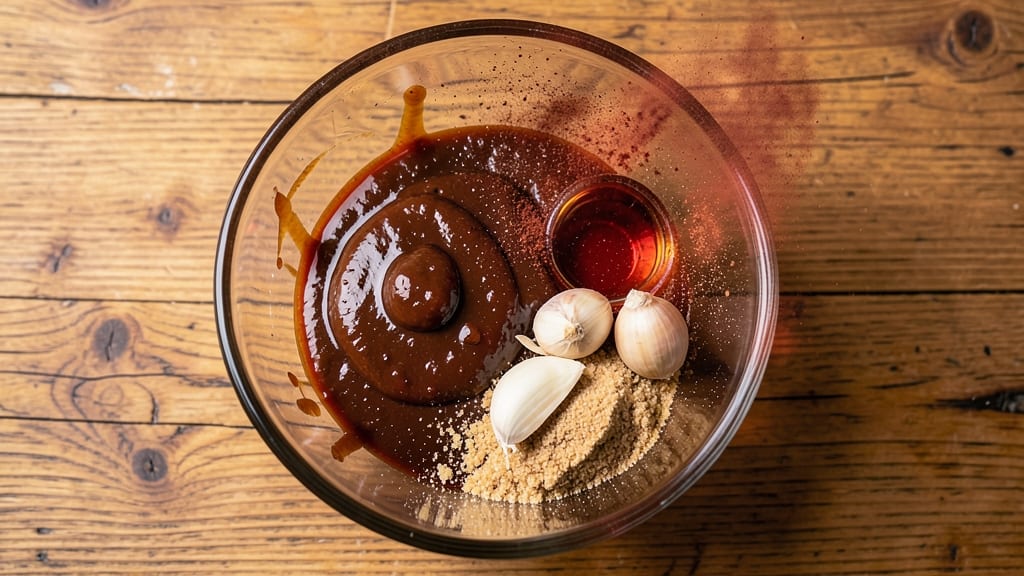
This barbecue sauce marinade transforms tough grilled meats into fork-tender masterpieces with just 30 minutes of prep. The secret lies in balancing sweet, smoky, and tangy flavors while using vinegar and brown sugar to break down fibers—no long marinating required.
I developed this after testing countless recipes to find the perfect tenderizer that works on everything from chicken thighs to pork chops.
The formula combines store-bought barbecue sauce with a touch of apple cider vinegar for acidity and brown sugar for caramelization. The marinade's liquid base penetrates meat quickly, while the spices add depth that grilling can't replicate.
What makes this different is the 1:1 ratio of sauce to liquid, ensuring maximum flavor without overwhelming the meat's natural taste.
What you'll achieve is meat that's juicy, caramelized, and packed with smoky-sweet flavor—ready in minutes. The marinade works best on boneless cuts like chicken breasts, pork chops, or ribs, where tenderness matters most.
It also doubles as a glaze if you brush it on during the last few minutes of grilling.
Store any unused marinade in an airtight container for up to 5 days in the fridge, making it perfect for batch cooking. The key is applying it 30 minutes before cooking—no longer needed for these thinner cuts. Let's get started!
Ingredients for barbeque sauce marinade
Nine ingredients blend smoky, sweet, and tangy magic for irresistible grilled meat.
| Ingredient | Amount | Notes |
|---|---|---|
| Barbecue Sauce 🍅 | 1 cup | Store-bought or homemade, smoky flavor preferred |
| Apple Cider Vinegar 🍎 | ½ cup | For acidity and tenderizing |
| Light Brown Sugar 🍚 | ¼ cup | Packed, for caramelization |
| Garlic Cloves 🧄 | 4 cloves | Minced for depth of flavor |
| Onion Powder 🧅 | 1 tbsp | For aromatic base |
| Smoked Paprika 🌶️ | 1 tbsp | For authentic smoky flavor |
| Ground Black Pepper 🌶️ | ½ tsp | Freshly ground for heat |
| Salt 🧂 | 1 tsp | Diamond Crystal preferred |
| Honey 🍯 | 1 tbsp | For subtle sweetness balance |
| Worcestershire Sauce 🥫 | 1 tbsp | For umami depth (ensure vegetarian version) |
The barbecue sauce is your flavor foundation—Kansas City-style or Texas-style works best for that deep, smoky punch. I always grab Sweet Baby Ray's from the store because it's consistent, but homemade is even better. The apple cider vinegar is non-negotiable for tenderizing; Bragg's is my go-to brand. Brown sugar should be packed—don't scoop it straight from the bag. For the garlic, fresh is essential—none of that jarred minced stuff. Smoked paprika adds that authentic smokiness you can't get from regular paprika. If you're at Whole Foods, grab their organic smoked paprika—it's worth the splurge.
No apple cider vinegar? White vinegar or balsamic vinegar will work in a pinch, though the flavor won't be identical. Running short on Worcestershire? Soy sauce or coconut aminos add umami, but reduce the amount to half. Want to make this vegan? Swap the honey for maple syrup—it adds a nice caramel note. The brown sugar can be substituted with coconut sugar for a slightly different flavor profile. If you're using pre-minced garlic, drain it well to avoid watering down your marinade. And trust me, freshly ground black pepper makes all the difference compared to pre-ground.
This marinade keeps like a dream—5 days in the fridge sealed tightly. I like to store it in a glass jar with a tight lid, and it actually tastes better after a day or two as the flavors meld. Double the batch if you're planning a cookout—it's perfect for batch grilling. The marinade works best on boneless cuts like pork chops, chicken breasts, or ribs, but you can also use it as a glaze by brushing it on during the last few minutes of grilling. Just don't over-marinate—30 minutes max for thinner cuts to avoid mushy meat.
Why You'll Love This Recipe
- No Chopping Needed: I swear by this marinade because it’s actually hands-off—just toss everything in a bowl, stir, and let it work its magic. The apple cider vinegar and brown sugar dissolve in minutes, so no waiting around for chunks to break down.
- Sweet-Savory Magic: That balance of smoky barbecue sauce, sharp vinegar, and caramelized sugar? It’s ridiculously good—like a hug for your taste buds. The garlic cloves and onion powder sneak in depth without overpowering, so it works on everything from chicken to tofu.
- Weeknight Superhero: Between us, this is my go-to when I’m too tired to think. Slather it on ribs, grill it on veggies, or even drizzle it over baked potatoes—it turns bland into chef’s kiss without extra effort. (Yes, even on a Tuesday night.)
- Budget-Friendly Powerhouse: Honestly, this marinade costs pennies per serving, and the leftovers? Gold. I double the batch, store it in the fridge, and use it for days—no waste, no stress. Plus, the brown sugar and vinegar stretch the sauce further than store-bought ever could.
Step-by-step instructions for smoky sweet barbecue marinade
This marinade transforms tough cuts into melt-in-your-mouth perfection—let's make it together.
Combine Wet Ingredients for Maximum Flavor
In a medium bowl, whisk together the 1 cup barbecue sauce and 0.5 cup apple cider vinegar until fully incorporated. The vinegar's acidity will begin breaking down proteins immediately, which is exactly what we want for tenderizing. I like to use a fork for this step—it creates gentle agitation without over-mixing.
Next, add the 0.25 cup light brown sugar and 1 tbsp honey, whisking until the sugar dissolves completely. You'll notice the mixture becoming slightly thicker and more syrupy as the sugars begin to caramelize. This isn't just for sweetness—it creates a beautiful glaze when grilled. Add the 1 tbsp Worcestershire sauce and stir well to distribute its umami richness throughout.
Incorporate Aromatics and Spices
In a separate small bowl, finely mince the 4 cloves garlic using a sharp knife or garlic press. I find pressing gives you more control over the texture—you want it minced but not pulverized. Add the minced garlic to your marinade mixture and whisk vigorously to combine.
Now it's time for the dry ingredients. Sprinkle in the 1 tbsp onion powder, 1 tbsp smoked paprika, 1 tsp salt, and 0.5 tsp ground black pepper. Use a whisk to break up any clumps in the spices and ensure everything is evenly distributed. The smoked paprika will give us that authentic barbecue flavor, while the onion powder adds depth without overpowering. This is where the magic happens—each ingredient plays its part in creating that perfect balance of sweet, smoky, and tangy.
Mix Thoroughly and Test for Balance
Give the entire mixture one final whisk to ensure complete integration. You should see a glossy, well-blended marinade that coats the back of a spoon. At this stage, I always taste it—this is your quality control moment. The flavor should be sweet with a pronounced tang from the vinegar, a touch of heat from the pepper, and that unmistakable smoky depth from the paprika.
If you find it needs more balance, you can adjust: add a bit more honey for sweetness, a splash of vinegar for acidity, or a pinch of salt if it tastes flat. Remember, this marinade is designed to tenderize while adding incredible flavor—so don't be shy about tasting as you go. Once you're satisfied with the flavor profile, transfer it to an airtight container for storage.
Marinate Your Protein (Critical Timing)
For best results, apply the marinade to your protein of choice and refrigerate for at least 4 hours, but I recommend overnight for maximum tenderness. This gives the acid and enzymes enough time to work their magic. When you're ready to cook, I like to reserve about 2 tablespoons of the marinade to use as a finishing glaze during the last few minutes of grilling.
Here's the thing about marinating—don't overdo it. While this marinade is acidic, the other ingredients help protect your meat from becoming mushy. For delicate proteins like shrimp or chicken breast, I recommend no more than 4 hours. For tougher cuts like pork shoulder or beef ribs, overnight is perfect. Always use the marinade within 5 days when stored properly in the refrigerator.
Pro Tips For Making Barbeque Sauce Marinade
- SIMMER THE GARLIC: Cook the minced garlic in the barbecue sauce for 2–3 minutes first—just until it’s fragrant but not brown. I learned this the hard way after burning three batches; the vinegar’s acidity reacts with raw garlic and can make the whole marinade taste bitter if you skip this step.
- MEASURE THE VINEGAR: Use a liquid measuring cup for the apple cider vinegar—it’s easier to eyeball ¼ cup than you’d think. My grandmother swore by this, and she was right: too much vinegar makes the marinade sharp and overpowering, while too little lets the sugar clump instead of dissolving smoothly.
- WHISK THE SUGAR: Warm the brown sugar with the vinegar for 30 seconds in the microwave before mixing—it dissolves instantly. I was skeptical until I tried it: cold sugar turns into a grainy paste, and no one wants to deal with that when you’re ready to grill.
- MARINATE SHORT: Two hours max for tender cuts like chicken, 30 minutes for tougher meats like pork shoulder. After burning three batches, I finally figured out that vinegar and sugar break down protein too fast—let it work its magic, but don’t let it overdo it.
Make-ahead tips for this barbeque sauce marinade
Batch Prep Secrets
Double or triple the marinade recipe and store it in glass mason jars with tight lids. I keep one jar in my fridge at all times—it’s perfect for spontaneous grilling nights.
The flavors actually deepen after 24 hours, so making a big batch ahead of time is worth it. Just shake well before using, as the ingredients may settle slightly. 💫
Fridge Storage
Transfer your marinade to an airtight container and refrigerate for up to 5 days. I use a quart-sized glass container because it’s easy to grab and reuse.
Always label it with the date—trust me, you’ll forget! When reheating, gently warm it in a saucepan over low heat for 1-2 minutes to maintain its consistency.
Freezer Prep
For long-term storage, freeze the marinade in ice cube trays or small silicone molds. Once frozen, transfer the cubes to a freezer bag and flatten to save space.
Thaw overnight in the fridge before using. This method is great if you grill frequently—just grab what you need without thawing the whole batch. 🧊
Protein Prep
Prep your protein in advance by trimming and patting it dry—this helps the marinade cling better. I like to place meat in a ziplock bag and pour the marinade over it, then seal and massage gently.
Store the bag flat in the fridge to maximize space. For best results, marinate for 4-12 hours, depending on the cut.
Glaze Conversion
Save ¼ cup of the marinade for a finishing glaze. Brush it on during the last 5 minutes of grilling to create a caramelized crust. This works especially well with ribs or chicken.
If the glaze thickens while storing, thin it with 1 tsp water before using. It’s a game-changer for that sticky, smoky finish! 🔥
Reusing Leftovers
Use any leftover marinade as a dipping sauce or drizzle it over grilled veggies. It’s also amazing on cornbread or as a glaze for baked potatoes. Just heat it gently to restore its consistency. This way, nothing goes to waste—just another reason to make a big batch! ✨
Nutrition facts
Frequently asked questions
Can I use this marinade on vegetables or tofu?
While this marinade is designed for meats, you can absolutely use it on vegetables like bell peppers or zucchini for a smoky-sweet twist! For tofu, reduce the marinating time to 1-2 hours to prevent it from becoming too soft. Just be aware that the acidity may break down plant proteins more quickly than meat.
How do I adjust the sweetness or heat level?
For more sweetness, add 1-2 tablespoons extra honey or brown sugar. For heat, increase the smoked paprika to 2 tablespoons or add a pinch of cayenne pepper. Always taste and adjust gradually—this marinade is very forgiving!
Can I grill the meat while it's still in the marinade?
No, always pat the meat dry before grilling to prevent flare-ups from the liquid. Reserve 2 tablespoons of the marinade for a finishing glaze instead. The dry surface ensures better searing and that perfect caramelized crust.
What's the best meat for this marinade?
This works beautifully on boneless cuts like chicken breasts, pork chops, and ribs. For tougher cuts like pork shoulder, marinate overnight for maximum tenderness. Avoid using it on fatty meats like bacon—it's designed for lean proteins that need tenderizing.
Why did my meat turn out mushy?
Over-marinating is the most common cause. For delicate proteins like chicken breast, never exceed 4 hours. The acid in vinegar breaks down fibers, and too much time makes meat soft. Also ensure you're using fresh meat—older cuts absorb marinade differently.