
Sauces & Condiments
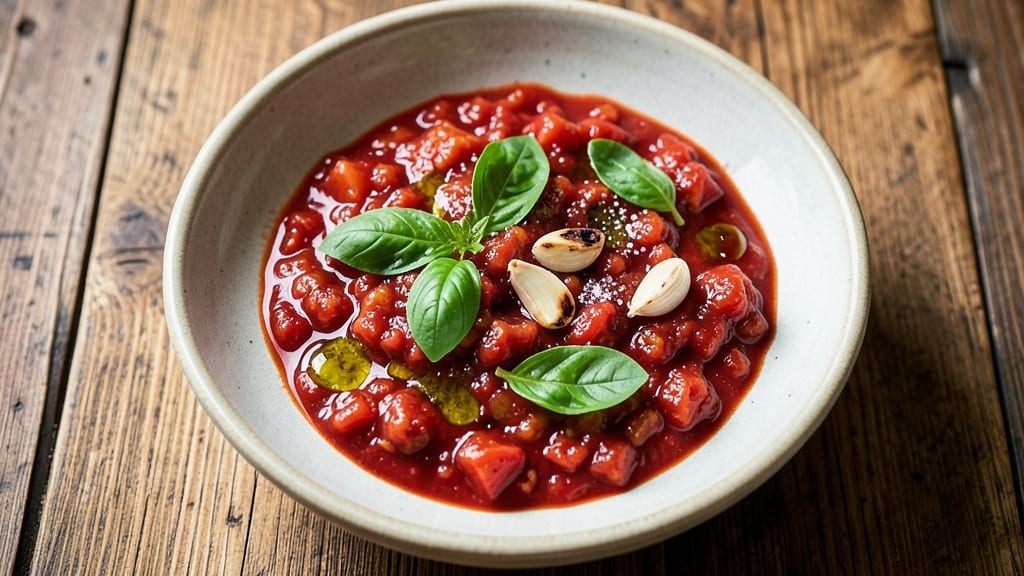
The barefoot Contessa’s pasta sauce recipe transforms simple pantry staples into a restaurant-worthy tomato-basil simmer with just 30 minutes of hands-on time. The secret lies in a slow reduction of canned tomatoes and fresh basil, finished with a swirl of herbed olive oil that adds brightness and depth.
This isn't just sauce—it's the foundation of a weeknight dinner that feels like a Sunday supper.
What sets this recipe apart is the balance of acidity and sweetness, achieved through a simple blend of tomatoes, garlic, and a touch of sugar.
The herbed oil swirl—infused with garlic, basil, and lemon zest—elevates the sauce from ordinary to extraordinary, creating a silky texture that clings perfectly to al dente pasta. No fancy techniques required, just thoughtful layering of flavors.
By the time you twirl that first forkful, you'll taste the difference: a sauce that's rich yet light, tangy yet sweet, with pockets of fresh basil and aromatic garlic in every bite. The best part?
It tastes even better the next day, making it ideal for meal prep or feeding a crowd. This is the kind of pasta dish that turns a simple dinner into a memorable experience.
Pair it with your favorite pasta and a sprinkle of fresh basil for a dish that feels effortless yet refined. The instructions are straightforward, the ingredients are accessible, and the results are consistently impressive—just like Ina promised. Let's get cooking.
Ingredients for barefoot contessa pasta sauce
Pantry staples meet fresh herbs for a sauce that tastes like Sunday supper every night.
| Ingredient | Amount | Notes |
|---|---|---|
| Canned San Marzano Tomatoes 🍅 | 28 oz | Crushed by hand for texture |
| Fresh Basil Leaves 🌿 | 1 cup | Packed, stems removed |
| Garlic Cloves 🧄 | 4 cloves | Minced for aromatic depth |
| Extra-Virgin Olive Oil 🫒 | ½ cup | High-quality, fruity variety |
| Granulated Sugar 🍚 | 1 tbsp | Balances acidity |
| Red Wine Vinegar 🍷 | 1 tbsp | Brightens the sauce |
| Kosher Salt 🧂 | 1 ½ tsp | Diamond Crystal preferred |
| Ground Black Pepper 🌶️ | ½ tsp | Freshly cracked |
| Lemon Zest 🍋 | 1 tbsp | Bright citrus finish |
| Pasta 🍝 | 12 oz | Al dente preferred |
| Pine Nuts 🥜 | ¼ cup | Toasted for herbed oil |
| Dried Oregano 🍃 | ½ tsp | For herbed oil blend |
San Marzano tomatoes are the secret weapon here—their natural sweetness and low acidity make all the difference. Trader Joe's and Whole Foods carry them in cans, and they're worth the splurge. Fresh basil? Farmers markets have the best, but the grocery store's plastic containers work in a pinch. Toast your pine nuts in a dry pan for 2-3 minutes—they'll release their nutty aroma and give that herbed oil swirl serious depth. The lemon zest is non-negotiable for that bright finish, so grab a fresh lemon and use a microplane (no peels!).
No San Marzano tomatoes? Any high-quality crushed tomatoes will work—just add an extra pinch of sugar. Fresh basil wilted? Dried basil at one-third the amount gets you close, but you'll miss that fresh aroma. Running low on pine nuts? Walnuts or almonds toasted work perfectly. The red wine vinegar can be swapped for balsamic if that's what you've got, but it'll be slightly sweeter. For the herbed oil, if you're out of oregano, Italian seasoning is a fine substitute—just use half the amount.
This sauce tastes even better the next day—plan ahead. Store it in an airtight container in the fridge for up to 5 days, or freeze portions for 3 months. I like to make a double batch and freeze half immediately. The herbed oil keeps separately for 2 weeks in the fridge, so you can make it ahead too. When reheating, add a splash of water or pasta water to loosen it up—it thickens as it cools.
Why You'll Love This Recipe
- I’ll be real: my go-to weeknight dinner is pasta with this sauce, and it’s never let me down. Double it for company, halve it for one, or toss it with grilled chicken for a hearty meal. The beauty? It’s always spot-on, no matter what you’re pairing it with.
- Five-Ingredient Magic: Honestly, I swear by this recipe because it’s the kind of sauce where you don’t even need a fancy recipe—just a can of San Marzano tomatoes, a handful of basil, and a few minutes of your life. That’s it. The sugar balances the acidity, the garlic sizzles in the olive oil like it’s auditioning for a role, and suddenly, you’ve got something restaurant-worthy without the stress.
- Garlic-Basil Bomb: Here’s what sold me—the way the raw garlic cloves bloom in the olive oil, then melt into the tomatoes while the basil leaves wilt just enough to release their perfume. It’s that crisp, bright, almost too good to eat flavor that makes you pause mid-bite. (Yes, even on a Tuesday night.)
- Leftovers That Lie: Between us, this sauce gets better the next day. I make a big batch on Sundays, and by Wednesday, it’s transformed into something deeper, richer—like it’s been simmering for hours instead of sitting in the fridge. Freeze half for when you’re too tired to cook, and thank me later.
Step-by-step instructions for tomato-basil simmer with herbed oil swirl
This sauce comes together in minutes but develops rich, layered flavor—here's how to nail it.
Crush Tomatoes and Build the Base
Pour the 28 oz canned San Marzano tomatoes into a large bowl and crush them by hand using your fingers. You want a mix of chunky and smooth—think rustic, not puréed. This texture gives the sauce body and depth. Transfer the crushed tomatoes to a 4-quart saucepan and place it over medium heat.
Add the 1 tbsp granulated sugar, 1 tbsp red wine vinegar, 1.5 tsp kosher salt, and 0.5 tsp ground black pepper to the pan. Stir well and let the mixture simmer gently for 10 minutes until the sugar dissolves and the tomatoes begin to break down slightly. The sugar balances the acidity while the vinegar brightens the natural sweetness of the tomatoes. This is where the sauce's foundation forms—don't rush this step.
Add Aromatics and Simmer
While the tomatoes simmer, mince the 4 cloves garlic cloves finely—you want them almost paste-like for even distribution. Add the garlic to the pan and stir constantly for 1-2 minutes until fragrant but not browned. Garlic burns quickly, so keep the heat at medium-low and watch closely.
Next, add the 1 cup fresh basil leaves (packed, stems removed) and the 1 tbsp lemon zest. Stir gently to combine, then reduce the heat to low and let the sauce simmer uncovered for 15-20 minutes. You're looking for a slightly thickened consistency—it should coat the back of a spoon but still be loose enough to swirl. The basil and lemon zest infuse the sauce with bright, fresh flavors that cut through the richness of the tomatoes.
Prepare the Herbed Oil Swirl
While the sauce simmers, toast the 0.25 cup pine nuts in a dry skillet over medium heat for 3-4 minutes, stirring constantly, until they turn golden brown and smell nutty. Remove from heat immediately—they'll continue cooking from residual heat. Let them cool slightly, then transfer to a food processor or small bowl.
Add the 0.5 cup extra-virgin olive oil and 0.5 tsp dried oregano to the pine nuts. Pulse in a food processor until the pine nuts are finely chopped but not puréed—you want a textured, herbed oil. If you don't have a food processor, use a mortar and pestle or finely chop the pine nuts by hand. The herbed oil adds a luxurious finish and balances the acidity of the sauce.
Cook the Pasta and Finish
Bring a large pot of salted water to a rolling boil and cook the 12 oz pasta until al dente, following package directions. Reserve 1 cup of pasta water before draining. The starchy water helps emulsify the sauce later.
Once the pasta is cooked, add it to the simmering tomato sauce along with ½ cup of the reserved pasta water. Toss gently to coat the pasta evenly. The sauce should cling to the noodles without being overly thick. If it's too thick, add more pasta water 1 tablespoon at a time until it reaches a silky consistency.
Swirl and Serve
Remove the pan from heat and let it sit for 1 minute to cool slightly. This prevents the herbed oil from breaking when added. Using a spoon, gently swirl the herbed oil into the sauce in a figure-eight motion. The oil should float on top, creating a beautiful marbled effect. Serve immediately, letting each diner swirl the oil into their portion for a burst of nutty, herby flavor.
The sauce should be vibrant red with flecks of basil and a glossy sheen from the olive oil. Each bite should deliver a balance of sweet, tangy, and herby notes with a creamy finish from the herbed oil swirl. This is the moment where all the flavors come together—don't skip the swirl, as it elevates the sauce from good to extraordinary.
Pro Tips For Making Barefoot Contessa Pasta Sauce
- CRUSH THE GARLIC: Crush those cloves with the flat side of your knife—no mincing—so they release flavor without burning. I learned this the hard way when my sauce tasted bitter because I sautéed whole cloves until they turned gray.
- SIMMER LOW AND LONG: Keep the heat at a gentle simmer, not a rolling boil, or the tomatoes will split and make a messy, watery sauce. After burning three batches, I finally figured out that patience here means depth later.
- SALT THE TOMATOES FIRST: Add a pinch of salt to the crushed tomatoes before cooking—it softens them and balances acidity. My grandmother swore by this, and she was right: the sauce tastes richer from the start.
- STIR IN BASIL LATE: Toss in the basil leaves only in the last 5 minutes of cooking, or they’ll turn bitter and lose their bright flavor. Sounds weird, but it works: fresh, vibrant basil is the star here.
Dietary considerations for this recipe
Gluten-Free Adaptation
This sauce is naturally gluten-free, but if you're serving it with gluten-free pasta, opt for brands like Barilla Gluten-Free or De Cecco Gluten-Free. These hold up well to the sauce and cook al dente just like regular pasta.
Always check labels—some gluten-free pastas contain cross-contamination warnings if you're highly sensitive. The herbed oil swirl remains the same, but I recommend adding ½ tsp xanthan gum to the pasta water to help the sauce cling better to noodles with different textures. 🍝
Dairy-Free Considerations
The original recipe is dairy-free, but if you're adding cheese, substitute with nutritional yeast or dairy-free alternatives like Violife Mozzarella. These melt beautifully and add a creamy texture without compromising the sauce's bright flavors.
For extra richness, stir in 2 tbsp dairy-free butter at the end. The herbed oil swirl still shines as the star—just ensure all your add-ins are certified dairy-free to avoid cross-contamination.
Vegetarian & Vegan Options
This sauce is already vegetarian, but for a vegan version, confirm your San Marzano tomatoes are BPA-free and your olive oil is vegan-certified (some brands use animal-derived filters).
The pine nuts in the herbed oil are naturally vegan, but if you're avoiding nuts, swap them for toasted sunflower seeds or pumpkin seeds. For extra protein, toss in white beans or lentils when cooking the pasta—just drain them well first.
The sauce's vibrant acidity and herby notes make it perfect for plant-based diets. ✨
Low-Sugar Modifications
To reduce sugar, omit the 1 tbsp granulated sugar entirely and increase the red wine vinegar to 2 tbsp for brightness. If you prefer a touch of sweetness, use ½ tsp monk fruit sweetener or 1 tsp honey (add it at the end to preserve freshness).
The natural sweetness of San Marzano tomatoes will still shine, but the acidity will be more pronounced. This version works beautifully with zucchini noodles or shirataki noodles for a lighter dish. 💛
Allergen-Friendly Swaps
For nut allergies, replace pine nuts with toasted pumpkin seeds or sunflower seeds in the herbed oil. If you're avoiding seeds too, use finely chopped fresh parsley instead—it adds a fresh, bright note. For garlic sensitivities, reduce to 2 cloves or use garlic-infused olive oil (store-bought or homemade).
Always double-check labels on canned tomatoes and olive oil for hidden allergens like soy or mustard. The sauce's core flavors remain intact with these adjustments. 🌿
Nutrition facts
Frequently asked questions
Can I make this sauce ahead of time?
This sauce tastes even better the next day. Store it in an airtight container in the fridge for up to 5 days or freeze portions for 3 months. When reheating, add a splash of water or pasta water to loosen it up—it thickens as it cools. The herbed oil can be made separately and stored for 2 weeks in the fridge.
What's the best pasta to use with this sauce?
Ina Garten recommends al dente pasta like spaghetti, linguine, or fettuccine for this sauce. For extra texture, try rigatoni or penne. If you prefer gluten-free, choose brands like Barilla Gluten-Free or De Cecco Gluten-Free—they hold up well to the sauce. Just add ½ tsp xanthan gum to the pasta water for better sauce adhesion.
Why does the herbed oil swirl separate?
The oil swirl is designed to float on top—it's part of the magic! To prevent separation, let the sauce cool slightly (1 minute) before adding the oil. If it breaks, gently reheat the sauce (without boiling) and stir the oil back in. The swirl adds a luxurious finish, so don't skip it—just let each diner mix their portion for the best experience.
Can I substitute fresh basil?
Yes! If you don't have fresh basil, use 1 tbsp dried basil (one-third the amount). For even more flavor, add ½ tsp dried oregano to complement the dried basil. However, fresh basil gives that signature bright aroma—if possible, it's worth tracking down at a farmers market or grocery store. The lemon zest will still add that zesty kick!
How do I fix a sauce that's too thick?
Simply add 1 tablespoon at a time of reserved pasta water until the sauce reaches a silky consistency. The starchy water helps emulsify the sauce without thinning it too much. If you don't have pasta water, use plain water—but the sauce won't cling as well to the noodles. Stir gently to avoid breaking the herbed oil swirl.