
Sauces & Condiments
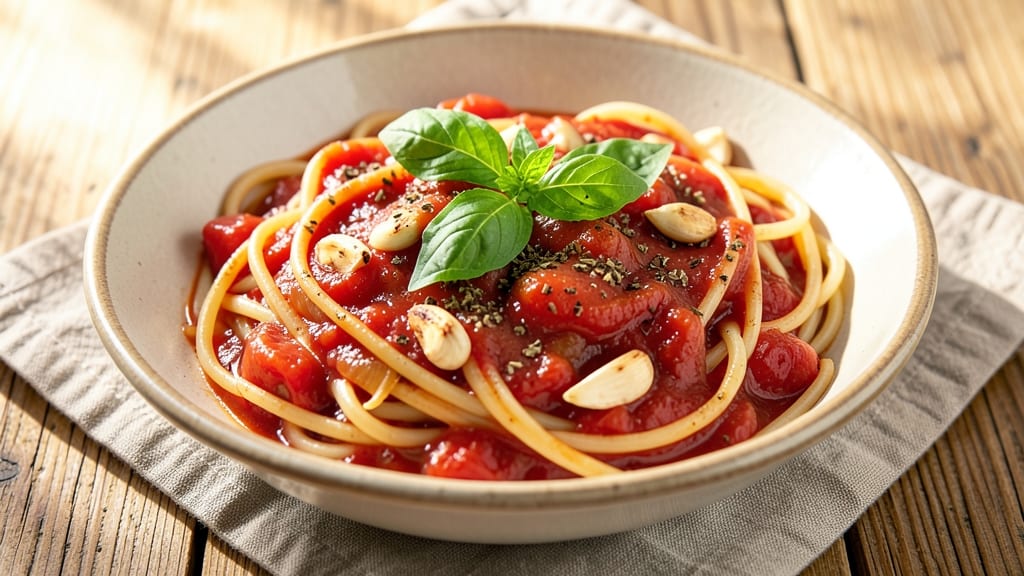
This Barilla spaghetti sauce recipe transforms simple pantry staples into a rich, slow-simmered sauce with layers of tomato depth and fresh basil brightness. The key lies in caramelizing onions and garlic before adding crushed tomatoes and herbs, allowing flavors to meld over 30 minutes of gentle simmering.
Unlike jarred sauces, this version builds complexity through time and technique, delivering restaurant-quality taste with minimal effort.
What sets this sauce apart is its versatility—use it as a classic pasta accompaniment or serve it as a hearty marinara over grilled chicken or meatballs. The sauce thickens naturally as it simmers, creating a velvety consistency that clings perfectly to Barilla spaghetti without requiring additional thickeners.
Fresh basil added at the end ensures vibrant flavor that brightens every bite.
The process is straightforward: sauté aromatics, add tomatoes and herbs, then simmer until thickened. This method eliminates the need for flour or tomato paste while achieving a sauce that's rich, balanced, and full of authentic Italian flavor.
The result is a sauce that's both foolproof and deeply satisfying, perfect for weeknight dinners or meal prep.
For extra depth, a splash of red wine or a pinch of sugar can enhance the sauce's complexity. Store leftovers in the refrigerator for up to 5 days or freeze for longer storage.
Whether you're serving it with Barilla spaghetti or using it as a base for other dishes, this sauce delivers consistent, professional-quality results every time.
Ingredients for barilla spaghetti sauce
Nine essential ingredients transform into a velvety Barilla spaghetti sauce with authentic Italian depth.
| Ingredient | Amount | Notes |
|---|---|---|
| Yellow Onions 🧅 | 1 ½ cups | Finely diced, about 1 large |
| Garlic Cloves 🧄 | 6 cloves | Minced, not pressed |
| Extra-Virgin Olive Oil 🫒 | ½ cup | High-quality, fruity variety |
| Canned San Marzano Tomatoes 🍅 | 28 oz | Crushed by hand, seeds removed |
| Fresh Basil Leaves 🌿 | ½ cup | Packed, stems removed |
| Dried Oregano 🍃 | 1 tsp | Mediterranean or Italian blend |
| Red Wine 🍷 | ¼ cup | Dry, bold variety like Cabernet |
| Granulated Sugar 🍚 | 1 tsp | Balances acidity |
| Kosher Salt 🧂 | 1 ½ tsp | Diamond Crystal preferred |
| Freshly Ground Black Pepper 🌶️ | ½ tsp | None of that pre-ground dust |
The onions and garlic form the aromatic foundation—caramelizing them slowly unlocks their natural sweetness. Yellow onions work best here, but red or white will do in a pinch. For garlic, peel and mince fresh—jarred minced lacks depth. Extra-virgin olive oil should be fruity and peppery, not mild. San Marzano tomatoes are the gold standard, but any high-quality crushed tomatoes will work. Look for bright red color and minimal additives. The basil? Fresh is non-negotiable—dried won't deliver that vibrant brightness, though you can use it sparingly if needed.
No red wine? Substitute with 2 tablespoons of balsamic vinegar for acidity, though the depth won't be identical. Dried oregano can be swapped for fresh marjoram at half the amount, but the flavor profile shifts slightly. The sugar is optional but recommended to balance the tomatoes' acidity—omit if your tomatoes are particularly sweet. For salt, Diamond Crystal kosher dissolves more easily than table salt. If you're using table salt, reduce to 1 teaspoon. The pepper should be freshly ground—pre-ground loses its punch quickly. For a vegetarian version, ensure your wine is vegan-certified (some use animal fining agents).
This sauce thickens as it simmers, so no additional cornstarch or flour is needed. For best results, simmer uncovered—this helps evaporate excess liquid while concentrating flavors. Store in airtight glass containers in the fridge for up to 5 days, or freeze for up to 3 months. The sauce actually improves after a day in the fridge as flavors meld further. Portion into ice cube trays for easy single-serving use later. For meal prep, make a double batch—it freezes beautifully and reheats perfectly.
Why You'll Love This Recipe
- Five-Ingredient Magic: I swear, this sauce is my secret weapon when I’m too tired to think. Sauté onions and garlic in olive oil until they’re golden—no fancy technique, just patience—and toss in those San Marzano tomatoes. That’s it. The basil ties it all together, and suddenly, dinner feels like a restaurant meal.
- Tomato Perfection: Between us, San Marzano tomatoes change the game. They’re sweet, not acidic, and their texture? Chef’s kiss. Simmer them low and slow, and you get a sauce so rich it coats every strand of spaghetti like a hug. Honestly, jarred sauce can’t compete.
- Weeknight Workhorse: This is my go-to when I’m feeding the whole family or prepping for lunches. Double the batch, freeze half, and boom—you’ve got a ready-to-heat meal for lazy days. (Yes, even on a Tuesday night.) It’s that reliable.
- Budget-Friendly Luxury: Olive oil, onions, garlic, tomatoes, basil—this sauce costs next to nothing but tastes like a splurge. I’ll be real: my grocery bill stays low, but my dinner table feels fancy. That’s the kind of win I live for.
Step-by-step instructions for slow-simmered tomato sauce
This method builds rich, layered flavor through precise technique and patience.
Sauté Aromatics Until Golden
Heat the 0.5 cup extra-virgin olive oil in a heavy saucepan over medium-low heat. Add the 1.5 cups finely diced yellow onions and cook for 8-10 minutes until completely soft and translucent, stirring occasionally. This slow cook time prevents burning while developing sweetness.
Add the 6 cloves minced garlic and continue cooking for another 1-2 minutes until fragrant but not browned. Garlic burns quickly—watch closely. The onions should be golden at the edges with no brown spots. Remove from heat temporarily while you prepare the tomatoes.
Deglaze and Incorporate Tomatoes
Return the pan to medium heat and pour in the 0.25 cup red wine, scraping up any browned bits from the bottom. Let it simmer for 2-3 minutes until reduced by half, which intensifies the wine's flavor. This deglazing step captures all the fond (flavor) from the onions and garlic.
Add the 28 oz crushed San Marzano tomatoes, 1 tsp granulated sugar, 1.5 tsp kosher salt, and 0.5 tsp freshly ground black pepper. Stir well to combine, then add the 1 tsp dried oregano. Bring to a gentle simmer and let it cook uncovered for 20 minutes, stirring occasionally.
Simmer and Develop Depth
Reduce heat to low and continue simmering for 30-40 minutes until the sauce thickens slightly and the flavors meld. You're looking for a sauce that coats the back of a spoon but still moves easily—this indicates proper reduction. The longer it simmers, the more complex the flavors become.
Taste and adjust seasoning if needed. If the sauce tastes too acidic, add a pinch more sugar. If it needs more depth, a splash of water or a pinch of salt can help balance. The sauce should be vibrant red with a glossy sheen from the olive oil.
Finish with Fresh Basil
Remove the pan from heat and stir in the 0.5 cup fresh basil leaves (stems removed). Let the sauce sit for 5 minutes to allow the basil to infuse its bright, aromatic flavor. This final step adds freshness and balances the deep tomato flavor.
For best results, serve immediately over cooked Barilla spaghetti. The sauce should cling beautifully to each strand, delivering rich, layered tomato flavor with bright herbal notes. If making ahead, store in an airtight container in the refrigerator for up to 5 days or freeze for 3 months. Reheat gently over low heat, stirring occasionally to prevent scorching.
Pro Tips For Making Barilla Spaghetti Sauce
- Sweat the Onions Low: I learned this the hard way—if you rush the onions, you’ll end up with a bitter, raw taste in your sauce. Cook them over medium-low heat for at least 8-10 minutes, stirring often, until they’re soft and golden. That’s when their natural sweetness comes out and balances the acidity of the tomatoes.
- Crush the Garlic Lightly: No need to mince it into oblivion—just smash the cloves with the flat side of your knife and let them sit in the oil for 30 seconds before stirring. This infuses the oil without burning the garlic, which happens faster than you think when you’re impatient like me.
- Don’t Skip the Tomato Skim: After crushing the tomatoes by hand (yes, even if you’re lazy), let the sauce simmer uncovered for the first 10 minutes. This burns off excess acid and thickens the sauce naturally—no weird additives needed. Just give it time, and resist the urge to stir constantly.
- Add Basil Late: Fresh basil wilts and turns bitter if you toss it in too early. Wait until the sauce is nearly done, then stir in the leaves and let them cook for just 1-2 minutes. For extra flavor, tear the leaves instead of chopping—more surface area means better aroma. (Pro move: Save a few leaves for garnish.)
Make-ahead tips for this dish
Prep Ahead for Sauce
Chop all your onions and garlic the night before and store them in airtight containers in the fridge. This saves 15 minutes of prep time the next day.
I also like to measure out my San Marzano tomatoes and red wine in advance—just pour them directly into the pan when you're ready to cook. The basil can wait until the last minute since it's best fresh. 🌿
Double Batch Freezing
Make a double batch and freeze half immediately in quart-sized freezer bags. Lay the bags flat in the freezer to save space, and they'll thaw in 24 hours in the fridge.
I label each bag with the date and portion size—this sauce reheats beautifully and tastes just as vibrant as fresh. For single servings, freeze in ice cube trays and pop out cubes for quick pasta additions later. ❄️
Tomato Prep Shortcut
Skip crushing tomatoes by hand by using 2 (15 oz) cans of pre-crushed tomatoes instead of the 28 oz can. The texture will be slightly different, but it still delivers great flavor with minimal effort.
If you're using whole canned tomatoes, simply crush them with your hands or a potato masher right in the can before adding to the sauce. This works perfectly for meal prep days. 🍅
Sauce Storage Hacks
Store your sauce in glass mason jars with tight-fitting lids for easy portioning and reheating. These jars are microwave-safe, so you can pop one in for quick lunches. I also keep a small jar in the fridge at all times—it's perfect for quick pasta meals on busy nights.
For longer storage, freeze in silicone molds to make sauce "pucks" that reheat evenly. 💡
Reheating Like a Pro
To reheat sauce, transfer it to a saucepan over low heat and stir frequently to prevent scorching. If the sauce looks too thick, add 1-2 tablespoons of water or pasta water to loosen it up.
I avoid the microwave because it can create hot spots and uneven textures. For best results, reheat until bubbling, then let it sit for 2-3 minutes off the heat before serving. 🔥
Sauce Shelf Life
This sauce keeps in the fridge for up to 5 days, but I find it actually tastes better after 24 hours as the flavors meld further. For longer storage, freeze for up to 3 months.
The sauce may thicken slightly when frozen, so add a splash of water or broth when reheating. Always use airtight containers to preserve freshness and prevent freezer burn. ✨
Nutrition facts
Frequently asked questions
Why does this recipe use red wine in the sauce?
The 0.25 cup red wine adds depth and complexity that you won't get from water or broth. When reduced during cooking, it intensifies the sauce's umami flavor and balances the acidity of the tomatoes. For a non-alcoholic version, substitute with an equal amount of balsamic vinegar or vegetable broth.
Can I make this sauce without fresh basil?
Yes, but the flavor will be less vibrant. If you don't have fresh basil, use 1 teaspoon dried basil (or 0.5 teaspoon dried basil plus 1 teaspoon dried oregano) as a substitute. For best results, add the dried herbs with the tomatoes and remove them before serving to avoid bitterness.
How do I know when the sauce is thick enough?
The sauce is ready when it coats the back of a spoon smoothly but still moves easily—this usually takes 30-40 minutes of simmering. If it's too thin, continue simmering uncovered for another 10-15 minutes. If it thickens too much, stir in 1-2 tablespoons of water or pasta water to loosen it. The sauce should be glossy with a velvety texture.
What's the best way to store leftovers?
Store in an airtight glass container in the fridge for up to 5 days. For longer storage, freeze in portions—it reheats beautifully! Label containers with dates to track freshness. When reheating, warm over low heat while stirring to prevent scorching. The sauce actually improves after 24 hours as flavors meld further.
Can I use this sauce for dishes other than spaghetti?
This versatile sauce works perfectly over grilled chicken, meatballs, or polenta. Use it as a marinade for pork chops or shrimp by simmering with the protein. For extra richness, stir in 1 tablespoon of butter before serving. The sauce's balanced flavors make it ideal for any Italian-inspired dish.