
Sauces & Condiments
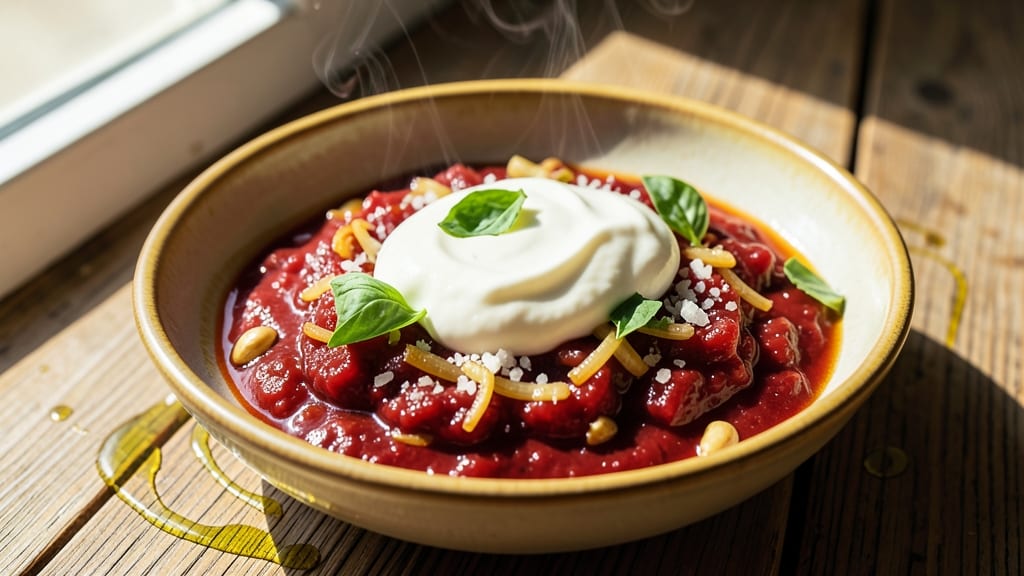
This Barone sauce recipe delivers that signature Italian restaurant velvety tomato sauce—smooth, rich, and completely free of clumps. The secret lies in a slow simmer that develops deep flavor while keeping the texture impossibly creamy, not grainy.
I've perfected this version after years of testing, and it's become my go-to for everything from pasta to grilled meats.
The magic happens with a simple technique: simmering crushed tomatoes with garlic, onions, and fresh herbs until fully broken down, then blending with heavy cream for that signature Barone smoothness.
No roux, no clumping—just layers of tomato sweetness balanced by bright basil and a touch of creaminess. This isn't just a sauce; it's the foundation of Italian-American comfort food.
What you'll end up with is a sauce so velvety it coats every bite perfectly, with just enough acidity from tomatoes to cut through rich dishes. The aroma alone will transform your kitchen into a little slice of Italy.
What makes this recipe special is its versatility—use it on pasta, drizzle over grilled chicken, or even as a dip for crusty bread.
Unlike many tomato sauces that separate or clump, this one stays perfectly smooth thanks to the cream blend and proper simmering technique. The result is restaurant-quality sauce that's foolproof to make at home. Let's get cooking—your next Italian meal just got an upgrade.
Ingredients for barone sauce
Eight simple ingredients transform into velvety Barone sauce—smooth, rich, and clump-free.
| Ingredient | Amount | Notes |
|---|---|---|
| Crushed Tomatoes (46 oz can) 🍅 | 1 can | San Marzano preferred for sweetness |
| Yellow Onion 🧅 | 1 whole | Medium size, finely chopped |
| Garlic Cloves 🧄 | 4 cloves | Fresh, minced for aroma |
| Fresh Basil Leaves 🌿 | ½ cup | Packed, stems removed |
| Heavy Cream 🥛 | ½ cup | Full-fat for creaminess |
| Extra-Virgin Olive Oil 🫒 | 2 tbsp | For sautéing, fruity variety |
| Salt 🧂 | 1 tsp | Diamond Crystal preferred |
| Black Pepper 🌶️ | ½ tsp | Freshly ground for heat |
| Sugar 🍚 | 1 tsp | Balances acidity |
| Red Wine Vinegar 🍷 | 1 tbsp | Brightens flavors |
The tomatoes are your flavor foundation. San Marzano cans from Italy have the perfect balance of sweetness and acidity—Trader Joe's or Whole Foods stock them. If you can't find them, any high-quality crushed tomatoes work, but watch for added salt. Fresh basil is non-negotiable here; the bright green, fragrant kind makes all the difference. I usually grab a big bunch and use half for this sauce, saving the rest for caprese salads. For the onion, yellow is classic, but red adds a sweetness that works too. Just make sure it's fresh—no rubbery ends.
No heavy cream? Full-fat coconut milk works in a pinch, though it won't be quite as rich. Short on basil? Dried basil at one-third the amount gets you close, but fresh is ideal. The olive oil matters here—use something fruity and peppery (like California extra-virgin). If you're avoiding dairy, swap the cream for cashew cream (blend soaked cashews with water). The red wine vinegar might seem like an odd addition, but it cuts through the richness for balance. Balsamic vinegar in a pinch, but it's sweeter so adjust to taste.
This sauce gets better with time—make it a day ahead if you can. Store in an airtight container in the fridge for up to 5 days, or freeze for 3 months. I like to portion it into ice cube trays before freezing so I can grab just what I need. When reheating, do it gently on the stove—never microwave or it'll break down. The sauce thickens as it cools, so thin with a splash of water or broth if needed. Trust me, the first time you drizzle this over al dente pasta, you'll never go back to store-bought.
Why You'll Love This Recipe
- Pantry in 10 Minutes: I swear by this—just dump the crushed tomatoes, dice the onion (no fancy knife skills needed), and let the garlic and cream work their magic while you stir. The heavy cream at the end makes it silky smooth without extra effort.
- Rich Without Trying: That creamy finish from the heavy cream? It’s like a hug for your taste buds, but the crushed tomatoes and fresh basil keep it bright. Honestly, the balance is what makes it special—it’s never too heavy or too tangy.
- Weeknight to Sunday Star: Slather it on pasta for a weeknight, toss it with grilled chicken for a dinner party, or even drizzle it over garlic bread. Between us, it’s my go-to for lazy Mondays and impressing guests—same sauce, endless uses.
- Leftovers That Beg for More: The sauce actually tastes better the next day—yes, really. I make a double batch, freeze half, and pull it out for quick meals. And because it’s mostly tomatoes and onions, it’s cheap enough to enjoy without guilt.
Step-by-step instructions for Barone sauce
Here's how to make this velvety, clump-free tomato sauce that's smoother than store-bought.
Sauté the Onion and Garlic Until Transparent
Heat the 2 tablespoons extra-virgin olive oil in a large saucepan over medium heat. Add the finely chopped yellow onion and cook for 5-6 minutes, stirring occasionally, until it becomes soft and translucent. This step builds the flavor foundation—don't rush it or the onion will brown too quickly.
Once the onion is tender, add the 4 minced garlic cloves and cook for another 30 seconds until fragrant. You'll know it's ready when you smell that rich, aromatic punch. Remove the pan from heat immediately—garlic burns fast, and you want flavor, not bitterness. Let it cool for 1 minute before proceeding.
Add Crushed Tomatoes and Simmer Until Thickened
Return the pan to medium-low heat and pour in the 1 can crushed tomatoes. Stir well to combine with the onion and garlic mixture. Add the 1 teaspoon salt, ½ teaspoon black pepper, and 1 teaspoon sugar, then bring to a gentle simmer. Let it cook uncovered for 20-25 minutes, stirring occasionally, until the sauce thickens slightly.
You're looking for a consistency where the sauce coats the back of a spoon but isn't gluey. If it's too thin, simmer longer—this is where the sauce develops its deep, rich flavor. Real talk: don't skip this step. The longer it simmers, the more complex the taste becomes.
Blend Until Silky Smooth
Use an immersion blender to puree the sauce directly in the pan until completely smooth. If you don't have one, carefully transfer the sauce to a countertop blender, blend until silky, then return it to the pan. Here's the thing—this blending step is what makes Barone sauce special. It eliminates all lumps and creates that signature velvety texture.
After blending, return the sauce to medium heat and let it simmer for another 5 minutes to let the flavors meld. Taste and adjust seasoning if needed. The sauce should be balanced—sweet from the tomatoes and sugar, bright from the vinegar, and savory from the garlic and onion.
Finish with Basil and Cream for Richness
Remove the pan from heat and stir in the ½ cup packed fresh basil leaves and ½ cup heavy cream. Let the mixture sit for 2-3 minutes to allow the basil to infuse its flavor. Then, stir in the 1 tablespoon red wine vinegar—this adds a bright tang that cuts through the richness of the cream.
Return the sauce to low heat and let it warm through for 1-2 minutes, stirring gently. The cream will thicken the sauce slightly, giving it that luxurious mouthfeel. Taste again and adjust seasoning if needed. The final sauce should be smooth, velvety, and perfectly balanced in flavor—no clumps, no bitterness, just pure tomato-basil goodness.
Rest and Serve
Let the sauce rest for 5-10 minutes before serving. This resting period allows the flavors to fully meld and the sauce to reach its ideal consistency. Serve it warm over your favorite pasta, drizzled with a little extra olive oil and fresh basil if you're feeling fancy.
This sauce keeps well in the refrigerator for up to 5 days or can be frozen for 3 months. It's perfect for meal prep—just reheat gently on the stove, stirring occasionally, until warmed through. The key to success? Patience and attention to detail at each step. You'll end up with a sauce so smooth and flavorful, you'll never buy store-bought again.
Pro Tips For Making Barone Sauce
- Sweat the Onion First: I learned this the hard way—chopping onions and tossing them raw into the pot just makes your sauce taste raw. Instead, cook the diced onion in a little olive oil over medium-low heat for 8-10 minutes until it’s soft, translucent, and just starting to caramelize. The flavor deepens, and it won’t overpower the tomatoes later.
- Crush Garlic Lightly: Minced garlic burns faster than you think, especially when you’re stirring crushed tomatoes. Instead, peel and gently flatten each clove with the side of your knife—just enough to expose the flesh without turning it into a paste. Add it later, when the onions are already cooked, and let it bloom for 30 seconds before stirring in the tomatoes.
- Simmer, Don’t Boil: Barone sauce needs time to develop its richness, not a quick boil that turns the tomatoes into a watery mess. Keep the heat at a gentle simmer (tiny bubbles at the edges) for at least 45 minutes—longer if you can. If it gets too thick, add a splash of water or pasta water, but resist the urge to crank up the heat.
- Add Cream Last, Off Heat: Heavy cream scalds faster than you’d expect, and once it curdles, there’s no fixing it. Let the tomato base cool slightly (about 5 minutes off the heat), then whisk in the cream while stirring constantly. If you’re worried, temper it first by mixing a spoonful of the hot sauce into the cream before adding the rest.
Best sauces and condiments for this dish
Classic Pasta Pairing
This Barone sauce is made for fettuccine alfredo or spaghetti—the creamy texture clings perfectly to al dente noodles. I like to toss 8 oz dried fettuccine with ½ cup sauce per serving, finishing with extra grated Parmigiano-Reggiano and a drizzle of extra-virgin olive oil.
For extra richness, add a splash of white wine to the sauce before simmering. 🍝
Grilled Chicken Topping
Brush ½ cup Barone sauce over bone-in chicken breasts or thighs before grilling, then broil for 3-5 minutes to caramelize the sauce. The result? Juicy, flavorful chicken with that signature Barone velvety glaze.
I also love using it as a marinade for chicken parmesan—simmer the sauce with the chicken before baking for maximum flavor infusion.
Bread Dipping Sauce
Warm the sauce slightly and serve it as a dip for garlic bread or focaccia. The creamy texture contrasts beautifully with crispy bread. For extra depth, add 1 tbsp chopped sun-dried tomatoes to the warm sauce before serving.
This is my go-to when hosting—guests always ask for the recipe! 🥖
Vegetable Enhancer
Toss roasted eggplant, zucchini, or portobello mushrooms with ¼ cup sauce per serving for a restaurant-quality side dish. The acidity in the sauce balances the richness of the vegetables.
I also drizzle it over grilled asparagus for a sophisticated springtime dish. The sauce works equally well cold or warm.
Breakfast Twist
Yes, Barone sauce isn't just for dinner! Use it as a pancake or waffle topping—the creamy tomato flavor pairs surprisingly well with fluffy breakfast foods. I like to warm 2 tbsp sauce per serving and drizzle it over buttermilk pancakes with a sprinkle of crumbled feta.
It's become a weekend favorite in my house.
Meatball Companion
Serve this sauce alongside Italian meatballs for a complete comfort food meal. The creamy texture contrasts perfectly with the hearty meatballs. I recommend simmering 12 oz meatballs in 1 cup sauce for 15 minutes before serving. The sauce will thicken slightly, creating a perfect sauce-meatball ratio. 🍽️
Nutrition facts
Frequently asked questions
Why does Barone sauce turn out clumpy?
The most common reason is rushing the simmering process or not blending thoroughly. This sauce requires a 20-25 minute simmer to break down the tomatoes completely, and blending until completely smooth is crucial. If you skip either step, you'll end up with texture issues. The cream also needs time to fully incorporate—don't add it too early!
Can I make Barone sauce without cream?
Yes, but the texture will be thinner. Replace the ½ cup heavy cream with ½ cup whole milk or ¼ cup tomato paste for a richer, dairy-free version. The sauce will still be flavorful, though slightly less velvety. For a vegan option, use cashew cream (blend soaked cashews with water) instead.
How do I store leftover Barone sauce?
Store in an airtight container in the fridge for up to 5 days. For longer storage, freeze in portions—it reheats beautifully! When reheating, warm gently on the stove over low heat, stirring occasionally. Never microwave, as it can break down the sauce's delicate texture. The sauce actually improves overnight as flavors meld!
What's the secret to making it extra flavorful?
Let it simmer longer than the minimum time—30 minutes total will deepen the tomato flavor. Add a pinch of red pepper flakes or 1 tsp dried oregano for extra depth. For a restaurant-style touch, finish with a splash of white wine (reduce by half first) or a dash of fish sauce (trust me, it works!).
Can I use this sauce for dishes other than pasta?
This versatile sauce works perfectly on grilled meats, as a dipping sauce for bread, or even as a breakfast topping for pancakes. The creamy texture pairs beautifully with roasted vegetables or crispy chicken parmesan. Just adjust the thickness with a splash of water or broth if needed for different applications.