
Sauces & Condiments
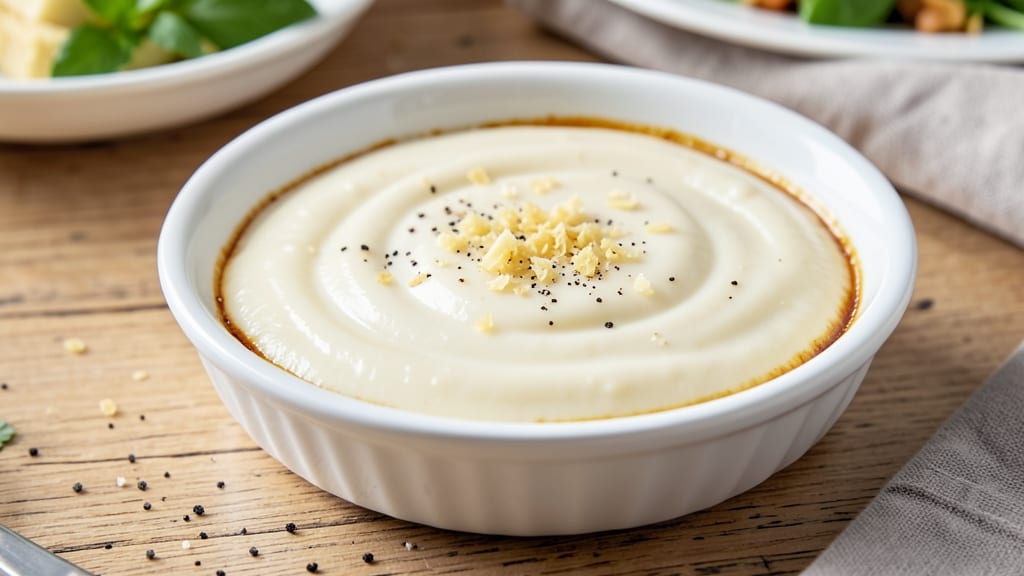
This bechamel sauce recipe ratio—1:1:2 butter-to-flour-to-milk—is the foundation of creamy masterpieces like mac and cheese and lasagna. I learned the hard way that precise ratios matter: too much flour makes it grainy, too little milk keeps it thin.
The secret lies in patience and temperature control, which I’ll break down step by step.
Start with equal parts butter and flour (like 2 tablespoons each) cooked until bubbly but not browned—this creates the roux that thickens the sauce. Then, whisk in twice the amount of warm milk gradually, letting each addition blend completely before adding more.
The result? A velvety, foolproof base that thickens beautifully without lumps.
What makes this ratio special is its versatility. Use it as-is for classic béchamel, or add cheese for Mornay, herbs for velouté, or a splash of lemon for brightness.
The key is keeping everything warm—cold milk shocks the roux, while hot milk can scorch it. Master this, and you’ve unlocked the secret to restaurant-quality sauces at home.
Store leftovers in the fridge for up to 5 days or freeze for 3 months. When reheating, stir over low heat with a splash of milk to restore that silky texture. This isn’t just a recipe—it’s a technique that transforms ordinary dishes into something extraordinary.
Ingredients for bechamel sauce recipe ratio
Master this 1:1:2 ratio of butter, flour, and milk for velvety béchamel every time.
| Ingredient | Amount | Notes |
|---|---|---|
| Unsalted Butter 🧈 | ½ cup | Cold, cubed for even cooking |
| All-Purpose Flour 🌾 | ½ cup | Sifted for smooth texture |
| Whole Milk 🥛 | 1 cup | Warm, not scalding |
| Diamond Crystal Kosher Salt 🧂 | ¼ tsp | Adjust to taste |
| Freshly Ground White Pepper 🌶️ | ⅛ tsp | For subtle seasoning |
| Nutritional Yeast (optional) 🍄 | 1 tbsp | For cheesy depth |
| Extra-Virgin Olive Oil 🫒 | 1 tbsp | For finishing drizzle |
| Lemon Zest (optional) 🍋 | ½ tsp | For brightness |
The butter and flour ratio is non-negotiable—equal parts create the perfect roux foundation. European-style unsalted butter from brands like Plugrá or Land O'Lakes works best, but any high-fat butter will do. For flour, King Arthur or Gold Medal all-purpose sifted through a fine-mesh sieve prevents lumps. The milk must be warm (about 160°F)—too cold shocks the roux, too hot burns it. Whole milk gives the richest texture, but 2% or lactose-free works in a pinch. Preheat your saucepan over medium-low to maintain temperature control throughout.
No unsalted butter? Salted butter minus 1/4 tsp salt per 1/2 cup keeps the ratio balanced. Substitute milk with half-and-half or light cream for extra richness, but reduce by 1/4 cup to maintain thickness. For a dairy-free version, use unsweetened almond milk with 1 tbsp cornstarch whisked in first. The nutritional yeast adds umami depth without dairy—Bob's Red Mill is a reliable brand. If you're making Mornay, add 1/2 cup freshly grated Gruyère off-heat. For velouté, replace half the milk with chicken or vegetable stock and add a bay leaf while cooking.
Freshly made béchamel keeps 3-4 days in the fridge, sealed under a layer of plastic wrap pressed directly on the surface to prevent skin formation. For longer storage, freeze in ice cube trays—thaw quickly in a bowl of warm water. When reheating, stir over low heat with 1-2 tbsp additional warm milk to restore silkiness. This sauce is your blank canvas: fold in cooked pasta for mac and cheese, layer between lasagna sheets, or drizzle over grilled fish. The possibilities are endless once you've mastered the ratio.
Why You'll Love This Recipe
- Four-Ingredient Magic: I swear, this sauce only needs butter, flour, milk, and a pinch of salt—no fancy gadgets or stress. Just melt the butter, whisk in the flour, and slowly add warm milk while stirring like your life depends on it (it doesn’t, but the sauce will thank you).
- Velvet Smooth Finish: That slow, steady simmer? Pure satisfaction. The flour-to-butter ratio creates this luscious, silky texture—no lumps, no grit—just creamy perfection. Honestly, once you taste it, you’ll never go back to store-bought.
- Weeknight Workhorse: Between us, this is my secret weapon for mac and cheese, lasagna, or even creamy soups. Make a double batch on Sundays, and you’ve got dinner covered for days. (Yes, even on a Tuesday night when you’re exhausted.)
- Budget-Friendly Luxury: Butter and milk might sound fancy, but this sauce stretches farther than you’d think. A little goes a long way, and the kosher salt and pepper keep it from tasting like a splurge. My wallet and taste buds both win.
Step-by-step instructions for bechamel sauce
Master this classic French sauce with precise ratios and professional techniques.
Melt Butter Over Medium Heat
Place a medium saucepan over medium heat and add the 0.5 cup unsalted butter, cubed. Allow it to melt completely, stirring occasionally with a wooden spoon. Watch for the butter to foam and then settle—this indicates it's ready for the next step. The butter should be fully melted but not browned; if it starts to brown, reduce the heat slightly. This step creates the flavor foundation for your sauce.
I like to use cold butter cubes because they melt more evenly and prevent the sauce from becoming greasy. The butter should be smooth and completely incorporated before moving forward—this ensures proper emulsification with the flour and milk later. If you see any remaining butter pieces, give it another 30 seconds to fully melt.
Whisk in Flour to Form a Roux
Immediately after the butter melts, reduce the heat to low and gradually whisk in the 0.5 cup all-purpose flour. I use a wire whisk for this step—it creates a smooth, lump-free mixture. Whisk continuously for 1-2 minutes until the flour and butter combine to form a thick, golden paste called a roux. This should look like wet sand with no visible flour streaks.
The roux is the backbone of your bechamel. If you notice any lumps, press them against the side of the pan with the back of your spoon and continue whisking. The mixture should coat the back of a spoon and leave a clean streak when dragged across the pan. This indicates proper development of the roux, which will give your sauce its signature thickness and creaminess.
Gradually Add Warm Milk
Slowly pour in the 1 cup warm whole milk while whisking vigorously. I add the milk in a thin, steady stream to prevent lumps from forming. Keep whisking continuously for 2-3 minutes until the mixture thickens noticeably. The sauce should begin to coat the whisk and the bottom of the pan.
Here's the thing—patience is key. If you add the milk too quickly, you'll create lumps that are nearly impossible to fix. The warmth of the milk helps emulsify the mixture smoothly. If the sauce starts to curdle or separate, immediately reduce the heat to lowest setting and whisk vigorously for another 30 seconds to restore its smooth texture.
Season and Simmer
Once the sauce has thickened, stir in the 0.25 tsp diamond crystal kosher salt, 0.125 tsp freshly ground white pepper, and the 1 tbsp nutritional yeast (if using). Taste and adjust the seasoning—bechamel should be subtly seasoned, not overpowering. Increase the heat to medium-low and let the sauce simmer gently for 3-5 minutes, stirring occasionally.
The sauce should now have a velvety, creamy consistency. If it's too thick, whisk in 1 tablespoon warm milk at a time until it reaches your desired texture. For extra brightness, stir in the 0.5 tsp lemon zest (if using) during the last minute of simmering. This optional addition adds a delightful citrus note that pairs beautifully with the rich, creamy base.
Finish with Olive Oil for Stability
Remove the sauce from heat and stir in the 1 tbsp extra-virgin olive oil. This final step is crucial—it helps stabilize the emulsion, preventing the sauce from breaking or curdling when exposed to cold ingredients later. The olive oil also adds a subtle richness that complements the creamy texture.
Your bechamel is now ready to use. If you're not using it immediately, cover the saucepan with a lid and set it aside. The sauce will thicken further as it cools, so you may need to thin it with a splash of warm milk before using. This versatile sauce can be used as a base for mac and cheese, lasagna, or even creamy soups—its creamy texture and neutral flavor make it a kitchen essential.
Pro Tips For Making Bechamel Sauce Recipe Ratio
- Whisk Like You Mean It: The roux is where bechamel makes or breaks—don’t stir it like you’re folding laundry. Keep the heat medium and whisk constantly for 3-5 minutes until it’s the color of pale toast. I used to rush this, and my sauce would taste raw and floury. (Yes, even if you’re impatient like me.)
- Measure Milk Precisely: Whole milk expands when heated, so don’t eyeball it. Use a scale or measure it cold—you’ll need about 2 cups per ¼ cup butter/flour roux. My first few batches were watery because I ignored this, and no amount of stirring fixed it.
- Salt in Stages: Taste the roux before adding milk, then salt the milk itself (about ½ tsp per cup). Finish with a pinch of kosher salt at the end—this balances the richness without overpowering. I learned this the hard way when a batch turned bland because I dumped all the salt in at once.
- Low and Slow After Boil: Once the milk comes to a gentle simmer, drop the heat to the lowest setting and let it cook uncovered for 5-7 minutes. Skipping this step leaves starch behind, making the sauce grainy. (Your future self will thank you.)
Pro cooking tips for this recipe
Roux Perfection
The roux is where the magic happens—equal parts butter and flour (like 2 tbsp each) must cook until pale golden (not brown) for a smooth, lump-free sauce. I use a wire whisk for even distribution and keep the heat at low-medium to prevent burning.
If the roux darkens, scrap it off the pan and start fresh—this is your only chance to save the sauce. 🌡️
Milk Temperature Matters
Warm milk (about 160°F) is non-negotiable—cold milk causes lumps, while hot milk can scorch. I heat milk in the microwave for 45 seconds (stirring halfway) or warm it in a separate saucepan.
Always whisk continuously while adding milk to the roux—this emulsifies the fat and prevents curdling. If the sauce breaks, immediately reduce heat and whisk like your life depends on it.
Thickness Control
Your sauce should coat the back of a spoon but still flow smoothly. If it's too thick, whisk in 1 tbsp warm milk at a time. For extra insurance, I keep a small bowl of milk nearby to adjust consistency.
The sauce will thicken further as it cools, so plan to thin it slightly before using—this is normal and expected.
Cheese Variations
For Mornay sauce, stir in ½ cup freshly grated Gruyère off the heat—it melts beautifully into the warm béchamel. For a vegetarian velouté, replace half the milk with chicken or vegetable stock and add a bay leaf while simmering.
I like Bob's Red Mill nutritional yeast for a cheesy depth without dairy—just 1 tbsp adds incredible umami.
Storage Secrets
Let béchamel cool completely before storing. I press plastic wrap directly onto the surface to prevent skin formation, then refrigerate for up to 4 days. For longer storage, freeze in ice cube trays—thaw quickly in a bowl of warm water.
When reheating, stir over low heat with 1-2 tbsp milk to restore silkiness. Never microwave—it breaks the emulsion.
Troubleshooting Guide
Lumps? Press them against the pan with a spoon and whisk vigorously while adding 1 tbsp warm milk. Too thin? Simmer uncovered for 2-3 minutes to reduce. Grainy texture? Your roux was undercooked—start over with a fresh batch. Burnt flavor? Next time, keep heat at low-medium and stir constantly. Trust me, these fixes work every time. ✨
Nutrition facts
Frequently asked questions
Can I use half-and-half instead of whole milk for béchamel?
Yes, but reduce it by ¼ cup since half-and-half is richer. For example, use ¾ cup half-and-half instead of 1 cup whole milk to maintain the same creamy texture. The sauce will be slightly thicker, so thin with warm water if needed. This works well for extra-rich variations like creamy pasta dishes.
Why did my béchamel turn out grainy?
Graininess usually means your roux wasn't cooked long enough or you added milk too quickly. For a perfect texture, cook the butter and flour until it's a smooth paste (about 2 minutes) and whisk in warm milk very gradually. If it happens, whisk in 1 tbsp warm milk and simmer gently to dissolve the grains.
How can I make béchamel dairy-free?
Replace butter with vegetable oil or dairy-free margarine, use unsweetened almond milk, and add 1 tbsp cornstarch to the roux. For extra richness, stir in 2 tbsp cashew cream at the end. The ratio becomes 1:1:2 oil-to-flour-to-milk, but taste and adjust thickness—dairy-free versions often need more starch to thicken properly.
Can I make béchamel ahead of time?
Let it cool completely, then store it in an airtight container for 3-4 days in the fridge. For longer storage, freeze in ice cube trays—thaw quickly in a bowl of warm water. When reheating, stir over low heat with 1-2 tbsp milk to restore its silky texture. The sauce thickens as it cools, so thin slightly before using.
What's the best way to fix a broken béchamel?
If your sauce separates or curdles, immediately reduce heat to low and whisk vigorously while adding 1 tbsp warm milk at a time. For stubborn lumps, press them against the pan with a spoon and continue whisking. If all else fails, start fresh—most broken sauces can be salvaged, but a fresh batch ensures perfect texture every time.