
Sauces & Condiments
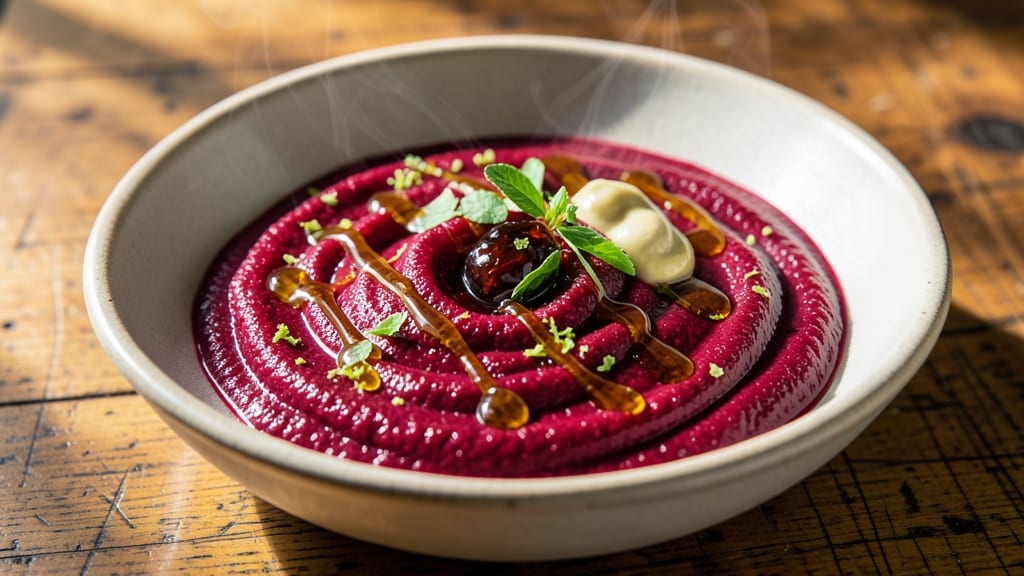
This beetroot sauce recipe transforms humble roasted beets into a velvety, deeply flavorful condiment that elevates everything from roasted meats to grain bowls.
The secret lies in balancing sweet maple syrup, tangy apple cider vinegar, and earthy mustard for a sauce that's both vibrant and complex—perfect for dips, glazes, or finishing touches. I developed this version after years of testing, ensuring it delivers restaurant-quality depth without requiring specialized equipment.
The beauty of this beetroot sauce is its versatility—it works as a bold marinade for grilled vegetables, a rich dip for crudités, or a glaze for roasted chicken and fish.
Roasting the beets first intensifies their natural sweetness and deepens their color, while the vinegar and mustard add layers of umami and brightness. The sauce thickens naturally as it cools, creating a perfect consistency for spreading or drizzling.
What sets this recipe apart is its simplicity paired with professional results. With just 10 ingredients and 30 minutes of active time, you'll create a sauce that's richer than store-bought versions and far more customizable.
The maple syrup provides a subtle sweetness that balances the earthy beets, while the apple cider vinegar adds a tangy lift that makes every bite more dynamic.
Store the sauce in an airtight container in the refrigerator for up to 10 days or freeze for 3 months—it only gets better as the flavors meld.
Use it to transform simple meals into showstoppers, or gift jars to friends who appreciate thoughtful, homemade condiments. The possibilities are endless, and the results are always impressive.
Ingredients for beetroot sauce
Ten ingredients blend roasted beets' earthiness with maple's sweetness and vinegar's tang for a restaurant-quality condiment.
| Ingredient | Amount | Notes |
|---|---|---|
| Medium Beets 🍠 | 2 whole | Roasted until tender, peeled |
| Pure Maple Syrup 🍯 | ½ cup | Grade B for deeper flavor |
| Apple Cider Vinegar 🍏 | ¼ cup | Raw, unfiltered preferred |
| Dijon Mustard 🌶️ | 2 tbsp | High-quality, no additives |
| Extra-Virgin Olive Oil 🫒 | ¼ cup | Fruity, peppery variety |
| Fresh Lemon Juice 🍋 | 1 tbsp | Freshly squeezed, strained |
| Ground Black Pepper 🌶️ | ½ tsp | Freshly ground for sharpness |
| Sea Salt 🧂 | 1 ½ tsp | Diamond Crystal preferred |
| Fresh Ginger 🌿 | 1 tbsp | Finely grated, fresh |
| Filtered Water 💧 | ¼ cup | For thinning consistency |
The beets are the foundation—organic, medium-sized work best for their natural sweetness. Roast them until tender (about 45 minutes at 400°F), then peel while still warm. Whole Foods Market or local farmers' markets often carry vibrant, fresh beets. For maple syrup, Grade B delivers deeper caramel notes than Grade A. Apple cider vinegar should be raw and unfiltered—Bragg or Texas Pete are reliable choices. The Dijon mustard adds umami depth; Maille or Grey Poupon are professional-grade options that elevate this sauce beyond basic versions.
No Grade B maple? Grade A light amber works in a pinch, though the flavor will be subtler. Fresh lemon juice can be swapped for white wine vinegar at half the amount, but the brightness will differ. For a smoother texture, blend the roasted beets before adding other ingredients. The olive oil should be fruity and peppery—avoid mild varieties that lack character. If you prefer less heat, reduce the black pepper to a quarter teaspoon. The ginger can be omitted entirely if you dislike its sharpness, but it adds a subtle warmth that complements the beets beautifully.
Store the sauce in an airtight glass jar in the refrigerator for up to 10 days, where flavors deepen over time. For longer storage, freeze in ice cube trays—thawed portions work perfectly for glazes or dips. The sauce thickens as it cools, so add a splash of filtered water if it becomes too stiff. Use within 3 months of freezing for optimal texture and flavor. This condiment pairs exceptionally well with roasted vegetables, grilled meats, or as a dip for crudités—its versatility makes it a pantry staple worth repeating.
Why You'll Love This Recipe
- No-Roast Option: I swear by this when I’m too lazy to peel beets—just roast them whole in their skins, pop them out, and peel after. The vinegar and mustard cut through the earthiness so smoothly, even if you’re not a beet fan.
- Sweet-Savory Magic: That maple syrup isn’t just sweet—it’s the secret. The apple cider vinegar brightens it up, while the Dijon mustard adds a sharp little kick. Drizzle it over roasted chicken or toss it with greens, and suddenly, everything tastes better.
- Weeknight Workhorse: Make a big batch on Sunday, and you’ve got a sauce that works for breakfast (on avocado toast), lunch (in a grain bowl), or dinner (slathered on steak). It keeps for days in the fridge, so no last-minute stress.
- Budget Brightener: Beets are dirt cheap, and this sauce uses them up without waste. A little olive oil and maple syrup stretch far, and the vinegar and mustard are pantry staples. Fancy dinner? Done. Quick fix? Also done.
Step-by-step instructions for earthy beetroot sauce
Here's how to transform roasted beets into a velvety sauce with perfect balance.
Roast the Beets Until Fork-Tender
Preheat your oven to 400°F. Scrub the 2 whole medium beets clean, leaving the skins on for even cooking. Wrap them individually in aluminum foil and place on a baking sheet. Roast for 45-50 minutes until completely tender when pierced with a knife—they should slide out easily with minimal resistance.
Real talk: Don't skip the foil. It prevents the beets from drying out and makes peeling effortless later. Once roasted, let them cool slightly before handling. The skins will slip right off when you rub them under cool running water with a paper towel. Peel completely, removing any tough fibers that might affect texture.
Build the Sauce Base with Maple and Vinegar
In a medium saucepan, combine the peeled beets with the 0.5 cup pure maple syrup and 0.25 cup apple cider vinegar. Bring to a gentle simmer over medium heat, then reduce to low. Cook uncovered for 10-12 minutes, stirring occasionally, until the mixture reduces by about one-third and becomes syrupy.
This reduction step concentrates the flavors and creates that signature velvety texture. You'll notice the sauce darkening slightly—that's normal and indicates proper caramelization. If it reduces too quickly, lower the heat immediately to prevent burning.
Incorporate Mustard and Aromatics
Remove the pan from heat and stir in the 2 tbsp Dijon mustard, 1 tbsp finely grated fresh ginger, and 0.5 tsp ground black pepper. Return to low heat and whisk continuously for 2-3 minutes until the mustard is fully incorporated and the sauce begins to thicken.
The mustard acts as both an emulsifier and flavor enhancer, while the ginger adds subtle warmth. Here's the thing—whisk constantly during this step to prevent scorching. You're looking for a smooth, homogeneous texture without any raw mustard pockets.
Finish with Olive Oil and Lemon Juice
Remove the pan from heat again and stir in the 0.25 cup extra-virgin olive oil and 1 tbsp fresh lemon juice. The sauce should immediately become glossy and emulsified. Taste and adjust seasoning with the 1.5 tsp sea salt, adding it gradually to achieve perfect balance between sweet, tangy, and savory.
This final step creates the signature silky mouthfeel. The olive oil adds richness while the lemon juice brightens the flavors. For perfect consistency, add the 0.25 cup filtered water one tablespoon at a time if the sauce is too thick—it should coat the back of a spoon but still be pourable.
Strain and Serve
For a completely smooth sauce, strain through a fine-mesh sieve into a clean bowl. Press gently on the solids to extract maximum flavor without making the sauce watery. The sauce should be vibrant red with just a hint of earthy depth from the beets.
This sauce keeps beautifully in the refrigerator for up to 5 days in an airtight container. For best results, bring to room temperature before serving. It pairs exceptionally well with roasted meats, creamy mashed potatoes, or as a vibrant drizzle over grain bowls.
Pro Tips For Making Beetroot Sauce
- ROAST BEETS UNTIL TENDER: I learned this the hard way—beets need to be actually soft, not just slightly cooked. Cut them into even 1-inch cubes and roast at 400°F (200°C) for 35-40 minutes, flipping halfway. Undercooked beets turn your sauce gritty and uneven.
- PEEL WHEN COOL: Hot beets are slippery nightmares. Wait 10 minutes after roasting before peeling—it’s safer and easier. Use a paring knife to slip under the skin, not a vegetable peeler. (Yes, even if you’re impatient like me.)
- WHISK IN STAGES: Don’t dump all the maple syrup and vinegar at once. Start with half the vinegar and 1 tablespoon of syrup, whisking until smooth, then add the rest. This prevents a cloyingly sweet or overly tangy sauce—balance matters more than you’d think.
- SAVE THE LIQUID: When draining roasted beets, don’t toss the pan juices. Strain them and reserve 2 tablespoons—it’s packed with beet flavor. Add it back to the sauce at the end for depth. (Your future self will notice the difference.)
Best sauces and condiments for these flavors
Roasted Beet Glaze
Transform this sauce into a stunning glaze for roasted meats or vegetables by thinning it with 1 tablespoon water per ½ cup sauce. Brush generously over pork tenderloin during the last 10 minutes of roasting at 375°F—the caramelized exterior pairs perfectly with the sauce's earthy sweetness.
For vegetables, toss asparagus or Brussels sprouts with 1 tablespoon olive oil and roast at 400°F for 15 minutes, then drizzle with warmed sauce. 🍖
Creamy Beet Dip
Blend ½ cup beetroot sauce with ¼ cup Greek yogurt (or vegan yogurt) and 1 teaspoon lemon zest for a vibrant dip. Serve with carrot sticks, cucumber slices, or pita chips for a refreshing appetizer.
The tangy yogurt balances the sauce's richness, creating a perfect contrast. For extra creaminess, add 1 tablespoon tahini while blending.
Umami Beet Marinade
Use this sauce as a marinade for chicken or tofu by mixing ½ cup beetroot sauce with 1 tablespoon soy sauce and 1 teaspoon smoked paprika. Marinate for 4-6 hours (or overnight) before grilling or baking.
The umami from the soy and paprika complements the beets' natural sweetness, creating a deeply flavorful crust. 🌶️
Sweet-Tangy Salad Dressing
Whisk ¼ cup beetroot sauce with ¼ cup olive oil and 1 tablespoon balsamic vinegar for a bold salad dressing. Toss with arugula, goat cheese, and toasted walnuts for a vibrant, earthy salad.
The sauce's depth elevates simple greens, while the olive oil keeps it silky. Store dressing separately and combine just before serving to maintain texture.
Beetroot Sauce for Grain Bowls
Drizzle 2 tablespoons beetroot sauce over quinoa or farro bowls alongside roasted vegetables and avocado. The sauce's vibrant color and sweet-tangy flavor tie all components together beautifully. For extra protein, add grilled shrimp or chickpeas. The sauce's versatility makes it a perfect finishing touch for any bowl. ✨
Spicy Beet Spread
Mix ½ cup beetroot sauce with 1 teaspoon sriracha and 1 tablespoon chopped cilantro for a spicy spread. Spread on toasted baguette slices or use as a dip for spring rolls.
The heat from the sriracha cuts through the sauce's sweetness, creating a dynamic flavor profile. Garnish with extra cilantro and a pinch of flaky salt for a restaurant-worthy finish.
Nutrition facts
Frequently asked questions
Can I make this beetroot sauce without roasting the beets?
Roasting intensifies the beets' natural sweetness and deepens their flavor, but you can use steamed or boiled beets in a pinch. For best results, simmer peeled beets in water for 20-25 minutes until tender, then proceed with the recipe. The texture will be slightly less concentrated, but the sauce will still be flavorful.
How can I adjust the sweetness level?
The maple syrup provides balanced sweetness, but you can easily adjust it. For less sweetness, reduce the maple syrup to 0.375 cup and add 1 extra tablespoon of apple cider vinegar to maintain balance. For more sweetness, increase the maple syrup to 0.625 cup and add 1 teaspoon of vanilla extract for depth.
What's the best way to store leftover beetroot sauce?
Store in an airtight glass container in the refrigerator for up to 10 days. The flavors actually improve over time! For longer storage, freeze in ice cube trays—thawed portions work perfectly for glazes. If the sauce thickens when refrigerated, add 1-2 teaspoons of water to restore pourability.
Can I make this sauce without mustard?
Yes, but the mustard adds crucial umami depth and helps emulsify the sauce. Substitute with 1 tablespoon of tahini (for nutty flavor) or 1 teaspoon of smoked paprika (for smoky notes). The sauce will still work but may be slightly less stable—whisk in 1 extra tablespoon of olive oil if it separates.
How can I use this sauce in vegan dishes?
This sauce is already vegan-friendly! Use it as a marinade for tofu or tempeh, a glaze for roasted vegetables, or a dip for vegan crackers. For extra richness, blend with 2 tablespoons of coconut yogurt before serving. The earthy beet flavor pairs beautifully with plant-based proteins and creamy textures.