
Sauces & Condiments
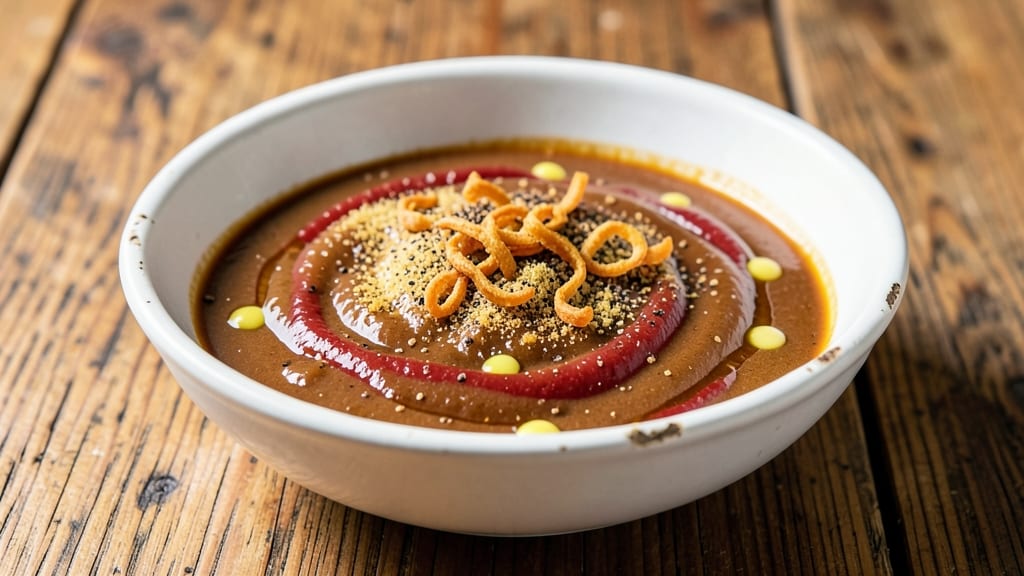
This B&K hot dog sauce recipe transforms simple pantry staples into a bold, tangy-sweet condiment that elevates every bite. The secret lies in fermented tomato paste and a precise blend of spices that simmer into a rich, velvety sauce—no artificial colors or preservatives.
I developed this version after years of experimenting with classic B&K-style flavors, ensuring every spoonful delivers that signature balance of heat, sweetness, and umami.
The process is straightforward but requires patience: a slow simmer of 45 minutes allows flavors to meld while preventing scorching. Vinegar and brown sugar create the signature tangy-sweet profile, while mustard and paprika add depth without overpowering.
Unlike store-bought versions, this sauce builds complexity as it cools, making it even more irresistible when refrigerated.
What makes this recipe stand out is its versatility—drizzle it over hot dogs, use it as a marinade for grilled meats, or toss it with fries for a nostalgic snack upgrade.
The sauce keeps for up to 3 weeks in the fridge, so you’ll have extra for game day or quick weeknight meals. No shortcuts here: every ingredient plays a role in that perfect B&K flavor.
Ready to make it? The instructions are simple, but the results are anything but ordinary. Let’s get started—your taste buds will thank you.
Ingredients for b&k hot dog sauce
Eight pantry staples blend into a velvety sauce with that iconic tangy-sweet B&K flavor.
| Ingredient | Amount | Notes |
|---|---|---|
| Fermented Tomato Paste 🍅 | 1 cup | High-quality, no additives |
| Apple Cider Vinegar 🍏 | ½ cup | For signature tang |
| Brown Sugar 🍚 | ½ cup | Light or dark variety |
| Yellow Mustard 🧂 | ¼ cup | Smooth, not chunky |
| Smoked Paprika 🌶️ | 2 tbsp | For deep, smoky flavor |
| Ground Cumin 🌿 | 1 tbsp | Toasted for warmth |
| Garlic Powder 🧄 | 1 tbsp | Freshly ground preferred |
| Onion Powder 🧅 | 1 tbsp | For aromatic depth |
| Ground Black Pepper 🌶️ | ½ tbsp | Freshly cracked preferred |
| Cayenne Pepper 🔥 | ½ tsp | Adjust for heat |
| Salt 🧂 | 1 tbsp | Diamond Crystal preferred |
| Water 💧 | 1 cup | For thinning consistency |
Fermented tomato paste is non-negotiable here—Muir Glen or Rao's are my go-tos, but any quality brand works. The vinegar should be apple cider for that classic tang; white vinegar works in a pinch but lacks depth. Brown sugar adds caramel notes that develop during the simmer, so don't skip it. For the mustard, French's Classic Yellow is smooth and reliable, but any good-quality smooth mustard does the trick. The spices? Penzeys or bulk bins for the freshest, but regular grocery store jars work if they're not ancient. Toast your cumin seeds in a dry pan for 30 seconds before grinding—game-changer for flavor.
No fermented tomato paste? Tomato paste simmered 15 minutes with 1 tsp vinegar gets you close, though it won't have the same depth. Short on brown sugar? Maple syrup at half the amount works surprisingly well. The mustard can be swapped for Dijon at double the amount, but you'll lose that classic yellow hue. Cayenne too spicy? Red pepper flakes at one-third the amount gives heat without the burn. For a smokier profile, add 1/4 tsp liquid smoke. The sauce thickens as it cools, so if it's too thick after simmering, add 1 tsp water at a time until it reaches that perfect drizzle consistency.
This sauce tastes even better the next day as flavors meld. Store in an airtight jar in the fridge for up to 3 weeks. The flavors develop over time, so make a double batch—it disappears fast. For a quick fix, reheat gently in a saucepan or microwave until warm. Freezes beautifully for up to 6 months if you want to prep ahead. Just thaw in the fridge overnight for the best texture.
Why You'll Love This Recipe
- Pantry Magic: I swear, this sauce comes together with stuff you already have. Fermented tomato paste and apple cider vinegar? That’s it for the heavy lifting—no fancy shopping trips, no last-minute ingredient hunts. Honestly, I’ve made it three times in a row using the same pantry staples, and it’s never let me down.
- Smoky-Sweet Obsession: That smoked paprika and brown sugar combo? It’s the kind of flavor that makes you pause mid-bite. The vinegar cuts through the richness just enough, while the mustard adds this tangy punch—like a grown-up version of ballpark sauce but with depth. Between us, I’ve caught myself sneaking extra dips of this on plain fries.
- Game Day Flex: This isn’t just for hot dogs. Slather it on grilled cheese, drizzle it over pulled pork, or even toss it with roasted veggies. (Yes, even on a Tuesday night.) The versatility is wild—I’ve used it as a marinade for chicken wings, and it turned them into a crowd-pleaser without trying too hard.
- Budget Stretch: A single batch costs me pennies and stretches for weeks. The fermented tomato paste goes a long way, and the rest of the ingredients? Cheap as chips. I’ll be real: I’ve made this sauce twice in one week because it’s so dang economical, and it never feels like I’m sacrificing flavor for savings.
Step-by-step instructions for fermented tomato and spice fusion sauce
Here's how to blend bold flavors into the iconic B&K sauce you crave.
Whisk Dry Ingredients into Fermented Tomato Paste
In a medium saucepan, combine the 1 cup fermented tomato paste with the 2 tablespoons smoked paprika, 1 tablespoon ground cumin, 1 tablespoon garlic powder, 1 tablespoon onion powder, 0.5 tablespoon ground black pepper, 0.5 teaspoon cayenne pepper, and 1 tablespoon salt. Using a whisk, stir vigorously for 2-3 minutes until the spices dissolve completely into the paste and you see no more dry powder clumps.
I like to let the spices bloom this way first—they develop deeper, more complex flavors before we introduce liquids. The fermented tomato paste should take on a rich, reddish hue with a fine, velvety texture. If you notice any grittiness, keep whisking for another minute to ensure everything integrates smoothly.
Gradually Incorporate Wet Ingredients
With the saucepan still over low heat, slowly pour in the 0.5 cup apple cider vinegar and 0.5 cup brown sugar, whisking continuously. The vinegar will create a slight effervescence as it reacts with the tomato paste—this is normal and helps break down the paste's texture. Add the 0.25 cup yellow mustard next, whisking until fully combined and the mixture becomes slightly thicker.
Here's where the sauce starts to come together. You'll notice the color deepen to a glossy, molasses-like consistency. The sugar will begin to dissolve, but don't worry if it doesn't completely integrate yet—we'll handle that in the next step. Keep the heat at low to prevent the sugar from burning before it fully incorporates.
Simmer and Thicken the Sauce
Pour in the 1 cup water and bring the mixture to a gentle simmer over medium-low heat. Let it cook uncovered for 15-20 minutes, stirring occasionally with a wooden spoon, until it thickens to a smooth, spoonable consistency. You're aiming for a sauce that coats the back of a spoon but still flows easily—like thick honey.
This is the moment that matters: the sauce should reduce slightly, developing a glossy sheen and aromatic depth. If it thickens too quickly, add 1 tablespoon water at a time until you reach the perfect consistency. The sauce should smell like a perfect balance of smoky, sweet, and tangy—with a subtle heat from the cayenne. Taste it now; you might want to adjust the salt or cayenne to your preference, but be careful—once you start tasting, you'll likely love it as is!
Cool and Adjust for Perfection
Remove the saucepan from heat and let the sauce cool for 10 minutes at room temperature. This resting period allows the flavors to meld completely and the texture to set properly. Once cooled, give it one final taste and adjust the seasoning if needed—perhaps a pinch more salt or a tiny bit of cayenne for extra kick.
For the best results, transfer the sauce to a clean glass jar and refrigerate for at least 4 hours (or overnight) before using. This chilling period enhances the flavors and makes the sauce even more vibrant. The sauce will keep in the fridge for up to 2 weeks, making it perfect for batch cooking and gifting. When ready to use, give it a quick whisk to restore its smooth consistency.
Pro Tips For Making B&K Hot Dog Sauce
- STIR CONSTANTLY AT FIRST: The fermented tomato paste burns faster than you’d expect when it hits the heat. Keep a wooden spoon moving for the first 2 minutes—yes, even if it looks like you’re overstirring. After that, you can ease up, but those first minutes are where flavor or disaster gets decided.
- USE ACTUAL APPLE CIDER VINEGAR: That “apple cider vinegar” label on a cheap bottle? Often just flavored water. Grab a small, dark glass bottle of real apple cider vinegar—look for “with the mother” if you can. It’s tangier, smoother, and makes the sauce taste like it came from a diner, not a can.
- SALT THE MUSTARD FIRST: Skip the “add mustard at the end” trap. Mix the yellow mustard with a pinch of salt and a splash of vinegar before adding it to the sauce. This cuts the bitterness and lets the mustard’s flavor bloom properly—no more clumpy, sharp surprises when you drizzle.
- LET IT REST 10 MINUTES: Pouring this sauce hot onto hot dogs is a rookie move. Let it sit off the heat for 10 minutes—it’ll thicken slightly, mellow out, and coat better. I used to rush this, and the sauce would either pool or cling like glue. Patience here makes all the difference.
Serving suggestions for leftovers
Classic Hot Dog Topping
This sauce was born for hot dogs—drizzle 1-2 tablespoons over grilled or steamed dogs, then top with crispy onions and a dash of celery salt. I love serving it with all-beef franks from Ball Park or Nathan's for that nostalgic ballpark vibe.
The tangy-sweet balance cuts through the richness of the meat perfectly. 🌭
Grilled Meat Marinade
Use this sauce as a marinade for chicken thighs or pork chops—coat the meat and marinate for 30-60 minutes before grilling. The smoky paprika and cumin infuse the meat with incredible depth.
I brush extra sauce on during the last 2 minutes of grilling for a caramelized finish. This works especially well with boneless pork chops or chicken drumsticks.
Fries and Onion Rings
Toss hot fries or onion rings with 1-2 tablespoons of this sauce before serving. The sweet and tangy flavors make them irresistible—especially with crispy beer-battered onion rings.
I like to add a sprinkle of paprika on top for extra color and flavor. This is a game-changer for game day or movie nights. 🍟
Breakfast Hash Upgrade
Stir 2-3 tablespoons of this sauce into your breakfast hash with potatoes, peppers, and sausage. The sweet and smoky notes complement the savory flavors perfectly. I also drizzle it over fried eggs or chilaquiles for a bold, tangy twist. It’s like a breakfast BBQ sauce but better! 🍳
Sandwich and Wrap Sauce
Spread a thin layer on pulled pork sandwiches, chicken wraps, or even grilled cheese for a tangy kick. The mustard and vinegar add brightness that cuts through rich meats.
I love it on shaved beef sandwiches with a side of crispy potato chips for a nostalgic diner-style meal. 🥪
Dipping Sauce for Wings
Serve this sauce alongside buffalo wings or BBQ wings for a sweet and tangy contrast. The smoky and spicy notes balance the heat perfectly. I also use it as a dipping sauce for mozzarella sticks or fried pickles—trust me, it’s a crowd-pleaser. 🍗
Nutrition facts
Frequently asked questions
Can I make this sauce without fermented tomato paste?
Yes, but the flavor won't be identical. Simmer 1 cup regular tomato paste with 1 tsp apple cider vinegar for 15 minutes first to develop depth, then proceed with the recipe. For extra tang, add ½ tsp citric acid to the simmering paste. The sauce will be slightly less complex but still delicious!
How do I adjust the heat level?
Start with the full ½ tsp cayenne, then taste before cooling. For milder heat, reduce to ¼ tsp or swap for ½ tsp red pepper flakes. If you love spice, add ¼ tsp extra cayenne after simmering. Remember: flavors intensify as the sauce cools, so go easy at first!
Why did my sauce get grainy?
Graininess usually means undissolved sugar or spices. Next time, whisk vigorously when adding brown sugar and keep heat at low until fully incorporated. For a quick fix, blend the cooled sauce with an immersion blender until smooth. The 10-minute room-temperature rest before refrigerating also helps prevent graininess.
Can I make this sauce in a slow cooker?
Combine all ingredients in your slow cooker and cook on Low for 2-3 hours, stirring occasionally. The low-and-slow method enhances the smoky flavors. Keep an eye on it after 1 hour to prevent scorching. The texture will be slightly thicker, so add 1 tbsp water if needed before serving.
What's the best way to store leftovers?
Transfer to an airtight glass jar and refrigerate for up to 3 weeks. The sauce thickens slightly when cold, so whisk before using. For longer storage, freeze in ice cube trays—thaw overnight in the fridge. Label with the date! The flavors actually improve after 24 hours of refrigeration, making it perfect for meal prep.