
Sauces & Condiments
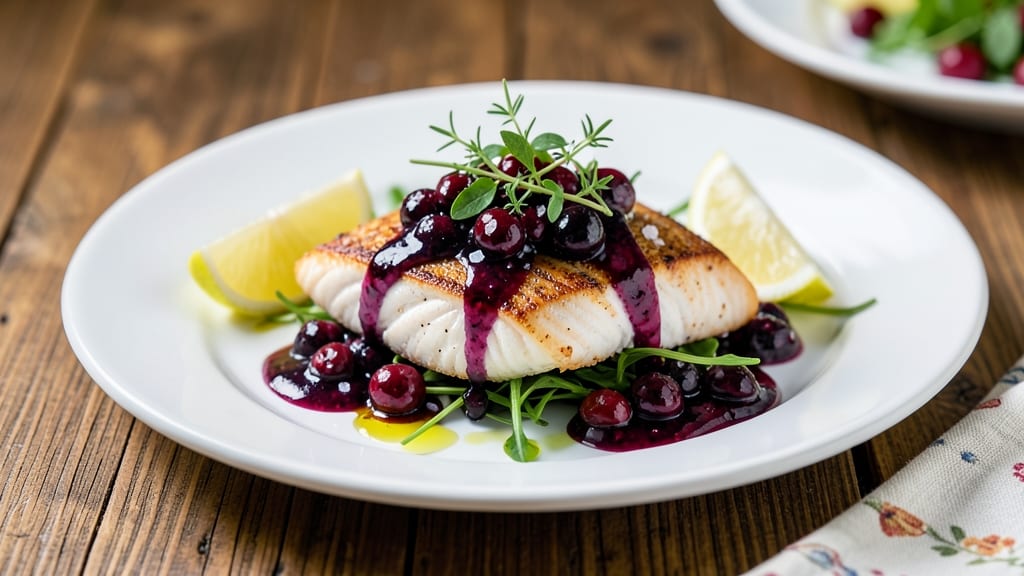
This blueberry sauce recipe transforms simple fish into a gourmet centerpiece with its perfect balance of tart and sweet flavors. The key lies in simmering blueberries with just enough sugar to enhance their natural sweetness while maintaining that bright, tangy acidity that cuts through delicate fish like salmon or trout.
I developed this sauce after realizing how often restaurant-quality seafood dishes featured such elegant, fruity accompaniments—now you can recreate that same effect at home.
The beauty of this sauce is its simplicity: just four ingredients create a tart-sweet glaze that pairs beautifully with flaky fillets. The combination of blueberries and vinegar creates a vibrant, fruity depth that complements the natural oils in fish without overpowering them.
What makes this sauce truly special is how it transforms an ordinary fish dinner into something restaurant-worthy with minimal effort.
What you'll achieve is a glossy, jammy sauce that clings perfectly to fish, offering bursts of blueberry flavor with every bite. The slight tang from the vinegar enhances the fish's natural sweetness, while the sugar creates a subtle caramelization that adds complexity.
This sauce works equally well as a topping, drizzle, or even a marinade component for pre-cooking fish.
Best of all, this blueberry sauce keeps well in the refrigerator for up to five days, making it perfect for meal prep. The flavors actually improve as it sits, developing deeper notes that make it even more irresistible.
Whether you're serving grilled salmon, baked cod, or pan-seared trout, this sauce will elevate your dish to new heights.
Ingredients for blueberry sauce recipe for fish
Four ingredients transform delicate fish into a restaurant-worthy masterpiece with this vibrant blueberry glaze.
| Ingredient | Amount | Notes |
|---|---|---|
| Fresh Blueberries 🫐 | 1 ½ cups | Wild blueberries if available for deeper flavor |
| White Wine Vinegar 🍷 | ¼ cup | Dry variety, not balsamic |
| Granulated Sugar 🍚 | ¼ cup | Light brown sugar for subtle caramel notes |
| Extra-Virgin Olive Oil 🫒 | 1 tbsp | High-quality, fruity variety |
| Fresh Lemon Juice 🍋 | 1 tbsp | From organic lemons for brightness |
| Salt 🧂 | ¼ tsp | Diamond Crystal kosher salt |
| Fresh Thyme Leaves 🌿 | 1 tsp | Or 0.25 tsp dried thyme |
Blueberries are the star here—wild blueberries add a sophisticated depth, but conventional ones work beautifully too. Costco or Trader Joe's usually have the best quality in season, or grab frozen if fresh aren't available (thaw first). The vinegar is non-negotiable for that bright acidity—Bartles & Jaymes or any dry white wine vinegar will do. Sugar is a balancing act: too much kills the tartness, too little leaves it flat. I always use light brown sugar for that subtle caramel undertone that makes the sauce sing.
No white wine vinegar? Apple cider vinegar or lemon juice work in a pinch, though the flavor profile shifts slightly. Short on blueberries? Raspberries or blackberries create a similar jammy texture. The thyme is optional but adds a lovely herbal note—fresh is ideal, but dried works at one-third the amount. For an extra-smooth sauce, strain it through a fine-mesh sieve after simmering. And trust me on the olive oil—don't skip it. It's what makes this sauce cling perfectly to flaky fish.
This sauce tastes even better the next day as the flavors meld. Store in an airtight container in the fridge for up to 5 days, though I rarely have it last that long. For meal prep, portion into small jars—perfect for drizzling over fish at the last minute. Freezes beautifully for 3 months if you want to make a big batch. The consistency will thicken slightly when chilled, so add a splash of water when reheating if you prefer it glossier.
Why You'll Love This Recipe
- Five-Ingredient Magic: This sauce is that simple—just toss blueberries, vinegar, sugar, olive oil, and lemon juice in a saucepan. Simmer until the berries burst, and you’ve got a glossy, vibrant sauce with zero fuss.
- Bright & Tangy: Honestly, the contrast is chef’s kiss—juicy blueberries balanced by the sharp kick of white wine vinegar and lemon. It cuts through rich fish like a breath of fresh air, making every bite feel light yet indulgent.
- Weeknight to Dinner Party: I use this for grilled trout on lazy Fridays or as a fancy drizzle over baked cod when friends come over. Same sauce, two totally different vibes—no extra work, just different plates.
- Leftovers That Shine: Between us, this sauce keeps for days in the fridge, and it only gets better as the flavors meld. Drizzle it over leftover fish the next night, or toss it into a salad for a sweet-tart surprise. Zero waste, all flavor.
Step-by-step instructions for blueberry sauce that complements fish perfectly
This bright, balanced sauce transforms simple fish into an elegant centerpiece.
Simmer Blueberries Until Soft
In a medium saucepan, combine the 1.5 cups fresh blueberries, 0.25 cup white wine vinegar, and 0.25 cup granulated sugar. Bring to a gentle boil over medium-high heat, then immediately reduce to medium-low heat and simmer uncovered for 8-10 minutes until the berries break down and release their juices.
Stir occasionally, but let the berries cook undisturbed between stirs to develop their natural sweetness. You'll know they're ready when they're soft enough to mash easily between your fingers and the mixture smells intensely fruity. The vinegar will mellow out as it cooks, creating that perfect tart-sweet balance we're after.
Add Olive Oil and Thyme for Depth
Remove the pan from heat and let it cool for 1 minute to prevent sudden splattering. Stir in the 1 tbsp extra-virgin olive oil and 1 tsp fresh thyme leaves. The oil should be warm enough to release the thyme's aromatic oils but not hot enough to burn them.
Use a wooden spoon to gently press the blueberries against the side of the pan, releasing more juice and creating a thick, glossy consistency. This is where the sauce develops its luxurious texture that clings beautifully to flaky fish. Let the mixture sit off heat for 5 minutes to allow the flavors to meld completely.
Finish with Lemon Juice and Season
Return the pan to low heat and stir in the 1 tbsp fresh lemon juice and 0.25 tsp salt. The lemon brightens the flavors and cuts through any residual tartness from the vinegar. Simmer gently for 2-3 minutes until the sauce thickens slightly and coats the back of a spoon.
Taste and adjust the seasoning - you might need a touch more sugar if your blueberries were particularly tart, or a bit more salt if they were very sweet. The sauce should be vibrant purple with a glossy sheen, and the aroma should make your mouth water. This is the perfect balance of sweet, tart, and herbal notes that pairs beautifully with delicate fish.
Strain for Silky Perfection (Optional)
For an ultra-smooth sauce, strain through a fine-mesh sieve into a clean bowl, pressing gently on the blueberries with a spoon to extract all the juice. This step removes seeds and skins, creating a velvety glaze that will coat your fish perfectly.
If you prefer a slightly rustic texture with visible berry bits, skip this step - the natural texture adds wonderful contrast to flaky fish. Either way, the sauce should be thick enough to cling to fish but still flow gracefully. Let it cool to room temperature before serving, or use it immediately while still warm.
Pro Tips For Making Blueberry Sauce Recipe For Fish
- Simmer, Don’t Boil: I learned this the hard way—blueberries turn to mush when they’re tossed into a rolling boil. Keep the heat low and let the sugar dissolve first, then add the berries. You want them to soften, not explode.
- Use Frozen Berries: Fresh blueberries are great, but frozen ones save time and often cost less. Just don’t thaw them first—toss them straight into the sauce while it’s warm. They’ll break down evenly without leaving big chunks.
- Balance the Vinegar: White wine vinegar adds brightness, but too much makes the sauce taste harsh. Start with 1 tablespoon, taste, then adjust. If it’s too sharp, a pinch of sugar or a splash of lemon juice fixes it—don’t just dump more vinegar.
- Strain for Smoothness: If you’re serving this with delicate fish like sole or trout, strain out the seeds for a silky texture. Use a fine-mesh sieve or cheesecloth—yes, it’s extra work, but the result is worth it. (Your future self will thank you.)
Flavor customization for this dish
Sweet-Tart Balance
Adjust the sugar-to-vinegar ratio based on your blueberry ripeness. If using particularly tart berries (like wild Maine blueberries), reduce sugar to 0.2 cup and increase vinegar to 0.3 cup for a sharper contrast.
For sweeter varieties, try 0.3 cup sugar and 0.2 cup vinegar to enhance the natural sweetness. I've found Costco frozen blueberries (thawed) work perfectly—they're consistently sweet-tart year-round. 🍯
Herbal Variations
Swap thyme for fresh rosemary (1 tsp leaves) for a piney depth that pairs beautifully with grilled salmon. Or try fresh basil (2 tbsp chopped) for a brighter, Italian-inspired twist that works well with Mediterranean-style fish dishes.
For a smoky note, add ½ tsp smoked paprika during the final simmer—it's amazing with blackened trout. 🌿
Spiced Enhancements
Add ¼ tsp ground cinnamon or pinch of nutmeg during the final 2 minutes of simmering for a warm, spiced profile that complements baked cod. For a ginger kick, steep 1 thin slice of fresh ginger in the hot mixture for 5 minutes before removing it.
These spices work particularly well with Asian-inspired fish dishes like miso-glazed salmon. 🌶️
Citrus Brighteners
Replace lemon juice with orange juice (1 tbsp) for a tropical twist that pairs wonderfully with mahi-mahi. Or use lime juice (1 tbsp) for a zesty contrast that works beautifully with ceviche-style fish preparations.
For extra brightness, add zest from ½ lemon during the final simmer—it dissolves beautifully into the sauce. 🍊
Texture Adjustments
For a chunkier sauce with visible berry pieces, reduce simmering time to 6-8 minutes and skip straining. This rustic version adds delightful texture contrast to delicate fish like sole or flounder.
For a completely smooth glaze, simmer the berries until completely broken down (12-15 minutes) and strain through a fine-mesh sieve. The ultra-smooth version clings perfectly to grilled salmon or trout. 🍽️
Storage Adaptations
When reheating, add 1 tsp water per ¼ cup sauce to restore glossy texture. For freezing, portion into ice cube trays—perfect for adding single servings to fish dishes.
Thaw overnight in the fridge before using. The sauce actually develops deeper flavors when stored, so don't hesitate to make a big batch. 🧊
Nutrition facts
Frequently asked questions
Can I use frozen blueberries instead of fresh?
Yes! Frozen blueberries work perfectly—just thaw them first and drain any excess liquid to prevent a watery sauce. The texture will be slightly softer, but the flavor remains vibrant. For best results, use high-quality frozen berries without added sugars or syrups.
What types of fish pair best with this sauce?
This blueberry glaze shines with delicate, flaky fish like salmon, trout, or cod. For richer fish (such as halibut or mahi-mahi), the sauce's tartness balances their natural oils beautifully. Avoid overly oily fish like mackerel, as the sauce might get lost in the flavor.
How can I make this sauce thicker or thinner?
For a thicker sauce, simmer uncovered for 12-15 minutes to reduce the liquid. To thin it, add 1 tsp water at a time while reheating. The ideal consistency should cling to fish without dripping—like a glossy jam.
Can I make this sauce ahead of time?
This sauce tastes even better after 24 hours as flavors meld. Store in an airtight container in the fridge for up to 5 days. For freezing, portion into ice cube trays—perfect for single servings. Thaw overnight in the fridge before using.
What if my blueberries aren't sweet enough?
Increase the sugar slightly (0.3 cup) or add 1 tsp honey during the final simmer. For extra depth, steep ½ tsp vanilla bean in the warm sauce off heat for 10 minutes before removing it. This adds complexity without overpowering the berry flavor.