
Sauces & Condiments
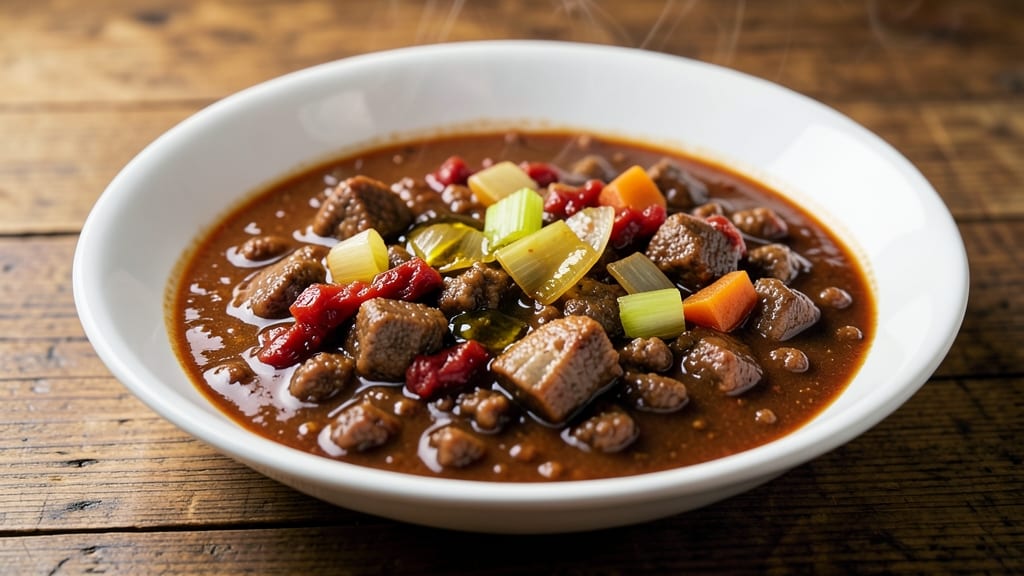
This Bolognese sauce recipe no wine delivers restaurant-quality depth without alcohol, using a slow-simmered blend of ground meat, tomatoes, and aromatic herbs. The secret lies in caramelizing onions and garlic until deeply golden, then building layers of umami through toasted spices and rich tomato paste before adding crushed tomatoes.
What makes this version work is the patience—letting the sauce develop over 2+ hours creates a velvety texture and balanced flavors that cling perfectly to pasta.
The foundation starts with quality ground beef and pork (or all-beef for a leaner option), browned thoroughly to develop meaty depth. Aromatics like celery and carrot add natural sweetness, while herbs—thyme, bay leaf, and parsley—infuse subtle earthiness.
The sauce thickens naturally as it simmers, creating a silky, clingy consistency that coats every noodle without being heavy.
What sets this apart is how it achieves wine-like acidity and complexity without alcohol—using a splash of red wine vinegar and a pinch of sugar to brighten the tomatoes.
The result is a sauce that’s rich yet balanced, with a smooth finish that’s perfect for pasta, lasagna, or even stuffed vegetables. It keeps beautifully in the fridge for 5 days or freezes for 3 months, making it ideal for meal prep.
For best results, let the sauce rest for 30 minutes after cooking—this allows flavors to meld and the texture to thicken further. Serve over al dente pasta, sprinkled with fresh basil and grated Parmesan, or use it as a hearty filling for ravioli.
The technique is straightforward, but the patience pays off in a sauce that tastes like it simmered all day.
Ingredients for bolognese sauce recipe no wine
Quality ground meat, aromatic vegetables, and patient simmering create this umami-rich sauce without alcohol.
| Ingredient | Amount | Notes |
|---|---|---|
| Ground Beef and Pork Blend 🥩 | 1 ½ lb | 80/20 fat ratio preferred |
| Yellow Onions 🧅 | 2 whole | Medium size, finely diced |
| Carrots 🥕 | 2 whole | Medium size, finely diced |
| Celery Stalks 🌿 | 2 whole | Finely diced, leafy parts trimmed |
| Garlic Cloves 🧄 | 4 cloves | Peeled, minced |
| Tomato Paste 🍅 | ½ cup | San Marzano preferred |
| Crushed Tomatoes 🍅 | 2 cups | High-quality canned |
| Red Wine Vinegar 🍷 | 1 tbsp | For acidity balance |
| Granulated Sugar 🍚 | 1 tsp | Adjusts tomato sweetness |
| Dried Thyme 🌿 | 1 tsp | Or 1 tbsp fresh |
| Bay Leaves 🌿 | 2 whole | Removed before serving |
| Fresh Parsley 🌿 | ¼ cup | Chopped, for finishing |
| Extra-Virgin Olive Oil 🫒 | ½ cup | For initial cooking |
| Kosher Salt 🧂 | 1 ½ tsp | Diamond Crystal preferred |
| Freshly Ground Black Pepper 🌶️ | ½ tsp | For finishing |
The meat blend is critical—80/20 fat ratio ensures juiciness and richness during the long simmer. Costco or Whole Foods carry excellent pre-mixed beef/pork blends, but any local butcher can combine them for you. For the vegetables, freshly diced onions, carrots, and celery form the sofrito base; Trader Joe's sells pre-diced versions if you're short on time. Garlic should be minced, not pressed—it releases more flavor. The tomato paste? San Marzano is worth the splurge for its sweet, consistent quality, though any high-quality brand works.
No fresh thyme? Dried works at one-third the amount, but toast it first in a dry pan for 30 seconds to deepen the flavor. Short on bay leaves? Two sprigs of fresh thyme substitute beautifully. The red wine vinegar mimics wine's acidity—substitute with balsamic vinegar if needed, though the flavor profile shifts slightly. For the tomatoes, crushed or whole San Marzano are ideal; avoid brands with added salt. The sugar isn't sweetening—it's balancing the acidity of the tomatoes and vinegar, creating that perfect wine-like harmony without alcohol.
This sauce develops over time, so plan ahead. It thickens as it cools, so add a splash of water or broth if it becomes too stiff after resting. Store in an airtight container in the fridge for 5-7 days—the flavors actually improve after the first day. For freezing, portion into 1-cup containers with a layer of olive oil on top to preserve color. Thaw overnight in the fridge and reheat gently on low heat, stirring occasionally to prevent separation. The parsley should be added fresh at the end—it brightens the sauce and adds a pop of color.
Why You'll Love This Recipe
- No Wine, No Problem: The rich, deep flavor comes from slow-cooked onions, carrots, and celery—what I call the "holy trinity" of bolognese—caramelizing into sweet, savory perfection without needing wine. Honestly, the pork-beef blend adds that melt-in-your-mouth texture that makes it worth the wait.
- One-Pot Magic: Dice the veggies roughly, brown the meat, and toss it all in one pot. Between us, I’ve made this while scrolling through emails—minimal chopping, no extra bowls, and still tastes like it simmered all day. That’s the kind of recipe that lets you multitask like a boss.
- Leftovers That Shine: This sauce only gets better the next day. I freeze half for lazy Mondays, and it reheats like it was just made. (Yes, even on a Tuesday night when you’re too tired to cook.)
- Budget-Friendly Luxury: Ground beef and pork blend stretch further than you’d think, and the onions, carrots, and celery bulk it up without breaking the bank. It’s the kind of meal that makes frugal nights feel indulgent—no fancy ingredients, just pure, satisfying flavor.
Step-by-step instructions for Bolognese sauce without wine
This method delivers deep umami flavor through precise technique and ingredient balance.
Develop the Sofritto Base
Heat the 0.5 cup extra-virgin olive oil in a large Dutch oven over medium-low heat. Add the 2 whole finely diced yellow onions, 2 whole finely diced carrots, and 2 whole finely diced celery stalks. Cook for 15-20 minutes, stirring occasionally, until the vegetables soften and begin to caramelize, releasing their natural sweetness.
This slow cooking process is crucial—it builds the sauce's foundation by extracting maximum flavor from the vegetables. You'll know they're ready when they're tender enough to crush between your fingers but haven't yet turned brown. The reason we use medium-low heat is that high heat would burn the vegetables before they render properly, creating bitter flavors instead of sweet, caramelized depth.
Brown the Meat and Add Aromatics
Increase heat to medium-high and add the 1.5 lb ground beef and pork blend, breaking it up with a wooden spoon. Cook for 8-10 minutes, stirring frequently, until the meat loses its raw color and develops a deep brown crust. This browning creates the Maillard reaction, which is essential for developing the sauce's rich, complex flavor.
Once the meat is browned, reduce heat to medium-low again and add the 4 minced garlic cloves, 1 tsp dried thyme, and 2 whole bay leaves. Stir for 1 minute until the garlic becomes fragrant but doesn't burn. The garlic should smell sweet and pungent—if it starts to smell harsh, you've cooked it too long. This is the moment that matters: properly browned meat and just-fragrant garlic form the flavor backbone of the sauce.
Build the Tomato Foundation
Stir in the 0.5 cup tomato paste and cook for 2 minutes to toast its flavors. Then add the 2 cups crushed tomatoes, 1 tbsp red wine vinegar, 1 tsp granulated sugar, 1.5 tsp kosher salt, and 0.5 tsp freshly ground black pepper. The vinegar and sugar work together to balance the acidity of the tomatoes while enhancing their natural sweetness.
Bring the mixture to a gentle simmer and reduce heat to low. The sauce should bubble softly—this low-and-slow approach prevents the tomatoes from breaking down too quickly and losing their texture. Let it simmer uncovered for 45-60 minutes, stirring occasionally, until it thickens significantly and coats the back of a spoon. This long simmer develops the sauce's depth by allowing flavors to meld and intensify.
Finish and Adjust Seasoning
Remove the 2 whole bay leaves and stir in the 0.25 cup chopped fresh parsley. Taste the sauce and adjust seasoning if needed—this is where you can fine-tune the balance between acidity, sweetness, and saltiness. The sauce should be rich and flavorful but not overpowering. If it's too acidic, add a pinch more sugar. If it's too bland, add a bit more salt or a splash of water to loosen it.
For best results, let the sauce rest for 15-20 minutes before serving. This resting period allows the flavors to continue developing and the sauce to thicken slightly. The texture should be velvety with just enough body to cling beautifully to pasta. Serve immediately over al dente pasta with grated Parmesan cheese for a classic presentation that highlights all the umami-rich flavors you've built through careful technique.
Pro Tips For Making Bolognese Sauce Recipe No Wine
- Sweat, Don’t Sauté: The onions, carrots, and celery (your "soffritto") need to break down into a paste, not just brown. Use a wide pan and keep the heat medium-low—if it’s sizzling, you’re cooking too fast. After 10 minutes, stir in a splash of water or broth, cover, and let it steam for another 5. This builds flavor without burning.
- Brown the Meat First: Skip the "raw meat in sauce" shortcut. Drain the meat after browning—fat is flavor, but too much makes the sauce greasy. Work in batches if needed, and don’t overcrowd the pan. The crust that forms? That’s where the depth of flavor hides.
- Salt the Meat Before Browning: I used to add salt after cooking, and the meat always tasted bland. Season the ground beef-pork mix generously (about 1 tsp salt per pound) before browning—it crisps better, holds moisture, and tastes richer. Yes, even if the recipe doesn’t say it.
- Deglaze with Tomato Paste: After browning the meat, don’t just toss in the sauce. Scrape up those browned bits with 2 tbsp tomato paste and a splash of water first. Let it bubble for 2 minutes—this thickens the sauce naturally and cuts the cooking time later. (Your future self will notice the difference.)
Common mistakes when making great bolognese sauce recipe no wine
Rushing the Simmer
One of the biggest mistakes is rushing the simmering process. Bolognese sauce needs that low-and-slow cook to develop its deep flavors—skipping this step results in a thin, bland sauce.
I’ve seen people crank the heat up to save time, but this causes the tomatoes to break down too quickly, losing their texture and flavor. Instead, maintain a gentle simmer for at least 45 minutes—this is where the magic happens. 🌡️
Skipping the Meat Browning
Never skip browning the meat thoroughly! The Maillard reaction that occurs during browning creates complex flavors that can’t be replicated by just cooking the meat. If you undercook the meat, your sauce will taste raw and one-dimensional.
Break up the meat with a wooden spoon and cook it until it’s deeply browned—this step is non-negotiable for a rich, flavorful Bolognese. 🥩
Ignoring the Sofritto Base
The sofritto (onions, carrots, celery) is the flavor foundation of your sauce. Skipping it or cooking it too quickly robs your Bolognese of its natural sweetness and depth. These vegetables need to caramelize slowly over 15-20 minutes on medium-low heat.
If you rush this step, you’ll end up with a bitter, underdeveloped sauce. Trust me, patience here pays off big time. 🧅
Overloading the Pot
Using a pot that’s too small can lead to a greasy, unevenly cooked sauce. The meat and vegetables need space to release their juices and flavors properly.
I always use a large Dutch oven for this recipe—it gives everything room to breathe and prevents the sauce from becoming too thick too quickly. If your pot is too small, you’ll end up stirring a greasy mess instead of a silky sauce. ⚡
Not Balancing Acidity
The red wine vinegar and sugar are crucial for balancing the acidity in your sauce. Without them, the tomatoes can taste overly sharp or flat. If you skip these ingredients or use them sparingly, your sauce might lack that perfect harmony of flavors.
Taste as you go—this is where you fine-tune the balance between sweet, sour, and umami. A little goes a long way! 🍚
Stirring Too Frequently
Constant stirring can break down the meat and vegetables, turning your sauce into a mushy mess. Once the sauce is simmering, stir only every 10-15 minutes to let the flavors develop naturally.
Over-stirring also prevents the sauce from thickening properly. Let it work its magic—you’ll get a smoother, more cohesive texture. 💫
Nutrition facts
Frequently asked questions
Can I substitute beef with another protein?
Yes! For a leaner option, use all ground turkey or chicken thigh, but increase simmering time to 60-90 minutes to develop flavor. For richness, try ground pork (80% lean) or a mix with Italian sausage (remove casings). Venison or lamb work too, but adjust salt accordingly. The key is thorough browning to build depth.
Why does my sauce turn out thin?
Thin sauce usually means insufficient simmering time or too much liquid. Always cook uncovered on low heat for 2+ hours—the sauce thickens as it cools. If still thin, simmer uncovered for 10-15 more minutes or stir in 1 tbsp tomato paste to thicken naturally. Avoid adding flour or cornstarch, which can make it taste heavy.
How can I make this sauce kid-friendly?
Blend the finished sauce until smooth to remove visible meat pieces, then strain through a fine-mesh sieve. Reduce salt to 0.5 tsp and omit garlic if needed. For extra mildness, add 1 tsp honey to balance acidity. Serve with buttered pasta and a sprinkle of Parmesan—kids love the creamy texture!
Can I make this in an Instant Pot?
Yes, but with adjustments! Sauté veggies for 5 minutes, brown meat for 3 minutes, then add remaining ingredients. Pressure cook on high for 20 minutes, then natural release for 10 minutes. The sauce will be thinner—simmer uncovered for 15 minutes afterward to thicken. The Instant Pot speeds up cooking but sacrifices some depth.
What's the best pasta to pair with this sauce?
Choose medium-width noodles like fettuccine, pappardelle, or rigatoni—they hold sauce well without becoming soggy. For extra texture, try bucatini or penne. Avoid thin spaghetti (it overcooks) or wide lasagna noodles (they absorb too much). Always cook pasta al dente (1 minute less than package says) to prevent a mushy finish.