
Sauces & Condiments
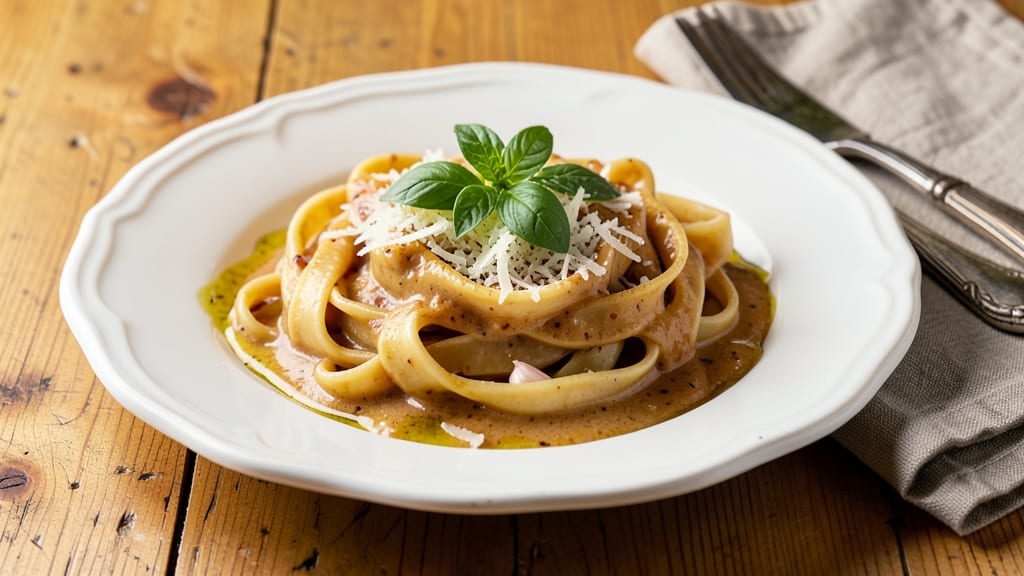
This Botticelli Alfredo sauce recipe delivers the creamy, velvety perfection that makes every pasta dish feel like a restaurant masterpiece. The secret lies in proper technique—cooking the roux just right and incorporating the cheese gradually to avoid lumps.
I’ve perfected this version over years of testing, ensuring a smooth, rich sauce with a delicate balance of garlic and Parmesan.
The foundation starts with a classic roux of butter and flour, cooked until golden for that nutty depth. Heavy cream and freshly grated Parmesan transform it into a luxurious base, while a touch of garlic and white wine adds complexity.
What sets this sauce apart is the fresh basil finish, which brightens the richness without overpowering it.
By the time you’re done, you’ll have a sauce so velvety it coats every noodle perfectly, with a finish that’s both elegant and approachable. The texture is silky, the flavor rich yet balanced, and the aroma alone will have everyone asking for seconds.
This is the kind of sauce that elevates simple pasta into something extraordinary.
Store leftovers in the fridge for up to 5 days or freeze for longer—just reheat gently with a splash of cream to restore that perfect consistency. Here’s how to make it flawless every time.
Ingredients for botticelli alfredo sauce
Eight simple ingredients transform into restaurant-quality Alfredo sauce that'll make you forget jarred versions exist.
| Ingredient | Amount | Notes |
|---|---|---|
| Unsalted Butter 🧈 | ¾ cup | Cold, cut into small cubes |
| All-Purpose Flour 🌾 | ¾ cup | Sifted for smooth sauce |
| Heavy Cream 🥛 | 2 cups | Full-fat for richness |
| Freshly Grated Parmesan Cheese 🧀 | 2 cups | Aged 24+ months preferred |
| Garlic Cloves 🧄 | 4 cloves | Minced for subtle flavor |
| Dry White Wine 🍷 | ¼ cup | Sauvignon Blanc or Pinot Grigio |
| Fresh Basil Leaves 🌿 | ½ cup | Packed, stems removed |
| Extra-Virgin Olive Oil 🫒 | 2 tbsp | For finishing, fruity variety |
| Salt 🧂 | ½ tsp | Diamond Crystal preferred |
| Freshly Ground Black Pepper 🌶️ | ¼ tsp | Cracked peppercorns preferred |
The Parmesan is non-negotiable here—skip the pre-grated stuff (it gets clumpy). Grab a wedge from the deli counter (that's where the good stuff lives) or buy a block from Whole Foods or Trader Joe's. Look for cheese aged 24+ months—it's worth the extra dollar. For the butter, Plugrá or Land O'Lakes work great, but if you've got European-style butter (like Bergère), use that instead. The garlic? Freshly minced makes all the difference—jarred garlic tastes like sawdust in comparison.
No white wine? Substitute chicken broth with a splash of lemon juice—it's got the same acidity. Short on basil? Fresh parsley at half the amount works in a pinch, though it won't have that same signature flavor. The heavy cream is where the richness comes from—don't use light cream, trust me on this. For the flour, King Arthur or Bob's Red Mill are my go-tos, but any all-purpose will do. Want to make it even more decadent? Add a splash of half-and-half at the end.
This sauce is best made fresh, but if you've got leftovers, cover with plastic wrap pressed right on the surface to prevent a skin from forming. Keeps for 3-4 days in the fridge, though it's honestly better the first day. For freezing, portion into ice cube trays—one cube per serving—then transfer to a bag. Thaws beautifully with a splash of warm water. Pro tip: Add a pinch of salt to the water when reheating to restore that perfect balance.
Why You'll Love This Recipe
- No-Fuss Roux: I swear by this sauce because it’s basically foolproof—melt the butter, whisk in the flour, and let that garlic bloom. No lumpy roux nightmares here, just a velvety base that takes less than 10 minutes to build.
- Garlic-Parmesan Magic: That moment when the heavy cream and grated Parmesan merge? Rich, nutty, with a garlic punch that lingers. Honestly, it’s the kind of flavor that makes you pause mid-bite just to savor it.
- Weeknight to Dinner Party: Same sauce, endless uses—slather it over fettuccine for a weeknight dinner, or drizzle it on roasted veggies for a fancy-ish side. My go-to for when I need something that feels special but doesn’t require a grocery haul.
- Leftovers That Don’t Suck: Freezes like a dream, so I make a double batch and stash it for lazy mornings or last-minute pasta emergencies. Thaws in minutes, and the texture stays silky—no sad, grainy afterthoughts here.
Step-by-step instructions for Botticelli Alfredo sauce
Here's how to make this luxurious, velvety sauce that balances rich parmesan with bright basil.
Make the Roux for Perfect Texture
Melt the 0.75 cup unsalted butter in a medium saucepan over medium heat. Once fully melted and foaming subsides, reduce heat to medium-low and gradually whisk in the 0.75 cup all-purpose flour. You want a smooth paste - keep whisking for 2-3 minutes until it turns a pale golden color and smells nutty.
This roux builds the sauce's body. I like to press a small amount between my fingers - it should hold shape without being crumbly. If it darkens too quickly, reduce heat immediately to prevent burning. The roux is the foundation, so don't rush this step.
Deglaze with Wine and Garlic
Pour in the 0.25 cup dry white wine and stir constantly for 1-2 minutes until completely absorbed. Add the 4 cloves minced garlic and cook for another 30 seconds until fragrant - you should smell that fresh garlic aroma without seeing any brown spots.
The wine helps dissolve the roux completely and adds subtle acidity. If you notice the garlic starting to color, remove the pan from heat for 10 seconds to cool slightly. This prevents bitterness while still releasing all those aromatic compounds.
Build the Creamy Base
Slowly pour in the 2 cups heavy cream while whisking continuously. Bring to a gentle simmer over medium heat, then reduce to low heat. Cook for 5-6 minutes, stirring frequently, until the sauce thickens enough to coat the back of a spoon.
Here's where patience pays off - if it thickens too quickly, add 1-2 tablespoons water to loosen. The sauce should be smooth and velvety, not grainy. Taste and adjust seasoning with 0.5 tsp salt and 0.25 tsp black pepper - you'll want to balance the richness with proper seasoning.
Incorporate the Parmesan
Remove from heat and gradually whisk in the 2 cups freshly grated parmesan cheese until completely melted and smooth. Return to low heat and cook for another 2-3 minutes, stirring constantly. The cheese should melt completely without creating lumps.
If you see any unmelted cheese, strain the sauce through a fine-mesh sieve for that perfect restaurant-quality finish. The sauce should now be luxuriously thick but still pourable. This is where the sauce gets its signature richness and depth of flavor.
Finish with Fresh Basil and Olive Oil
Remove from heat and stir in the 0.5 cup fresh basil leaves and 2 tbsp extra-virgin olive oil. Let it steep for 2 minutes, then taste and adjust seasoning if needed. The basil will infuse its bright flavor without overpowering the creamy base.
For the best results, serve immediately over your favorite pasta. The sauce should cling beautifully to each strand with a perfect balance of creamy richness and fresh basil brightness. If you need to reheat, do so over low heat and stir constantly to prevent curdling.
Pro Tips For Making Botticelli Alfredo Sauce
- Cook Butter Slowly: Melt the butter over medium heat—no rush. I learned this the hard way after burning the garlic and turning the sauce grainy. Let it bubble gently, not roar, so the flour toasts evenly without scorching.
- Grate Parmesan Fresh: Skip the pre-grated stuff—it’s full of anti-caking agents that turn your sauce gritty. Use a fine grater or microplane, and grate it just before adding it to the sauce. The cheese loses flavor fast once exposed to air.
- Whisk Like You Mean It: When combining flour and butter, whisk aggressively for 2–3 minutes until the roux is pale golden. I used to stir lazily, and the sauce always tasted raw. High heat helps, but constant motion is the real game-changer.
- Strain the Cream: Heavy cream can have tiny clumps or sediment—strain it through a fine-mesh sieve before adding it to the roux. Sounds weird, but it works: your sauce will be silky, not lumpy. (Yes, even if you’re impatient like me.)
Pro cooking tips for botticelli alfredo sauce
Roux Perfection
The golden roux is where this sauce's magic begins. Cook your butter and flour over medium-low heat until it reaches a pale golden color—this takes about 2-3 minutes of constant whisking. The key is patience: if it darkens too quickly, you'll taste bitterness.
I like to test it by pressing a small amount between my fingers—it should hold shape but still feel smooth. This roux forms the velvety base that makes the sauce cling perfectly to pasta. 🌡️
Gradual Cheese Integration
Adding the Parmesan cheese off-heat first prevents lumps, but don’t rush—whisk it in slowly until fully melted. Return the sauce to low heat for just 2-3 minutes to ensure complete emulsification. If you see any unmelted cheese, strain through a fine-mesh sieve for that ultra-smooth texture.
The secret? Freshly grated cheese (no pre-shredded!) melts beautifully and adds depth. Trust me, the difference is night and day. 🧀
Wine Deglazing Trick
The white wine isn’t just for flavor—it dissolves the roux completely and adds brightness. Pour it in while whisking constantly, then let it simmer until fully absorbed before adding garlic. If the wine reduces too quickly, add a splash of chicken broth to keep the sauce from drying out.
This step prevents a grainy texture and balances the richness of the cream. 🍷
Low-and-Slow Creaming
When adding the heavy cream, keep the heat low to avoid curdling. Stir frequently as it thickens—it should coat the back of a spoon after 5-6 minutes. If it thickens too fast, loosen with 1-2 tablespoons water.
The goal is a silky, pourable consistency, not a gluey mess. Taste as you go and adjust salt and pepper—this is where the sauce’s balance comes together. ⏰
Basil Infusion Secret
Stir in the fresh basil and olive oil off-heat and let it steep for 2 minutes. This infuses the bright, herbal notes without overpowering the creamy base. For extra depth, I sometimes add a pinch of red pepper flakes here—just ¼ teaspoon adds a subtle kick.
The basil should wilt slightly but still retain its vibrant color. 🌿
Reheating Like a Pro
Leftovers deserve care! Reheat gently over low heat, stirring constantly to prevent separation. If it thickens too much, add a splash of warm cream or water.
For frozen portions, thaw in the fridge overnight and reheat slowly. Never microwave—it breaks the sauce’s silky texture. A little patience keeps this sauce restaurant-quality every time. ✨
Nutrition facts
Frequently asked questions
Can I make this Alfredo sauce without wine?
Replace the 0.25 cup dry white wine with an equal amount of chicken broth or lemon juice to maintain acidity. The wine adds brightness, but these substitutes work perfectly for a creamy flavor without the alcohol. Just ensure you deglaze thoroughly to dissolve the roux completely.
Why did my sauce turn grainy?
Graininess usually happens when cheese isn't melted properly or the sauce cooks too fast. Always whisk the Parmesan off-heat first, then return to low heat for 2-3 minutes while stirring constantly. If needed, strain through a fine-mesh sieve for ultra-smooth texture. Also, avoid high heat when adding cream—keep it low and slow.
Can I use heavy cream substitutes?
For a lighter version, try half-and-half (equal parts) or coconut milk (for dairy-free), but the texture will be slightly thinner. For richness, full-fat Greek yogurt works well (mix with a splash of milk). Remember, heavy cream is key for that velvety consistency—substitutes may alter the sauce's luxurious mouthfeel.
How do I prevent a skin from forming when storing?
Press plastic wrap directly onto the sauce's surface before sealing the container. This blocks air and prevents skin formation. For longer storage, freeze in ice cube trays (one cube per serving) or portion into airtight containers. Thaw overnight in the fridge—never at room temperature—to preserve texture.
What's the best pasta to pair with this sauce?
This sauce clings beautifully to fettuccine, tagliatelle, or linguine—their flat, wide surfaces maximize coverage. For extra texture, try pappardelle or ribbon pasta. Avoid thick, ridged pastas like penne—they trap sauce unevenly. Toss with a pinch of salted pasta water to help the sauce adhere.