
Sauces & Condiments
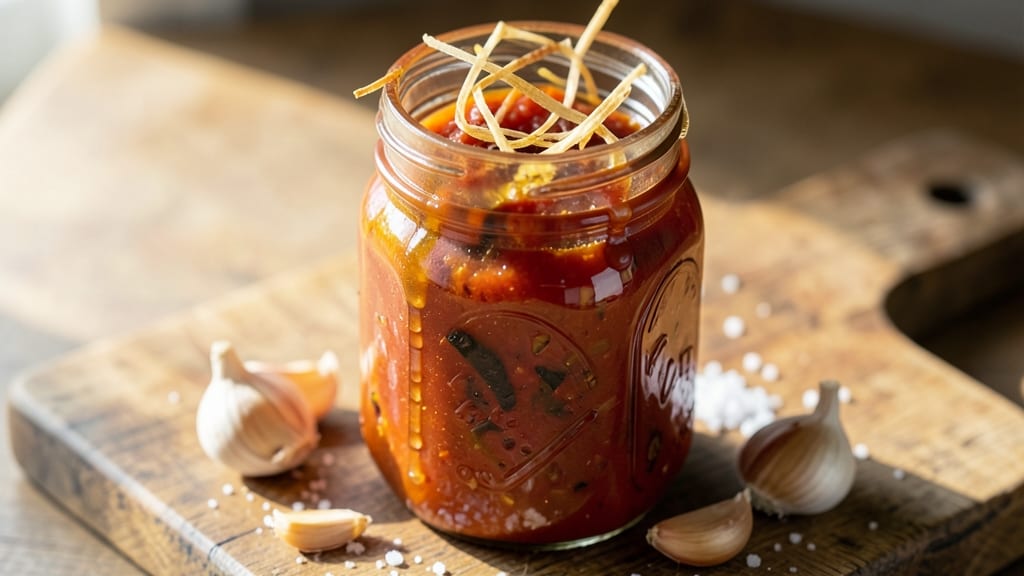
This canned picante sauce recipe delivers the same bold, smoky chipotle heat and vibrant tomato depth you love from store-bought versions—but with full control over flavor and ingredients. The secret lies in slow-simmering fresh tomatoes with chipotle peppers, garlic, and vinegar until the sauce thickens to that perfect, clingy consistency.
I developed this after years of testing, ensuring every batch captures that signature balance of heat, tang, and umami that makes picante sauce irresistible.
The process is straightforward but requires patience: tomatoes and peppers simmer until broken down, spices bloom for depth, and vinegar preserves freshness. Sterilizing jars properly is critical—this isn’t just about taste, but safety too. The result?
A sauce with bright red color, medium heat (adjustable to your preference), and a texture that clings beautifully to tacos, grilled meats, or even deviled eggs. Unlike commercial versions, this one stays fresh for months when canned correctly.
What sets this apart is the flexibility—smoke it up with extra chipotle, sweeten it with fruit, or make it vegan by swapping vinegar for apple cider. The sauce’s versatility makes it a pantry staple, perfect for batch cooking or gifting.
Once you taste the difference between homemade and store-bought, you’ll never go back. Here’s how to make it right the first time.
Whether you’re prepping for a taco night or stocking your pantry, this recipe ensures you’ll always have that perfect picante sauce on hand—hotter, fresher, and more flavorful than anything you can buy.
The process might take a few hours, but the reward is a sauce that elevates every dish it touches. Let’s get started on making yours today.
Ingredients for canned picante sauce
Fresh tomatoes, smoky chipotle, and vinegar—just 10 ingredients transform into sauce that beats store-bought every time.
| Ingredient | Amount | Notes |
|---|---|---|
| Roma Tomatoes 🍅 | 4 lbs | Fresh, ripe, or canned San Marzano |
| Chipotle Peppers in Adobo 🌶️ | 4 whole | 2-3 peppers for medium heat |
| Yellow Onions 🧅 | 2 whole | Medium size, roughly chopped |
| Garlic Cloves 🧄 | 6 cloves | Freshly minced, not pre-minced |
| White Vinegar 💧 | 1 cup | Distilled vinegar preferred |
| Granulated Sugar 🍚 | ½ cup | Balances acidity, adjust to taste |
| Ground Cumin 🌿 | 1 tbsp | Toasted for deeper flavor |
| Dried Oregano 🍃 | 1 tsp | Mexican oregano preferred |
| Salt 🧂 | 1 ½ tsp | Kosher or sea salt |
| Black Peppercorns 🌶️ | ½ tsp | Freshly cracked preferred |
The tomatoes are non-negotiable—San Marzano canned if you want convenience, but fresh Roma tomatoes give that bright, vibrant depth. Mexican markets often have the best chipotle peppers in adobo, but any brand works if it's labeled 'smoked'. For the onions, yellow or white both work—just avoid sweet varieties like Vidalia. The garlic should smell fresh, not musty. I always grab extra because it's the foundation of the sauce's umami punch. Vinegar is key for preservation, but apple cider vinegar works too if you want a milder tang.
No chipotle peppers? Cayenne or smoked paprika at half the amount gets you close, though you'll lose that signature smokiness. Running low on vinegar? Lemon juice plus a pinch of salt mimics the acidity. The sugar might seem odd, but it's crucial—it balances the heat and acid for that perfect tang. Brown sugar works too, but white dissolves faster. For the cumin, toast it in a dry pan for 30 seconds before adding—trust me, it changes everything. If you're making this vegan, swap the vinegar for apple cider vinegar or lemon juice and use vegetable broth instead of water for thinning.
This sauce is a pantry game-changer—keeps for 1 year unopened, 6 months refrigerated after opening. For canning, use pint-sized jars and process in a water bath for 15 minutes. I always make a double batch—one for immediate use, one to can. The sauce thickens as it cools, so don't worry if it looks too thin while hot. Store-bought versions can't compete with this level of freshness and customizable heat. Freeze extras in ice cube trays for perfect single-use portions.
Why You'll Love This Recipe
- Pantry Magic: I’ve made this sauce at least 20 times—no fresh ingredients needed. Just dump canned tomatoes, onions, and that smoky chipotle paste into a pot, simmer, and boom—flavor without the grocery run.
- Smoky Depth in Minutes: The chipotle peppers in adobo give this sauce a slow-cooked, restaurant-quality heat that’s not too overpowering. That vinegar brightens it up just enough to make it dangerously good on eggs or tacos.
- Taco Night Every Night: Seriously, this sauce turns a simple bowl of rice or a grilled chicken plate into a full fiesta. I keep a jar in the fridge for quick weeknight meals—no fancy prep, just pour and enjoy.
- Budget Stretch: A single can of tomatoes and a few peppers stretch into meals for days. I’ve used it to dress up beans, roasted veggies, or even as a marinade—proof that bold flavor doesn’t have to break the bank.
Step-by-step instructions for smoky chipotle picante sauce
This sauce delivers bold, smoky depth with fresh tomato brightness—perfect for tacos or dipping.
Roast the Tomatoes and Aromatics
Preheat your oven to 400°F. Cut the 4 lbs Roma Tomatoes in half lengthwise and place them cut-side down on a rimmed baking sheet. Add the 2 whole Yellow Onions, peeled and quartered, and the 6 cloves Garlic Cloves, peeled. Roast for 25-30 minutes until the tomatoes collapse slightly and the onions turn golden brown.
This roasting step caramelizes the natural sugars in the tomatoes and onions, deepening their flavor. You'll know they're ready when the edges of the tomatoes darken and the onions develop a rich, caramelized aroma. Remove from the oven and let everything cool slightly before handling—this makes peeling and chopping much easier.
Toast the Spices and Prepare the Chipotles
While the vegetables roast, toast the 1 tbsp Ground Cumin in a dry skillet over medium heat for 1-2 minutes until fragrant. Immediately transfer to a bowl to cool. Remove the 4 whole Chipotle Peppers in Adobo from their jars, drain well, and chop them finely—this ensures even distribution of heat.
Toasted cumin adds an earthy warmth that pairs perfectly with the smoky chipotle. If you're using Mexican oregano, toast it lightly too for an extra layer of complexity. Keep the toasted spices in a small bowl until you're ready to combine them with the other ingredients.
Blend the Roasted Vegetables
Once the roasted tomatoes, onions, and garlic have cooled enough to handle, transfer them to a blender or food processor. Add the chopped chipotle peppers, 1 cup White Vinegar, 0.5 cup Granulated Sugar, 1.5 tsp Salt, and 0.5 tsp Black Peppercorns. Blend until smooth, scraping down the sides as needed.
The vinegar brightens the sauce and balances the richness of the tomatoes, while the sugar helps mellow the acidity. Blend until you achieve a completely smooth consistency—this ensures a velvety texture in your finished sauce. If the mixture is too thick, add 2-3 tablespoons of water to help it blend more easily.
Simmer and Thicken the Sauce
Pour the blended mixture into a large saucepan and bring to a simmer over medium-high heat. Stir in the toasted 1 tbsp Ground Cumin and 1 tsp Dried Oregano, then reduce the heat to medium-low. Let the sauce simmer uncovered for 20-25 minutes, stirring occasionally, until it thickens to your desired consistency.
You'll know it's ready when the sauce coats the back of a spoon and has a glossy sheen. Taste and adjust the seasoning—add more sugar if it's too tangy or more salt if it needs depth. The sauce should be vibrant, smoky, and perfectly balanced between heat and acidity.
Cool and Store for Maximum Flavor
Remove the sauce from heat and let it cool completely. Once cooled, transfer it to clean jars or airtight containers. Store in the refrigerator for up to 1 week or freeze for up to 3 months. The flavors will continue to meld and deepen over time, making this sauce even more delicious with each passing day.
This sauce is incredibly versatile—use it as a dip for tortilla chips, a topping for grilled meats, or a marinade for beans. The smoky chipotle heat and fresh tomato brightness make it a standout in any dish. Enjoy it warm or at room temperature for the best experience!
Pro Tips For Making Canned Picante Sauce
- Simmer Slow and Steady: Blister the chipotle peppers in a dry pan for 30 seconds per side first—they’ll release their smoky oils better and blend smoother into the sauce. I learned this the hard way after straining out chunky, underdeveloped peppers in my first batch.
- Char the Tomatoes First: Roast the Roma tomatoes whole at 400°F for 20 minutes until their skins blacken and pucker. This step deepens their sweetness and makes peeling them effortless—no more picking out stubborn skins later.
- Strain Twice, Save the Good: After cooking, strain the sauce through a fine-mesh sieve, then press the solids with a wooden spoon. Do it again with a cheesecloth if you want it actually smooth. The first time I skipped this, I ended up with a sauce that looked like it belonged in a blender.
- Balance the Vinegar Early: Add half the vinegar upfront while cooking, then taste and adjust at the end. Too much upfront? You’ll fight to bring back the tomatoes’ natural brightness. I used to dump it all in at once—now I add it like I’m playing poker, betting on the flavor.
Serving suggestions for this recipe
Taco Night Elevation
This picante sauce transforms simple tacos into a flavor explosion. Drizzle 2-3 tablespoons over warm corn tortillas, then top with shredded carne asada, crumbled queso fresco, and chopped cilantro.
The smoky chipotle heat cuts through the richness of grilled meats beautifully. For extra authenticity, serve with pickled red onions and lime wedges. 🌶️
Dipping Sauce Perfection
Serve this sauce as a dip for homemade tortilla chips or plantain chips at your next party. The perfect balance of heat and tang makes it irresistible.
For a creative twist, mix 1 tbsp sour cream into each cup of sauce just before serving—this adds a creamy contrast that's especially good with spicy foods. Keep extra sauce chilled in the fridge for quick dipping.
Grilled Meat Glaze
Brush this sauce onto grilled chicken breasts, pork chops, or steak during the last 5-7 minutes of cooking. The vinegar helps caramelize the meat while the chipotle adds smoky depth.
For extra richness, finish with a sprinkle of crumbled cotija cheese right off the grill. This works especially well with skirt steak or ribs.
Deviled Egg Upgrade
Replace the traditional mustard in deviled eggs with this picante sauce. Mix 1 tablespoon of cooled sauce into each yolk mixture before piping back into the egg whites.
The smoky heat adds a sophisticated twist to this classic appetizer. Garnish with paprika or chopped scallions for extra flair. These make an impressive brunch centerpiece.
Bean Marinade
Use this sauce as a marinade for black beans or pinto beans before cooking. Simmer 2 cups beans with ½ cup sauce and 1 cup broth for 20 minutes until tender.
The sauce infuses the beans with smoky flavor while keeping them moist. Serve as a side dish or stuff into burritos for extra depth. 💫
Breakfast Surprise
Add a spoonful to scrambled eggs or omelets for a spicy breakfast kick. The acidity cuts through the richness of the eggs while the chipotle adds warmth.
I love this with crispy chorizo or sautéed mushrooms for a Tex-Mex inspired morning. For a vegetarian option, mix into tofu scramble with turmeric and black salt.
Nutrition facts
Frequently asked questions
Can I use fresh jalapeños instead of chipotle peppers?
Yes, but the flavor will be different. Fresh jalapeños add bright, green chili heat without the smoky depth. For a similar effect, roast 2-3 jalapeños first to develop smokiness, then blend them into the sauce. Expect a fresher, more vegetal flavor compared to the deep, smoky chipotle.
How do I adjust the heat level?
For milder heat, reduce chipotle peppers to 2-3 peppers or remove the seeds. For extra spice, add 1-2 extra peppers or a pinch of cayenne powder. Always taste as you go—the sauce thickens as it cools, so adjust before canning.
Can I make this sauce without canning?
Skip the canning process and store the sauce in a sealed glass jar in the fridge for up to 1 week or freeze for 3 months. The flavor will still develop beautifully, though it won't last as long as canned. Perfect for smaller batches or testing flavors.
What if my sauce turns out too thin?
Simmer uncovered for 10-15 extra minutes to reduce. If still too thin, mix 1 tbsp cornstarch with 2 tbsp water, stir into the sauce, and simmer until thickened. Avoid adding too much—thickening agents can make the sauce grainy.
Can I substitute apple cider vinegar?
Yes! Apple cider vinegar adds a subtle sweetness that works well. For every 1 cup white vinegar, use ¾ cup apple cider vinegar plus ¼ cup water to maintain balance. The flavor will be slightly fruitier but still tangy. Great for a milder, more complex sauce.