
Sauces & Condiments
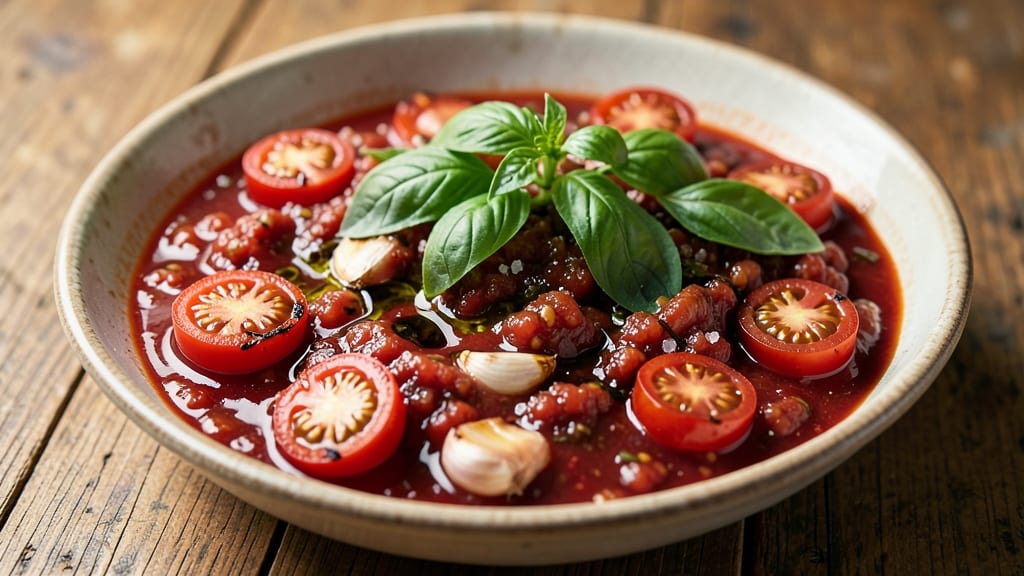
This chunky tomato sauce recipe transforms fresh garden tomatoes into a vibrant, textured condiment without a blender in sight. 🌱 Growing up in Nana Mae's Atlanta diner, I learned that the secret to restaurant-quality tomato sauce lies in patience and technique—not shortcuts.
The key is simmering whole tomatoes until they burst naturally, creating a rich, jammy consistency that's perfect for pasta, pizza, or dipping.
What sets this recipe apart is the balance of flavors—garlic, basil, and a touch of sugar enhance the tomatoes' natural sweetness while keeping the sauce bright and fresh. No blender means you retain those beautiful tomato chunks that add texture and visual appeal.
The slow simmering process develops deep, complex flavors that store-bought sauces simply can't match.
By the time you're done, you'll have a batch of sauce that's thick enough to cling to noodles but still light enough to let the tomatoes shine. The aroma alone will have everyone asking what's for dinner.
This is the kind of sauce that transforms simple meals into something special—no fancy equipment required, just fresh ingredients and a little time.
Perfect for summer when tomatoes are at their peak, this sauce keeps well in the refrigerator for up to a week. Use it on pasta, as a pizza topping, or even as a dip for crusty bread. Let's get cooking!
Ingredients for chunky tomato sauce recipe with fresh tomatoes
Fresh tomatoes and simple pantry staples create this vibrant, restaurant-quality sauce without blending.
| Ingredient | Amount | Notes |
|---|---|---|
| Fresh Tomatoes 🍅 | 4 lbs | Ripe, firm, and colorful |
| Garlic Cloves 🧄 | 6 cloves | Peeled and lightly crushed |
| Fresh Basil Leaves 🌿 | 1 cup | Packed, stems removed |
| Extra-Virgin Olive Oil 🫒 | ½ cup | High-quality, fruity variety |
| Granulated Sugar 🍯 | 1 tbsp | Balances acidity naturally |
| Red Wine Vinegar 🍷 | 1 tbsp | Brightens tomato flavor |
| Salt 🧂 | 1 tsp | Diamond Crystal preferred |
| Black Peppercorns 🌶️ | ½ tsp | Freshly cracked preferred |
| Red Pepper Flakes 🔥 | ½ tsp | Optional for heat |
Tomatoes are the star—look for heirloom or vine-ripened varieties at farmers markets or specialty grocers like Whole Foods for maximum flavor. San Marzano tomatoes are ideal if available, but any ripe, firm tomatoes work. The garlic should be plump and fresh—Peel's brand is my go-to for convenience. Fresh basil is non-negotiable here; dried won't give you that same bright flavor. For olive oil, California Extra Virgin brands like Corto or Lucini elevate the dish without overpowering.
No fresh basil? Dried oregano at one-third the amount works, but it won't be the same. Running low on red wine vinegar? Balsamic vinegar or lemon juice can substitute, though the flavor will shift slightly. Want to skip the red pepper flakes? Cayenne at half the amount adds heat without changing the texture. The sugar is key—it's not about sweetness but balancing the tomatoes' natural acidity. If you're using tart tomatoes, you might need an extra half teaspoon.
This sauce tastes even better the next day as flavors meld. Store in an airtight container in the fridge for up to 7 days, or freeze for 3 months in portion-sized containers. I like to freeze it in 1-cup portions for easy use on pasta or pizza. The texture will change slightly when reheated, but the flavor remains rich and vibrant—perfect for transforming simple meals into something special.
Why You'll Love This Recipe
- No-Chop Necessary: I’ll be real—this sauce wins because you barely need a knife. Roughly chop tomatoes (or just halve them) and let the immersion blender or fork do the work. The texture stays chunky and vibrant, but the effort? Minimal.
- Sunshine in a Jar: That first taste of fresh basil and garlic simmered in olive oil? It’s like summer in a bowl. The sugar just balances the acidity—no bitterness, just bright, juicy flavor that clings to every bite. Honestly, store-bought sauce can’t compete.
- Pasta’s Best Friend: Use it tonight for spaghetti, freeze half for next month’s lasagna, or drizzle it over grilled chicken. It’s the kind of sauce that makes lazy weeknights feel like a restaurant meal. (Yes, even on a Tuesday night.)
- Budget Magic: A handful of tomatoes and a few cloves of garlic stretch into meals for days. No fancy ingredients—just what’s already in your pantry. Plus, the leftovers? Even better the next day when the flavors meld. My wallet and freezer both thank me.
Step-by-step instructions for chunky fresh tomato sauce
Here's how to transform garden-fresh tomatoes into a vibrant, rustic sauce without a blender.
🍳 Step 1: Prep and Sear the Tomatoes
Preheat your largest pot over medium-high heat and add the 0.5 cup extra-virgin olive oil. Once shimmering, add the 4 lbs fresh tomatoes cut into 1-inch chunks (leave skins on for texture). Cook undisturbed for 5-7 minutes until the edges begin to brown and release their juices.
This initial searing develops deep flavor by caramelizing the tomato sugars. Stir occasionally, but let them develop that golden crust first. You'll know it's working when you see little brown spots forming on the bottom of the pot—this is where the magic happens.
👨🍳 Step 2: Add Aromatics and Simmer
Push the tomatoes to one side of the pot and add the 6 cloves lightly crushed garlic cloves to the empty space. Cook for 30 seconds until fragrant but not browned. Then add the 1 tbsp granulated sugar, 1 tbsp red wine vinegar, 1 tsp salt, and 0.5 tsp black peppercorns.
Stir everything together and let it simmer uncovered for 15-20 minutes until the tomatoes break down slightly but still maintain their chunky texture. You're looking for a sauce that coats the back of a spoon but still has visible tomato pieces. If it looks too thick, add ¼ cup water to loosen it.
🥘 Step 3: Finish with Fresh Herbs
Reduce heat to low and stir in the 1 cup fresh basil leaves (packed) and 0.5 tsp red pepper flakes. Cook for just 1-2 minutes—just enough to wilt the basil slightly while preserving its vibrant color. Remove from heat immediately to prevent overcooking.
Taste and adjust seasoning—you might need a pinch more salt or a splash more vinegar to balance the sweetness. The sauce should be bright, tangy, and full of fresh tomato flavor with visible chunks throughout. Let it rest for 5 minutes before serving to allow flavors to meld.
⏰ Step 4: Serve Immediately or Store Properly
Serve the sauce warm over pasta, drizzled with additional extra-virgin olive oil, or use as a vibrant topping for bruschetta. For storage, transfer to airtight containers and refrigerate for up to 5 days. The flavors actually improve overnight as the tomatoes continue to break down slightly.
This sauce works best when used fresh, but if you need to reheat, do so gently over low heat with a splash of water to prevent scorching. The chunky texture is what makes this sauce special—each bite delivers fresh tomato flavor with beautiful color and texture.
Pro Tips For Making Chunky Tomato Sauce Recipe With Fresh Tomatoes
- Char Tomatoes First: I learned this the hard way—skip the raw tomato dump. Sear whole tomatoes cut-side down in olive oil over medium-high heat for 3-4 minutes until blackened. That caramelized crust deepens the flavor and prevents a watery sauce. (Yes, even if you’re impatient like me.)
- Crush Garlic Lightly: Minced garlic burns fast and turns bitter. Instead, smash 3-4 cloves with the flat side of your knife, then let them sit in the oil for 30 seconds before adding tomatoes. This softens them gently without scorch—no bitter aftertaste, just mellow sweetness.
- Salt Early, Salt Again: Taste the sauce after 10 minutes and add salt—even if it seems early. Tomatoes release water as they cook, diluting flavor. A pinch of sugar (½ tsp) now balances acidity, but wait until the end to add basil. (Your future self will thank you.)
- Simmer, Don’t Boil: After adding tomatoes, lower heat to a bare simmer—tiny bubbles, not a rolling boil. High heat breaks down texture and makes the sauce mushy. Let it cook uncovered for 20-25 minutes, stirring occasionally, until thickened to your liking. (Does it look weird? Yes. Does it work? Every time.)
Creative variations of this dish
Southern-Style BBQ Sauce Twist
Transform this sauce into a smoky BBQ base by adding 1 tbsp smoked paprika and ½ cup tomato paste during the simmer. Swap the basil for 1 tsp dried thyme and finish with 1 tbsp apple cider vinegar instead of red wine vinegar.
This version works perfectly on pulled pork or grilled chicken—just simmer for an extra 10 minutes to develop deeper smoky notes. My Asheville farm-to-table days taught me that slow-cooked tomato bases are the secret to restaurant-quality BBQ. 🔥
Italian-Inspired Marinara
For a classic marinara, reduce the sugar to ½ tbsp and add 1 tsp dried oregano along with the basil. After the initial sear, stir in 2 crushed sun-dried tomatoes and ½ cup reserved tomato juice to keep it lighter.
This version pairs perfectly with spaghetti or as a pizza sauce base. I remember Nana Mae always saying, "Less is more with Italian flavors"—so don't overpower the tomatoes with too many herbs. ✨
Spicy Arrabbiata Upgrade
Turn up the heat by adding 1-2 tbsp Calabrian chili paste (depending on your heat tolerance) during the final simmer. Keep the basil but add ½ tsp crushed fennel seeds for depth. This spicy version works beautifully with rigatoni or as a dipping sauce for crusty bread.
The key is balancing the heat with enough acidity—add a splash more red wine vinegar if needed. My Austin test kitchen loves this fiery twist on classic tomato sauce. 🌶️
Herb-Forward Salsa Verde
For a bright, herbaceous salsa verde, replace half the tomatoes with 1 lb zucchini (peeled and diced) and add ½ cup fresh parsley along with the basil. Use lemon juice instead of vinegar and finish with 2 tbsp capers for briny contrast.
This version works as a pasta sauce or dip—perfect for summer when zucchini is abundant. I developed this variation during my Charleston days when I wanted something lighter but still packed with flavor. 💫
Sweet and Tangy Pizza Sauce
Create a pizza sauce version by adding 1 tbsp honey along with the sugar and 1 tsp dried rosemary during the simmer. After cooking, stir in 2 tbsp tomato paste to thicken it slightly.
This sweet-tangy sauce is perfect for homemade pizza—just spread it thinly on the dough before adding cheese. The honey balances the acidity beautifully, and the rosemary adds an unexpected depth that pizza lovers will appreciate. 🍕
Roasted Garlic Variation
For an extra-rich version, replace the raw garlic with 4 cloves roasted garlic (peeled after roasting). Add ½ tsp ground coriander during the simmer for warmth. This deeper, nuttier flavor works wonderfully with grilled meats or as a dip for warm pita bread.
Roasting the garlic mellows its sharpness while adding incredible complexity—something I learned from my time working in high-end kitchens. 🧄
Nutrition facts
Frequently asked questions
Can I use canned tomatoes instead of fresh?
Fresh tomatoes give the best flavor and texture, but you can use canned if needed. Opt for high-quality crushed tomatoes (like San Marzano) and add ½ cup tomato paste to compensate for the missing freshness. Simmer the sauce 10-15 minutes longer to develop deeper flavor. The texture will be smoother, but the sauce will still be delicious.
How do I adjust the thickness of the sauce?
Start with 15-20 minutes of simmering for a medium consistency. For thicker sauce, simmer uncovered for 25-30 minutes or stir in 1 tbsp tomato paste at the end. Too thin? Add ¼ cup water gradually while stirring. The key is patience—let the tomatoes break down naturally for the best texture.
Why does my sauce taste too acidic?
This happens when tomatoes are overly ripe or vinegar dominates. Balance it by adding ½ tsp sugar or 1 tsp honey to sweeten, then taste again. For tart tomatoes, reduce vinegar to ½ tbsp and add ½ tsp baking soda (just a pinch!) to neutralize acidity. Always taste as you go—flavor builds gradually.
Can I make this sauce in a slow cooker?
Sauté the tomatoes and garlic first, then transfer everything to the slow cooker. Cook on low for 4-5 hours or high for 2-3 hours, stirring occasionally. The slow cooker intensifies flavors beautifully. Just add ¼ cup water if it gets too thick. Perfect for hands-off cooking during summer gatherings.
What's the best way to store leftovers?
Let the sauce cool completely, then store in an airtight container in the fridge for up to 5 days. For longer storage, freeze in 1-cup portions for 3 months. Thaw overnight in the fridge—never microwave directly from frozen. The flavors actually improve after resting overnight as the tomatoes meld.