
Sauces & Condiments
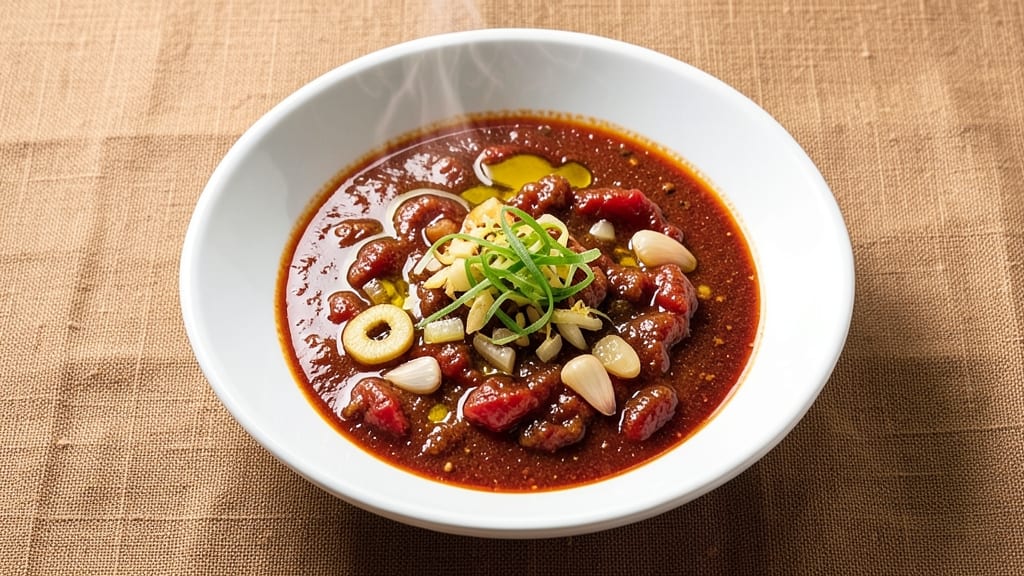
A rich tomato-based curry sauce without coconut milk delivers the same depth and warmth you crave, just with a different flavor profile.
This recipe builds layers of spice and umami using a simple blend of onions, garlic, ginger, and a carefully balanced spice mix—turmeric, cumin, coriander, and garam masala—that create that signature curry taste. The sauce thickens naturally as it simmers, creating a velvety consistency perfect for tossing with proteins or vegetables.
The secret to this sauce lies in the tomato base, which provides natural sweetness and acidity that cut through the spices while letting their flavors shine. A touch of yogurt or flour helps thicken the sauce just enough to coat ingredients beautifully without making it heavy.
Unlike coconut-based curries, this version stays lighter yet still delivers that warm, aromatic punch that makes every bite feel like a restaurant-quality meal.
This sauce is incredibly versatile—use it as a marinade for chicken or tofu, stir it into rice for a quick one-pot meal, or drizzle it over roasted vegetables.
It also stores well in the fridge for up to 5 days or freezes for 3 months, making it a perfect pantry staple for weeknight cooking. The best part? No coconut milk means no dairy or coconut allergens, but the richness and depth remain intact.
Ready in just 30 minutes, this recipe is designed for home cooks who want bold flavor without the fuss. The spices bloom beautifully in the onions, and the tomatoes caramelize slightly, adding a subtle sweetness that rounds out the heat.
Whether you're making a curry, stir-fry, or even a quick soup, this sauce will elevate your dish effortlessly.
Ingredients for curry sauce recipe without coconut milk
Tomatoes, spices, and a touch of yogurt—this sauce delivers restaurant-style curry flavor without coconut milk.
| Ingredient | Amount | Notes |
|---|---|---|
| Yellow Onions 🧅 | 1 ½ cups | Finely chopped, about 1 large |
| Garlic Cloves 🧄 | 8 cloves | Minced, or 2 tsp garlic powder |
| Fresh Ginger 🌿 | 1 tbsp | Finely grated, or 1 tsp ground ginger |
| Canned Crushed Tomatoes 🍅 | 2 cups | San Marzano preferred, no salt added |
| Ground Turmeric 🌶️ | 1 tsp | Freshly ground for best color |
| Ground Cumin 🌿 | 1 ½ tsp | Toasted for deeper flavor |
| Ground Coriander 🌶️ | 1 ½ tsp | Freshly ground preferred |
| Garam Masala 🌶️ | 1 tsp | Store-bought or homemade blend |
| Plain Yogurt 🥛 | ½ cup | Full-fat for creaminess, or flour |
| Extra-Virgin Olive Oil 🫒 | ¼ cup | For richness, not for cooking |
| Salt 🧂 | 1 tsp | Adjust to taste, kosher preferred |
| Black Pepper 🌶️ | ½ tsp | Freshly ground for best flavor |
| Water 💧 | ½ cup | For thinning if needed |
The tomatoes are the heart of this sauce, so San Marzano cans make all the difference—they're sweet, meaty, and consistently delicious. Trader Joe's and Whole Foods carry them, but any high-quality canned tomatoes work. Fresh ginger is ideal, but if you're using ground, double the amount for that bright kick. The onions should caramelize beautifully—don't rush this step. Yellow onions work best here, but red will add a subtle sweetness if you prefer. For garam masala, Madhur or Everest are reliable brands, but any blend with warm spices like cinnamon and cardamom will do.
No yogurt? Plain flour or cornstarch thickens just as well—use 1 tbsp to replace the 0.5 cup yogurt. Running low on garam masala? Mix 0.5 tsp each of cinnamon, cardamom, and cloves as a quick substitute. The olive oil is for finishing—don't cook with it, just stir it in at the end for that luxurious touch. If your sauce is too thick, water or vegetable broth thins it out beautifully. And if you're short on time, pre-minced garlic and ginger from the freezer aisle work in a pinch—just drain well.
This sauce keeps for 5 days in the fridge, and freezes perfectly for 3 months. I always make a double batch—one for dinner, one for lunches. Store it in a jar, and the flavors actually deepen over time. To reheat, just warm gently on the stove with a splash of water if it thickens. The sauce thickens further as it cools, so don't worry if it looks too loose right after making. And if you're using it as a marinade? Add 1 tbsp lemon juice to keep proteins tender.
Why You'll Love This Recipe
- Pantry-Friendly Magic: I swear by this sauce because it lives in my cupboard. No fresh herbs? No problem. Just crushed tomatoes, a pinch of turmeric, and that deep onion-ginger base—it’s the backbone you can always rely on.
- No Blender Needed: Between us, I’ve burned out my food processor on curries before. Here, you just dice onions, mince garlic, and grate ginger—no fine chopping, no purees. The sauce builds flavor right in the pot, slow and steady.
- Secret Weeknight Hero: Honestly, this is my "I don’t wanna cook but need dinner" sauce. Toss it with rice, stir into eggs, or dump it over roasted veggies—it’s the one sauce that makes lazy nights feel like a victory.
- Stretch Your Budget: A can of tomatoes and a few spices? That’s it. No coconut milk price tag here. I make a big batch, freeze half, and still have enough for lunches later—no wasted ingredients, just pure flavor economy.
Step-by-step instructions for rich tomato-based curry sauce
This aromatic tomato curry builds flavor layer by layer—let's create a velvety, spice-forward sauce without coconut milk.
Build the Spiced Tomato Base
Heat the 0.25 cup extra-virgin olive oil in a medium saucepan over medium heat. Add the 1.5 cups finely chopped yellow onions and cook for 5-6 minutes, stirring occasionally, until softened and translucent. You'll smell that sweet onion aroma developing—this is where the foundation of your sauce begins.
Add the 8 cloves minced garlic and 1 tbsp finely grated fresh ginger, cooking for another 2 minutes until fragrant. The garlic should turn golden without browning—this prevents bitterness. Immediately stir in the 1 tsp ground turmeric, 1.5 tsp ground cumin, and 1.5 tsp ground coriander, mixing for 30 seconds to toast the spices and release their essential oils.
Simmer the Tomato Mixture
Pour in the 2 cups canned crushed tomatoes and 1 tsp salt, stirring to combine. Bring the mixture to a gentle simmer, then reduce heat to low and let it cook uncovered for 20-25 minutes, stirring occasionally. You want the sauce to thicken and develop deep color—think rich, ruby-red with visible spice flecks. If it gets too thick before the 20-minute mark, add 1-2 tablespoons of water to maintain consistency.
Here's where the magic happens: the tomatoes break down, releasing their natural sweetness while concentrating the spices. You'll notice the sauce becoming glossy and slightly reduced—this is exactly what we want for that restaurant-quality texture.
Finish with Yogurt and Seasoning
Remove the pan from heat and stir in the 0.5 cup plain yogurt and 0.5 tsp black pepper. The yogurt will cool the sauce slightly and add a velvety richness. Return to low heat for 2-3 minutes, stirring constantly to prevent curdling. You're looking for a smooth, creamy consistency—if it's too thick, add the remaining 0.5 cup water gradually until you reach your desired texture.
Finally, stir in the 1 tsp garam masala, reserving a small amount for garnish. The garam masala adds that warm, complex finish that makes this sauce truly special. Taste and adjust seasoning—you might need a pinch more salt or a crack of black pepper to balance the flavors.
Rest and Serve
Let the sauce rest for 5-10 minutes off the heat. This resting period allows all the flavors to meld together perfectly. The sauce will continue to thicken slightly as it cools, so don't worry if it looks a bit looser while hot.
Serve immediately over rice, with grilled chicken, or drizzled over roasted vegetables. For extra richness, finish with a drizzle of the reserved olive oil and a sprinkle of garam masala. This sauce keeps well in the refrigerator for up to 5 days—it actually tastes better the next day as the flavors deepen!
Pro Tips For Making Curry Sauce Recipe Without Coconut Milk
- Sweat, Don’t Burn: Yellow onions release their sweetness when cooked low and slow—around 275°F (135°C) in a heavy pot. I used to rush this, and the onions turned bitter. Give them 8-10 minutes until translucent but not browned. (Yes, even if you’re impatient like me.)
- Grate, Don’t Mince Ginger: Fresh ginger loses its punch when minced—it oxidizes fast. Instead, grate it directly into the pot with the garlic. The tiny shreds cook faster and infuse the sauce more evenly. (Your future self will notice the difference.)
- Stir in Tomatoes Gradually: Dump crushed tomatoes all at once, and the sauce will split or turn watery. Add half first, let it simmer 3-4 minutes, then stir in the rest. This thickens the base without needing extra starch. (I learned this after three lumpy batches.)
- Bloom the Turmeric First: Toss ground turmeric into the pot before adding onions or garlic—let it sit for 30 seconds while you chop. This releases its earthy flavor instead of letting it hide in the background. (Sounds weird, but it works.)
Creative variations of curry sauce recipe without coconut milk
Spiced Tomato Variations
Swap San Marzano tomatoes for fire-roasted diced tomatoes to add a smoky depth that pairs beautifully with the spices. For a tangier twist, use 1 cup tomato paste mixed with 1 cup water instead of crushed tomatoes—this intensifies the umami.
I love adding 1 tbsp tomato paste at the end for extra richness, especially when serving with grilled meats. 🌶️
Protein-Packed Additions
Transform this sauce into a complete meal by adding 1 cup cooked lentils or ½ cup chickpeas during the final 5 minutes of simmering. For a meaty version, stir in 1 cup shredded rotisserie chicken or ½ lb ground turkey at the end.
The yogurt helps tenderize the proteins while keeping the sauce cohesive. 🍗
Heat Level Control
Adjust spice levels by swapping ½ tsp cayenne pepper for the black pepper to add heat, or use 1 tsp smoked paprika for a subtle smokiness. For a mild version, reduce the cumin to 1 tsp and omit the cayenne entirely.
I keep a small bowl of red pepper flakes on hand to let diners customize their heat. 🔥
Global Flavor Twists
For a Thai-inspired version, add 1 tsp lemongrass paste and ½ tsp galangal (or ginger) during the simmer. A Mediterranean twist uses ½ tsp dried oregano and ½ cup white wine instead of water. The yogurt keeps the sauce creamy while letting the global spices shine through. ✨
Vegan Adaptations
Replace the yogurt with 2 tbsp cornstarch mixed with 2 tbsp water to thicken the sauce while keeping it plant-based. Use coconut yogurt (just ¼ cup) if you want a dairy-free option that still adds richness. The sauce remains vibrant and flavorful without any animal products. 🌱
Storage Hacks
Store the sauce in glass jars with tight lids for up to 5 days in the fridge—glass preserves flavors better than plastic. For freezing, use silicone molds or ice cube trays for portion control.
Label with the date and reheat gently on the stove with a splash of water. The sauce thickens further when reheated, so add water as needed. ❄️
Nutrition facts
Frequently asked questions
Can I use fresh tomatoes instead of canned in this recipe?
Fresh tomatoes work but require extra prep! Peel, seed, and finely chop 4 large ripe tomatoes (about 2 cups chopped) to replace the canned version. Simmer them uncovered for 15 minutes first to break down their liquid, then proceed with the recipe. For best results, use a mix of sweet and slightly tart varieties like Roma and heirloom tomatoes.
How do I make this sauce thicker without yogurt?
For a dairy-free version, mix 2 tbsp cornstarch with 2 tbsp cold water to make a slurry, then stir it into the simmering sauce during the last 5 minutes of cooking. Alternatively, simmer uncovered for 5-10 extra minutes to reduce naturally. If using flour, whisk 1 tbsp flour with 2 tbsp water first to avoid lumps.
What's the best way to reheat this sauce?
Gently reheat on the stove over low heat with 1-2 tbsp water or broth to prevent scorching. If it thickens too much, stir in a splash of liquid. Never microwave directly—it can make the yogurt separate. For frozen portions, thaw overnight in the fridge first, then reheat slowly on low heat while stirring constantly.
Can I make this sauce in an Instant Pot?
Sauté onions, garlic, and spices for 3 minutes on "Sauté" mode, then add tomatoes and salt. Seal the lid and cook on High Pressure for 5 minutes, followed by a 10-minute natural release. Finish by stirring in yogurt and garam masala. The Instant Pot version cooks 30% faster but may need slightly more water to adjust consistency.
Why does my sauce taste bitter?
Bitterness usually comes from overcooked garlic or spices. Next time, remove the pan from heat immediately after adding spices and let them bloom for just 30 seconds (not minutes). For existing sauce, balance the flavor with 1 tsp sugar or honey and a squeeze of lemon juice. Avoid using pre-toasted spices—they can add unwanted bitterness.