
Sauces & Condiments
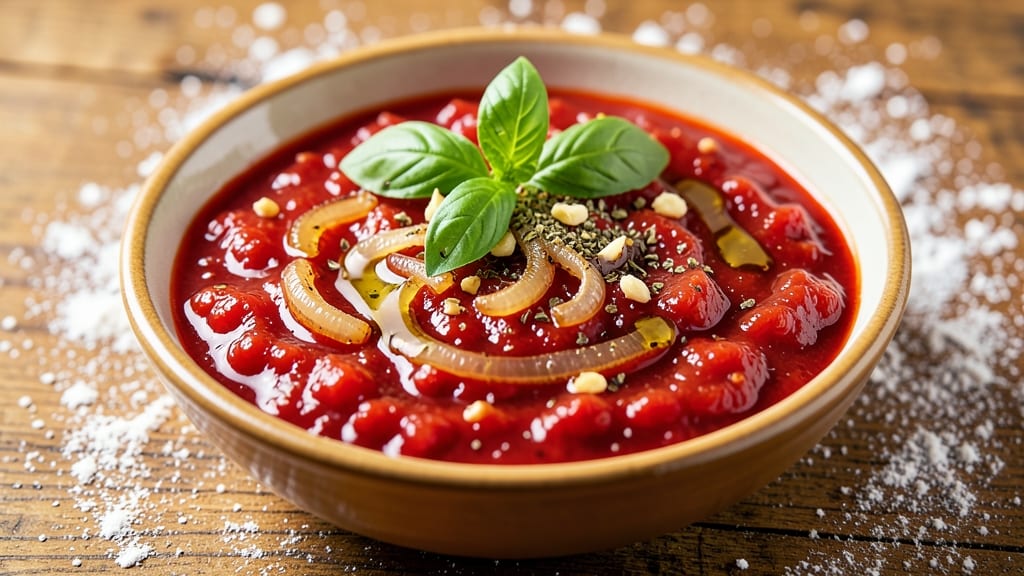
This Hunt's tomato sauce recipe transforms simple pantry staples into restaurant-quality depth with just 30 minutes of simmering. My Italian grandmother's technique—slow-cooked aromatics and crushed tomatoes—builds layers of umami that store-bought can't match.
The secret? A splash of red wine and a pinch of sugar to balance acidity while developing complex flavors.
What makes this sauce truly perfect is its versatility—use it as a pasta base, pizza topping, or even a dip for garlic bread.
The recipe relies on common ingredients like canned tomatoes, garlic, and herbs, but the slow simmering process creates a velvety texture and concentrated flavor that elevates any dish. No fancy equipment needed, just a heavy pot and patience.
The result is a sauce with rich depth—sweet from the tomatoes, savory from the wine, and aromatic from the herbs. It thickens beautifully as it simmers, creating a perfect consistency whether you prefer it smooth or slightly rustic.
This isn't just tomato sauce; it's the foundation for meals that taste like they've been simmering all day.
Best of all, this sauce keeps well in the fridge for up to a week, so you can make a big batch and use it throughout the week. The flavor actually improves as it sits, developing even more complexity.
Whether you're feeding a family or prepping for meal prep, this recipe delivers professional-quality results with minimal effort.
Ingredients for hunt's tomato sauce
These pantry staples transform into velvety sauce with umami depth—just 10 ingredients, 30 minutes.
| Ingredient | Amount | Notes |
|---|---|---|
| Canned Crushed Tomatoes (28 oz can) 🍅 | 1 can | San Marzano preferred for sweetness |
| Extra-Virgin Olive Oil 🫒 | ½ cup | High quality, fruity variety |
| Yellow Onion 🧅 | 1 whole | Finely chopped, about 1 cup |
| Garlic Cloves 🧄 | 4 cloves | Peeled and minced |
| Dried Basil 🌿 | 2 tbsp | Or 0.25 cup fresh basil |
| Dried Oregano 🍃 | 1 tbsp | Italian or Mediterranean blend |
| Dry Red Wine 🍷 | ½ cup | Bold Cabernet or Merlot |
| Granulated Sugar 🍚 | 1 tbsp | Balances acidity |
| Salt 🧂 | 1 ½ tsp | Kosher or sea salt |
| Ground Black Pepper 🌶️ | ½ tsp | Freshly ground preferred |
The tomatoes are your flavor foundation. San Marzano cans are worth the splurge—they're sweeter and less acidic, giving you that authentic Italian taste. If you can't find them, any good-quality crushed tomatoes work, but avoid the watery brands. The olive oil matters too—extra-virgin with fruity notes adds richness that regular cooking oil can't match. I grab mine from Whole Foods or Trader Joe's—their bulk section has great options. For the wine, anything bold and dry works—Cabernet or Merlot from a decent bottle. Save the cheap stuff for cooking, trust me.
No red wine? Substitute with beef broth—it adds depth without the alcohol. Fresh basil is ideal, but dried works at one-third the amount. If you're using fresh, I always grab extra—half goes in the pot, half gets torn over the top at the end. The sugar might seem odd, but it's essential—it balances the acidity and helps develop those complex flavors. Brown sugar works too, but white is more common in Italian cooking. For the onions, if you're in a rush, jarred minced onions save time, but fresh is always better. The garlic? Freshly minced makes all the difference—no pre-minced garbage.
This sauce tastes even better the next day as the flavors meld. Store it in an airtight container in the fridge for up to 1 week—it actually improves with time. For longer storage, freeze in ice cube trays for single portions or in 1-cup containers for bigger batches. It reheats beautifully—just warm it gently on the stove with a splash of water if it's thickened up. I always make a double batch—one for dinner, one for freezing. Nothing beats homemade sauce when you're craving that restaurant-quality taste.
Why You'll Love This Recipe
- Five-Ingredient Magic: I swear by this recipe because it’s the kind of dish where you don’t need a grocery list—just open a can, chop two things, and stir. The crushed tomatoes alone bring that deep, sweet richness, while the olive oil and garlic turn it into something ridiculously good without overcomplicating it.
- Garlic-Basil Bomb: That moment when you taste the sauce and the garlic and basil hit your tongue? Pure satisfaction. The crushed tomatoes soak up the flavors like a sponge, giving you a taste that’s bright, herby, and just a little bit sweet—no fancy techniques required, just patience while it simmers.
- Pasta Party Starter: This sauce isn’t just for spaghetti. I’ve used it as a marinara for meatballs, a base for baked ziti, and even as a pizza sauce—it’s that versatile. Honestly, it’s my go-to when I need a crowd-pleaser that doesn’t scream “I spent all day in the kitchen.”
- Budget-Friendly Pantry Hero: A 28-ounce can of tomatoes and a few pantry staples? That’s it. No splurging, no last-minute runs—just a sauce that tastes like it cost five times more. Plus, it keeps for days, so I can make a big batch and freeze half for when I’m too tired to cook. (Yes, even on a Tuesday night.)
Step-by-step instructions for pantry-perfect tomato sauce
This sauce builds flavor layer by layer—simple steps, big results.
Sauté Onion and Garlic Until Translucent
Heat the 0.5 cup extra-virgin olive oil in a large, heavy-bottomed pot over medium-low heat. Add the 1 whole yellow onion, finely chopped, and cook for 8-10 minutes until soft and translucent. You'll see it lose its raw edge and become tender.
Reduce heat to low and add the 4 cloves garlic cloves, minced. Cook for another 1-2 minutes until fragrant—you should smell that sweet, pungent aroma. Be careful not to let the garlic burn; it turns bitter fast. This step forms the flavor base for everything that follows.
Deglaze with Red Wine and Simmer
Pour in the 0.5 cup dry red wine and increase heat to medium-high. Let it bubble for 3-4 minutes until the wine reduces by half and the alcohol smell dissipates. This deglazing step captures all the browned bits from the onion and garlic, adding depth to your sauce.
Add the 1 can canned crushed tomatoes, breaking up any large chunks with a wooden spoon. Stir in the 2 tbsp dried basil, 1 tbsp dried oregano, 1 tbsp granulated sugar, 1.5 tsp salt, and 0.5 tsp ground black pepper. Bring to a gentle simmer, then reduce heat to low and let it cook uncovered for 25-30 minutes, stirring occasionally.
Simmer Until Thick and Flavorful
After the initial simmer, the sauce will start to thicken naturally. Let it cook for another 15-20 minutes, stirring every 5 minutes to prevent sticking. You're looking for a sauce that coats the back of a spoon smoothly but still has body—this means it's reached perfect consistency.
Taste and adjust seasoning if needed. The sugar balances the acidity, but if the sauce tastes too sweet, add a pinch more salt. If it's too acidic, a tiny bit more sugar helps. The longer it simmers, the deeper the flavors become—this is where patience pays off.
Blend for Smooth Texture (Optional)
For a silky-smooth sauce, use an immersion blender to blend until all lumps disappear. If you prefer texture, skip this step. Return the sauce to the pot and let it simmer for another 5 minutes to meld all the flavors together.
This sauce tastes even better the next day as the flavors continue to develop. Store in an airtight container in the fridge for up to 5 days or freeze for 3 months. Use it to elevate pasta, pizza, or as a dipping sauce for crusty bread—it's that versatile.
Pro Tips For Making Hunt'S Tomato Sauce
- SWIM THE ONIONS: I learned this the hard way—don’t just chop onions into Hunt’s sauce and toss them in. Thinly slice them (a mandoline helps) and cook them in the olive oil until they’re translucent and their edges start to caramelize just a little. That’s when they’ll actually soften into the sauce instead of sitting as chunks. (Yes, it takes 5-7 minutes, but trust me.)
- CRUSH THE GARLIC: Mince those cloves finely—not just roughly chopped. The sauce will taste like it’s missing something if the garlic stays in big pieces. My shortcut? Smash the cloves with the flat side of your knife first, then mince. Also, add the garlic after the onions are already soft, or it’ll burn before the onions even break down.
- STIR THE CANNED TOMATOES: Don’t just dump the crushed tomatoes in and walk away. Give that can a good shake first—some brands let the solids settle at the bottom, and you’ll end up with a watery sauce if you don’t mix it up. Then, stir the sauce constantly for the first 5 minutes on medium heat. That’s when the flavors meld, and skipping it means a bland, one-note sauce.
- SALT IN LAYERS: Add half the salt when you start the onions, then the rest after the tomatoes have simmered for 10 minutes. The initial salt helps draw out moisture and deepens the flavor, but adding it all at once can make the sauce taste flat later. (And no, you can’t taste it yet—just do it.)
Flavor customization for this dish
Sweet-Tangy Balance
Adjust the 1 tbsp granulated sugar to taste—this balances the acidity of the tomatoes. For extra depth, add ½ tsp balsamic vinegar at the end, or swap the sugar for 1 tbsp honey if you prefer a floral note.
My Nonna always added a pinch of sugar, but I've found that brown sugar caramelizes slightly during simmering, adding a subtle molasses flavor. 🍯
Herb Variations
Swap the dried basil and oregano for ½ tsp red pepper flakes and 1 tsp smoked paprika for a smoky kick. For a Mediterranean twist, add 1 tsp dried thyme and ½ tsp fennel seeds (toasted briefly in the oil).
Fresh herbs like cilantro or parsley work beautifully at the end—just stir in 2 tbsp chopped fresh herb after simmering. I love adding a few basil leaves at the end for a bright finish.
Umami Boosters
For deeper savory notes, add 1 tbsp soy sauce or 1 tsp fish sauce (trust me, it disappears). A 1-ounce piece of pancetta or bacon, chopped and cooked with the onions, adds incredible richness.
If you're vegetarian, 1 tbsp nutritional yeast works as a cheesy umami substitute. The key is to add these early so they infuse completely.
Texture Adjustments
Want a thicker sauce? Simmer uncovered for 5-10 extra minutes or mash ½ a ripe banana into it (seriously, it works!). For a chunkier texture, skip blending and leave 1-2 large tomato chunks in the pot.
If your sauce is too thick, thin with 1-2 tbsp water or pasta water while simmering. I often make a double batch—one smooth for pasta, one rustic for pizza.
Spicy Heat Level
Add ½ tsp cayenne pepper for mild heat or 1 tsp crushed red pepper flakes for medium. For a smoky-spicy kick, stir in 1 tsp chipotle powder with the wine. If you love fresh chili, blend in 1 jalapeño (seeds removed) at the end.
The heat develops as it cooks, so start conservative and adjust at the end. My first attempt with 2 tsp cayenne was a disaster—now I measure carefully!
Regional Twists
For a Neapolitan-style sauce, add 1 tsp dried marjoram and a pinch of cinnamon. A Sicilian version gets 1 tbsp tomato paste cooked with the onions. For New England comfort, swap the wine for ½ cup beef broth and add 1 tsp dried rosemary.
Each region has its secrets—I've made all three, and they're all delicious in their own way. 🗺️
Nutrition facts
Frequently asked questions
Can I use fresh tomatoes instead of canned crushed tomatoes?
Fresh tomatoes work but require extra prep! Use about 4-5 large ripe tomatoes (peeled, seeded, and chopped) for the same volume as the can. Simmer them uncovered for 15-20 minutes first to break down their texture before adding other ingredients. Fresh tomatoes are more acidic, so you may need 1 extra tablespoon of sugar to balance the flavor.
Why does my homemade sauce taste different from Hunt's store-bought?
Store-bought sauce uses preservatives and flavor enhancers for consistency, while homemade sauce builds depth through slow cooking. The red wine, sugar, and long simmer create complex layers that canned versions lack. For closer results, add ½ teaspoon of MSG (optional) or 1 teaspoon of tomato paste cooked with the onions.
How do I make this sauce spicier without overpowering it?
Start with ½ teaspoon of crushed red pepper flakes or ¼ teaspoon of cayenne—add it with the wine so flavors meld. For heat control, blend in 1 small jalapeño (seeds removed) at the end. Remember: spices intensify as they cook, so begin conservatively. My first attempt with 1 teaspoon of cayenne was too much—now I measure carefully!
Can I use this sauce for pizza instead of jarred sauce?
This sauce is perfect for pizza—its rich flavor pairs beautifully with cheese and toppings. For best results, spread a thin layer (about ¼ cup per 12-inch pizza) and let it simmer for 5 extra minutes to thicken slightly. The wine adds depth that jarred sauces lack, making your pizza taste restaurant-quality.
What if I don't have red wine? What's the best substitute?
Use ½ cup beef broth or ½ cup apple cider vinegar for acidity. For umami depth, add 1 teaspoon soy sauce or ½ teaspoon balsamic vinegar. The wine's purpose is to deglaze and add complexity—any liquid works, but the flavor profile will shift slightly. I've used grape juice in a pinch, but broth is the most neutral substitute.