
Sauces & Condiments
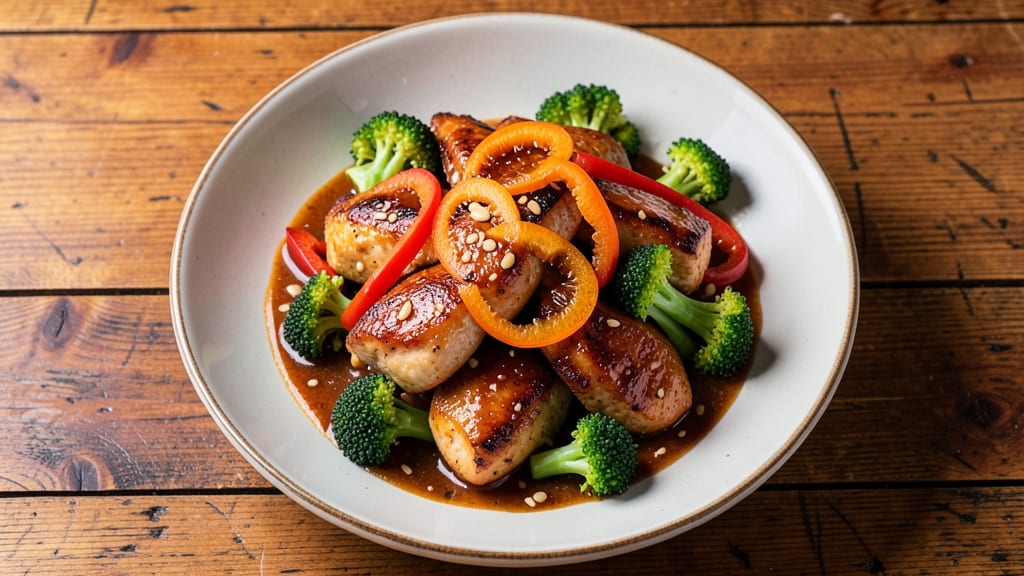
This Kikkoman teriyaki sauce stir fry delivers the perfect balance of sweet-savory caramelized glaze that transforms simple ingredients into a restaurant-quality meal. The secret lies in high-heat stir-frying, which creates that signature glossy, slightly crispy finish while keeping vegetables crisp-tender.
I've perfected this technique over countless weeknight dinners—it's the kind of recipe that feels indulgent yet comes together in under 30 minutes.
The magic happens when you reduce the teriyaki sauce slightly before tossing it with the protein and vegetables, allowing the natural sugars to caramelize into a sticky, flavorful glaze. This method works beautifully with chicken, beef, or tofu, giving you a versatile dish that adapts to any meal plan.
The aromatic combination of garlic, ginger, and sesame oil builds depth before the sauce even hits the pan.
What you'll end up with is a vibrant stir fry where each bite delivers perfectly seared protein, crisp vegetables, and that addictive teriyaki glaze that clings to every piece. The sauce's sweetness balances beautifully with the umami richness of the Kikkoman blend, creating a harmony that's both comforting and exciting.
This is the kind of meal that transforms a simple weeknight into something special without requiring fancy ingredients or techniques.
Serve over steamed rice for the full experience, or as-is for a quick protein-packed meal. The leftovers reheat beautifully, making this an ideal recipe for meal prep. Let's get cooking—your taste buds will thank you for this effortless flavor boost.
Ingredients for kikkoman teriyaki sauce stir fry
The perfect balance of sweet-savory caramelized glaze transforms simple ingredients into restaurant-quality stir fry.
| Ingredient | Amount | Notes |
|---|---|---|
| Boneless Chicken Thighs 🍗 | 1 ½ lb | Cut into 1-inch pieces |
| Kikkoman Teriyaki Sauce 🍶 | 1 cup | Original or low-sodium variety |
| Red Bell Pepper 🌶️ | 1 whole | Sliced into thin strips |
| Broccoli Florets 🥦 | 2 cups | Cut into bite-sized pieces |
| Carrot Slices 🥕 | 1 cup | Julienned or thinly sliced |
| Garlic Cloves 🧄 | 4 cloves | Minced for aromatic base |
| Fresh Ginger 🌿 | 1 tbsp | Finely grated or minced |
| Sesame Oil 🫒 | 1 tbsp | For authentic aroma |
| Vegetable Oil 🫒 | 2 tbsp | High smoke point preferred |
| Soy Sauce 🥢 | 1 tbsp | For additional umami depth |
| White Rice 🍚 | 2 cups | Uncooked, long-grain preferred |
| Sesame Seeds 🌰 | 1 tbsp | Toasted for garnish |
| Diamond Crystal Kosher Salt 🧂 | ½ tsp | For seasoning |
| Ground Black Pepper 🌶️ | ¼ tsp | Freshly cracked |
The Kikkoman teriyaki sauce is the heart of this dish—grab the original version from any grocery store for that signature sweet-savory balance. Chicken thighs hold up better to high heat than breasts, giving you that signature seared exterior while staying juicy inside. Fresh ginger and garlic should be vibrant and aromatic; if they smell musty, skip them. For the vegetables, broccoli florets and bell peppers should be crisp, not wilted—look for bright green florets and firm peppers at the produce section. Sesame oil adds that authentic aroma, but use sparingly—it's potent. The Diamond Crystal kosher salt is preferred here as it dissolves easily and enhances flavor without overpowering.
No chicken? Substitute with beef strips or extra-firm tofu—both work beautifully. Running low on teriyaki? Mix soy sauce with a touch of brown sugar and rice vinegar for a quick substitute. The broccoli and carrots can be swapped for snap peas or mushrooms if you prefer. Fresh ginger can be replaced with ground ginger at half the amount, but fresh is ideal. If you're avoiding gluten, tamari or coconut aminos can replace soy sauce. The sesame seeds are optional but add that final crunch—toast them in a dry pan for 30 seconds before sprinkling for extra flavor.
Prep the vegetables first—they cook fastest. Store fresh ginger in the freezer once opened to preserve its potency. The teriyaki sauce can be reduced ahead of time and stored in the fridge for up to 5 days or frozen for 3 months. This stir fry reheats beautifully—microwave with a splash of water to retain moisture. For meal prep, portion into containers with rice and sauce separately to keep everything crisp. Leftovers keep for 4-5 days in the fridge, but the flavor deepens overnight as the sauce melds with the protein.
Why You'll Love This Recipe
- One-Pan Magic: I swear by this—just toss everything on a single sheet pan, flip once, and you’re done. No pots, no pans, no stress. The chicken stays juicy while the veggies caramelize right alongside it, and cleanup? One spatula, one wipe-down.
- Sweet-Savory Balance: That Kikkoman teriyaki sauce does all the heavy lifting—rich, sticky, and just sweet enough to make your taste buds sing. The bell pepper adds a bright crunch, and the broccoli soaks up the sauce like a sponge. Honestly, I’ll take this over takeout any day.
- Lunchbox Hero: Between us, this is my go-to for meal prep. Double the batch, pack it in containers, and you’ve got three days of lunches that taste like they came from a restaurant. The chicken stays tender, the veggies hold up, and the sauce keeps everything delicious—no sad, soggy leftovers here.
- Budget-Friendly Feast: Chicken thighs are forgiving, carrots and broccoli are cheap, and a single bottle of teriyaki sauce stretches for ages. I’ll be real: this feeds four for under $10, and it’s the kind of meal that makes you feel like you’re splurging without actually breaking the bank. Plus, the leftovers? Even better the second day.
Step-by-step instructions for Kikkoman teriyaki stir fry
Master this one-pan technique for perfect caramelization and balanced flavors every time.
Prepare the Chicken and Vegetables
Cut the 1.5 lb boneless chicken thighs into 1-inch pieces and place them in a medium bowl. In a separate bowl, combine the 2 cups broccoli florets, 1 cup carrot slices, and 1 whole red bell pepper sliced into thin strips. This separation prevents the vegetables from becoming soggy during the marinating process.
Add the 4 minced garlic cloves, 1 tbsp finely grated fresh ginger, 1 tbsp soy sauce, 0.5 tsp Diamond Crystal kosher salt, and 0.25 tsp ground black pepper to the chicken. Toss gently to coat evenly. Let the chicken marinate for 10-15 minutes at room temperature—this ensures thorough seasoning and even cooking.
Cook the Chicken Until Fully Done
Heat 2 tbsp vegetable oil in a large skillet or wok over medium-high heat until shimmering. Add the marinated chicken in a single layer, leaving space between pieces to prevent steaming. Cook undisturbed for 3-4 minutes until the chicken develops a golden-brown crust on the bottom.
Flip the chicken and cook for another 3-4 minutes until the internal temperature reaches 165°F and the juices run clear. Remove the chicken from the skillet and set it aside on a plate. The residual heat will keep it warm while you prepare the vegetables.
Stir-Fry the Vegetables
In the same skillet, add 1 tbsp sesame oil and swirl to coat the bottom. Add the prepared vegetables and stir-fry over high heat for 4-5 minutes until they begin to soften but still retain a crisp-tender texture. The high heat ensures they stay vibrant and don't turn mushy.
Push the vegetables to one side of the skillet and add the 1 cup Kikkoman teriyaki sauce to the empty space. Let it simmer for 1-2 minutes until it begins to thicken slightly and develop a glossy sheen. This step is crucial for creating that signature caramelized glaze.
Combine and Caramelize
Return the chicken to the skillet, stirring gently to combine with the vegetables and sauce. Reduce the heat to medium and let the mixture cook for 2-3 minutes, stirring occasionally. This allows the sauce to coat everything evenly and begin caramelizing.
Taste and adjust the seasoning if needed. If the sauce is too thin, let it cook uncovered for an additional 1-2 minutes to reduce and thicken. The goal is a sauce that clings to the chicken and vegetables without being overly syrupy.
Serve Over Steamed Rice
While the stir-fry cooks, prepare the 2 cups white rice according to package instructions. Fluff the rice with a fork and divide it evenly among four plates. Spoon the teriyaki stir-fry over the rice, garnishing each serving with 1 tbsp toasted sesame seeds for added texture and aroma.
Serve immediately, as the flavors and textures are best enjoyed fresh. The combination of tender chicken, crisp-tender vegetables, and caramelized teriyaki sauce creates a harmonious balance of sweet, savory, and umami notes in every bite.
Pro Tips For Making Kikkoman Teriyaki Sauce Stir Fry
- CRANK THE HEAT FIRST: Start your pan screaming hot—yes, even for chicken thighs—and sear them for 3-4 minutes undisturbed. I used to rush this, and the chicken just steamed instead of developing that caramelized crust that holds onto the teriyaki sauce. Once you flip, drop the heat to medium-high to keep the sauce from burning while the chicken finishes.
- SLICE THOSE CARROTS THIN: Skip the thick rounds—cut your carrots into ¼-inch slices so they soften alongside the broccoli and bell pepper. Thick slices turn mushy while the chicken stays tough, and nobody wants that texture mismatch. A sharp knife and a steady hand make this take 2 minutes instead of 5.
- DON’T DROWN THE CHICKEN: Add the teriyaki sauce after the chicken and veggies have cooked for 5 minutes. Pouring it in too soon just steams everything and makes the sauce taste watery. Let the chicken release its juices first—then deglaze with a splash of water or a little soy sauce if needed before adding the full sauce.
- SALT THE CHICKEN BEFORE SEARING: Pat the thighs dry, then season them generously with salt (about ½ teaspoon per side) right after patting. This isn’t just for flavor—it helps the crust form better and keeps the meat juicy. I learned this the hard way after making bland, rubbery chicken that clung to the pan like glue.
Storing and reheating this recipe
Fridge Storage Tips
Let your teriyaki stir fry cool completely before storing—about 30 minutes—to prevent condensation that makes vegetables soggy. Transfer to an airtight container with a tight-sealing lid, separating the rice from the stir fry if possible.
Store in the fridge for up to 4 days, but I recommend eating within 3 days for peak texture. The sauce will thicken slightly overnight, intensifying the flavors. 🥗
Freezer Prep
For longer storage, freeze portions in single-serving airtight containers or heavy-duty freezer bags. Lay flat to save space and label with the date. This stir fry freezes beautifully for up to 3 months, though I notice the vegetables lose some crispness after 2 months.
Thaw overnight in the fridge before reheating. 🧊
Best Reheating Methods
My preferred method is stovetop: heat over medium-low heat with 1-2 tablespoons water or teriyaki sauce to restore moisture. Cover and simmer for 5-7 minutes, stirring occasionally, until everything is heated through.
The sauce will re-glaze beautifully. For microwave reheating, cover with a damp paper towel and heat in 1-minute intervals at 70% power, stirring between each interval. 🔥
Reviving Texture
If your stir fry seems dry after reheating, add a splash of water or chicken broth and let it simmer for an extra 1-2 minutes. For extra crispness, broil for 2-3 minutes at the end—just watch closely to avoid burning.
I also like adding a drizzle of fresh sesame oil after reheating to restore that authentic aroma. 💫
Meal Prep Strategy
Prep components separately for maximum freshness: store the cooked chicken and vegetables in one container, sauce in a separate small container, and rice in another. When ready to eat, simply reheat the chicken and vegetables, then toss with fresh sauce.
This keeps everything crisp and prevents soggy vegetables. I make double portions on Sundays for easy weeknight meals. 📅
Sauce Refresh
If the sauce tastes flat after reheating, boost it with a splash of rice vinegar or a pinch of sugar to restore balance. For extra depth, add a few drops of sesame oil or a sprinkle of toasted sesame seeds just before serving.
The sauce's caramelized flavor actually improves with reheating, so don't be afraid to adjust seasonings to your taste. 💡
Nutrition facts
Frequently asked questions
Can I use Kikkoman teriyaki sauce straight from the bottle?
While you can use it directly, reducing it slightly first creates a better glaze. Simmer 1 cup of sauce in the skillet for 2-3 minutes before adding the chicken and vegetables—this thickens it and brings out deeper caramelized flavors. The reduced sauce clings better to the ingredients and gives that signature restaurant-quality finish.
What's the best protein substitute for chicken?
Beef strips or extra-firm tofu work beautifully! For beef, use 1 lb flank steak cut into thin strips, and marinate for 20-30 minutes for maximum tenderness. For tofu, press and drain it first, then pan-fry until golden before adding to the stir-fry. Both absorb the teriyaki sauce wonderfully while adding their own unique textures.
Why does my teriyaki sauce get too thin?
This usually happens when the sauce doesn't reduce enough. Always simmer the sauce alone for 2-3 minutes before adding it to the stir-fry. If it's still too thin, cook uncovered for another 1-2 minutes to thicken. For extra richness, add 1 tsp cornstarch mixed with 1 tbsp water and stir it in at the end.
How do I make this dish gluten-free?
Use tamari or coconut aminos instead of regular soy sauce in the marinade. Also check the Kikkoman teriyaki sauce label—some varieties are gluten-free. For extra insurance, make your own teriyaki sauce using gluten-free soy sauce, honey, and ginger. The flavor will still be delicious while accommodating dietary needs.
Can I make this stir fry ahead of time?
Cook the chicken and vegetables separately, then store them in an airtight container with the sauce on the side. Reheat everything together over medium heat with a splash of water to restore moisture. The sauce will thicken beautifully when reheated, and the flavors actually deepen overnight. Perfect for meal prep!