
Sauces & Condiments
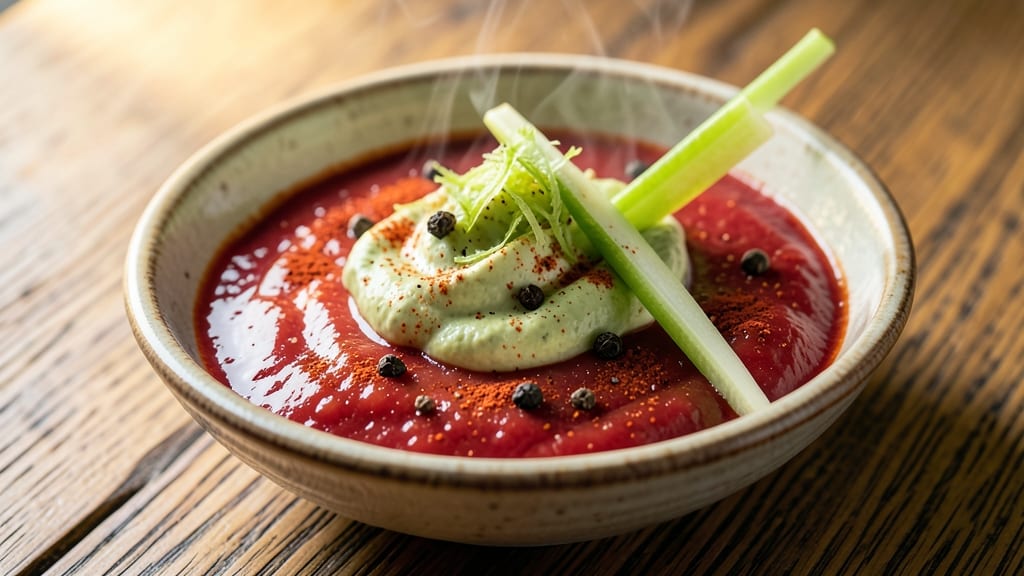
This Louisiana licker sauce recipe delivers the perfect balance of bold Cajun heat, tangy tomato, and sharp horseradish that makes every bite unforgettable. 🔥 The secret lies in blending fresh ingredients—like ripe tomatoes, white vinegar, and cayenne—into a sauce that’s both complex and easy to master.
Unlike store-bought versions, this homemade recipe builds layers of flavor that transform fried foods, meats, or seafood into something truly special.
The sauce starts with a vibrant tomato base, brightened by vinegar and horseradish for that signature kick. A touch of cayenne and black pepper adds depth, while a hint of sugar balances the acidity.
What sets this recipe apart is the resting time—allowing flavors to meld for at least 30 minutes before serving ensures a sauce that’s rich, tangy, and packed with heat.
Once blended, this sauce becomes a game-changer for Southern cooking. Drizzle it over fried shrimp, chicken tenders, or even fries for an instant flavor upgrade. The tangy-sweet-spicy profile cuts through richness while adding a bold, authentic Cajun touch. It’s the kind of sauce that turns ordinary meals into standout dishes.
Best of all, it keeps well in the fridge for up to a week, making it perfect for meal prep. Whether you’re hosting a gathering or craving a taste of Louisiana at home, this recipe delivers restaurant-quality results with minimal effort. Let’s get started!
Ingredients for louisiana licker sauce
Nine bold ingredients blend into a sauce that turns ordinary meals into unforgettable Cajun feasts.
| Ingredient | Amount | Notes |
|---|---|---|
| Ripe Tomatoes 🍅 | 2 cups | Freshly chopped, seeds removed |
| White Vinegar 💧 | ½ cup | Distilled white preferred |
| Fresh Horseradish 🌿 | ¼ cup | Grated, not prepared |
| Cayenne Pepper 🔥 | 1 tbsp | Adjust for heat preference |
| Black Peppercorns 🌶️ | 1 tsp | Freshly cracked preferred |
| Granulated Sugar 🍯 | 1 tbsp | Balances acidity perfectly |
| Garlic Cloves 🧄 | 3 cloves | Minced for depth |
| Salt 🧂 | 1 ½ tsp | Kosher or sea salt |
| Extra-Virgin Olive Oil 🫒 | ¼ cup | For richness and balance |
| Hot Sauce (Optional) 🌶️ | 1 tbsp | Crystal or Tabasco for extra kick |
The tomatoes are the heart of this sauce—ripe, juicy ones make all the difference. Hit the farmers market if you can, but grocery store tomatoes work too (just pick ones that smell sweet). Heinz ketchup is a backup if you're in a pinch, but fresh is better. Horseradish? Grab the fresh root from the produce section—prepared horseradish is way too mild. The cayenne is where the magic happens, so don't skimp. I always buy mine from Penzeys when I'm making big batches, but the regular grocery store stuff works fine for home use.
No fresh horseradish? Fresh ginger at half the amount adds a different but still bold kick. Short on tomatoes? Tomato paste mixed with water works in a bind, but it won't be as bright. The garlic can be roasted for a sweeter flavor—just wrap the whole cloves in foil and bake at 400°F for 15 minutes before mincing. Want more depth? Add a dash of smoked paprika. The vinegar should be white—apple cider vinegar changes the flavor profile completely. And if you're feeling extra bold, swap the hot sauce for a splash of bourbon (just 1 tbsp) for a smoky twist.
This sauce gets better with time—let it rest at least 30 minutes before serving so all the flavors meld. Keeps for up to 1 week in the fridge, but I always make extra because it disappears fast. Store it in a glass jar with a tight seal. Freezes beautifully for up to 6 months if you want to make a big batch ahead of time. Pro tip: a thin layer of olive oil on top keeps the color vibrant longer.
Why You'll Love This Recipe
- No-Fuss Blend: I swear, this sauce comes together in one bowl—no chopping, no simmering, just mash, mix, and go. The tomatoes and vinegar do all the work while I’m still debating what to eat for dinner.
- Tangy Kick: That horseradish and cayenne? Oh, it’s a feeling—bright, sharp, and lingering in the best way. One taste and you’ll understand why it’s the secret weapon behind so many Southern classics.
- Pantry Staple: Honestly, I keep this in my fridge year-round. Drizzle it on fried chicken, toss it with grilled shrimp, or slather it on a burger—it turns ordinary meals into something special without extra effort.
- Lasts All Week: Between us, I make a big batch and it’s still here by Friday. The vinegar and acidity keep it fresh, and the cost? A fraction of store-bought sauces. Plus, it’s the kind of thing people will actually ask for seconds of.
Step-by-step instructions for Louisiana licker sauce
Here's how to create this bold, tangy Cajun sauce that'll bring heat and depth to any dish.
🍳 Step 1: Build the Tomato Base
In a medium saucepan over medium-high heat, combine the 2 cups ripe tomatoes and 1.5 teaspoons salt. Bring to a gentle boil, then reduce heat to medium-low and let it simmer uncovered for 10-12 minutes until the tomatoes break down and the mixture thickens slightly. You're looking for a consistency where the sauce coats the back of a spoon but isn't gluey yet.
Here's the thing—don't stir constantly. Let the tomatoes develop their own flavors and reduce naturally. Stir occasionally just to prevent sticking. The skin should start to bubble and the raw tomato taste should mellow into something more complex and sweet. This is where the foundation of your sauce's tangy depth comes from.
🔥 Step 2: Add Aromatics and Spices
While the tomatoes simmer, crack the 1 teaspoon black peppercorns with the side of a heavy knife or in a mortar and pestle. Add them to the sauce along with the 3 minced garlic cloves, 1 tablespoon cayenne pepper, and 1 tablespoon granulated sugar. Stir everything together and let it cook for another 5 minutes.
The sugar might seem odd, but trust me—it balances the acidity from the tomatoes and vinegar coming up. You'll see the mixture bubble vigorously as the spices infuse. The garlic should become fragrant and the cayenne will start to mingle with the tomato flavor. If it smells too mild, that's okay—we're adding more heat in the next step.
🍳 Step 3: Incorporate Vinegar and Horseradish
Carefully pour in the 0.5 cup white vinegar and 0.25 cup grated fresh horseradish. The vinegar will make the sauce bubble up dramatically—this is normal! Reduce heat to low and let it simmer gently for 8-10 minutes until the mixture thickens and the raw horseradish flavor mellows into something more complex and slightly sweet.
Here's where it gets interesting—the horseradish adds that signature kick and depth that makes this sauce uniquely Louisiana. You'll notice the sauce will darken slightly as it reduces. Taste it now—it should be tangy, spicy, and balanced. If it needs more depth, let it simmer another minute or two. The horseradish should be noticeable but not overpowering.
🥘 Step 4: Finish with Oil and Optional Heat
Remove the sauce from heat and stir in the 0.25 cup extra-virgin olive oil and 1 tablespoon hot sauce (if using). The oil will help emulsify the sauce and give it a silky texture. Let it cool slightly for 5 minutes—this allows all the flavors to meld together perfectly.
I know it might look too thin now, but trust me—it'll thicken up as it cools. The oil helps create that signature Louisiana licker sauce texture. If you want to adjust the heat, add more cayenne or hot sauce now. For serving, strain through a fine-mesh sieve if you prefer a smoother texture, or leave it slightly chunky for more texture.
⏰ Step 5: Rest and Serve
Let the sauce rest at room temperature for at least 30 minutes before serving. This resting period allows all the flavors to fully develop and come together. The sauce will thicken slightly as it cools, which is exactly what you want.
This sauce is incredible on grilled meats, fried fish, or even as a dip for hush puppies. The heat builds gradually, so it's perfect for those who love bold, complex flavors. If you made extra, it keeps well in the refrigerator for up to 1 week, though I doubt it'll last that long!
Pro Tips For Making Louisiana Licker Sauce
- SIMMER LOW AND SLOW: I learned this the hard way—boiling licker sauce turns it into a sad, thin mess. Keep the heat at a gentle simmer (you should barely see bubbles) for at least 30 minutes. The tomatoes need time to break down, and rushing this step means you’ll end up with a watery sauce that lacks depth.
- GRATE THE HORSERADISH FINE: Skip the food processor here—you want the horseradish to blend smoothly, not clump like a chunky salsa. Use a microplane or the smallest holes on a box grater, then mix it in last. Sounds weird, but it works: the texture stays consistent, and you avoid that "lumpy surprise" when you taste it.
- ACIDIFY GRADUALLY: Dumping all the vinegar at once can throw off the balance. Start with half the white vinegar, taste, then add the rest slowly. You’re aiming for tangy but not puckery—this sauce should complement, not overpower. (Yes, even if you’re impatient like me.)
- PEPPERCRUSH THE WHOLES: Don’t just toss in whole peppercorns—they’ll sit like decorative rocks. Lightly crush them with the flat side of a knife or a mortar and pestle before adding. This guarantees even heat distribution, so every bite gets that subtle, lingering kick without any surprises.
Common mistakes when making perfect results
Overcooking the Horseradish
Horseradish loses its signature sharpness when overcooked—it turns bitter and loses that signature kick. I’ve made this mistake more than once, and let me tell you, it’s a heartbreaker. Once you add the 0.25 cup grated horseradish, keep the heat at low and simmer for just 8-10 minutes.
Set a timer so you don’t accidentally let it cook longer. If you notice the sauce darkening too much or the horseradish flavor fading, remove it from heat immediately. 🌶️
Skipping the Resting Time
Rushing to serve the sauce right after cooking is a big no-no. This sauce needs at least 30 minutes to rest so all the flavors meld together properly. I’ve seen people serve it immediately, and it’s noticeably less balanced—less tangy, less spicy, and less complex.
The resting time allows the vinegar to mellow slightly, the horseradish to integrate, and the spices to develop fully. Trust the process, even if it feels like waiting forever. ✨
Using Low-Quality Vinegar
Not all vinegars are created equal, and using a cheap or off-brand vinegar can make a huge difference in the final product. For this recipe, you want distilled white vinegar—it’s sharp, clean, and consistent.
I’ve tried using apple cider vinegar or balsamic vinegar in a pinch, and while they add different flavors, they completely change the sauce’s profile. Stick with the white vinegar for that authentic Louisiana tang. The difference is night and day. 💧
Ignoring the Sugar Balance
The 1 tablespoon granulated sugar in this recipe isn’t just for sweetness—it’s crucial for balancing the acidity from the vinegar and tomatoes. I’ve made the mistake of skipping it, and the sauce ends up too sharp and unbalanced.
If you’re worried about sweetness, start with half the amount and taste as you go. The sugar also helps caramelize the tomatoes slightly, adding depth to the flavor. Don’t be afraid to adjust it to your taste, but don’t skip it entirely. 🍯
Not Adjusting Heat Levels
Every batch of licker sauce is different, and the heat level can vary based on the cayenne pepper you use. Some brands are milder, while others pack a serious punch. If your sauce isn’t spicy enough, don’t be afraid to add more cayenne pepper or hot sauce at the end.
Conversely, if it’s too hot, a splash of vinegar or a pinch of sugar can help mellow it out. Taste as you go—this sauce is all about finding that perfect balance of heat and tang. 🔥
Using Store-Bought Horseradish
Prepared horseradish from a jar just doesn’t cut it for this recipe. It’s way too mild and lacks the fresh, sharp kick that makes licker sauce so special. If you’re in a pinch, you can use fresh ginger at half the amount, but it won’t be the same.
The fresh root horseradish adds a complexity that jarred horseradish simply can’t match.
Nutrition facts
Frequently asked questions
What makes Louisiana licker sauce different from other Cajun hot sauces?
The signature combination of fresh horseradish, white vinegar, and ripe tomatoes creates its unique sharp-tangy-spicy profile. Unlike many hot sauces that rely solely on cayenne or peppers, this sauce builds complexity through the horseradish's gradual kick and the vinegar's bright acidity. The tomato base also gives it a deeper, fruitier foundation than vinegar-only sauces.
Can I make this sauce without fresh horseradish?
Yes! For a similar kick, substitute 0.125 cup fresh grated ginger (half the amount) or 1 tablespoon prepared horseradish (though it won't be as potent). The sauce will taste different but still deliver that signature heat. For best results, use fresh horseradish root—it's worth the trip to the produce section.
How spicy should my licker sauce be?
This recipe balances heat with tangy sweetness, so it should be noticeably spicy but not overwhelming. Start with the 1 tablespoon cayenne and adjust to taste—add more cayenne or hot sauce at the end if needed. The horseradish provides a gradual heat that builds over time, so don't be afraid to taste as you go. Think "bold conversation starter" rather than "emergency room visit."
What are the best foods to serve with licker sauce?
This sauce shines on fried foods like shrimp, catfish, or chicken tenders, but it's also amazing with grilled meats, deviled eggs, or even as a dip for hush puppies. The tangy-spicy profile cuts through richness perfectly. For a true Louisiana experience, try it on po'boys or with cornbread. The possibilities are endless once you taste how it elevates simple dishes!
Why does my sauce look too thin after cooking?
The sauce will naturally thicken as it cools—it should reach a perfect drizzling consistency after resting. If it's still too thin, simmer uncovered for another 5 minutes to reduce. Pro tip: The olive oil added at the end helps emulsify the sauce, so don't skip that step. Patience is key—let it sit for the full 30 minutes** before serving.