
Main Courses
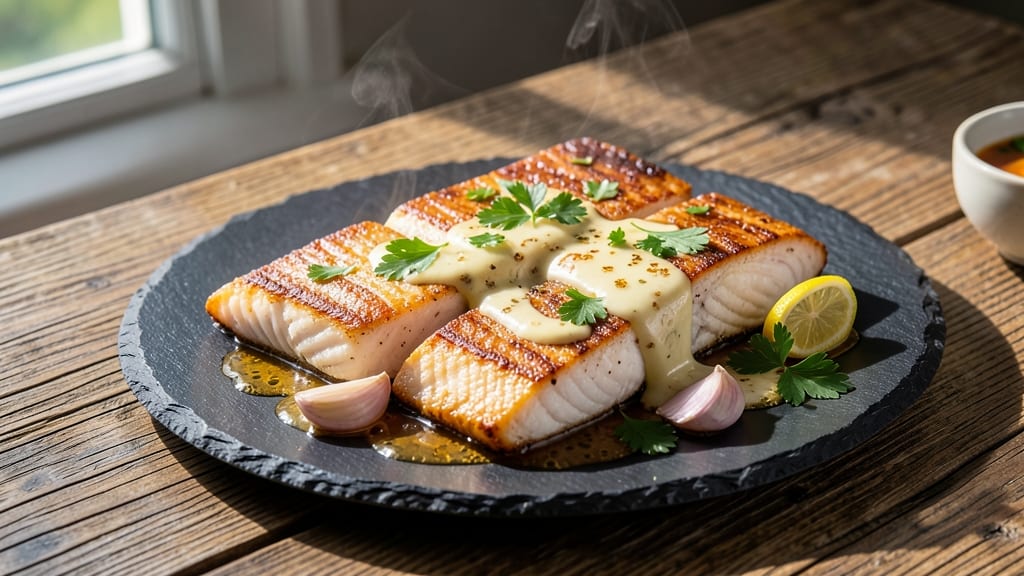
A crispy pan-fried fish with lemon butter sauce transforms simple weeknight dinners into restaurant-worthy meals. I learned this technique from a Pacific Northwest fisherman who swore by the crisp skin and bright citrus balance—trust me, it changes everything.
The secret lies in proper seasoning and high-heat frying for that golden crust, while the sauce cuts through richness with zesty lemon and herby butter.
This recipe delivers foolproof results with just five key ingredients: quality fish fillets, butter, lemon, herbs, and a pinch of salt. The lemon butter sauce comes together in minutes, requiring only a few simple steps—no fancy techniques needed.
For optimal texture, I recommend using skin-on fillets like cod or halibut, which develop that coveted crispiness when cooked right.
By the time you serve this dish, you'll have perfectly golden fish with a shatteringly crisp skin and tender flesh inside. The sauce adds a bright, tangy contrast that makes every bite feel fresh and restaurant-quality.
The method is simple enough for weeknights but impressive enough for guests—ideal for anyone who wants to elevate their cooking without stress.
Pair with roasted asparagus or a simple green salad to complete the meal. The crispy fish holds up beautifully, so you can serve it immediately or keep warm for a few minutes.
This is the kind of recipe that makes home cooking feel special without requiring hours in the kitchen—just a hot pan and a little patience.
Ingredients for recipe for pan fried fish with lemon butter sauce
Five simple ingredients transform flaky fish into restaurant-worthy crispy perfection with zesty lemon butter sauce.
| Ingredient | Amount | Notes |
|---|---|---|
| Skin-On Cod Fillets 🐟 | 4 pieces | 6-8 oz each, pounded even thickness |
| Unsalted Butter 🧈 | ½ cup | Cold, cut into 8 pieces |
| Lemon Juice 🍋 | ¼ cup | Freshly squeezed, strained |
| Fresh Lemon Zest 🍋 | 1 tbsp | Fine, bright yellow |
| Fresh Parsley 🌿 | ¼ cup | Chopped, flat-leaf preferred |
| Garlic Cloves 🧄 | 2 cloves | Minced, fresh preferred |
| All-Purpose Flour 🌾 | ¼ cup | For dredging, light coating |
| Kosher Salt 🧂 | 1 tsp | Plus extra for seasoning |
| Ground Black Pepper 🌶️ | ½ tsp | Freshly cracked |
| Vegetable Oil 🫒 | ½ cup | High smoke point, like canola |
The fish makes or breaks this dish—cod or halibut are your best bets for that crisp skin. Trader Joe's or Whole Foods often have pre-cut fillets, but if you're buying whole, ask the fish counter for skin-on pieces. Look for vibrant color and firm texture—anything grayish or mushy is past its prime. Pound the fillets to even thickness (about 1/2-inch) so they cook uniformly. I always buy extra and freeze half for later—they keep for 3 months wrapped tightly in plastic.
No fresh parsley? Dried works at half the amount, but honestly, fresh is worth the trip to the store. The lemon juice can be bottled in a pinch, but fresh is brighter and makes the sauce sing. Running low on butter? Olive oil or avocado oil works for frying, but save the butter for the sauce—it's what makes this dish special. The flour is just for dredging, so don't stress about brands. Diamond Crystal kosher salt is my go-to, but any light salt works. And if you're feeling fancy, add a pinch of smoked paprika to the flour for extra depth.
This sauce comes together in minutes but feels fancy. Keep the butter cold until the very end—it's what gives that perfect sauce consistency. If you're prepping ahead, make the sauce first and store it in the fridge for up to 3 days. The fish? Cook it fresh, but you can prep the dredging station (flour + seasoning) a day ahead. Leftovers? Not recommended—this dish is best served immediately, but if you must, reheat gently in a warm pan for 30 seconds.
Why You'll Love This Recipe
- Same recipe, different vibes: toss it together for a lazy Tuesday or plate it elegantly with greens for guests. The parsley adds that fresh pop, so it feels fancy without the fuss.
- Two-Ingredient Sauce: The lemon butter just melts—no whisking, no straining, just toss the zest and juice into warm butter while the fish cooks. That golden, tangy drizzle? It’s the star, and it takes less time than boiling water.
- Crispy Without Hassle: Skin-on cod gives you that perfect crunch with zero extra work—just pat it dry, hit it with a hot pan, and let nature do the rest. No breading, no frying mess, just that satisfying snap every bite.
- Weeknight to Dinner Party: Same recipe, different vibes: toss it together for a lazy Tuesday or plate it elegantly with greens for guests. The parsley adds that fresh pop, so it feels fancy without the fuss.
Step-by-step instructions for pan fried fish with lemon butter sauce
Here's how to create golden, crispy cod with a zesty lemon butter sauce that's foolproof every time.
Prepare the Cod for Perfect Crispiness
Pat the 4 pieces of skin-on cod fillets completely dry with paper towels. I can't stress this enough—any moisture will prevent that crispy crust we're after. Place each fillet skin-side down on a cutting board and gently pound them to an even thickness using a meat mallet. This ensures they cook uniformly without drying out.
In a shallow dish, mix the ¼ cup of all-purpose flour with 1 teaspoon of kosher salt and ½ teaspoon of ground black pepper. Lightly dredge each fillet in this flour mixture, pressing gently to adhere the coating. Don't over-dredge or you'll end up with a thick, heavy crust instead of that delicate, crispy layer we want. Let the coated fillets sit for 5 minutes while you prepare the pan.
Create the Crispy Crust in Hot Oil
Heat the ½ cup of vegetable oil in a large skillet over medium-high heat until it shimmers but doesn't smoke—around 350°F. The oil should be hot enough that when you drop a pinch of flour in, it sizzles immediately. This is your signal that the pan is ready.
Carefully place the flour-dredged cod fillets in the hot oil, skin-side down. Cook for 3-4 minutes until the skin is golden brown and crispy, and the fish releases easily from the pan. I press down gently on the fillet during the first minute to prevent curling. Flip each fillet and cook for another 2-3 minutes until the flesh is opaque throughout and flakes easily with a fork. Transfer the cooked fish to a warm plate and tent loosely with foil to keep warm.
Make the Lemon Butter Sauce
Reduce the heat to medium and add the 8 pieces of cold, cubed unsalted butter to the same skillet. Let it melt completely, about 1 minute, then add the 2 minced garlic cloves. Cook for 30 seconds until fragrant—don't let it brown or it'll turn bitter. Immediately pour in the ¼ cup of freshly squeezed lemon juice and scrape up any browned bits from the bottom of the pan with a wooden spoon.
Let the sauce simmer gently for 1-2 minutes until slightly thickened. The lemon juice will bubble vigorously at first, but it should settle into a glossy, golden sauce. Stir in the 1 tablespoon of fresh lemon zest and ¼ cup of chopped fresh parsley. Taste and adjust seasoning with additional salt or pepper if needed. The sauce should be bright, tangy, and just slightly thick enough to coat the back of a spoon.
Finish and Serve with Confidence
Return the cooked cod fillets to the skillet with the lemon butter sauce and spoon the sauce generously over the top. Let it heat through for about 30 seconds, just enough to warm the fish without overcooking it. The skin should still be crispy, and the flesh should remain tender and flaky.
Serve immediately with the sauce spooned over each portion. The contrast of crispy skin, tender fish, and bright, zesty lemon butter sauce makes this dish truly special. For extra presentation, garnish with additional fresh parsley and a sprinkle of flaky sea salt. This method delivers perfect results every time—crispy outside, moist inside, with a sauce that's bursting with citrus flavor.
Pro Tips For Making Recipe For Pan Fried Fish With Lemon Butter Sauce
- Dry the Skin Thoroughly: That skin won’t crisp if it’s damp—pat it really dry with paper towels, even if it feels like overkill. I used to skip this and ended up with soggy skin that stuck to the pan like regret.
- Use Cold Butter, Start Hot: Chill that butter before adding it to the pan—drop it in while the fish is searing, then lower the heat immediately. This keeps the sauce from burning while still giving you that golden crust.
- Zest First, Juice Last: Toss the lemon zest into the butter before deglazing with juice—it melts right in and adds depth. Adding zest after just makes it float like decorative confetti instead of flavor.
- Rest the Fish Under Foil: As soon as the fish hits 145°F, transfer it to a plate and tent it loosely with foil for 3–5 minutes. Skipping this means flaky, broken fillets—no one wants to fight their dinner.
Wine and beer pairings for this dish
White Wine Pairings
For this bright, citrusy dish, I reach for Sauvignon Blanc—specifically a crisp example from New Zealand or Loire Valley. The wine's zesty acidity mirrors the lemon butter sauce, while its herbal notes complement the parsley and garlic.
Look for bottles labeled "dry" or "crisp" to avoid sweetness that would clash. I love Cloudy Bay Sauvignon Blanc—it's my go-to for seafood because it's light enough to let the fish shine while adding that perfect refreshing lift. 🍷
Light Beer Options
A Belgian witbier like Hoegaarden or St. Bernardus Wit brings effervescence and subtle spice that cuts through the richness of the butter. The citrusy notes in these beers enhance the lemon sauce, creating a harmonious balance.
For a more local option, try a Pacific Northwest pale ale—the hoppy bitterness provides a nice contrast to the creamy fish. Avoid heavy stouts or lagers that might overpower the delicate flavors. 🍺
Rosé for Versatility
If you prefer red wine, a dry rosé from Provence or Spain works beautifully. The pale color won't stain your plate, and the crisp acidity complements the lemon sauce perfectly. I keep a bottle of Whispering Angel on hand specifically for seafood dishes—it's light, fruity, and never overpowering.
The subtle strawberry notes add a nice surprise without competing with the fish. 🌸
Sparkling Alternatives
For a celebratory touch, Prosecco or Cava adds bubbles that cleanse the palate between bites. The acidity in these sparkling wines enhances the lemon flavor while keeping the meal feeling fresh.
I often serve this dish with La Marca Prosecco when hosting dinner parties—it's affordable, widely available, and always impresses guests. The effervescence makes every bite feel special. ✨
Beverage Prep Tips
Let your wine or beer breathe for 10-15 minutes before serving to open up the flavors. For white wines, I chill them to 45-50°F—just cold enough to preserve the crispness without being icy.
When pairing with beer, serve at the recommended temperature (usually 45-50°F for witbiers and 40-45°F for pale ales). A simple iced tea with lemon or sparkling water with lime also works as a refreshing non-alcoholic option. 💧
Nutrition facts
Frequently asked questions
What type of fish works best for pan frying with lemon butter sauce?
For the crispy skin and tender flesh we want, skin-on cod or halibut are ideal choices. Their firm texture holds up well to high heat, and the skin develops that perfect golden crust. If you prefer a milder flavor, try tilapia or sea bass—just be sure to use fillets with skin for best results.
Can I make the lemon butter sauce ahead of time?
Yes! Prepare the sauce up to 3 days ahead and store it in an airtight container in the fridge. Just reheat gently over low heat, adding a splash of water or lemon juice to restore its glossy consistency. The fish, however, should always be cooked fresh for that perfect crispy texture.
How do I prevent the fish from sticking to the pan?
First, make sure your pan is properly heated to 350°F—test with a pinch of flour that sizzles immediately. Pat the fish completely dry before dredging, and let the flour coating sit for 5 minutes to form a light crust. Also, avoid moving the fish too soon—press gently during the first minute to help it release.
What if I don't have fresh parsley for the sauce?
No problem! Use dried parsley at half the amount (about 1.5 teaspoons instead of ¼ cup fresh). For extra flavor, add a pinch of dried tarragon or thyme. If you're short on time, even skipping it won't ruin the dish—the lemon and garlic will still shine.
How do I know when the fish is fully cooked?
The fish is done when it's opaque throughout and flakes easily with a fork. For skin-on fillets, this typically takes 3-4 minutes per side at 350°F. The skin should be golden brown and crispy, while the flesh should separate cleanly—no translucent centers allowed!