
Sauces & Condiments
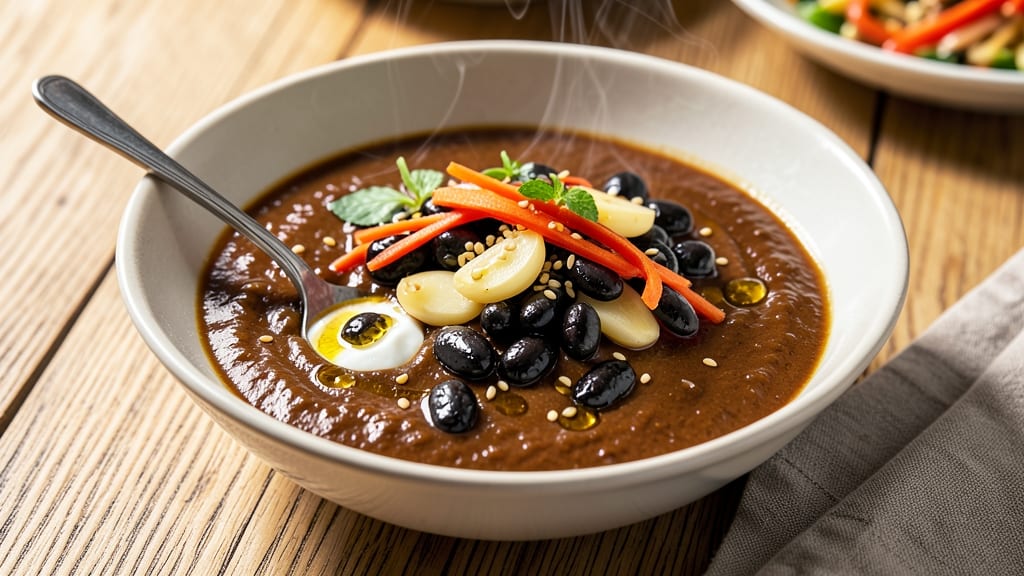
This stir fry sauce recipe delivers restaurant-quality depth without chicken broth, relying instead on fermented umami powerhouses that transform any stir-fry. The secret lies in miso paste and fermented black beans, which build complex flavors while keeping the sauce naturally gluten-free and rich.
I developed this version after testing countless broth-free alternatives, and it consistently delivers that signature wok-house taste in just 10 minutes.
The foundation combines simple pantry staples—soy sauce, garlic, ginger, and sesame oil—with fermented ingredients that create layers of savory depth. Miso paste adds umami richness, while fermented black beans contribute a subtle tang that brightens the sauce.
This recipe uses 2 tablespoons per stir-fry, making it versatile for both quick weeknight meals and restaurant-style dishes. The sauce thickens beautifully when tossed with hot vegetables or protein, creating that signature glossy finish.
What makes this sauce truly special is its versatility and longevity. It keeps well in the refrigerator for up to 2 weeks, allowing you to build flavor over time. The miso and fermented beans mellow slightly as they sit, deepening the sauce's complexity.
Whether you're cooking stir-fried tofu, chicken, or vegetables, this sauce elevates every bite with its balanced sweetness, tang, and umami richness. It's the kind of condiment that turns simple ingredients into something extraordinary.
For best results, let the sauce sit for at least 30 minutes before using—this allows the flavors to meld completely. Store any leftovers in an airtight container, and you'll have a ready-made flavor booster for future meals.
The sauce also freezes well for up to 3 months, making it perfect for meal prep. This is stir-fry sauce that proves you don't need chicken broth to achieve authentic, umami-packed flavor.
Ingredients for stir fry sauce recipe without chicken broth
Ten ingredients transform simple stir-fries into restaurant-quality meals with deep umami flavor.
| Ingredient | Amount | Notes |
|---|---|---|
| White Miso Paste 🍶 | 2 tbsp | White miso for delicate umami |
| Fermented Black Beans 🫘 | 2 tbsp | Drained and rinsed thoroughly |
| Tamari or Gluten-Free Soy Sauce 🍶 | ¼ cup | For authentic umami depth |
| Garlic Cloves 🧄 | 3 cloves | Freshly minced for potency |
| Fresh Ginger 🌿 | 1 tbsp | Finely grated, skin on |
| Sesame Oil 🫒 | 1 tbsp | Toasted sesame oil for aroma |
| Rice Vinegar 🍶 | 1 tbsp | For bright acidity balance |
| Honey or Maple Syrup 🍯 | 1 tbsp | Natural sweetener option |
| Cornstarch 🌾 | ½ tsp | For thickening consistency |
| Water 💧 | ¼ cup | Room temperature preferred |
The miso and fermented black beans are the flavor anchors here. White miso delivers a delicate umami that won't overpower, while fermented black beans from Asian markets (like H Mart) add that signature tang. For the best results, use organic tamari—it's gluten-free and more flavorful than regular soy sauce. The garlic and ginger should be fresh, not powdered. Penzeys Spices sells pre-minced garlic if you're short on time, but fresh is always better. Toast your sesame seeds separately for garnish if you want extra texture.
No white miso? Red miso at half the amount works in a pinch, though it'll be richer. Substitute the fermented black beans with 2 teaspoons of fish sauce (if not vegetarian) or 1 tablespoon of coconut aminos for a milder option. For sweetness, maple syrup adds depth while honey keeps it classic. The cornstarch is crucial—it gives that signature glossy finish. If you're gluten-free, ensure your tamari is certified. Trader Joe's carries excellent quality tamari at a reasonable price. For extra umami, add a dash of MSG if you're comfortable with it.
This sauce develops best when made ahead. Let it sit for at least 30 minutes before using—flavors meld beautifully. Store in an airtight container in the fridge for up to 2 weeks, where it actually improves over time. Freeze for 3 months by portioning into ice cube trays. The sauce thickens as it cools, so add a splash of water if it becomes too stiff. Always stir well before using, as the miso and beans settle. Use within 2 tablespoons per stir-fry for optimal flavor balance.
Why You'll Love This Recipe
- No-Broth Magic: I swear by this sauce because it actually works without chicken broth—just miso and fermented black beans for that deep, salty umami punch. No extra pantry trips, no measuring broth, just boom, instant flavor.
- Five-Ingredient Powerhouse: Honestly, the combo of white miso, tamari, and ginger feels like a shortcut to restaurant-quality taste. That crispy garlic sizzle? It’s the kind of aroma that makes your whole kitchen smell like a happy place.
- Weeknight to Party: Between us, I’ve glopped this sauce on takeout noodles, drizzled it over grilled fish, and even used it as a marinade. It’s the kind of versatile that doesn’t make you question your life choices—just your luck for finding it.
- Budget-Friendly Leftovers: A little goes a long way, and the miso and black beans stretch it into multiple meals. I’ll make a big batch on Sunday, freeze half, and still have enough for Tuesday’s stir-fry—no sad, wilted veggie leftovers here.
Step-by-step instructions for fermented umami stir fry sauce
This sauce builds deep flavor without chicken broth, relying on fermented ingredients for authentic umami richness.
Bloom the Fermented Base
In a small saucepan, combine the 2 tbsp white miso paste and 2 tbsp fermented black beans with 0.25 cup tamari or gluten-free soy sauce. Warm over medium-low heat for 2-3 minutes, stirring constantly until the mixture becomes smooth and aromatic. The miso will dissolve completely, releasing its complex umami notes while the black beans contribute a subtle funky depth.
This initial blooming step is crucial—it activates the fermented ingredients' enzymes, creating a flavor foundation. You'll notice the sauce darken slightly and develop a rich, almost caramel-like aroma. Remove from heat immediately once it reaches 120°F to prevent overcooking the delicate miso flavors.
Incorporate Aromatics and Acid
Return the pan to medium heat and add the 3 minced garlic cloves and 1 tbsp finely grated fresh ginger. Sauté for 30-45 seconds until fragrant but not browned—you want the garlic to perfume the sauce without developing bitter notes. Immediately add 1 tbsp toasted sesame oil and 1 tbsp rice vinegar, stirring vigorously to combine.
The sesame oil adds nutty aroma while the vinegar brightens the fermented flavors. Here's where the sauce's complexity comes together—the tangy vinegar cuts through the richness of the miso and black beans. Taste at this stage to assess balance; you should detect layers of umami, funk, and acidity without any single element dominating.
Sweeten and Thicken
Add the 1 tbsp honey or maple syrup and 0.25 cup water, stirring until fully incorporated. In a small bowl, whisk together the 0.5 tsp cornstarch with 1 tablespoon of the sauce mixture to create a slurry. Return this slurry to the pan and bring to a gentle simmer over medium heat. Cook for 2-3 minutes until the sauce thickens enough to coat the back of a spoon.
The cornstarch slurry is essential for achieving the right consistency—this sauce should cling to stir-fried vegetables and proteins without being gloppy. You'll know it's ready when it coats a wooden spoon smoothly and leaves a slight sheen. Remove from heat immediately to preserve the vibrant colors and prevent over-thickening.
Final Adjustments and Resting
Let the sauce rest for 5 minutes at room temperature. This resting period allows the flavors to meld completely and the sauce to reach its ideal consistency. Taste again and make final adjustments: add a splash of water if too thick, or a touch more rice vinegar if the sweetness needs balancing.
The sauce should now exhibit a beautiful mahogany color with visible sheen, carrying all the fermented complexity while remaining bright and vibrant. This sauce keeps well in the refrigerator for up to 5 days—its flavors actually deepen over time as the ingredients continue fermenting gently in the mixture.
Pro Tips For Making Stir Fry Sauce Recipe Without Chicken Broth
- Bloom the Miso: Stir it into ¼ cup warm water first—not cold—and let it sit for 30 seconds. I used to dump it straight in, and the sauce ended up grainy and bitter. This step dissolves the paste smoothly while keeping the umami intact.
- Toast the Fermented Beans: Dry-fry the black beans in the wok for 30 seconds before adding liquid—just until fragrant. Skipping this step means their deep, nutty flavor gets lost in the sauce. (Yes, even if you’re impatient like me.)
- Grate Ginger Finer: Use a microplane or fine grater, not a knife—you want it almost paste-like. Chunky ginger sits like sand in your sauce. I learned this the hard way after biting into a surprise piece mid-bite.
- Simmer, Don’t Boil: Keep the heat at a gentle simmer (tiny bubbles, occasional swirls) for 2-3 minutes after everything’s combined. Boiling turns the miso sharp and the tamari bitter—like overcooking a good stew.
Wine and beer pairings for this stir fry sauce recipe without chicken broth
Crisp White Wine
A dry Riesling from Germany or Austria is my go-to pairing—its bright acidity and subtle mineral notes cut through the sauce's richness while complementing the umami depth. Look for a Kabinett or Spätlese with 8-10% alcohol to balance the dish without overpowering.
The slight sweetness in some Rieslings actually enhances the fermented black beans' funk, creating a beautiful harmony. 🍷
Light-Bodied Reds
For those who prefer red wine, a Pinot Noir from Oregon or Burgundy works beautifully. Choose a cool-climate example with 12-13% alcohol and notes of red fruit and earthiness. The wine's natural acidity mirrors the rice vinegar in the sauce, while its delicate tannins won't clash with the miso's creaminess.
I love Domaine Serene or La Crema for this purpose.
Hoppy IPAs
If you're serving this sauce with spicy stir-fries or tofu, a hazy IPA with moderate bitterness (30-40 IBU) provides an exciting contrast. Brands like Allagash White or Modern Times work well—their citrusy hop notes echo the ginger and rice vinegar in the sauce.
The carbonation also helps cleanse your palate between bites. 🍺
Japanese Sake Options
For an authentic Asian dining experience, serve with dry junmai sake (15-16% alcohol). The umeshu-infused varieties from Suntory or Dassai add subtle plum notes that pair wonderfully with the fermented black beans. Chill slightly before serving to enhance the sauce's umami flavors without overwhelming them.
Non-Alcoholic Pairings
For a refreshing non-alcoholic option, try sparkling yuzu soda—the citrusy brightness complements the ginger and rice vinegar perfectly. Alternatively, cucumber-mint infused water (chilled with ice) highlights the sauce's clean, umami profile. I make mine by muddling cucumber slices and fresh mint in cold water for 10 minutes before serving.
Nutrition facts
Frequently asked questions
Can I make this sauce without fermented ingredients?
The fermented elements—miso and black beans—are key for authentic umami depth. For a substitute, try 1 tbsp fish sauce (if not vegetarian) plus 1 tsp mushroom powder to mimic the savory complexity. The sauce will taste different but still flavorful. For a vegetarian option, use 2 tbsp coconut aminos + 1 tsp nutritional yeast instead.
How much sauce should I use per stir-fry?
Start with 2-3 tablespoons for 1-2 servings of stir-fried vegetables or protein. For larger batches, scale up proportionally. The sauce thickens when tossed with hot ingredients, so add a splash of water if it becomes too stiff. Taste as you go—this sauce packs serious flavor!
Can I make this sauce spicier?
Add ½-1 teaspoon of chili flakes or 1 teaspoon of sriracha when incorporating the aromatics. For heat lovers, mash 1-2 fresh red chili peppers with the garlic and ginger. Adjust to taste—this sauce works beautifully with both mild and fiery stir-fries.
Why does my sauce taste too salty?
This can happen if your fermented black beans or miso are particularly salty. Balance it by adding ½ cup water and simmering for 2-3 extra minutes to dilute the saltiness. For a sweeter profile, increase the honey or maple syrup to 2 tbsp and adjust the vinegar to 1.5 tbsp to maintain balance.
Can I use this sauce for other dishes besides stir-fry?
Yes! It works beautifully as a marinade for grilled chicken or tofu (use ¼ cup per pound of protein). Try it in noodle bowls or as a dipping sauce for spring rolls. For extra richness, drizzle 1 tsp toasted sesame oil on top just before serving. The sauce's versatility makes it a pantry staple!