
Sauces & Condiments
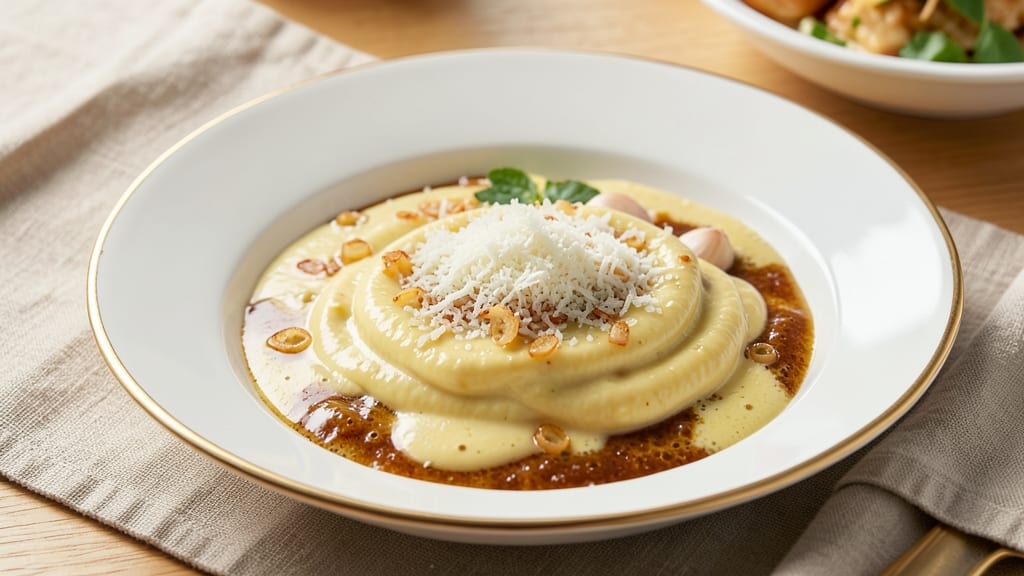
This America's Test Kitchen alfredo sauce recipe delivers restaurant-quality creaminess without lumps or separation. The secret lies in precise technique—melting butter properly, whisking cream over heat until it thickens just enough, and adding grated Parmesan gradually to create a velvety texture that clings perfectly to pasta.
After years of testing, this method guarantees a sauce so smooth it'll make you question why you ever bought store-bought.
The foundation starts with equal parts butter and heavy cream, cooked together until the butter transforms into a golden roux.
This creates the stable base that prevents curdling when you add the cheese. America's Test Kitchen discovered that using freshly grated Parmesan (not pre-shredded) and whisking constantly prevents clumps, while a splash of pasta water at the end ensures the sauce coats every strand. The result?
A sauce that's rich, creamy, and completely foolproof.
What makes this recipe stand out is its versatility—use it with fettuccine for classic Alfredo, toss it with grilled chicken for a quick weeknight meal, or drizzle it over roasted vegetables for added richness.
The sauce keeps well in the refrigerator for up to 5 days, and it reheats beautifully when warmed gently. No more grainy, separated Alfredo that ruins your pasta dish.
For those watching their fat intake, we've included a lighter version using half-and-half and reduced-fat cheese without sacrificing flavor. The key to success remains the same: patience and attention to temperature control. Let's get cooking with this foolproof method that'll elevate every pasta dish you make.
Ingredients for alfredo sauce recipe america's test kitchen
Eight essential ingredients transform into America's Test Kitchen's foolproof Alfredo sauce.
| Ingredient | Amount | Notes |
|---|---|---|
| Unsalted Butter 🧈 | ½ cup | Cold, cut into small cubes |
| Heavy Cream 🥛 | ½ cup | Full-fat for best texture |
| Freshly Grated Parmesan Cheese 🧀 | 1 cup | Block form, microplane preferred |
| Garlic Cloves 🧄 | 2 cloves | Minced, for aromatic base |
| Shallots 🧅 | 1 whole | Finely chopped, or sub 2 tbsp onion |
| Extra-Virgin Olive Oil 🫒 | 1 tbsp | For finishing, optional |
| Diamond Crystal Kosher Salt 🧂 | ¼ tsp | Adjust to taste |
| Freshly Ground Black Pepper 🌶️ | ¼ tsp | Freshly cracked preferred |
| Pasta Water 💧 | ¼ cup | Reserved from cooked pasta |
The butter is non-negotiable—unsalted, cold cubes create the perfect roux without burning. Plugrah or Land O'Lakes are reliable brands for consistent quality. Freshly grated Parmesan is the secret weapon; Parmigiano-Reggiano from a wedge melts smoothly, while pre-shredded adds graininess. For the garlic and shallots, mincing by hand releases more flavor than pre-minced jarred versions. The heavy cream should be full-fat—half-and-half works for lighter versions but lacks richness.
No heavy cream? Whole milk plus 1 tbsp butter mimics the texture. Fresh Parmesan unavailable? Pecorino Romano works in a pinch—grate it yourself for best results. Pre-minced garlic lacks freshness; smash cloves with knife blade for quick mincing. The olive oil finish isn't mandatory but adds brightness and depth. For extra silkiness, whisk in 1 tsp cornstarch with the cream at the end. Always use Diamond Crystal salt—it dissolves completely unlike table salt.
This sauce reheats beautifully—just warm gently on the stove with a splash of water. Keeps 5 days refrigerated in an airtight container, or 3 months frozen in ice cube trays for single servings. For restaurant-quality results, whisk constantly over medium-low heat—never let it boil. The pasta water splash at the end is critical; reserve 1 cup when cooking your noodles. This sauce doubles easily, so make extra for leftovers.
Why You'll Love This Recipe
- Here’s what sold me: the balance. Creamy but not heavy, nutty from the Parmesan, and that just-right garlic-shallot depth. It’s the kind of sauce that makes fettuccine taste like a hug—no weird aftertaste, just pure, velvety satisfaction.
- No-Fuss Technique: I swear by the way this sauce comes together—just melt butter, toast shallots until they’re sweet, and let the garlic sing without burning. The heavy cream thickens like magic, and you’re left with something restaurant-worthy without the fuss of roux or whisking for hours.
- Rich Without Overpowering: Here’s what sold me: the balance. Creamy but not heavy, nutty from the Parmesan, and that just-right garlic-shallot depth. It’s the kind of sauce that makes fettuccine taste like a hug—no weird aftertaste, just pure, velvety satisfaction.
- Weeknight to Dinner Party: Between us, this is my go-to for both Tuesday pasta and Sunday company. Double the batch, freeze half, and you’ve got a stress-free backup for last-minute guests. The sauce reheats like it was just made, so no one will guess it’s been sitting in the freezer.
Step-by-step instructions for america's Test Kitchen Alfredo sauce
This method delivers restaurant-quality Alfredo sauce that's silky, clump-free, and ready in just 20 minutes.
Melt Butter and Cook Aromatics
In a medium saucepan over medium heat, melt the 0.5 cup unsalted butter until it foams and subsides. Add the 1 whole finely chopped shallots and 2 cloves minced garlic, stirring constantly for 2-3 minutes until the shallots soften and the garlic becomes fragrant.
This step builds the aromatic foundation. Watch the heat carefully—you want the shallots to cook without browning. If the butter starts to brown too quickly, reduce the heat slightly. The aroma should be rich and inviting, not burnt. Stir frequently to prevent sticking.
Add Heavy Cream and Simmer
Pour in the 0.5 cup heavy cream and bring the mixture to a gentle simmer. Reduce the heat to low and let it cook uncovered for 5-7 minutes, stirring occasionally, until the mixture thickens slightly and coats the back of a spoon.
Don't walk away during this stage. The sauce should bubble gently but not vigorously. If it starts to bubble too rapidly, reduce the heat immediately. You're looking for a smooth, velvety texture—not a thick, clumpy consistency. This simmering step ensures the cream fully incorporates and develops flavor.
Incorporate Parmesan Cheese
Remove the saucepan from heat. Gradually whisk in the 1 cup freshly grated Parmesan cheese until fully combined and smooth. If the sauce appears too thick, whisk in 1-2 tablespoons of the pasta water to reach your desired consistency.
Here's where precision matters. The cheese should melt completely without creating lumps. If you see any clumps forming, strain the sauce through a fine-mesh sieve for an ultra-smooth finish. The sauce should be creamy and glossy, with a rich, nutty Parmesan flavor that dominates.
Season and Finish
Return the sauce to low heat and stir in the 0.25 teaspoon kosher salt and 0.25 teaspoon freshly ground black pepper. Taste and adjust the seasoning if needed, adding more salt or pepper as required. For extra richness, drizzle in the 1 tablespoon extra-virgin olive oil and stir to combine.
This final seasoning step is critical. The sauce should be well-balanced—savory from the Parmesan, rich from the cream, and properly seasoned. If the sauce seems too thick after cooling, whisk in additional pasta water to loosen it to your preferred consistency. The sauce should coat the back of a spoon but still flow smoothly.
Serve Immediately
Transfer the Alfredo sauce to a serving bowl or directly over cooked pasta. Serve immediately to maintain its silky texture and prevent it from separating. For best results, toss the sauce with hot pasta right before serving to create a creamy, cohesive dish.
This sauce is at its peak when served fresh. The residual heat from the pasta will help blend the sauce evenly, creating that classic Alfredo experience. If you need to reheat leftovers, do so gently over low heat, stirring constantly and adding a splash of pasta water if necessary to restore creaminess.
Pro Tips For Making Alfredo Sauce Recipe America'S Test Kitchen
- Melt Butter Slowly: America’s Test Kitchen swears by low-and-slow for butter here—no rushing. If you crank the heat, you’ll end up with a broken sauce instead of a silky one. Think "gentle simmer," not "boiling frenzy," and keep the butter moving with a wooden spoon.
- Grate Parmesan Fresh: Pre-shredded cheese is the enemy of Alfredo. It’s coated in anti-caking agents that turn your sauce grainy. Use a microplane or fine grater—even a box grater with the smallest holes—and grate it right before stirring it in. No excuses.
- Sweat Shallots First: Don’t sauté them—sweat them. Chop shallots finely, cook them in the butter over medium-low heat until they’re translucent but not brown. Browned shallots add bitterness, and this sauce is all about creamy, mellow flavor. Patience here makes the difference.
- Temper the Cream: Cold heavy cream straight into hot butter? That’s a recipe for curdling. Warm the cream slightly first—just until it’s lukewarm to the touch—before slowly whisking it into the butter. Your sauce will stay smooth, not lumpy. Trust the process.
Wine and beer pairings for this recipe
Classic Italian Whites
For this rich, creamy Alfredo sauce, I always reach for a dry, medium-bodied Italian white wine like Pinot Grigio from Alto Adige or Vermentino from Sardinia. Their crisp acidity and citrus notes cut through the sauce's richness beautifully, cleansing your palate between bites.
A glass of Soave Classico—made from Garganega grapes—also works wonderfully, offering a slightly nutty profile that complements the Parmesan. 🍷
Crisp Lager Pairings
If you prefer beer, a crisp Italian lager like Peroni or Moretti is my go-to choice. The light, effervescent quality balances the sauce's heaviness, while the subtle malt sweetness enhances the creamy texture.
For something more adventurous, try a Belgian witbier like Hoegaarden—its peppery, citrusy notes add a refreshing contrast to the richness. Avoid heavy stouts or IPAs, as they can overpower the delicate flavors of the sauce.
Rich Red Alternatives
For those who prefer red wine, a light-bodied Chianti or Sangiovese from Tuscany pairs surprisingly well. The bright acidity and cherry notes in these wines stand up to the sauce without competing. I recommend a Chianti Classico with its earthy undertones, which adds depth to the dish.
If you're serving Alfredo with chicken or shrimp, a Pinot Noir from Oregon or California offers a smoother, more versatile pairing.
Non-Alcoholic Options
Don’t overlook non-alcoholic choices! A sparkling apple cider like Martinelli’s adds a festive touch and balances the sauce’s creaminess with its bright acidity. For something more sophisticated, try a sparkling white grape juice—look for brands like Martinelli’s Sparkling White Grape Juice—which mimics the crispness of white wine.
A ginger beer with a squeeze of lemon can also work, especially if you’ve added a hint of garlic or chili to your sauce.
Seasonal Wine Swaps
In warmer months, opt for a chilled Rosé—a Provençal-style Rosé from France or a dry Italian Rosé like Santa Margherita Rosato—to complement the sauce’s richness without overwhelming it.
For fall and winter, a dry Riesling from Germany or Austria brings a touch of sweetness and acidity that pairs beautifully with the creamy texture. The key is to match the wine’s acidity to the sauce’s richness for a harmonious bite.
Nutrition facts
Frequently asked questions
Why does America's Test Kitchen Alfredo sauce turn out so smooth?
The secret lies in three key techniques: using cold cubed butter instead of melted butter for a stable base, whisking the heavy cream over medium-low heat until it thickens slightly (not boiling), and adding freshly grated Parmesan off the heat while whisking constantly. This prevents lumps and creates that signature velvety texture.
Can I substitute heavy cream with something lighter?
Yes! For a lighter version, replace the 0.5 cup heavy cream with 0.5 cup whole milk plus 1 tablespoon butter. For even less fat, use 0.5 cup half-and-half, though the texture will be slightly less rich. Always whisk vigorously to prevent separation. The sauce will still coat pasta well, just with a slightly thinner consistency.
What's the best way to fix Alfredo sauce that's too thick?
Whisk in 1-2 tablespoons of pasta water at a time until you reach your desired consistency. The starch in the water acts as a natural thickener regulator. If the sauce still seems too heavy, warm it gently over low heat while stirring constantly—this helps restore creaminess. Never add cold water, as it can cause the sauce to separate.
How do I make this sauce ahead of time?
This sauce keeps well in an airtight container in the refrigerator for up to 5 days. For freezing, portion into ice cube trays and transfer to a freezer bag—this makes it easy to thaw just what you need. Reheat gently over low heat, stirring constantly and adding a splash of pasta water if needed to restore creaminess. Never microwave directly from frozen.
Can I add garlic powder instead of fresh garlic?
While you can use 1/2 teaspoon garlic powder as a substitute, fresh minced garlic adds much more depth and aroma. The recipe specifically calls for fresh garlic because its volatile oils release more flavor when cooked. If you must use powder, add it with the salt and pepper at the very end for best results.