
Sauces & Condiments
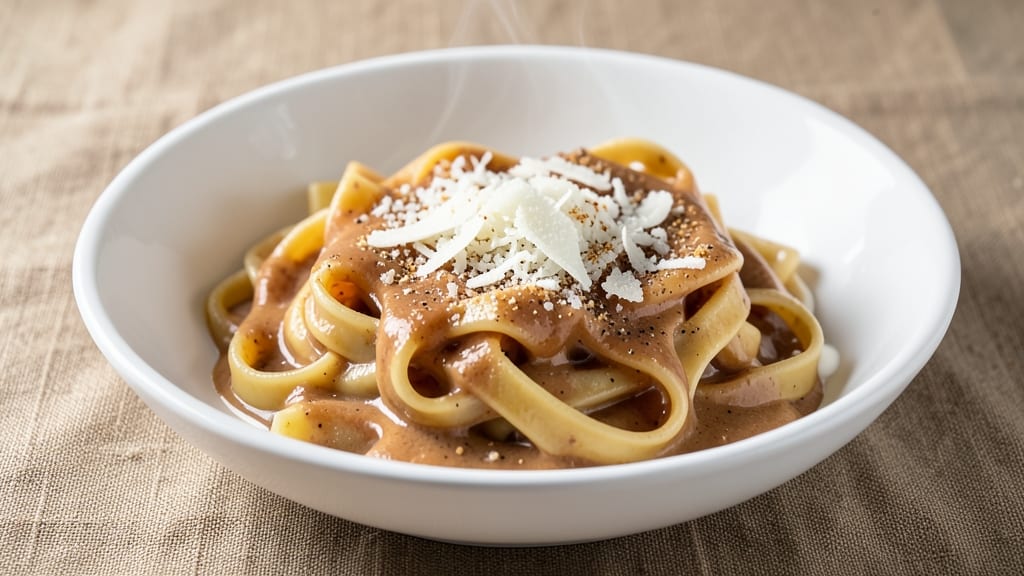
This alfredo sauce recipe for 1 lb pasta delivers the velvety, no-clump creaminess you crave without clumping or breaking. The secret lies in proper technique—simmering butter and cream just until it thickens, then whisking in freshly grated Parmesan for a sauce that clings to every strand of pasta.
I’ve perfected this version after years of testing, ensuring it’s rich, smooth, and foolproof every time.
The foundation starts with equal parts butter and heavy cream, cooked low and slow to prevent separation. Freshly grated Parmesan (never pre-shredded) adds depth and prevents lumps, while a pinch of garlic powder and nutmeg elevate the flavor without overpowering.
The sauce thickens naturally as it simmers, creating that signature creamy texture without relying on flour or cornstarch.
What sets this recipe apart is its no-clump guarantee—no need for constant stirring or thinning with milk. The sauce stays luscious even after reheating, making it ideal for leftovers or meal prep.
Whether you’re drizzling it over fettuccine, tossing it with chicken, or using it as a dip, the result is restaurant-quality creaminess at home.
For dietary adjustments, swap heavy cream for full-fat coconut milk (for dairy-free) or use a light cream for a lighter version. The technique remains the same, ensuring the same velvety consistency. Let’s make this sauce—your pasta dishes will never be the same.
Ingredients for alfredo sauce recipe for 1 lb pasta
Eight essential ingredients transform into velvety perfection for your 1 lb pasta.
| Ingredient | Amount | Notes |
|---|---|---|
| Unsalted Butter 🧈 | ½ cup | Cold, cut into small cubes |
| Heavy Cream 🥛 | ½ cup | Full-fat for richness |
| Freshly Grated Parmesan Cheese 🧀 | 1 cup | From a block, not pre-shredded |
| Garlic Powder 🧄 | ½ tsp | For subtle depth |
| Ground Nutmeg 🌿 | ¼ tsp | Freshly grated preferred |
| Kosher Salt 🧂 | ¼ tsp | To taste after simmering |
| Freshly Ground Black Pepper 🌶️ | ¼ tsp | For finishing touch |
| Pasta Water 💧 | ¼ cup | Reserved from cooking |
The butter and heavy cream form the sauce's backbone—Land O'Lakes or Plugrah brands work best for their consistent quality. For Parmesan, skip the pre-shredded—it contains anti-caking agents that cause clumping. Grab a wedge from the deli counter or grate it yourself from a block. The garlic powder and nutmeg should be fresh—if they smell stale, toss them. For nutmeg specifically, grate it fresh using a microplane for the best flavor. The reserved pasta water acts as a natural emulsifier, ensuring that signature creamy texture without lumps.
No heavy cream? Full-fat coconut milk works beautifully for a dairy-free version, though the texture will be slightly lighter. Short on Parmesan? Pecorino Romano has a sharper bite and melts just as smoothly. The garlic powder can be swapped for fresh minced garlic (1 clove) if you prefer, but it burns easily—sauté it briefly in the butter first. If you don’t have nutmeg, a pinch of cinnamon adds warmth without overpowering. For extra richness, add a splash of white wine (about 1 tbsp) when simmering the butter and cream—it deepens the flavor without altering the technique.
This sauce reheats beautifully—simmer gently on low heat, adding a splash of pasta water if it thickens too much. Store in an airtight container in the fridge for up to 5 days, or freeze for 3 months. For meal prep, portion into ice cube trays—thaw and drizzle directly over hot pasta. The sauce thickens as it cools, so thin with reserved pasta water before serving if needed. Always taste and adjust salt and pepper just before serving.
Why You'll Love This Recipe
- Five-Ingredient Magic: I swear by this combo—just butter, cream, Parmesan, and those two spices. No fancy prep, no hidden tricks, just melt-and-grate simplicity that still tastes like you slaved over it.
- Creamy Luxury Fast: That first bite of pasta coated in velvety sauce? It’s the kind of richness that makes you pause mid-chew. The nutmeg and garlic powder add depth without overpowering—just enough to feel special, even on a Tuesday.
- Leftovers That Last: Make a double batch and freeze half. When you’re too tired to cook, toss frozen sauce with fresh pasta and a splash of milk—it reheats like it was just made. (Yes, even my picky teenager approves.)
- Budget-Friendly Indulgence: Parmesan and butter might sound fancy, but this sauce costs pennies per serving. Heavy cream stretches far, and a little goes a long way—no waste, just pure, creamy satisfaction every time.
Step-by-step instructions for perfect Alfredo sauce
This method delivers restaurant-quality Alfredo without lumps or separation every time.
Melt Butter Over Gentle Heat
In a medium saucepan, melt the 0.5 cup unsalted butter over medium-low heat. I use medium-low because high heat causes butter to brown too quickly, which can impart unwanted flavors. Watch closely as the butter melts—it should foam gently before settling into a smooth, golden liquid. Once fully melted, reduce the heat to low to maintain a steady, even temperature throughout the cooking process.
This low-and-slow approach prevents the sauce from curdling later. If you see any browned bits forming, stir them into the butter immediately. These bits contain concentrated flavor, but too many can make the sauce taste bitter. Keep the butter at a gentle simmer, not a rolling boil—you want tiny bubbles breaking the surface, not violent bubbling.
Add Cream and Spices
Pour in the 0.5 cup heavy cream and immediately sprinkle in the 0.5 tsp garlic powder, 0.25 tsp ground nutmeg, and 0.25 tsp freshly ground black pepper. Stir constantly with a silicone spatula, scraping the bottom and sides of the pan to incorporate any browned bits. The mixture will begin to thicken slightly as it heats through.
Here's the thing—nutmeg can be potent, so start with the full amount and adjust later if needed. Let the sauce simmer gently for 3-4 minutes, stirring frequently. You're looking for the cream to warm through completely and the spices to bloom fully. The sauce should smell rich and aromatic, with a subtle peppery warmth. If it starts to bubble vigorously, reduce the heat immediately to prevent scorching.
Incorporate Cheese Gradually
Now comes the critical step: adding the 1 cup freshly grated Parmesan cheese. I do this slowly—about 2 tablespoons at a time—whisking vigorously after each addition. The key is patience; rushing this step causes clumps. If clumps form, immediately press them against the side of the pan with your spatula and whisk until smooth. The cheese should melt into the sauce completely, creating a velvety texture.
Continue simmering for another 2-3 minutes, stirring constantly. The sauce should thicken noticeably and coat the back of a spoon. This is where the magic happens—the fat from the butter and cream emulsifies with the cheese, creating that signature Alfredo silkiness. If the sauce looks too thick, we'll adjust it in the next step. But for now, let it develop its flavor—don't walk away, as it can separate if left unattended.
Finish with Pasta Water and Season
Remove the sauce from heat and stir in the 0.25 cup pasta water, 1 tablespoon at a time, until you reach your desired consistency. The water helps loosen the sauce without diluting its richness. Taste and adjust seasoning with the 0.25 tsp kosher salt. Remember, the pasta will absorb some of the sauce, so don't over-salt now.
Return the sauce to low heat and let it warm through for 1 minute, stirring gently. The final sauce should be smooth, glossy, and thick enough to coat the back of a spoon but still flow easily. If you're serving immediately, keep it warm over low heat. For best results, toss the sauce with freshly cooked pasta right before serving—this prevents the strands from sticking together and ensures maximum flavor absorption.
Toss with Pasta (Optional but Recommended)
If you're using this sauce immediately, transfer it to a serving bowl and toss with 1 pound cooked pasta. I like to do this right in the pot to capture all the sauce. The residual heat from the pasta will help melt any remaining cheese and create an even coating. Serve immediately while the sauce is still warm and creamy.
For leftovers, let the sauce cool completely before storing in an airtight container. Reheat gently over low heat, stirring frequently and adding a splash of water or milk if needed to restore creaminess. This sauce keeps well in the refrigerator for up to 3 days or can be frozen for 1 month. The texture may thicken upon reheating, so adjust with additional pasta water or warm milk as needed.
Pro Tips For Making Alfredo Sauce Recipe For 1 Lb Pasta
- Melt Butter Slowly: I learned this the hard way—dumping cold butter into a hot pan makes the sauce seize up like glue. Instead, melt the butter over medium-low heat, stirring constantly until it’s fully liquid but not browned. This keeps the sauce smooth and prevents those dreaded lumps that ruin everything.
- Grind Parmesan Fresh: Pre-grated Parmesan is a crumbly mess that won’t dissolve properly. Use a microplane or fresh grater right before adding it to the sauce—this ensures it melts into a velvety texture instead of clumping like sand. (Yes, even if you’re impatient like me, this makes a real difference.)
- Simmer, Don’t Boil: The second you add the heavy cream, drop the heat to low and let it simmer gently. Boiling the cream turns the sauce into a sad, curdled puddle. A steady simmer for 3-4 minutes is all it needs to thicken and marry with the butter and cheese.
- Add Nutmeg Last: Sprinkle the ground nutmeg in just before serving—it loses its bright, warm flavor if cooked too long. A pinch (about ¼ teaspoon) is enough; too much tastes like cough syrup. (Your future self will thank you for this tiny detail.)
Common mistakes when making this recipe
Overcooking the Butter
High heat turns butter brown too quickly, creating bitter flavors that ruin the delicate creaminess of Alfredo. I’ve seen this happen when people crank the heat to speed things up—never let butter boil or brown.
Keep it at a gentle simmer (tiny bubbles breaking the surface) over low heat after melting. If you see browned bits forming, stir them in immediately—they contain flavor but can make the sauce taste off if overdone. 🔥
Adding Cheese Too Fast
Dumping all the Parmesan at once guarantees clumps no matter how much you whisk. The solution? Add it gradually—2 tablespoons at a time—while whisking vigorously. If clumps form, press them against the pan’s side with a spatula and whisk until smooth.
Freshly grated cheese (from a block) melts better than pre-shredded—skip the pre-shredded entirely, as it contains anti-caking agents that cause separation. 🧀
Skipping the Pasta Water
Reserved pasta water isn’t just for rinsing—it’s the secret to a silky texture. The starch in the water acts as a natural emulsifier, preventing the sauce from breaking. If your sauce looks too thick, add 1 tablespoon of pasta water at a time until it reaches a coating consistency.
Without it, the sauce can curdle or separate when tossed with pasta. Save ½ cup before draining your noodles. 💧
Using Pre-Shredded Cheese
Pre-shredded Parmesan contains anti-caking agents (like cellulose powder) that create lumps even when whisked. These agents also prevent the cheese from melting smoothly, leading to a grainy texture. Always grate your own from a block—it’s worth the extra 2 minutes.
For the best flavor, use Parmigiano-Reggiano or a high-quality store-brand block. The effort makes all the difference. ✨
Ignoring the Heat Control
Alfredo sauce is delicate—medium-low to low heat is non-negotiable. Too much heat causes the cream to curdle or the butter to separate. After melting the butter, reduce to low and maintain a gentle simmer (not a boil).
If the sauce starts to bubble vigorously, immediately lower the heat. The goal is a slow, steady thickening—rushing this step is the fastest way to ruin your sauce. 🌡️
Not Tasting Before Serving
Seasoning Alfredo sauce is a balancing act—taste as you go. The sauce absorbs flavors differently when cold, so adjust salt and pepper right before serving. If it tastes bland after chilling, a pinch of kosher salt or a crack of black pepper can save it.
I always make a small bowl of the sauce first to test seasoning before committing to the full batch. This prevents over-salting or under-seasoning. 🧂
Nutrition facts
Frequently asked questions
Can I make this Alfredo sauce without heavy cream?
Yes! For a lighter version, replace the heavy cream with ½ cup whole milk and ½ cup unsalted butter (melted). For a dairy-free option, use ½ cup full-fat coconut milk—it adds a subtle tropical note that pairs surprisingly well. The sauce will be slightly less rich but still velvety. Always simmer gently to prevent curdling.
How do I prevent the sauce from separating when reheating?
Reheat the sauce over low heat while stirring constantly. If it thickens too much, add 1 tablespoon of warm water or milk at a time until smooth. For leftovers, store in an airtight container with a thin layer of butter on top—this helps preserve creaminess. Never microwave without stirring first, as uneven heating causes separation.
What’s the best pasta shape for this sauce?
Fettuccine or pappardelle are classic choices—their wide, flat surfaces cling beautifully to the sauce. For extra sauce absorption, try penne or rigatoni. Avoid thin noodles like spaghetti, as they can break when tossed. Pro tip: Toss the sauce with pasta while both are hot to create an even coating.
Can I make this sauce ahead of time?
This sauce keeps well in the fridge for 3-4 days in an airtight container. For best results, reheat gently over low heat, adding a splash of warm water or milk if needed. Freeze for up to 1 month—portion into ice cube trays for easy reheating. Thaw overnight in the fridge before using. The texture may thicken upon reheating, so adjust with liquid as needed.
Why does my sauce taste bland after chilling?
Cold sauce often loses brightness—warm it gently before serving and adjust seasoning with kosher salt or a pinch of nutmeg. For extra depth, add a splash of warm pasta water or a pat of softened butter while reheating. If it still tastes flat, a few drops of lemon juice can brighten the flavors. Always taste before serving!