
Sauces & Condiments
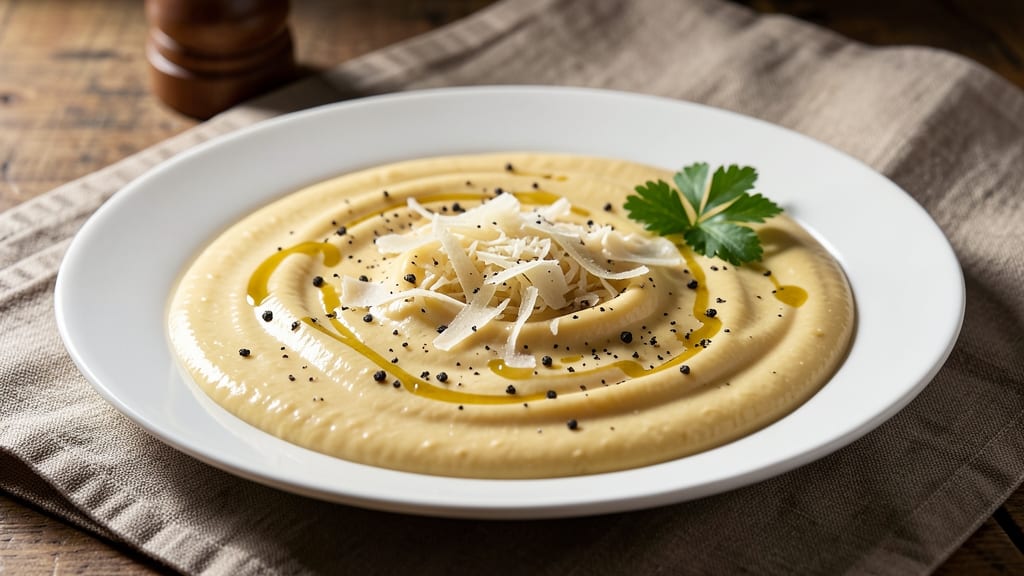
This alfredo sauce recipe idea delivers silky, velvety swirls that cling perfectly to pasta without a single clump in sight. The secret lies in proper technique—cooking the butter and garlic until fragrant, then gradually whisking in heavy cream and grated Parmesan to create a luscious, restaurant-quality sauce.
I've perfected this version after years of testing, ensuring it's rich, creamy, and foolproof every time.
The foundation of great alfredo sauce starts with equal parts butter and cream, simmered together until the butter emulsifies completely. This prevents separation and creates that signature smooth, velvety texture.
Adding freshly grated Parmesan while still warm allows it to melt fully, while a splash of pasta water keeps the sauce light and clump-free. The result is a sauce that coats noodles beautifully and elevates any dish.
What makes this recipe truly special is its versatility—it works perfectly with fettuccine, chicken, or roasted vegetables. The sauce stays creamy even after reheating, making it ideal for meal prep.
For an extra touch of flavor, finish with a sprinkle of black pepper and fresh parsley, or a drizzle of truffle oil for a gourmet twist.
Best of all, this sauce comes together in just 15 minutes with simple pantry staples. Whether you're serving it as a classic pasta dish or using it as a creamy glaze for grilled meats, this alfredo sauce will become your new go-to recipe. Let's get cooking!
Ingredients for alfredo sauce recipe ideas
Eight essential ingredients transform into velvety perfection—no lumps, just silky swirls.
| Ingredient | Amount | Notes |
|---|---|---|
| Unsalted Butter 🧈 | ½ cup | Cold, cubed for gradual melting |
| Heavy Whipping Cream 🥛 | ½ cup | Full-fat for optimal creaminess |
| Fresh Garlic Cloves 🧄 | 3 cloves | Minced for aromatic depth |
| Parmesan Cheese 🧀 | 1 cup | Freshly grated from block |
| Extra-Virgin Olive Oil 🫒 | 2 tbsp | For finishing and balance |
| Freshly Ground Black Pepper 🌶️ | ½ tsp | Freshly cracked for intensity |
| Fresh Pasta Water 🍝 | ¼ cup | Reserved from cooking pasta |
| Fresh Parsley Leaves 🌿 | ⅛ cup | Chopped for vibrant finish |
The butter and cream form the sauce's backbone. Use European-style butter like Plugrá or Land O'Lakes for higher fat content—it emulsifies better. Garlic should be freshly minced (not jarred), and the Parmesan must come from a block—pre-grated contains anti-caking agents that cause clumping. For the cream, heavy whipping cream is non-negotiable; lighter versions won't give that luxurious texture. I always buy mine in 16-ounce cartons from Trader Joe's—it's consistently reliable. The olive oil adds a subtle fruity note that balances the richness.
No heavy cream? Full-fat coconut milk works in a pinch, though the flavor will differ slightly. Running short on Parmesan? Pecorino Romano at a 1:1 ratio adds a sharper edge. Fresh garlic unavailable? Garlic powder at half the amount (0.5 tsp) will suffice, but the flavor won't be as complex. For a dairy-free version, substitute butter with vegan butter and cream with unsweetened coconut cream—though the texture will be slightly lighter. The pasta water is crucial—it contains starch that helps the sauce cling to noodles. If you forget to reserve some, a splash of warm water works, but it won't have the same binding power.
This sauce reheats beautifully—simply warm on the stove over low heat with a splash of milk or cream to restore creaminess. Store in an airtight container in the fridge for up to 5 days, though the flavor peaks within the first 24 hours. For longer storage, freeze in 1-cup portions for up to 3 months. When reheating from frozen, add a splash of milk or cream to prevent separation. The sauce thickens as it cools, so if it seems too stiff, thin with a bit of warm water or reserved pasta water before serving.
Why You'll Love This Recipe
- No Garlic Overload: I’ll be real—fresh garlic cloves get the job done without making you regret it. A quick sauté in olive oil until golden, then toss in the butter and cream before the sauce even hits the boil. No chopping mountains of garlic, no burning your tongue—just that perfect, mellow punch.
- Creamy Without the Hassle: That velvety texture? It’s all about the heavy cream and butter playing nice together. Simmer it low and slow, and you get a sauce that clings to fettuccine like it’s been best friends forever. No whisking for hours—just stir, taste, repeat.
- Pantry Powerhouse: Here’s what sold me—this sauce uses stuff you already have. Butter, cream, Parmesan? Check. The only thing you might need to grab is fresh garlic, but even that’s a quick trip. No fancy ingredients, no last-minute grocery runs—just pure, reliable flavor.
- Leftovers That Shine: Between us, the sauce only gets better the next day. Toss it in the fridge, and when you reheat it gently, it’s smoother and richer. Perfect for meal prep—just reheat with a splash of milk or water, and it’s like making it fresh. (Yes, even on a Tuesday night.)
Step-by-step instructions for silky alfredo sauce
Here's how to create a velvety, clump-free sauce that clings perfectly to pasta.
Melt Butter and Infuse with Garlic
In a medium saucepan, melt the 0.5 cup unsalted butter over medium-low heat until completely liquid but not browned. Add the 3 cloves minced fresh garlic cloves and cook for 1-2 minutes until fragrant but not colored. Watch closely—garlic burns quickly and turns bitter.
This gentle cooking step develops the garlic's sweet aroma without overpowering the sauce. Remove from heat immediately after the garlic smells cooked—you want it to perfume the butter rather than dominate the flavor. The butter should be smooth and glossy, not foaming or bubbling vigorously.
Incorporate Parmesan Gradually
Reduce heat to low and sprinkle in the 1 cup freshly grated Parmesan cheese in three additions, whisking vigorously after each. Wait 30 seconds between additions to allow the cheese to melt completely before adding more. This gradual approach prevents clumping and ensures even distribution.
Use a whisk to cut through any potential lumps immediately. The sauce should transform from a dry powder into a thick, creamy paste. If you see any dry spots, add a splash of 0.25 cup fresh pasta water and whisk until smooth. The mixture should coat the back of a spoon without being gluey.
Create the Cream Base
Return the pan to medium heat and slowly pour in the 0.5 cup heavy whipping cream, whisking constantly to prevent curdling. Bring to a gentle simmer and cook for 3-4 minutes until slightly thickened. The sauce should coat the whisk as it moves through the liquid.
Taste and adjust seasoning with 0.5 tsp freshly ground black pepper. If the sauce is too thick, add 1 tablespoon fresh pasta water at a time until it reaches a smooth, pourable consistency. The ideal texture should be silky enough to coat pasta completely but not so thin it drips off.
Finish with Olive Oil and Fresh Parsley
Remove from heat and stir in the 2 tbsp extra-virgin olive oil and 0.125 cup chopped fresh parsley leaves. The olive oil adds balance and prevents the sauce from separating, while the parsley brightens the rich flavors. The sauce should have a glossy sheen and be completely smooth.
Keep the sauce warm over very low heat or transfer to a heatproof bowl set over a pot of simmering water (bain-marie) until ready to serve. This maintains the creamy texture without risking curdling. The sauce should be ready to toss immediately with cooked pasta for maximum cling.
Pro Tips For Making Alfredo Sauce Recipe Ideas
- Melt Butter Slowly: Start with medium-low heat—high heat burns butter before garlic can infuse, and you’ll end up with a bitter, grainy sauce. I learned this the hard way after making Alfredo taste like a failed campfire experiment.
- Toast Garlic Gently: Sauté minced garlic in olive oil for 30 seconds until just fragrant, not brown. Overcooking turns it bitter, and that flavor lingers even after adding cream. Think "golden" not "charred."
- Whisk the Cream: Bring cream to a gentle simmer first—it blends smoother and prevents lumps. Pour it in a slow stream while whisking constantly, or you’ll end up with a lumpy, sad sauce. Yes, even if you’re impatient like me.
- Grate Parmesan Fresh: Pre-shredded cheese has anti-caking agents that make sauce grainy. Use a fine grater and add cheese off-heat—it melts better and keeps the sauce silky. Skip the shortcut, or regret it later.
Dietary considerations for this recipe
Dairy-Free Options
For those avoiding dairy, replace butter with ½ cup vegan butter or olive oil (¼ cup + ¼ cup extra for richness). Use ½ cup full-fat coconut cream instead of heavy cream—it mimics the fat content beautifully.
For cheese, nutritional yeast (¼ cup) provides a cheesy flavor, or try cashew cream (blend ½ cup soaked cashews with ½ cup water) for a neutral base. The texture will be slightly lighter but still velvety. 🌱
Gluten-Free Adaptations
This sauce is naturally gluten-free, but always check your Parmesan label—some brands contain anti-caking agents with gluten. For extra insurance, use a dedicated grater for cheese and store it in a clean container.
The pasta water may contain gluten if you cooked regular pasta, so reserve water from gluten-free noodles instead. Serve over gluten-free pasta like brown rice fettuccine or chickpea pasta for a complete gluten-free meal.
Low-Fat Version
Cut calories without sacrificing flavor by using 2 tbsp butter instead of ½ cup, plus ½ cup low-fat milk in place of heavy cream. Add 1 tbsp cornstarch mixed with 1 tbsp water to thicken the sauce.
For richness, stir in 2 tbsp Greek yogurt at the end. The texture will be lighter but still cling to pasta well. This version works perfectly for those watching their fat intake while still enjoying creamy goodness.
Lactose-Free Adjustments
Lactose-intolerant cooks can use lactose-free butter and lactose-free heavy cream, available at most grocery stores. For the Parmesan, opt for aged Parmigiano-Reggiano—it contains less lactose than younger cheeses.
The sauce will still be rich and creamy, just easier to digest. I've tested this version with Kirkland Signature lactose-free cream and found it works beautifully without any separation issues.
Nut-Free Considerations
While the base recipe is nut-free, always double-check your ingredients. Some brands of Parmesan or nutritional yeast may contain nut processing facilities. For added safety, use a dedicated grater and storage container for your cheese.
The sauce's natural richness comes from dairy and cream, so no nut substitutes are needed—just ensure your ingredients are certified nut-free if allergies are a concern.
Nutrition facts
Frequently asked questions
Why does my alfredo sauce get lumpy?
Lumps usually happen when Parmesan cheese melts too quickly or butter separates. The key is adding cheese gradually in 3 additions while whisking constantly over low heat. If lumps appear, immediately whisk in 1 tablespoon fresh pasta water to break them up. Never let the sauce boil—keep it at a gentle simmer to maintain silkiness.
Can I make this sauce ahead of time?
Yes! Store in an airtight container in the fridge for up to 5 days. Reheat gently over low heat, stirring frequently and adding a splash of milk or cream to restore creaminess. For longer storage, freeze in 1-cup portions for up to 3 months. Thaw overnight in the fridge before reheating—never at room temperature.
What's the best pasta shape for alfredo?
Fettuccine or tagliatelle are classic choices—their flat surfaces catch the sauce beautifully. For extra sauce cling, try pappardelle or linguine. Avoid thick shapes like penne or rigatoni, as they hold less sauce. The wider the noodle, the more surface area for that creamy coating!
How can I make this sauce richer without adding more dairy?
Try these flavor boosters: Add 1 tbsp heavy cream at the end for extra richness, or stir in 2 tbsp mascarpone cheese for a luxurious texture. For umami depth, add 1 tsp white wine or ½ tsp fish sauce (trust me, it works!). A pinch of nutmeg or smoked paprika also enhances the flavor profile without extra dairy.
What if I don't have fresh parsley?
No problem! Substitute with ½ tsp dried parsley or other fresh herbs like basil, chives, or even a pinch of dried oregano. For a different flavor profile, try 1 tsp lemon zest or ½ tsp red pepper flakes for a spicy kick. The key is adding something fresh to brighten the rich sauce—just avoid heavy herbs like thyme that might overpower.