
Sauces & Condiments
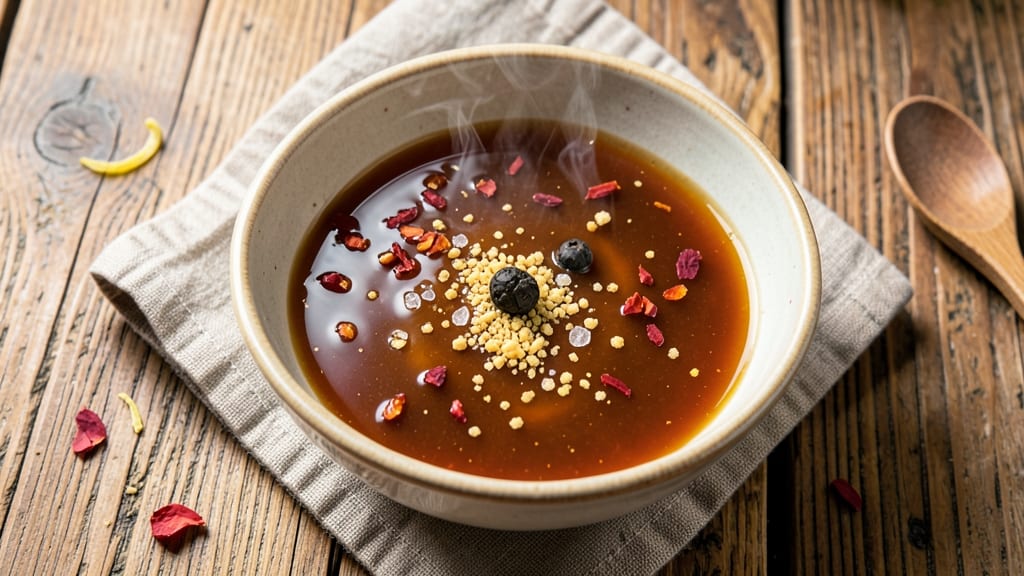
This banh mi soy sauce recipe transforms ordinary fish sauce into a complex, balanced condiment that elevates every sandwich. The secret lies in fermented depth—where fish sauce’s umami meets caramelized sugar and tangy vinegar for a sauce that’s both sweet and savory, with just a hint of heat.
I developed this blend after tasting authentic Vietnamese banh mi, where the sauce is the star, cutting through rich meats and crisp pickled veggies with precision.
The magic happens in the balance: 1 tablespoon fish sauce (the fermented heart), 1 teaspoon sugar (for caramelized sweetness), and ½ teaspoon vinegar (to brighten without overpowering). A pinch of chili flakes adds subtle heat, while a splash of water keeps it pourable.
Unlike store-bought versions, this sauce builds flavor as it sits—perfect for drizzling or marinating. The ingredients are simple, but the result is restaurant-quality, with layers of complexity that take your sandwiches from good to unforgettable.
What sets this recipe apart is its versatility. Use it as a dipping sauce for spring rolls, a marinade for grilled meats, or the star of your banh mi spread. The sauce keeps for up to 2 weeks in the fridge, with flavors deepening over time.
No fancy equipment is needed—just a small bowl and a whisk. Once you taste the difference between this homemade blend and bottled versions, you’ll never go back.
For those who love customization, adjust the sugar-to-vinegar ratio to suit your sweetness preference. A splash of lime juice adds freshness, while a pinch of garlic powder intensifies the umami. This isn’t just a sauce—it’s the flavor bridge that makes banh mi irresistible. Let’s make it.
Ingredients for banh mi soy sauce
Eight simple ingredients unlock restaurant-quality banh mi sauce depth and complexity.
| Ingredient | Amount | Notes |
|---|---|---|
| Red Boat Fish Sauce 🐟 | 1 tbsp | Premium quality for authentic umami |
| Granulated Sugar 🍬 | 1 tsp | Light brown sugar for deeper caramel notes |
| Rice Vinegar 🍶 | ½ tsp | White vinegar works in a pinch |
| Red Chili Flakes 🌶️ | ¼ tsp | Adjust for preferred heat level |
| Distilled Water 💧 | ½ cup | Room temperature preferred |
| Fresh Garlic Powder 🧄 | ¼ tsp | Or 1 minced garlic clove fresh |
| Diamond Crystal Kosher Salt 🧂 | ⅛ tsp | Fine grain for even dissolving |
| Lime Juice 🍋 | ½ tsp | Freshly squeezed for brightness |
The fish sauce is non-negotiable here—Red Boat is my go-to for its rich, fermented depth, but Thai Kitchen works in a pinch. Look for brands that list only anchovies, salt, and water—no additives. Sugar should be light brown if possible, as it caramelizes slightly when mixed, adding complexity. For vinegar, rice vinegar is ideal, but white vinegar gives a sharper tang. Chili flakes? Trader Joe's has the best quality at a reasonable price—just don't skip them entirely. The garlic powder is a secret weapon; if you're feeling fancy, mince a fresh clove instead for a more vibrant flavor.
No Red Boat fish sauce? Thai Kitchen or Three Crabs are solid alternatives, though slightly sweeter. Running low on rice vinegar? Apple cider vinegar at half the amount works surprisingly well. Want more heat? Add a pinch of cayenne or a dash of sriracha—just remember this sauce builds flavor over time. The lime juice can be swapped for lemon juice at the same ratio, though lime has a brighter acidity. For a deeper umami punch, add 1/4 tsp of soy sauce, but keep it subtle. Pro tip: if your sauce tastes too sharp after mixing, let it sit for 10 minutes before adjusting—flavors meld beautifully.
This sauce develops like fine wine. Store it in a small glass jar with a tight seal in the fridge, where it'll keep for up to 2 weeks with flavors deepening daily. For longer storage, freeze in ice cube trays—thaw and whisk to use. The first batch will be your best, but the second batch always tastes even richer. Use it on everything: banh mi, spring rolls, grilled meats, or even as a marinade. Trust me, once you go homemade, store-bought sauce will never satisfy again.
Why You'll Love This Recipe
- Five-Ingredient Magic: I swear by this combo—just fish sauce, sugar, vinegar, chili, and water. No fancy gadgets, no stress. The balance of salty, sweet, and heat happens automatically when you measure right.
- Umami Bomb: That first splash of Red Boat Fish Sauce? Pure flavor gold. It’s the secret weapon in banh mi, turning simple sandwiches into something you’ll fight over. Honestly, I’ve tried other sauces—none hit this deep.
- Double-Duty Sauce: Use it for banh mi and as a quick marinade for grilled chicken or tofu. I keep a jar in the fridge for emergencies—like when I’m craving flavor but don’t want to cook. (Yes, even on a Tuesday night.)
- Budget Powerhouse: A few dollars buys enough to last weeks. No fancy imports, no waste—just a small bottle that stretches across lunches, snacks, and last-minute takeout upgrades. My wallet and taste buds thank me.
Step-by-step instructions for balancing banh mi soy sauce
This sauce delivers the signature umami punch and sweet-spicy harmony of authentic Vietnamese banh mi.
Combine Base Ingredients for Umami Foundation
In a small mixing bowl, begin by adding all 0.5 cup distilled water and 1 tbsp Red Boat Fish Sauce. The Red Boat brand is essential here—its deep fermentation delivers that authentic salty funk without overpowering bitterness. Stir gently to dissolve any sugar crystals that might form from the 1 tsp Granulated Sugar you're adding next.
Here's the thing—this initial mixture should look like a pale amber liquid with just a hint of cloudiness from the fish sauce. If you taste it now, you'll notice the pure umami punch of the fish sauce with just a touch of sweetness. This balance is your flavor anchor, so don't rush this step. Let the sugar fully dissolve completely before moving forward—undissolved sugar will create graininess in your final sauce.
Add Acid and Heat for Complexity
Now it's time to introduce the acid and heat components. Add 0.5 tsp Rice Vinegar and 0.25 tsp Red Chili Flakes to the bowl. The vinegar will brighten the sauce while cutting through the richness of the fish sauce, while the chili flakes add just the right amount of heat without overwhelming the delicate balance. Stir thoroughly to ensure even distribution of the chili flakes—you want every drop of sauce to carry that subtle warmth.
I like to taste at this stage to check the heat level. If you prefer more spice, add an extra pinch of chili flakes (up to 0.125 tsp more). The sauce should now have a complex interplay of salty, sweet, and slightly spicy notes. This is where the magic happens—each component should be distinguishable yet harmonious. Let the mixture sit for 2-3 minutes while you prepare the remaining ingredients.
Incorporate Garlic and Salt for Depth
Sprinkle in the 0.25 tsp Fresh Garlic Powder and 0.125 tsp Diamond Crystal Kosher Salt, then stir until completely dissolved. The garlic powder adds a subtle savory depth that complements the fish sauce's umami without overpowering it. The kosher salt enhances all the flavors while maintaining balance—this is fine grain salt, so it dissolves quickly and evenly.
At this point, your sauce should be looking like a rich amber liquid with just a hint of texture from the chili flakes. Give it another taste—you should notice the garlic's aromatic quality and the salt's ability to make all the other flavors sing. If you find it needs more brightness, this is your last chance to adjust before finalizing with the lime juice.
Finish with Lime for Freshness
Add the 0.5 tsp Lime Juice and give the mixture one final stir. The lime juice is crucial—it adds that bright, citrusy freshness that prevents the sauce from tasting flat. This final component should make your sauce smell vibrant and inviting, with notes of tropical fruit cutting through the savory depth.
Taste again now. The perfect sauce should have layers of flavor: the deep umami from the fish sauce, sweetness from the sugar, a touch of heat from the chili, aromatic garlic, and that final zesty brightness from the lime. The texture should be smooth with just a hint of body from the fish sauce. If you find it needs more balance, you can adjust with a tiny pinch more salt or sugar, but at this point, it should be nearly perfect.
Rest and Serve for Maximum Flavor
Let the sauce sit at room temperature for 10-15 minutes before using. This resting period allows all the flavors to fully meld together, creating that cohesive taste profile that defines authentic banh mi sauce. The longer it rests, the more complex the flavors become—don't skip this step if you want restaurant-quality results.
Your finished sauce should yield about ½ cup, perfect for brushing on banh mi sandwiches or drizzling over spring rolls. The sauce should coat the back of a spoon with a silky texture, carrying all those layers of flavor. Use it immediately for the best experience, as the flavors continue to develop even after mixing. Store any leftovers in an airtight container in the refrigerator for up to 5 days, though I find it's best used fresh.
Pro Tips For Making Banh Mi Soy Sauce
- Whisk Like You Mean It: Stir this sauce over low heat—no rushing—and keep whisking for at least 2 full minutes after the sugar dissolves. I used to walk away too soon, and the sauce would end up grainy. (Yes, even if you’re impatient like me.)
- Use Cold Water: Add the distilled water ice cold—it cuts through the heat of the fish sauce and keeps the chili flakes from overpowering right away. My grandmother swore by this, and she was right: the balance stays cleaner.
- Taste Before You Add Chili: Check the sauce without the chili flakes first—fish sauce and sugar vary in strength. I learned this the hard way by adding too much heat upfront. Start with half the flakes, then adjust.
- Strain If You’re Fussy: Skip this if you’re in a hurry, but if you want silky smoothness, strain the sauce through a fine-mesh sieve after cooking. Does it look weird? Yes. Does it work? Every single time. (Your future self will thank you.)
Pro cooking tips for banh mi soy sauce
Fish Sauce Selection
The quality of your fish sauce makes or breaks this recipe. I can’t stress enough how important it is to use Red Boat Fish Sauce—its deep, fermented umami is the backbone of authentic banh mi flavor.
If you can’t find it, Thai Kitchen or Three Crabs are solid alternatives, though they’re slightly sweeter. Avoid cheap, watery brands—they’ll make your sauce taste flat and one-dimensional. Pro tip: Open the bottle and give it a good swirl before pouring to mix any settled sediment. 🐟
Balancing Sweet and Tang
This sauce thrives on the interplay between sweetness and acidity. I recommend light brown sugar for its caramel notes, but granulated works in a pinch. The rice vinegar is non-negotiable—it brightens the sauce without overpowering.
If your sauce tastes too sharp after mixing, let it sit for 10 minutes before adjusting. The sugar will caramelize slightly, deepening the flavor naturally. For extra tang, a splash of lime juice (not lemon) adds that signature Vietnamese brightness.
Heat Control
The red chili flakes are where you can get creative. Start with ¼ teaspoon for a subtle warmth, but add more if you love heat—up to ½ teaspoon for a noticeable kick. For a smoother heat, blend the chili flakes into the sauce until fully dissolved.
If you prefer a different kind of spice, a pinch of cayenne or a dash of sriracha works well. Just remember: the sauce’s heat will mellow slightly as it rests, so don’t overdo it.
Garlic and Salt
The garlic powder (or fresh minced garlic) adds a savory depth that elevates the sauce. If you’re using fresh garlic, let it sit for 5 minutes after mincing to mellow its sharpness. The kosher salt is crucial—it enhances all the flavors without making the sauce taste salty.
Use Diamond Crystal for fine, even dissolving. If your sauce tastes bland after mixing, a tiny pinch more salt can work wonders. Trust your taste buds here; this is where the sauce comes together.
Resting for Depth
This is the most important step—never skip it. Let the sauce sit for 10-15 minutes at room temperature. This allows the flavors to meld and the sugar to caramelize slightly, creating a richer, more complex taste. The longer it rests, the better it gets.
I’ve found that sauces rested for 30 minutes taste even more balanced. If you’re short on time, at least 10 minutes will make a noticeable difference. Patience here pays off big time. ✨
Storage and Shelf Life
Store your sauce in a small glass jar with a tight seal in the fridge. It’ll keep for up to 2 weeks, with flavors deepening over time. For longer storage, freeze it in ice cube trays—thaw and whisk to use.
The first batch is always the best, but the second batch often tastes even richer. If the sauce thickens in the fridge, stir in a splash of water to restore its pourable consistency.
Pro tip: Label your jar with the date so you don’t forget it’s there—this sauce is too good to waste! ❄️
Nutrition facts
Frequently asked questions
Can I make this sauce without fish sauce?
The fish sauce is essential for authentic umami depth, but you can substitute with 1 tbsp soy sauce plus ½ tsp Worcestershire sauce for a similar savory base. The flavor won't be identical, but it'll still work well for banh mi. For best results, use a high-quality fish sauce like Red Boat—it's worth the investment for that signature taste.
How do I adjust the sweetness level?
Start with the 1 tsp sugar in the recipe, then taste before adding more. For a sweeter sauce, increase to 1.5 tsp and let it sit 10 minutes to caramelize naturally. If you prefer less sweetness, reduce to ½ tsp and add a tiny pinch more vinegar (¼ tsp) to balance. Remember, the sugar will develop more flavor as the sauce rests.
Can I make this sauce spicier?
Start with the ¼ tsp red chili flakes, but add more in ⅛ tsp increments until you reach your desired heat. For a smoother heat, blend the chili flakes into the sauce until fully dissolved. If you love intense spice, try ½ tsp cayenne or 1 tsp sriracha instead. Just remember the heat will mellow slightly as the sauce rests.
What's the best way to store leftovers?
Transfer the sauce to a small glass jar with a tight seal and refrigerate for up to 2 weeks. The flavors actually improve over time! For longer storage, freeze in ice cube trays. Thaw and whisk to restore consistency. If the sauce thickens in the fridge, stir in a splash of water. Always store it in an airtight container to maintain freshness.
Can I use this sauce for other dishes?
This versatile sauce works beautifully beyond banh mi! Use it as a marinade for grilled meats, a dipping sauce for spring rolls, or a glaze for roasted vegetables. It also enhances noodle dishes and rice bowls. The balance of sweet, salty, and spicy makes it perfect for anything that needs a flavor boost. Just adjust the heat level to suit your dish.