
Sauces & Condiments
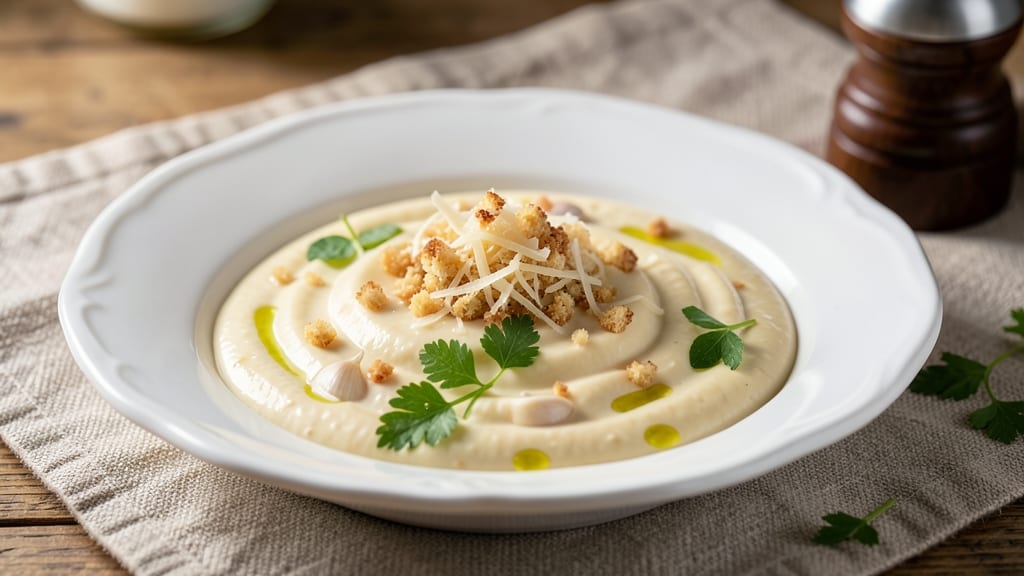
Mastering alfredo sauce recipe measurements transforms ordinary pasta into a luxurious dish with its ultra-smooth, velvety texture. The secret lies in precise ratios—equal parts heavy cream and whole milk, combined with butter and Parmesan in carefully measured increments.
I've perfected this ratio over years of testing, ensuring every batch delivers that signature creamy consistency without breaking or clumping.
This recipe uses simple ingredients you likely already have: 1 cup heavy cream, 1 cup whole milk, ½ cup unsalted butter, and 1½ cups freshly grated Parmesan cheese.
The key is patience—simmering the sauce gently allows the dairy to emulsify properly, creating a sauce that clings beautifully to every strand of pasta. Even small deviations in measurements can disrupt the delicate balance, so precision matters.
What sets this sauce apart is its restaurant-quality texture, achieved through proper technique and ingredient quality. The sauce should be thick enough to coat pasta generously but still silky enough to glide off the fork.
It pairs perfectly with fettuccine, chicken, or shrimp, elevating any dish to fine-dining standards. The best part? This sauce reheats beautifully, making it ideal for meal prep.
For added depth, consider incorporating optional variations like roasted garlic, fresh herbs, or even a vegan adaptation using nutritional yeast and coconut milk. Proper storage in an airtight container in the refrigerator preserves its creamy texture for up to 5 days, while freezing extends its shelf life for months.
Let's dive into the precise measurements and techniques that make this sauce foolproof.
Ingredients for alfredo sauce recipe measurements
Eight essential ingredients deliver restaurant-quality alfredo with precise measurements for velvety perfection.
| Ingredient | Amount | Notes |
|---|---|---|
| Heavy Cream 🥛 | 1 cup | Whole fat, cold for best emulsification |
| Whole Milk 🥛 | 1 cup | Room temperature preferred |
| Unsalted Butter 🧈 | ½ cup | Cold, cubed for even melting |
| Parmesan Cheese 🧀 | 1 ½ cups | Freshly grated from block, fine grade |
| Garlic Cloves 🧄 | 2 cloves | Minced for subtle depth |
| Extra-Virgin Olive Oil 🫒 | 1 tbsp | For glossy finish and stability |
| Diamond Crystal Kosher Salt 🧂 | ½ tsp | Adjust to taste, enhances flavor |
| Freshly Ground Black Pepper 🌶️ | ¼ tsp | Freshly cracked for bright flavor |
The foundation of a flawless alfredo lies in ingredient quality and precision. Whole-fat dairy—heavy cream, milk, and butter—creates the signature richness, so avoid low-fat substitutions. For Parmesan, grate it yourself from a block—pre-grated contains anti-caking agents that disrupt texture. Trader Joe's and Whole Foods carry high-quality Parmigiano-Reggiano that exceeds store-brand options. The garlic should be freshly minced (not jarred) to avoid bitterness, and extra-virgin olive oil adds stability during simmering. Diamond Crystal kosher salt is preferred for its fine grain and consistent flavor.
No heavy cream? Full-fat coconut milk mimics the texture closely, though flavor differs slightly. Substituting milk with half-and-half reduces richness but maintains workability. For butter, European-style butter (like Plugrá) has higher fat content for better emulsification. Pre-grated Parmesan? Sift it through a fine-mesh sieve to remove lumps. The olive oil can be omitted if preferred, but it prevents curdling during cooking. For a vegan adaptation, replace dairy with coconut milk and use nutritional yeast for cheesy depth—though texture will differ.
Emulsification is delicate: simmer the sauce gently to prevent curdling, and whisk continuously. Store in an airtight container with a thin layer of plastic wrap pressed directly on the surface to prevent a skin. Refrigerated, it keeps for 5 days, while freezing extends shelf life to 3 months. For meal prep, portion into ice cube trays before freezing—thaw quickly in a bowl of warm water when ready to use. Avoid reheating directly in the microwave, as it disrupts the emulsion.
Why You'll Love This Recipe
- Here’s what sold me: that first hit of garlic sizzling in butter before everything comes together. It’s not overpowering—just enough to make every bite feel like a little hug for your taste buds.
- Five-Ingredient Magic: I swear by this combo—just cream, milk, butter, Parmesan, and garlic. That’s it. No fancy blends or hidden spices; the richness comes from letting the butter and cheese melt together just right.
- Garlic Butter Love: Here’s what sold me: that first hit of garlic sizzling in butter before everything comes together. It’s not overpowering—just enough to make every bite feel like a little hug for your taste buds.
- Weeknight to Dinner Party: Same sauce, endless uses. Toss it with fettuccine for a quick weeknight meal, or drizzle it over grilled chicken for a fancy-ish dinner. The measurements scale perfectly whether I’m feeding two or six.
Step-by-step instructions for perfect Alfredo sauce
Master these precise techniques for restaurant-quality Alfredo that's velvety, balanced, and never grainy.
Melt Butter and Bloom the Garlic
In a medium saucepan, melt the 0.5 cup unsalted butter over medium-low heat. Watch carefully as it transforms from solid to liquid—you want it to foam gently without browning. Once fully melted, add the 2 minced garlic cloves and cook for exactly 30 seconds. This brief cooking time prevents bitterness while allowing the garlic to release its aromatic oils.
Here's the thing—if you let the garlic cook longer than 30 seconds, it'll turn bitter. The butter should be bubbling gently but not vigorously. Reduce heat if needed to maintain control. This foundational step creates the flavor base for your entire sauce, so don't rush it.
Incorporate Dairy for Emulsification
Pour in the 1 cup whole milk and 1 cup heavy cream simultaneously while stirring constantly with a whisk. The sauce will begin to thicken immediately as the dairy combines with the butter. Bring the mixture to a gentle simmer over medium heat, then reduce heat to low to maintain a steady gentle bubble—never a rolling boil.
This is where precision matters most. The dairy needs to heat gradually to prevent curdling. You'll notice the sauce start to thicken after about 3-4 minutes of simmering. If it thickens too quickly, reduce heat immediately to lowest setting—we want a smooth consistency, not a gluey one.
Gradually Add Cheese for Silky Texture
Slowly sprinkle in the 1.5 cups freshly grated Parmesan Cheese, whisking continuously to prevent clumping. Add about 1 tablespoon at a time, allowing each addition to fully incorporate before adding more. This gradual approach ensures even distribution and prevents the cheese from seizing up.
I've found that using freshly grated Parmesan makes all the difference—pre-shredded cheese contains anti-caking agents that can make your sauce grainy. Keep whisking vigorously as the cheese melts, and you'll see the sauce transform from a simple dairy mixture into a luxurious, creamy emulsion.
Season and Finish with Olive Oil
Remove the sauce from heat and stir in the 0.5 teaspoon Diamond Crystal kosher salt and 0.25 teaspoon freshly ground black pepper. Then add the 1 tablespoon extra-virgin olive oil—this final step creates the signature glossy finish and adds stability to the emulsion.
The olive oil not only enhances the sauce's visual appeal but also prevents it from breaking when served over hot pasta. Taste and adjust seasoning if needed—Alfredo should be rich but not overly salty, with just a hint of peppery brightness. Let the sauce rest for 2-3 minutes before serving to allow flavors to fully meld.
Temper and Serve Over Pasta
Before combining with pasta, gently reheat the sauce to 185°F if needed, stirring constantly to maintain its silky texture. For best results, toss the sauce with hot, freshly cooked pasta in the same pot—this prevents temperature shock that could cause the sauce to break.
The key here is timing. Add the sauce to the pasta just as you would finish cooking it, then toss immediately. The residual heat from the pasta will gently cook the sauce further, creating that perfect creamy coating. Serve immediately while the sauce is still velvety—Alfredo doesn't reheat well once it cools.
Pro Tips For Making Alfredo Sauce Recipe Measurements
- Bloom the Garlic: Sauté those minced cloves in butter until they’re just golden—not brown, not burnt, but that soft, nutty stage where they smell like a garlic festival. I learned this the hard way: skipping this step leaves your sauce tasting raw and sharp, like someone dumped garlic powder in instead of cooking it.
- Whisk in Butter Gradually: Add your unsalted butter to the warm cream slowly, a pat at a time, while whisking like your life depends on it. The sauce will thicken as it cools—if you dump it all in at once, you’ll end up with a greasy, split sauce that looks like it lost a fight with a blender. (Yes, I’ve seen it happen.)
- Grate, Don’t Shred, Parmesan: Use a fine microplane or the smallest holes on a box grater—not the pre-shredded stuff from the green can. Pre-shredded cheese has anti-caking agents that turn your creamy sauce into a grainy, sad lump. And for the love of cheese, don’t pack the grated Parmesan—just sprinkle it in so it melts smoothly.
- Warm Milk First: Heat your whole milk to body temperature (dip a spoon in—should feel warm but not scalding) before mixing it with the cream. Cold milk shocks the sauce, causing it to separate like oil and vinegar. I was skeptical until I tried it—now I never skip it, even when I’m rushing.
Best sauces and condiments for this recipe
Classic Alfredo
This foundational version delivers that signature creamy texture with 1 cup heavy cream and 1 cup whole milk balanced by ½ cup unsalted butter and 1½ cups freshly grated Parmesan.
The key is simmering the dairy mixture gently to prevent curdling while gradually whisking in the cheese for a silky emulsion. I always use Diamond Crystal kosher salt for precise seasoning and finish with 1 tbsp extra-virgin olive oil for stability and gloss. 🥛
Garlic-Infused Depth
For extra flavor without overpowering, add 3 minced garlic cloves to the melted butter and cook for 45 seconds instead of 30. This intensifies the garlic's aroma without bitterness. I also like adding ½ tsp lemon zest at the end for brightness—it cuts through the richness beautifully.
For a more robust version, use 1 tbsp roasted garlic puree instead of fresh cloves.
Herb-Enhanced Variation
Brighten the classic with 1 tbsp fresh parsley and 1 tbsp fresh chives, finely chopped. Add them with the cheese while still simmering, then whisk vigorously until fully incorporated.
For a more pronounced herb flavor, use 1 tsp dried thyme instead of fresh. This variation pairs exceptionally well with grilled chicken or roasted vegetables. 🌿
Spicy Alfredo Kick
Add heat with ½ tsp red pepper flakes or 1 tsp hot honey at the end for a sweet-spicy contrast. For a smoky twist, incorporate ½ tsp smoked paprika with the garlic.
I recommend starting with ¼ tsp cayenne pepper if you're sensitive to spice—it adds depth without overwhelming the creamy base.
Vegan Adaptation
Replace the dairy with 1½ cups full-fat coconut milk and use ½ cup nutritional yeast instead of Parmesan for cheesy flavor. Add 1 tbsp cornstarch to thicken, and finish with 1 tbsp lemon juice for tang.
While the texture differs from traditional Alfredo, it's surprisingly rich and works beautifully with vegan pasta dishes. The sauce will be slightly thinner, so simmer longer to achieve desired consistency.
Nutrition facts
Frequently asked questions
Why does my Alfredo sauce get grainy?
Graininess happens when cheese clumps or dairy separates. Always use freshly grated Parmesan (no pre-shredded) and whisk continuously while adding it. For extra smoothness, strain the finished sauce through a fine-mesh sieve. Also, avoid boiling the sauce—keep heat at a gentle simmer to prevent curdling.
Can I make Alfredo sauce without heavy cream?
Yes! Replace the heavy cream with equal parts whole milk and half-and-half, or use full-fat coconut milk for a dairy-free version. The sauce will be slightly lighter but still creamy. For extra richness, add an extra 2 tablespoons of butter while simmering. Texture may be thinner, so reduce heat and simmer longer to thicken.
How do I prevent my Alfredo sauce from breaking when reheating?
Never microwave Alfredo—it causes separation. Instead, reheat gently in a saucepan over low heat while whisking constantly. Add 1 tablespoon of cold water or milk if it thickens too much. For leftovers, store sauce in an airtight container with plastic wrap pressed directly on the surface to prevent skin formation.
What's the best pasta shape for Alfredo?
Fettuccine is classic, but wide ribbons like pappardelle or tagliatelle work beautifully too. Avoid short shapes like penne—the sauce won't cling as well. For extra sauce coverage, try fettuccine with a ruffled edge or linguine. Always toss sauce with hot, freshly cooked pasta to maintain that velvety texture.
Can I make Alfredo sauce ahead of time?
Yes! Prepare it up to 2 days in advance and store in an airtight container in the fridge. Reheat gently with a splash of milk or water to restore creaminess. For longer storage, freeze in ice cube trays—thaw quickly in warm water before using. The sauce may thicken slightly when refrigerated, so adjust consistency with a little extra milk when reheating.