
Sauces & Condiments
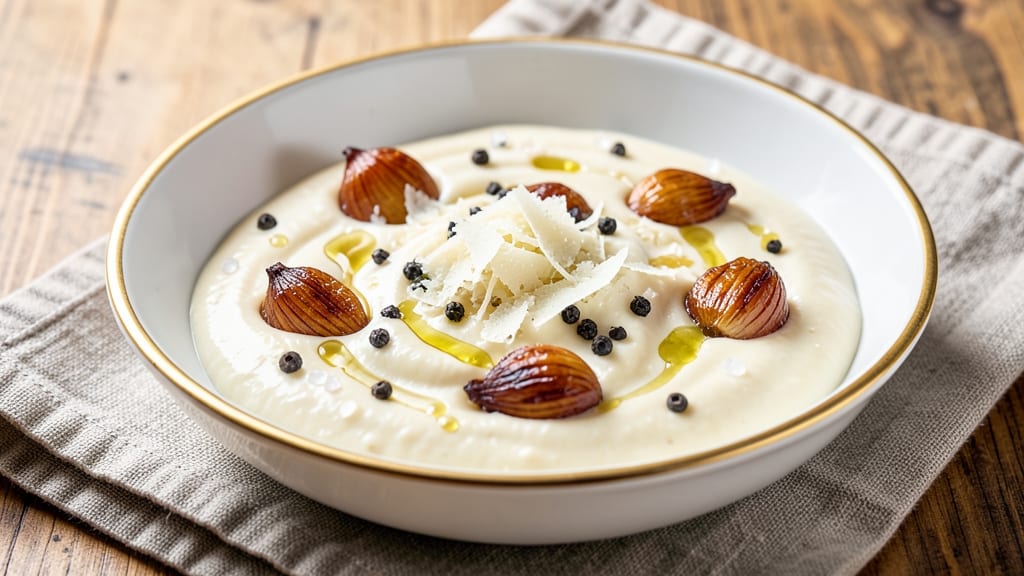
This Barilla roasted garlic sauce recipe transforms simple ingredients into a velvety, aromatic sauce with nutty depth that elevates any dish. The secret lies in roasting whole garlic cloves until caramelized, unlocking complex flavors that infuse the sauce with a rich, toasty sweetness.
Unlike store-bought versions, this homemade version delivers a bold, restaurant-quality taste that’s impossible to replicate with jarred sauces.
The process is straightforward: roast the garlic until golden and sweet, then blend it with olive oil, cream, and a touch of Parmesan for creaminess. The sauce thickens as it simmers, creating a silky texture that clings perfectly to pasta, bread, or grilled proteins.
What sets this apart is the whole garlic technique—no peeling required—simplifying prep while maximizing flavor.
Once complete, you’ll have a sauce that’s versatile enough for weeknight dinners yet impressive enough for special occasions. Use it to toss with Barilla pasta, drizzle over roasted vegetables, or serve as a dip for crusty bread.
The best part? It keeps well in the fridge for up to 5 days, making it a perfect make-ahead condiment for busy schedules.
For extra depth, add a pinch of red pepper flakes or fresh herbs before serving. This sauce isn’t just a condiment—it’s a flavor multiplier that transforms ordinary meals into something extraordinary. Ready to make it?
Ingredients for barilla roasted garlic sauce
Eight essential ingredients craft a velvety sauce with restaurant-quality depth and nutty complexity.
| Ingredient | Amount | Notes |
|---|---|---|
| Whole Garlic Cloves 🧄 | 12 whole | Unpeeled for roasting |
| Extra-Virgin Olive Oil 🫒 | 1 cup | High-quality, fruity variety |
| Heavy Cream 🥛 | 1 cup | Full-fat for richness |
| Parmesan Cheese 🧀 | ½ cup | Freshly grated from block |
| Freshly Ground Black Pepper 🌶️ | ½ tsp | Freshly cracked for intensity |
| Diamond Crystal Kosher Salt 🧂 | ¼ tsp | For balanced seasoning |
| Red Pepper Flakes 🔥 | ¼ tsp | Optional for heat |
| Fresh Basil Leaves 🌿 | ¼ cup | Chopped for garnish |
The garlic is non-negotiable—whole cloves develop the deepest caramelized flavor when roasted unpeeled. Whole Foods or local farmers markets often carry the largest cloves, which yield the most robust flavor. For best results, select cloves that are plump and firm, avoiding any with soft spots. The extra-virgin olive oil should be fruity and peppery; brands like California Olive Ranch or Colavita deliver consistent quality. Roast the garlic until the cloves are golden and sweet—this transforms their flavor from sharp to richly mellow, a technique professional chefs rely on for depth.
No heavy cream on hand? Full-fat coconut milk works beautifully, though it adds a subtle tropical note. Substituting Parmesan? Pecorino Romano offers a sharper bite, while nutritional yeast provides a cheesy umami without dairy. The red pepper flakes are optional but recommended for a subtle kick—Penzeys brand is a reliable choice. Fresh basil is ideal, but dried basil at one-third the amount suffices in a pinch. For extra richness, swap half the cream for whole milk, though the texture will be slightly lighter. The kosher salt is crucial for balancing the sauce's sweetness and acidity—Diamond Crystal dissolves more evenly than table salt.
This sauce thickens as it cools, so stir in a splash of cold water if it becomes too stiff. Store in an airtight container in the fridge for up to 5 days, with a thin layer of olive oil on top to preserve freshness. For longer storage, freeze in ice cube trays—perfect for single-use portions. Reheat gently over low heat, stirring frequently to prevent separation. The sauce pairs exceptionally well with Barilla pasta, grilled meats, or roasted vegetables, making it a versatile addition to any meal.
Why You'll Love This Recipe
- No Garlic Tears: I roast the whole cloves in olive oil until they’re golden and jammy—no chopping, no peeling, just slide them out of their skins like magic. The kids can even help (though they’ll probably lick the spoon).
- Rich Without Fuss: That creamy blend of heavy cream and Parmesan turns simple garlic into something luxurious—think buttery, nutty, and just salty enough. Honestly, I make it for pasta, but I’ve been known to eat it straight from the pot.
- Weeknight Superstar: Drizzle it over roasted veggies, toss it with grilled chicken, or use it to jazz up a baked potato—it’s my lazy dinner’s best friend. Between us, it’s the reason I don’t order takeout anymore.
- Leftovers That Lie: This sauce actually improves the next day. The flavors meld into this deep, caramelized perfection, and it stretches across three meals without breaking the bank. (Yes, even on a Tuesday night.)
Step-by-step instructions for roasted garlic sauce
Transform whole garlic cloves into a luxurious, nutty sauce that elevates any dish.
Roast the Whole Garlic Cloves
Preheat your oven to 400°F. Place the 12 whole unpeeled garlic cloves on a parchment-lined baking sheet, spacing them evenly. Drizzle lightly with 1 tablespoon of the extra-virgin olive oil to prevent burning. Roast for 30-35 minutes until the cloves are soft, wrinkled, and deep golden brown—this indicates their sweet, caramelized flavor has fully developed.
Here's the thing—roasting whole cloves instead of mincing them first preserves their natural oils and creates that signature nutty depth. You'll know they're perfect when they yield easily to gentle pressure and smell intensely aromatic. Let them cool slightly before handling, as they'll be very hot.
Create the Garlic Purée
Transfer the roasted garlic cloves to a small food processor or mortar and pestle. Add 1 tablespoon of the remaining extra-virgin olive oil to help with blending. Process until you achieve a smooth, paste-like consistency with no visible clove pieces. This should take about 1-2 minutes in a food processor or several minutes of crushing by hand.
For a truly silky texture, I strain the purée through a fine-mesh sieve to remove any lingering skin fragments. This step ensures your sauce has that luxurious, velvety mouthfeel. The purée should be vibrant golden yellow with a rich, almost buttery aroma—this is where all the magic happens.
Build the Sauce Base
In a medium saucepan, combine the garlic purée with the remaining extra-virgin olive oil and 1 cup heavy cream. Place over medium-low heat and stir gently to combine. Bring to a bare simmer, then reduce heat to low to maintain a gentle bubble. Let it cook for 5-7 minutes until the mixture thickens slightly and coats the back of a spoon.
This low-and-slow cooking process develops the sauce's depth of flavor without curdling the cream. You'll notice the aroma intensify as the garlic's sweetness melds with the cream's richness. If the sauce begins to bubble vigorously, reduce the heat immediately to prevent separation.
Finish with Cheese and Seasonings
Remove the saucepan from heat and stir in the ½ cup freshly grated Parmesan cheese, ½ teaspoon freshly ground black pepper, ¼ teaspoon Diamond Crystal kosher salt, and ¼ teaspoon red pepper flakes (if using). The cheese will melt into the sauce, creating a luxurious, cheesy texture. Taste and adjust seasoning—you may need a touch more salt to balance the richness.
The red pepper flakes add subtle heat that complements the garlic's sweetness beautifully. For an extra touch of freshness, stir in ¼ cup chopped fresh basil leaves just before serving. This sauce should be thick enough to coat the back of a spoon but still flow smoothly when poured.
Rest and Serve
Transfer the sauce to a serving bowl and let it rest at room temperature for 10 minutes. This resting period allows the flavors to fully meld and the sauce to reach its optimal consistency. The sauce will thicken slightly as it cools, so if you prefer it thinner, simply reheat gently and stir in a splash of warm milk or cream.
This roasted garlic sauce is incredibly versatile—use it as a pasta sauce, drizzle over roasted vegetables, or serve as a luxurious dip with crusty bread. The key to its success lies in the patience of roasting whole cloves and the balance of rich, creamy elements with sharp Parmesan and fresh basil.
Pro Tips For Making Barilla Roasted Garlic Sauce
- Peel the Garlic Wrong: Leave the papery skins on when roasting—it keeps the cloves from burning and makes peeling them after roasting effortless. I used to peel first, and half the batch would turn to ash before the centers softened.
- Roast Until Mushy: Pull the garlic out when it’s collapsing under gentle pressure, not just golden. Over-roasted garlic tastes bitter; under-roasted feels raw. A fork should pierce it like butter.
- Strain the Oil Carefully: Use a fine-mesh sieve or cheesecloth to separate the garlic from the oil—don’t just pour. The leftover bits add richness, but they’ll make your sauce grainy if left in. (Yes, even if you’re in a hurry.)
- Finish with Cold Cream: Whisk in the heavy cream off the heat to prevent curdling. I learned this after watching a batch separate like oil and vinegar—now I just stir it in cold, then reheat gently. Smooth every time.
Essential equipment for barilla roasted garlic sauce
Garlic Roasting Tools
You’ll need a parchment-lined baking sheet to roast the garlic—this prevents sticking and makes cleanup effortless. I recommend a half-sheet pan (13x18 inches) for even heat distribution. For extra insurance, place the pan on the middle oven rack where temperatures are most consistent.
A light drizzle of olive oil on the cloves prevents burning, so don’t skip this step! 🔥
Blending Essentials
A small food processor or mortar and pestle is ideal for creating the garlic purée. I prefer a mini chopper like the Cuisinart DLC-10BC for its precision—it handles the cloves smoothly without over-processing.
If you’re using a mortar and pestle, work in batches for even texture. For ultra-smooth results, strain through a fine-mesh sieve to remove any lingering skins.
Saucepan Selection
Choose a medium saucepan with sloped sides (like All-Clad Stainless) to prevent spills while simmering. The pan should have a heavy base to distribute heat evenly and avoid hot spots that could curdle the cream.
A wooden spoon is your best tool for stirring—it won’t scratch the saucepan and helps scrape up any thickened bits from the bottom.
Storage Containers
For fridge storage, use glass airtight containers (like Le Parfait) to maintain freshness. These preserve the sauce’s texture better than plastic. If freezing, opt for silicone ice cube trays—they’re perfect for portion control and thaw quickly.
Always leave ½-inch headspace to account for expansion, and press plastic wrap directly on the sauce’s surface to minimize air exposure.
Optional Upgrades
A garlic press (like OXO Good Grips) speeds up purée prep if you skip the food processor. For a professional touch, invest in a thermometer to monitor the sauce’s temperature—ideal simmering is 170-180°F.
A microplane is also handy for freshly grating Parmesan, as it yields finer, more flavorful shavings than a box grater. 💡
Nutrition facts
Frequently asked questions
Why roast whole garlic cloves instead of mincing them first?
Roasting whole cloves unlocks a nutty, sweet depth that minced garlic can't match. The skins trap moisture and oils, creating caramelized flavors when cooked slowly. Plus, it's easier—no peeling required! The result is a sauce with complex, toasty notes that taste far more sophisticated than raw garlic.
Can I make this sauce without heavy cream?
Yes! For a lighter version, substitute with full-fat coconut milk (adds tropical notes) or whole milk + 1 tablespoon cornstarch (thickens similarly). The sauce will still be rich but less decadent. For a dairy-free option, use cashew cream (blend soaked cashews with water) for a velvety texture.
How do I fix a sauce that's too thick or separated?
For thickening: Thin with 1-2 tablespoons warm milk or cream while stirring gently. For separation: Whisk in 1 tablespoon cold butter or olive oil while reheating on low heat. Never boil—this breaks the emulsion. The key is patience: let it cool slightly between adjustments to prevent curdling.
What's the best way to reheat leftover sauce?
Gently reheat in a saucepan over low heat (never microwave) until warmed through. Stir frequently to prevent hot spots. For extra smoothness, add 1 tablespoon warm water or milk while reheating. The sauce thickens as it cools, so adjust consistency immediately after reheating for perfect pouring.
Can I add other vegetables to this sauce?
Try roasting ½ cup diced shallots or mushrooms alongside the garlic for extra depth. For a veggie-packed version, blend in steamed zucchini or spinach after simmering. The key is to add vegetables after the garlic purée stage to preserve their texture and prevent bitterness from overcooking.